Let's be honest. You've seen the pictures. The towering plumes of steam, the impossible blue of a hot spring, a bison standing in the middle of the road like it owns the place. Yellowstone National Park is one of those places that feels almost mythical. But then you start planning a trip, and the questions pile up. Where do I even start? How do I see Old Faithful? Is it really that crowded? Will I see a bear?
I remember my first visit. I showed up with a vague idea from a brochure and spent half my time driving in circles, missing turn-offs, and wondering if I was in the right place to see the Grand Canyon of the Yellowstone. It was incredible, but it could have been so much better with a solid plan.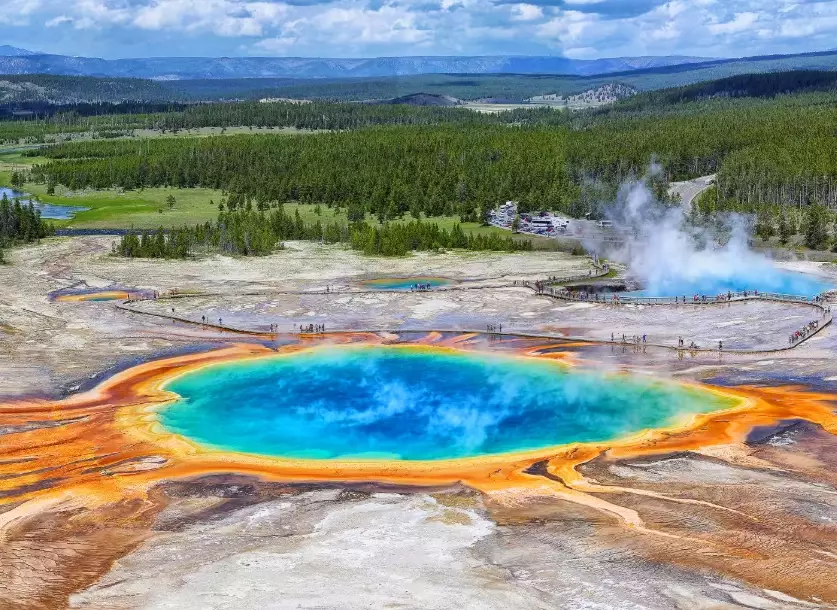
This guide is that plan. We're going to cut through the overwhelm and get straight to what makes Yellowstone National Park not just a checkbox on a travel list, but a genuinely life-changing experience. We'll talk about the steaming earth, the incredible animals, the practical nuts and bolts of your visit, and yes, we'll tackle those crowds head-on.
Why Yellowstone? More Than Just a Geyser
Everyone knows about Old Faithful. It's the poster child. But if you think Yellowstone National Park is just about one geyser, you're missing the whole story. It's the story of a supervolcano, a landscape that's literally alive, breathing and bubbling from the immense heat beneath your feet.
It's the world's first national park for a reason.
The scale is hard to grasp until you're there. You're driving through a pine forest, then suddenly you're on the edge of a technicolor hot spring basin that looks like another planet. You round a corner and there's a waterfall twice the height of Niagara. You stop for a picnic and find yourself sharing the meadow with a herd of elk. This constant, breathtaking variety is Yellowstone's magic trick.
The Core Idea: Yellowstone is a triathlon of natural wonders. It's a geothermal spectacle, a wildlife sanctuary, and a grand scenic landscape—all rolled into one massive, interconnected park. Focusing on just one aspect means you'll leave feeling like you missed out.
The Geothermal Heartbeat: Understanding the Hot Stuff
This is what sets Yellowstone apart. The park sits atop one of the world's largest active volcanic systems. All that heat has to go somewhere, and it finds its way up through the ground in spectacular fashion.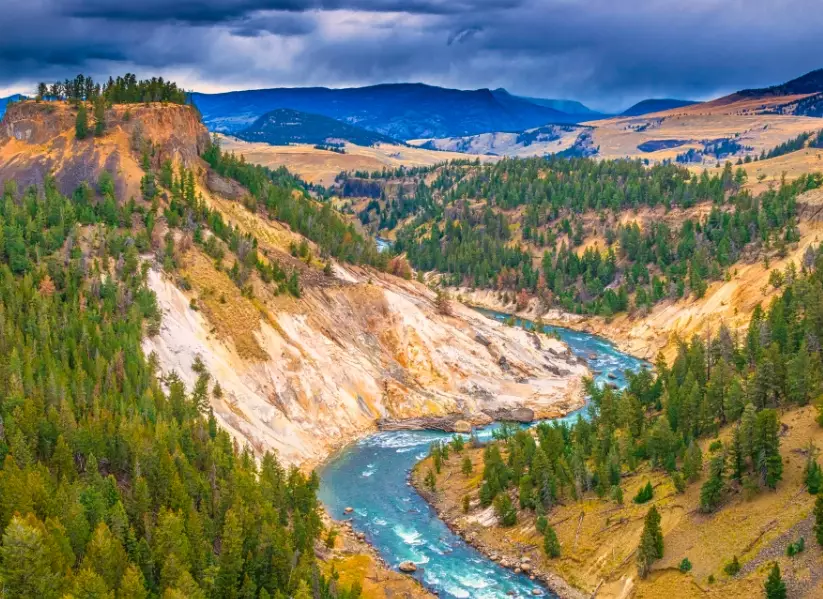
Geysers: The Pressure Cookers
Old Faithful is the famous one, but it's just one of over 500 geysers in the park. What makes a geyser? It's a special kind of hot spring with a narrow, constricted plumbing system underground. Water heats up, pressure builds, and eventually it all blows—shooting water and steam into the air.
Old Faithful is predictable, erupting roughly every 90 minutes. The park service posts predicted times at the visitor center and online. It's a must-see, but here's my take: don't make it your only geyser. The crowds can be intense. Get your photo, feel the awe, then explore.
The real gems are in the Upper Geyser Basin (where Old Faithful is) and Norris Geyser Basin. Walk the boardwalks. You'll see bubbling pools, roaring vents, and other geysers like Castle, Grand, and Riverside that are arguably more impressive in shape and color, just less punctual.
Pro Tip: Check the predicted eruption times for other major geysers at the Old Faithful Visitor Center. If Grand Geyser (the world's tallest predictable geyser) is due within an hour or two, wait for it. The eruption can last 10-15 minutes and is a powerful, thrilling display that makes the wait worthwhile.
Hot Springs & Mudpots: The Colorful and the Gurgly
If geysers are the park's fireworks, hot springs are its stained-glass windows. Places like Grand Prismatic Spring in the Midway Geyser Basin are iconic for a reason. The brilliant rings of orange, yellow, and green around its electric blue center are caused by heat-loving bacteria. A word of caution: the ground-level view can be shrouded in steam. For the famous overhead view, you need to hike the Grand Prismatic Overlook trail from the Fairy Falls parking lot. It's a moderate walk, but it's the only way to see the full scale of the colors.
Then you have the mudpots. At places like the Fountain Paint Pot or the Mud Volcano area, the acidic water breaks down rock into clay, creating bubbling, plopping, gurgling mud cauldrons. They smell like rotten eggs (that's the hydrogen sulfide), but they sound silly, and they're completely fascinating. Kids especially love them.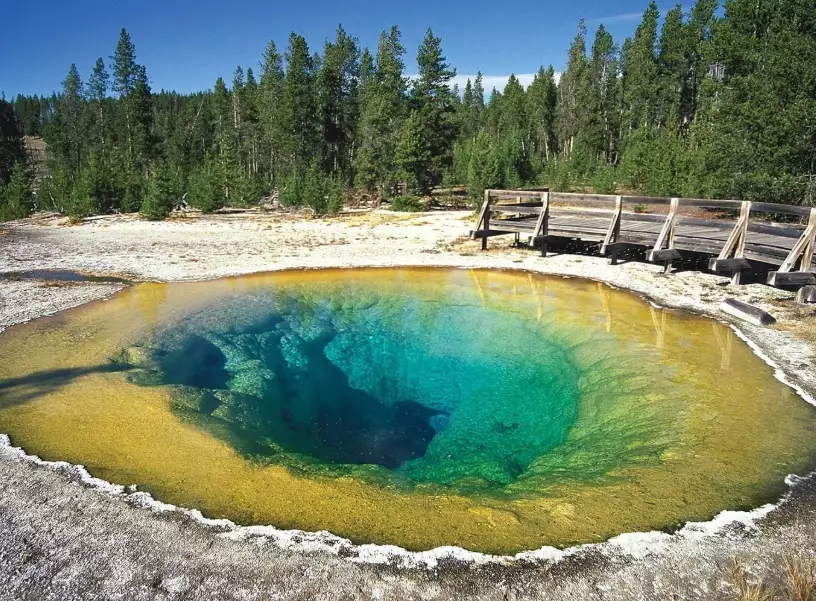
The Wildlife: Your Guide to a Safe Safari
This is the part that gets your heart racing. Yellowstone is one of the last large, nearly intact ecosystems in the Earth's temperate zone. The animals are not in a zoo; you are in *their* home.
Seeing a grizzly bear in the distance is a primal moment you'll never forget.
But let's get the serious stuff out of the way first. These are wild, potentially dangerous animals. The park mandates staying at least 100 yards (91 meters) from bears and wolves, and 25 yards (23 meters) from all other animals (bison, elk, moose, etc.). This isn't a suggestion; it's the law for your safety and the animals' well-being. Every year, tourists get gored or trampled because they ignore this rule for a selfie. Don't be that person.
Wildlife Safety is Non-Negotiable: Carry bear spray and know how to use it. Hike in groups, make noise on trails, and never, ever approach or feed an animal. A bison can weigh 2,000 pounds and run three times faster than you. If an animal changes its behavior because of you, you're too close. For the most current safety regulations and guidelines, always refer to the official National Park Service safety page.
Where and When to Look
Wildlife viewing is about location and timing. Dawn and dusk are the most active periods. The Lamar and Hayden valleys are often called the "American Serengeti" for good reason.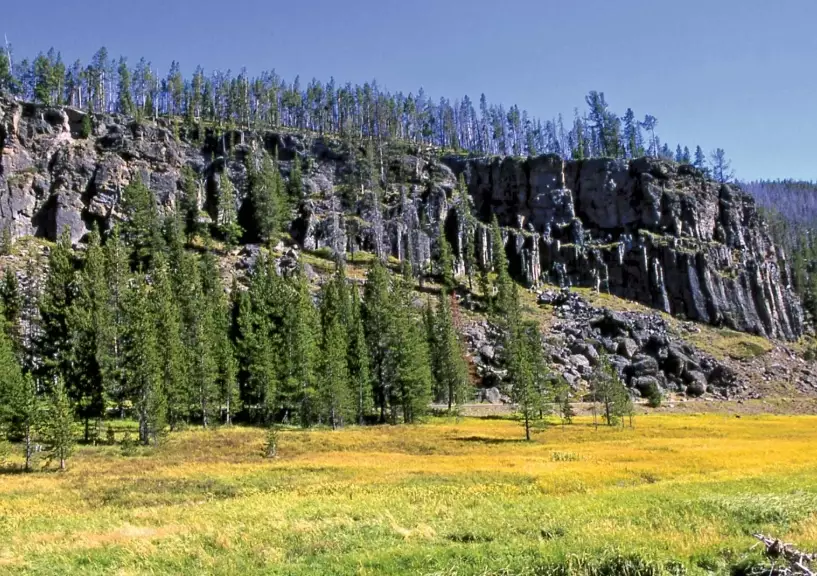
| Animal | Best Places to Spot | Notes & Behavior |
|---|---|---|
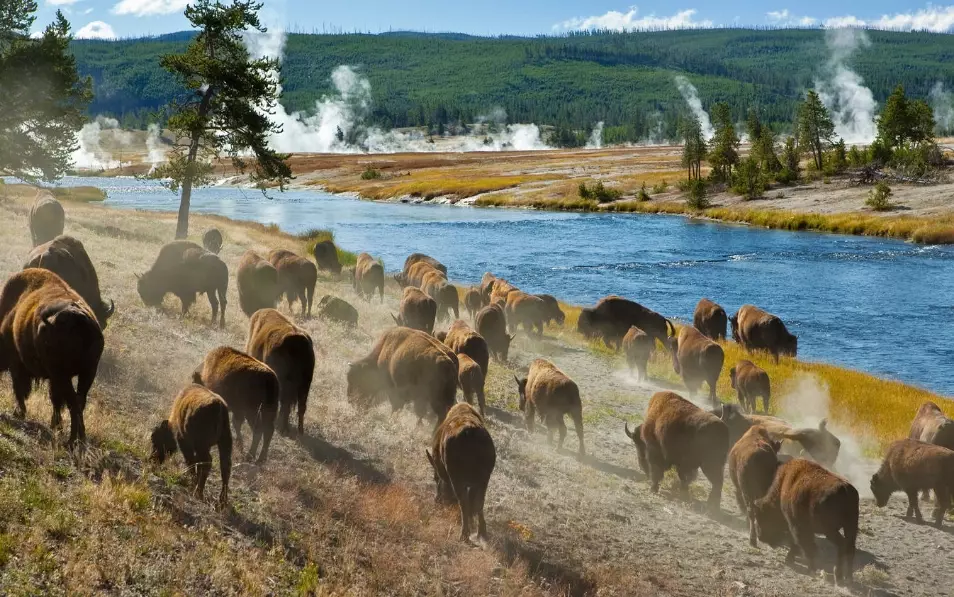
| Bison | Lamar Valley, Hayden Valley, near geothermal areas in winter. | Most common large mammal. They are unpredictable. Give them space, especially during rut (July-Aug) or when calves are present (spring). |
| Elk | Mammoth Hot Springs, meadows throughout the park. | Bull elk are particularly dangerous during the fall rut (Sep-Oct). Never get between a bull and its harem. |
| Grizzly Bear | Lamar Valley, Hayden Valley, Dunraven Pass. | Best seen at dawn/dusk from a distance. Use binoculars or a spotting scope. Spring and early summer are good for seeing sows with cubs. |
| Gray Wolf | Lamar Valley, Slough Creek, Blacktail Plateau. | Extremely hard to see without optics. Dawn is best. Listen for howls. Their reintroduction is a major ecological success story. |
| Moose | Willow-rich areas like Willow Park, near Fishing Bridge. | Less common than elk or bison. Solitary animals. Can be aggressive if approached. |
Bring good binoculars or a spotting scope. Seriously, it makes all the difference. You'll see details you'd miss and can safely observe from a proper distance. Joining a ranger-led wildlife watching program can also be hugely educational.
Crafting Your Perfect Yellowstone Itinerary
Yellowstone is big. Really big. It's over 2.2 million acres, and the Grand Loop road that connects the major areas is 142 miles of winding, often slow-moving traffic (thanks to wildlife jams and RVs). You cannot "do" Yellowstone in a day. Trying to will leave you exhausted and having seen nothing properly.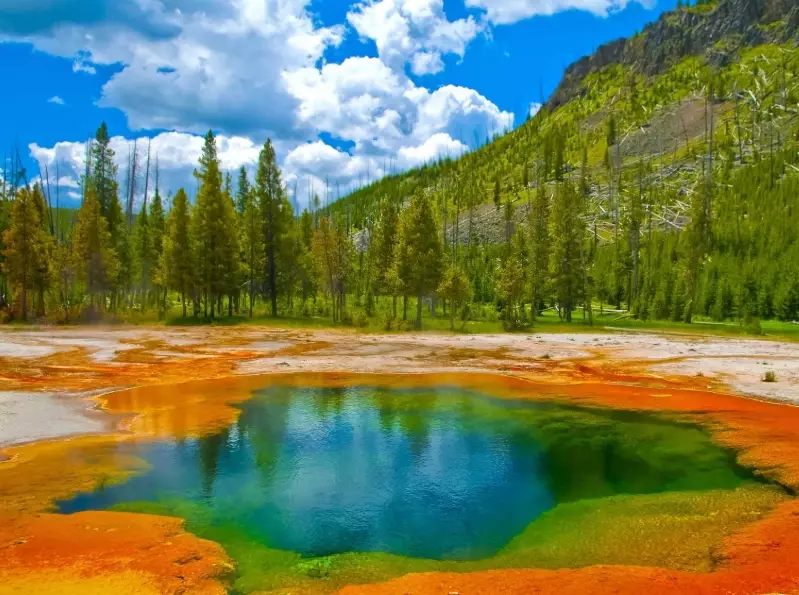
Here’s a breakdown of the park's major areas, each with its own personality:
The Grand Loop Road & Key Districts
Imagine a figure-eight. That's the Grand Loop. Your trip will revolve around it.
- Old Faithful / Upper Geyser Basin: The geothermal superstar area. Plan at least half a day here to see eruptions and walk the boardwalks.
- Grand Canyon of the Yellowstone: Don't confuse this with *the* Grand Canyon. This is Yellowstone's own stunning canyon, carved by the Yellowstone River, with the powerful Upper and Lower Falls. Viewpoints like Artist Point and Brink of the Lower Falls are breathtaking. This is scenic grandeur, not geothermal.
- Mammoth Hot Springs: In the north, near the Gardiner entrance. These are terraces of travertine (a form of limestone) deposited by hot springs, constantly changing shape and color. The historic Fort Yellowstone buildings are here too. It feels different from the rest of the park.
- Norris Geyser Basin: The hottest, most dynamic geyser basin. Home to Steamboat Geyser, the world's tallest (though unpredictable) geyser. It has a rougher, more acidic feel than Upper Basin.
- Lake Village / Yellowstone Lake: The vast, high-altitude lake. Great for boating, fishing, and a sense of expansive calm. The Lake Yellowstone Hotel is a historic classic.
- Lamar & Hayden Valleys: The premier wildlife viewing corridors. Wide-open spaces where you're likely to see herds of bison and possibly predators.
My own mistake was trying to hit Mammoth, Norris, and the Canyon all in one afternoon from Old Faithful. I spent over 4 hours just driving, barely had time to get out of the car, and was too tired to enjoy the sights. Lesson learned: pick one or two areas per day and explore them deeply.
Sample 3-Day & 5-Day Itineraries
These are templates. Adjust based on your interests (geology vs. wildlife vs. hiking) and which entrance you use.
The 3-Day Highlight Blitz (Minimal but focused):
- Day 1 (West/South): Enter from West Yellowstone or South (Grand Teton). Spend the day at Old Faithful and the Upper/Midway Geyser Basins. See Grand Prismatic. Overnight near Old Faithful or West Yellowstone.
- Day 2 (Central Loop): Drive to the Grand Canyon of the Yellowstone. Spend morning at viewpoints and hiking Uncle Tom's Trail or South Rim Trail. Afternoon drive through Hayden Valley to Lake Yellowstone for views. Overnight at Canyon Village or Lake Village.
- Day 3 (North Loop): Drive through Hayden Valley at dawn for wildlife. Visit Norris Geyser Basin. Continue to Mammoth Hot Springs. Exit via the North (Gardiner) or Northeast (Cooke City) entrance.
The 5-Day Immersive Experience (Recommended):
- Day 1: Old Faithful & Geyser Basins (as above). Add the Fairy Falls hike to see Grand Prismatic from above.
- Day 2: Grand Canyon of the Yellowstone. Dedicate a full day to hiking and exploring both the North and South rims.
- Day 3: Wildlife Day. Dawn in Lamar Valley. Spend the day exploring the Northeast corner, including the Lamar Valley and the Petrified Tree. Look for wolves, bears, and herds. Overnight in Cooke City or back at Canyon.
- Day 4: Norris Geyser Basin in the morning. Drive to Mammoth Hot Springs for the afternoon. Explore the terraces and historic district.
- Day 5: Yellowstone Lake. Take a scenic cruise, hike the Storm Point trail for lake views and possibly wildlife, visit the West Thumb Geyser Basin where hot springs meet the lake.
The Nitty-Gritty: Planning & Practical Advice
This is the stuff that can make or break your trip. Let's get practical.
When to Go: Seasons in Yellowstone
- Summer (June-August): Peak season. All roads and facilities are open. Wildflowers are blooming. It's also the most crowded and accommodation is booked solid a year in advance. Weather is warmish but can change in minutes with thunderstorms.
- Fall (September-October): My personal favorite. Crowds thin dramatically after Labor Day. Elk are bugling, aspens are golden, and there's a crispness in the air. Some facilities start closing in October, and snow can fall.
- Winter (November-March): A completely different, magical world. Most roads are closed to regular cars. Access is via snowcoach or snowmobile from West Yellowstone or Mammoth. Geysers steam against the snow, wildlife is more visible, and the silence is profound. It's a commitment and more expensive, but unforgettable.
- Spring (April-May): The park "wakes up." Roads reopen in stages (check the NPS road status page). It's muddy, many trails are closed, and weather is wildly variable. But you'll have solitude and see newborn animals. A gamble that can pay off for the flexible traveler.
Where to Stay: Inside vs. Outside the Park
Inside the Park: Lodges and cabins operated by Xanterra. Locations like Old Faithful Inn, Lake Yellowstone Hotel, Canyon Lodge, and Mammoth Hot Springs Hotel. The huge advantage: You're in the park. You can experience dawn and dusk without a long commute. You must book exactly 12-13 months in advance for summer dates. Seriously, they sell out within minutes or hours.
Outside the Park: Gateway towns like West Yellowstone (MT), Gardiner (MT), Cooke City (MT), and Cody (WY). More options, often more modern amenities (like reliable cell service and chain restaurants), but you add 30-60+ minutes of driving each way to get into the park proper. In peak summer, that drive can be slow.
My advice? If you can snag a booking, stay inside. It transforms the experience.
Getting Around & Beating the Crowds
You need a car. There's no real shuttle system that covers the whole park. Fill up your gas tank whenever you see a station (they are few and far between).
Crowd-Beating Strategies:
- Get up early. Be at a major attraction by 8 AM and you'll have it nearly to yourself compared to 11 AM.
- Explore in the evening. Most day-trippers and tour buses leave by 4-5 PM.
- Eat at off-peak times. Have an early lunch (11 AM) or a late lunch (2 PM) to avoid restaurant lines.
- Get away from the boardwalks. Even a short hike on a trail will leave 95% of the crowds behind. Consult a ranger for recommendations suited to your ability.
Yellowstone FAQs: Answering Your Burning Questions
Let's tackle some of the specific questions buzzing in your head.
Q: How many days do I *really* need in Yellowstone National Park?
A: Absolute minimum? Two full days. You'll be rushed, but can see Old Faithful, Grand Prismatic, and the Grand Canyon. A comfortable, enjoyable trip needs four to five days. This allows for varied weather, wildlife viewing sessions, and a couple of hikes without feeling like you're on a forced march.
Q: Is it safe to hike in Yellowstone with all the bears?
A: Yes, if you are smart. Hike in groups of 3 or more, make noise (talk, clap, sing) especially in dense brush or near streams, carry bear spray readily accessible (not buried in your pack), and know how to use it. Stick to established trails. The risk is very low if you follow these rules. I've hiked dozens of trails and only seen a bear from a trail once, at a great distance.
Q: What's the best entrance to use?
A: It depends on your itinerary.
- West Yellowstone: Best for quick access to Old Faithful and geyser basins.
- North (Gardiner): Best for Mammoth Hot Springs and the Lamar Valley.
- Northeast (Cooke City): The most scenic, dramatic entrance (Beartooth Highway), direct to Lamar Valley.
- East (Cody): Good access to Yellowstone Lake and the Grand Canyon.
- South (Grand Teton): Combine two amazing parks in one trip.
Q: Can I use my cell phone in the park?
A: Do not rely on it. Service is extremely spotty and mostly non-existent outside of developed areas like Old Faithful, Canyon Village, or Mammoth. Download offline Google Maps, save this article as a PDF, and have paper maps as backup. Tell someone your itinerary if you're hiking. Embrace the digital detox.
Q: What should I pack that I might forget?
A: Layers! A summer day can go from 80°F (27°C) and sunny to 40°F (4°C) and hailing in an hour. Pack a warm hat, gloves, rain jacket, and fleece even in July. Also: binoculars, a powerful flashlight/headlamp, a reusable water bottle (fill up at lodges), comfortable walking shoes with good traction (boardwalks can be wet and slick), and a cooler for picnic lunches to save time and money.
Final Thoughts: Embracing the Yellowstone Mindset
Visiting Yellowstone National Park isn't a typical vacation. It's an expedition into a raw, powerful, and humbling piece of the planet. You have to be flexible. A bison jam will delay you. A rainstorm will cancel your hike. A geyser might erupt later than predicted.
Let go of the need to tick every box. Instead, soak in the moments. The smell of pine and sulfur mixing in the air. The sound of a geyser roaring to life. The sight of a wolf pack moving across a distant hillside. That's the real magic.
Do your planning—book those lodges, study the map, read this guide. But once you're there, put the itinerary in the glove box sometimes. Stop at a random pullout. Watch a river flow. Listen to the silence.
That's when Yellowstone gets under your skin. That's when you understand why this place was set aside, forever, for everyone. Have an incredible trip.