I still remember the first time I truly *got* it. It was in Yellowstone, standing on a boardwalk as a geyser erupted, painting the sky with steam. The smell of sulfur was strong, the crowd was buzzing, but for a second, it was just me and this ancient, raw piece of the planet. That's the magic these places hold. It's not just a checklist; it's about finding that moment that sticks with you.
But let's be real. Planning a trip to a national park can feel overwhelming. Which park? What should you actually do there? How do you avoid spending your entire vacation stuck in a line of cars or fighting for a photo spot at an overlook? You search for "things to do in national parks" and get a million generic lists. Hike. Camp. Take pictures. Great. Not exactly helpful.
This guide is different. We're going deep. We'll talk about the classic stuff, sure, but also the quiet trails, the weird hidden gems, and the practical, no-BS tips that actually make your trip better. Whether you're a first-timer staring at a map of the 63 major parks feeling lost, or a seasoned visitor looking to shake up your routine, there's something here for you.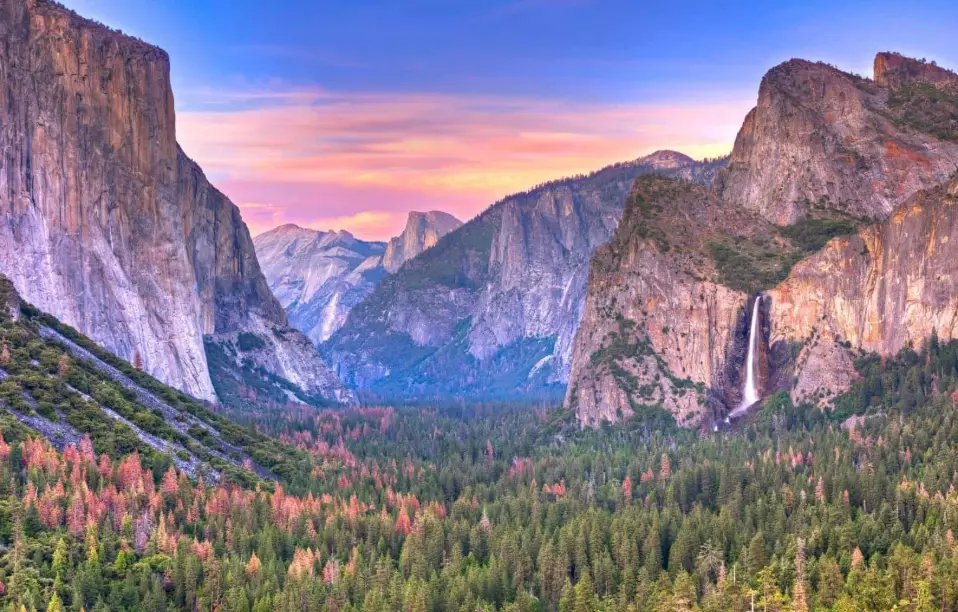
? Quick Start: Find Your Park Vibe
Not sure where to begin? Match your mood to a park type.
| If You're Looking For... | Top Park Picks | Best Things to Do There |
|---|---|---|
| Otherworldly Landscapes & Geology | Yellowstone, Arches, Bryce Canyon | Geyser gazing, arch spotting, hiking through hoodoos |
| Epic Mountain Vistas & Challenging Hikes | Rocky Mountain, Glacier, Grand Teton | Alpine lake hikes, scenic drives (Going-to-the-Sun Road), wildlife watching |
| Deep Forests & Waterfalls | Great Smoky Mountains, Olympic, Yosemite (Valley) | Waterfall chasing, old-growth forest walks, driving scenic parkways |
| Desert Solitude & Starry Skies | Joshua Tree, Big Bend, Canyonlands | Rock scrambling, stargazing, exploring remote canyons |
| Coastal Beauty & Marine Life | Acadia, Olympic (coast), Channel Islands | Kayaking, tidepooling, coastal hiking, lighthouse visits |
This is just the appetizer. Let's get into the main course of activities.
The Core Things to Do in National Parks: Beyond the Postcard
Everyone talks about hiking. But what kind of hiking? And what about when your feet are tired? The best national park visits mix iconic sights with slower, more immersive experiences.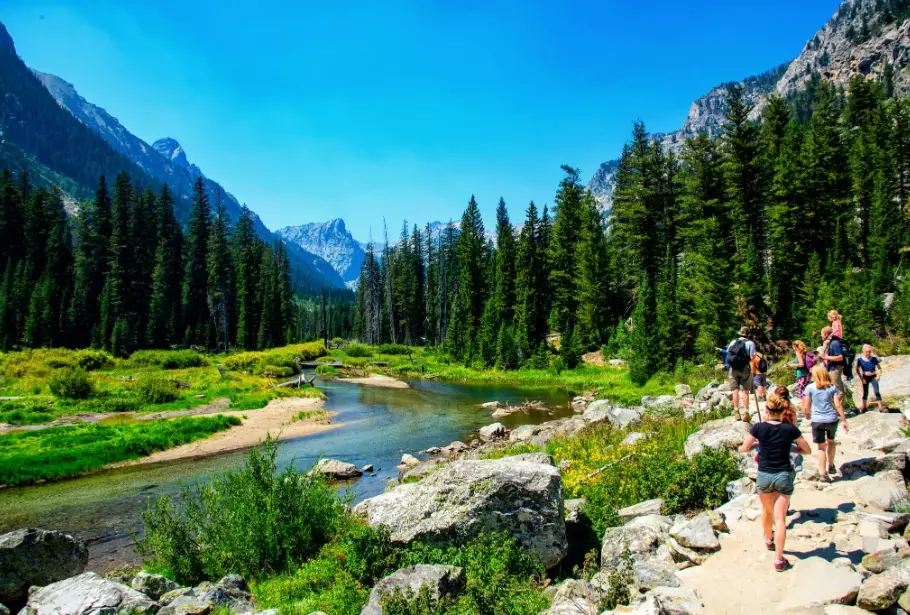
Hiking: It's Not Just Walking
This is the number one activity for a reason. But a bad hike can ruin a day. The key is matching the trail to your group's ability and desire.
For families or those wanting a taste, paved or well-maintained nature trails are gold. Think the Trail of the Cedars in Glacier, or the Lower Yosemite Fall trail. You're still in nature, you see something cool, and you're done in an hour. No shame in that game.
For the classic experience, aim for a moderate day hike (3-8 miles round trip) that leads to a payoff—a lake, a waterfall, a viewpoint. The NPS website is your bible here. Read the recent trail reports! I once ignored a "muddy" report and spent two hours sliding around. Not fun. My personal favorites? The Navajo Loop in Bryce Canyon (switchbacks through hoodoos!) and the Harding Icefield Trail in Kenai Fjords (views that make you feel tiny).
A quick rant: Don't be the person in flip-flops on a rocky, 5-mile trail. Just don't. Good hiking shoes or boots are the single best investment for your trip. Your feet will thank you, and you'll be less likely to twist an ankle miles from the trailhead.
Wildlife Watching: Patience is the Real Skill
Seeing a bear, a moose, or a herd of bison is often the highlight. But it's not a zoo. You have to be smart and respectful.
Best times? Dawn and dusk. Animals are most active then. Drive slowly, especially on park roads in the early morning. Look for crowds of stopped cars (a sure sign), but also scan the meadows and tree lines yourself. In Yellowstone, the Lamar Valley is called the "Serengeti of North America" for a reason—it's bison and wolf central.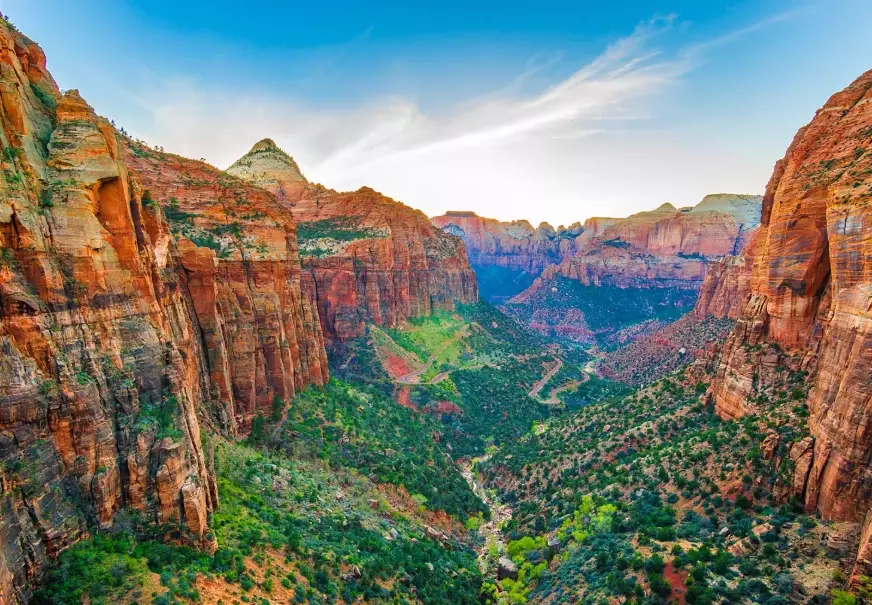
Photography: Capturing More Than a Snapshot
You don't need a fancy camera. Your phone is fine. The trick is in the timing and perspective.
Golden hour (the hour after sunrise and before sunset) transforms places. The light is soft, warm, and casts long shadows. That's when Delicate Arch in Arches NP glows. Midday light is harsh and flat—a great time for a nap or a visitor center visit, not photography.
Get off the main overlook. Walk down the trail a bit, find a different angle. Include people for scale to show how massive that canyon or tree really is. And for heaven's sake, put the phone down sometimes and just look with your own eyes. No photo beats the memory of the cold air and the smell of pine at a mountain summit.
For technical tips, sites like National Geographic Photography offer great advice that applies perfectly to national park landscapes.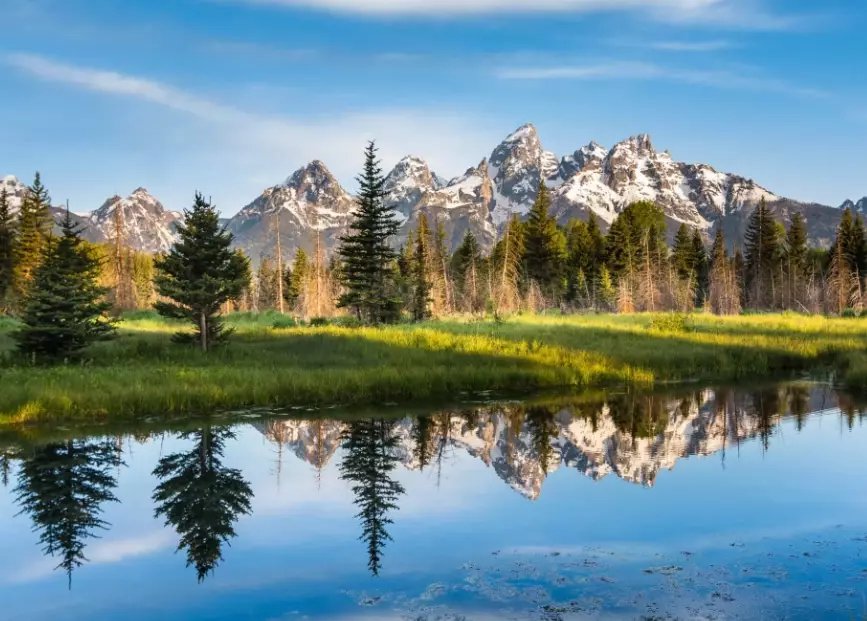
Leveling Up Your National Park Activities
Okay, you've done a hike, seen some animals. What's next? This is where you find your own unique adventure and escape the crowds.
Camping Under the Stars (Or in a Lodge)
Spending the night inside a park changes everything. The crowds leave, the stars come out, and the animals own the place again.
Frontcountry camping (drive-up sites) is the gateway. It's social, has amenities (usually bathrooms, sometimes showers), and lets you roll out of your tent and be on a trail at sunrise. Sites book up insanely fast on Recreation.gov. Set a calendar reminder for when reservations open, usually 6 months out.
Backcountry camping is for the more adventurous. It requires permits, planning, and carrying everything on your back. The reward? Solitude you can't buy. Waking up alone at a remote alpine lake is an experience that redefines the list of best things to do in national parks. Start with an easy one-nighter to see if you like it.
Not a camper? Many parks have historic lodges (like the iconic Old Faithful Inn) or simpler cabins. They book even further out, but waking up in a rustic lodge with a fireplace in the lobby is a classic park experience.
Ranger Programs: The Secret Free Gift
This might be the most underrated thing to do in any national park. Rangers are fountains of knowledge and great storytellers.
Check the park newspaper or visitor center board. There are evening talks (campfires, astronomy), guided walks (wildflower identification, geology), and junior ranger programs for kids. I learned more about glacier formation in one 45-minute ranger talk in Glacier NP than in years of school. It's free, it's engaging, and it connects you to the place on a deeper level.
Going Beyond the Road: Water, Wheels, and Winter
- Paddling: Rent a kayak or canoe. Paddling on Jenny Lake in Grand Teton or among the sea stacks of Apostle Islands National Lakeshore offers a silent, water-level perspective you can't get on land.
- Scenic Drives: Not just for getting from A to B. The Going-to-the-Sun Road (Glacier), Trail Ridge Road (Rocky Mountain), and Park Loop Road (Acadia) are attractions themselves. Pull over at the turnouts! But go early or late to avoid traffic.
- Winter Magic: Parks like Yellowstone, Yosemite, and Rocky Mountain transform in winter. Crowds vanish. You can snowshoe, cross-country ski, or take a guided snowcoach tour. Seeing Old Faithful erupt with a blanket of snow everywhere is a whole different world.
Making It Happen: The Practical Nitty-Gritty
All these great ideas are useless without a plan. Here’s how to avoid the common pitfalls.
When to Go (It's Not Always Summer)
Summer is peak for a reason: all roads and services are open. It's also peak for people. Consider the shoulder seasons (late spring/early fall). In September, the crowds in Rocky Mountain thin out, the aspens turn gold, and the elk are bugling. It's magical. Just know some high-elevation roads or trails might be closed by snow.
Winter, as mentioned, is for solitude and stark beauty. Spring can be muddy and unpredictable, but you get wildflowers and rushing waterfalls from snowmelt.
The Permit Puzzle
This is the new reality for many popular things to do in national parks. It's not just about camping anymore.
- Day-Use Permits: Parks like Arches, Rocky Mountain, and Glacier now require timed entry permits for your vehicle during peak hours/seasons. You MUST get these online in advance on Recreation.gov.
- Hiking Permits: The most famous hikes—Angels Landing in Zion, Half Dome cables in Yosemite, The Wave in Coyote Buttes—require a lottery or advance permit. Apply months ahead or try the last-minute lottery.
- Backcountry Permits: Required for any overnight backpacking. Quotas fill fast.
The official NPS website for your specific park is the ONLY reliable source for the latest permit rules. Check it obsessively while planning.
Beating the Crowds (As Much As You Can)
- Arrive Early. I mean, really early. Aim to be at the most popular trailhead by 7 AM. You'll get a parking spot and have the trail to yourself for an hour or two.
- Go Late. Similarly, start a hike in the late afternoon. Most people are heading back to town for dinner.
- Embrace Bad Weather. A cloudy, drizzly day scares off the fair-weather crowds. Put on a rain jacket and go. The mist in a redwood forest or swirling around mountain peaks is dramatic and beautiful.
- Explore Less Famous Areas. Every park has a "frontcountry" hub (Yosemite Valley, Old Faithful area) that gets packed. Look at the park map. Drive to the other end of the park. The trails there are often just as stunning and much quieter.
Your National Park Questions, Answered
Let's tackle some of the real questions people have when planning their things to do in national parks.
Q: I only have one day in a huge park. What should I do?
A: Don't try to see everything. You'll just spend the day in the car. Pick one iconic area. In Yellowstone, focus on the Old Faithful/Upper Geyser Basin. In Grand Canyon, pick the South Rim and do a hike partway down (like the South Kaibab Trail to Ooh Aah Point) for a real perspective. Do a ranger program. Quality over quantity.
Q: Are national parks kid-friendly?
A> Absolutely! Get them a Junior Ranger booklet at any visitor center. The activities (identifying animals, attending a ranger talk) engage them. Pick short, interesting hikes with a payoff (a waterfall, rocks to scramble on). Keep expectations flexible. A successful day with kids might be one short hike, some time throwing rocks in a river, and earning a badge.
Q: What's the one thing most people forget to plan for?
A> Connectivity. Assume you will have no cell service for most of your visit. Download offline maps (Google Maps, AllTrails), save your reservation confirmations as PDFs on your phone, and tell someone your rough itinerary. Also, gas up before you enter the park. Stations inside are few, far between, and expensive.
Q: I'm not very outdoorsy. Will I still enjoy it?
A> Yes! Start with the accessible things to do in national parks. Scenic drives, visitor center museums, short paved walks, ranger talks, and simply sitting with a picnic and enjoying the view are all 100% valid and wonderful ways to experience a park. It's about being there, not conquering it.
Q: How do I deal with the environmental impact and crowds guilt?
A> It's a real concern. Practice Leave No Trace principles religiously: pack out all trash, stay on trails, don't touch wildlife or historical artifacts. Support the parks by paying your entrance fee, which funds conservation. Visit during off-peak times. And consider exploring less-visited national monuments or state parks, which often have similar beauty without the massive crowds.
Wrapping It Up: It's About the Experience, Not the Checklist
Looking for the best things to do in national parks isn't about ticking boxes next to famous names. It's about the crunch of gravel under your boots, the sudden silence when you step off a busy trail, the chill of mountain air, and the shared smile with a stranger as a bear ambles across a meadow.
Plan, but leave room for spontaneity. Get that iconic photo, but also spend time just sitting. Challenge yourself on a tough hike, but also enjoy the slow pace of a ranger walk.
My final piece of advice? Pick one activity from this guide that pushes you slightly out of your comfort zone—maybe a sunrise hike, or attending a night sky program. That's often where the most memorable moments, the ones that truly define what things to do in national parks are all about, are hiding.
Now, go check those permit dates, dust off your hiking shoes, and start dreaming. Your adventure is out there waiting.