So you're thinking about booking one of those national parks tours you keep seeing pictures of. Good choice. Honestly, there's nothing quite like standing at the edge of the Grand Canyon or watching Old Faithful erupt, knowing you're in a place that's been protected for everyone. But here's the thing I learned the hard way: not all national parks tours are created equal. The difference between a magical trip and a frustrating one often comes down to the planning.
I remember my first attempt at a multi-park tour. I booked something cheap and generic, thinking a park is a park. Big mistake. We spent more time on the bus than on the trails, missed key sights because of bad timing, and the guide seemed more interested in getting to the hotel than explaining the geology around us. It was a lesson learned.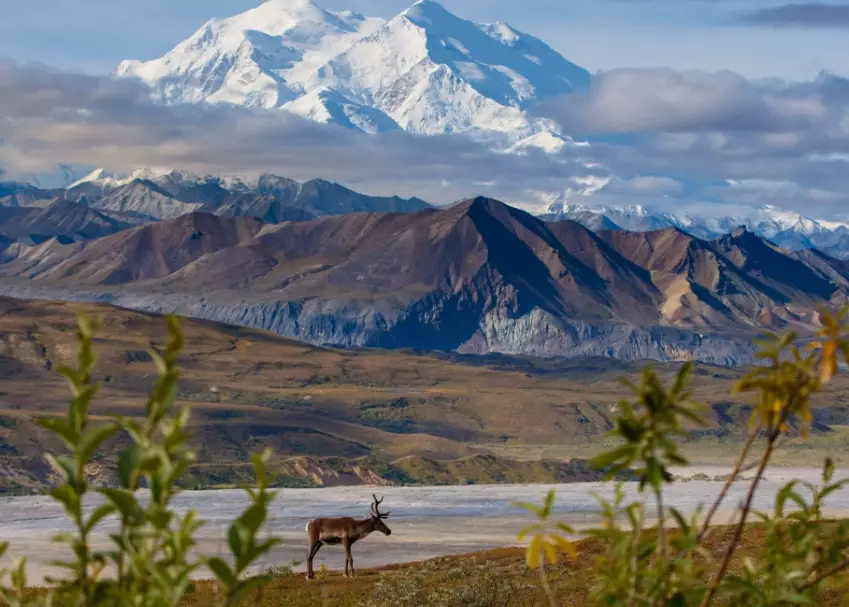
This guide is the one I wish I had before I booked anything. We're going to cut through the marketing fluff and talk about what really matters when planning your national parks adventure. Whether you're looking for a relaxed guided bus tour, a challenging hiking-focused expedition, or something luxurious in between, getting the basics right is everything.
What Kind of National Park Tour is Right For You?
This is the first and most important question. Your idea of a perfect day might be someone else's nightmare. I've broken down the main types of national parks tours you'll encounter. It's not just about price; it's about rhythm, pace, and what you want to get out of the experience.
| Tour Type | Best For... | What You'll Love | Potential Drawbacks | Average Price Point |
|---|---|---|---|---|
| Guided Group Tours | First-timers, solo travelers, those who want logistics handled. | Expert guides, new friends, no planning stress, structured itinerary. | Less flexibility, fixed schedule, can feel crowded. | $$ - $$$ |
| Self-Drive Tours | Independent spirits, families, travelers on a budget, control freaks (like me sometimes). | Total freedom, go at your own pace, deeper exploration of favorite spots. | You do all the planning and driving, navigating park logistics alone. | $ - $$ |
| Adventure & Hiking Tours | Active travelers, photography buffs, those wanting to get off the beaten path. | Small groups, focus on trails and nature, immersive experiences. | Requires good fitness, less comfort, weather-dependent. | $$$ |
| Luxury & Private Tours | Special occasions, discerning travelers, multi-generational groups. | Custom itineraries, premium lodging (sometimes inside parks), exclusive access, personalized attention. | Very high cost, can feel insulated from the "real" park experience. | $$$$+ |
Let's be honest, guided group tours get a bad rap sometimes. People think they're for inexperienced tourists. But on a well-run tour, the guide's knowledge is worth the price of admission. They'll point out the eagle's nest you'd have missed, explain the history of the land, and get you to the best sunrise spot before the crowds. For a complex trip hitting several parks like a Utah Mighty 5 tour, letting a pro handle the permits, hotels, and driving between remote parks is a godsend.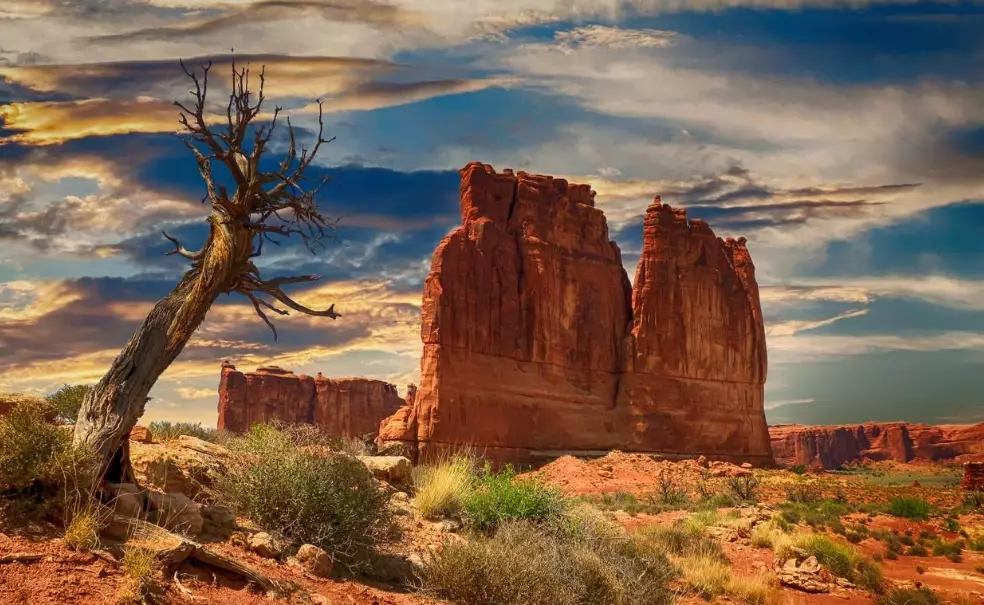
Self-drive tours, on the other hand, are my go-to for revisiting a park. Once I know I love a place, I want to explore it my way. The freedom to spend three hours watching wolves in Lamar Valley (Yellowstone) because you feel like it, or to ditch a plan because a park ranger told you about a hidden waterfall—that's priceless. But you need to be on top of things. Booking lodging inside popular parks like Yellowstone or Yosemite requires planning 6-12 months ahead, no joke.
How to Pick the Perfect National Parks Tour Itinerary
You've seen the glossy brochures with perfect photos. But does the itinerary make sense on the ground? This is where many tours fall short. They try to cram too much in, turning what should be awe-inspiring into a blur out a bus window.
Focus on Depth, Not Just Breadth
Ask yourself: do you want to see a little of a lot, or a lot of a little? A tour that claims to cover Yellowstone, Grand Teton, Glacier, and Badlands in 7 days is doing you a disservice. You'll spend your life in transit. I'm a big believer in the two-park combo. Yellowstone with Grand Teton. Zion with Bryce Canyon. These pairings are geographically logical and thematically complementary.
For a first-timer to the Southwest, a well-structured tour of Utah's parks is hard to beat. But look closely at the daily schedule. A good itinerary will have clear designations: is this a "driving day" with short scenic stops, or an "exploration day" with several hours of dedicated hiking time? If every day starts with "6 AM departure" and ends with "7 PM hotel check-in," you're on a marathon, not a vacation.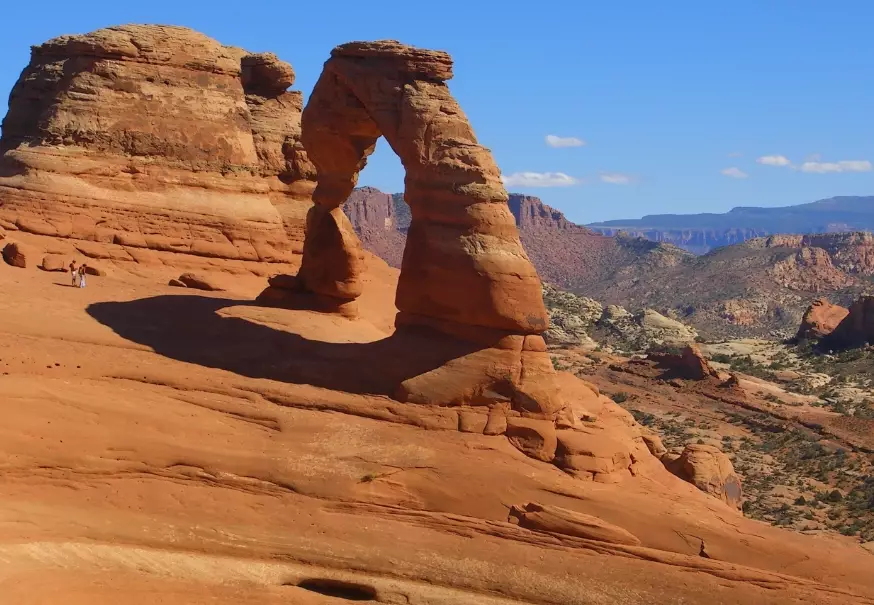
The Season Dictates Everything
When you go is arguably more important than which tour operator you choose. This isn't just about weather; it's about crowds, wildlife, and access.
Seriously, I took a fall tour of the Great Smoky Mountains once, and it was perfect—cool air, colorful leaves, and we could actually find a parking spot at Clingmans Dome. Summer there? Gridlock.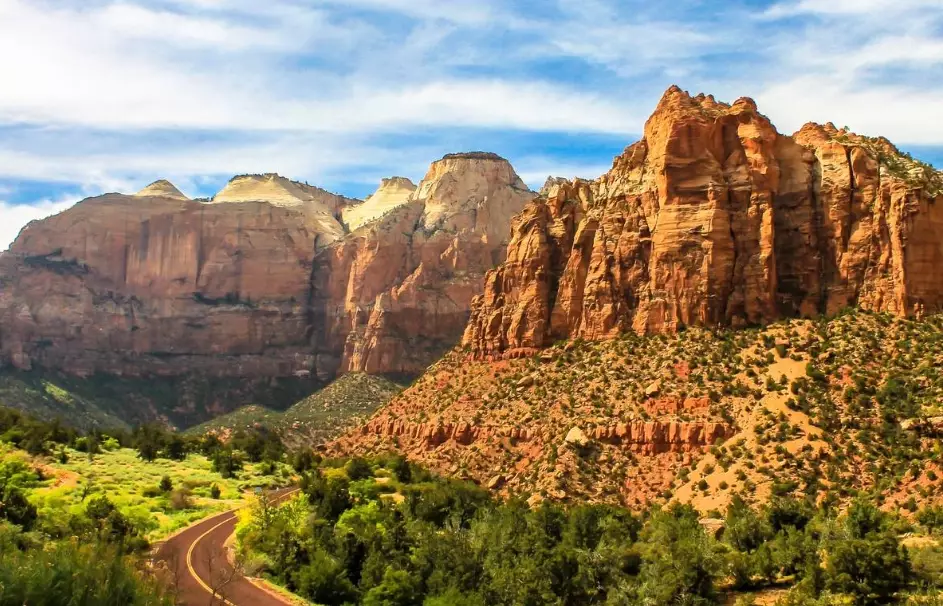
What Nobody Tells You About Booking National Parks Tours
The fine print matters. Here are the behind-the-scenes details that can make or break your trip, stuff that doesn't always make it to the sales page.
Group Size is a Big Deal
A "small group" tour can mean 16 people or 6. There's a world of difference. With 16, you're a small bus. With 6, you're a large van. The van can go places the bus can't, park more easily, and feels more like traveling with friends. Always confirm the maximum group size, not just the "average." I'd rather pay more for a guaranteed 12-person max than get a discount on a tour that could fill a 40-seat coach.
Guide Qualifications: More Than Just a Driver
Is your guide a certified naturalist, a historian, a former park ranger, or just a contracted driver who memorized a script? The best national parks tours employ guides with deep, authentic knowledge. They're storytellers. They can identify bird calls, explain glacial formations, and discuss conservation challenges. Don't be shy to ask about guide credentials when you're researching. A passionate guide elevates the entire experience from a sightseeing trip to an educational journey.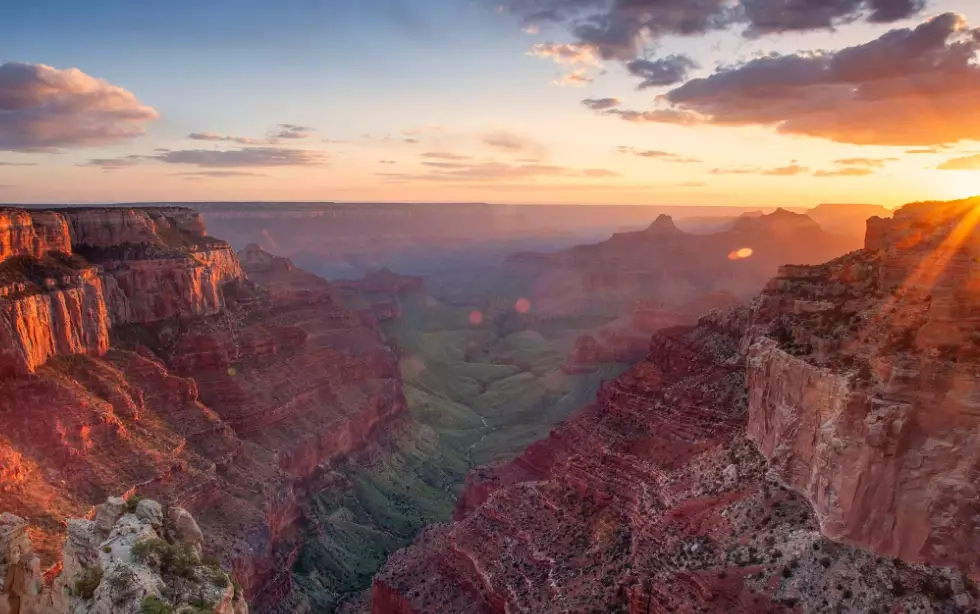
The Accommodation Game
"Lodging included" is vague. Is it a chain motel in a gateway town, or historic lodge inside the park? Staying inside the park is a game-changer. You can experience the dawn and dusk hours when the light is magical and the animals are active, without fighting traffic at the gates. For example, staying at the lodges inside Grand Canyon National Park means you can watch the sunset over the rim and simply walk back to your room. Tours that secure in-park lodging are often more expensive and book up faster, but they offer a significantly richer experience.
Trust me, waking up in Yosemite Valley beats a 90-minute drive from Oakhurst any day.
Packing for Your National Parks Tour: The Non-Obvious Essentials
You know you need hiking boots and a water bottle. But here's the stuff you might overlook until you desperately need it.
- Layers, Not Just a Jacket: Mountain weather is fickle. A merino wool base layer, a fleece mid-layer, and a waterproof shell will serve you better than one bulky coat. I've been in Bryce Canyon in July where it was 85°F at noon and 45°F by dinner.
- Power Banks & Old-School Maps: Cell service in national parks is notoriously spotty or non-existent. Your phone's GPS will fail. Download offline maps (AllTrails, Google Maps) before you go. And bring a physical park map—the free ones from the visitor center are excellent.
- Headlamp: Not just for camping. Useful for early morning starts to catch sunrise, or if a hike takes longer than expected and you finish at dusk.
- Comfort Items for the Ride: If your national parks tour involves long drives between parks (e.g., from Moab to Grand Canyon), a neck pillow, eye mask, and good playlist or audiobooks are sanity-savers.
- Reusable Everything: Many parks are reducing plastic. A reusable water bottle (hydration bladder is best for hiking), coffee mug, and even utensils are eco-friendly and often appreciated.
Navigating the New Normal: Permits, Crowds, and Sustainability
National parks have changed in the last decade. The love is overwhelming, and to protect the places we love, new systems are in place. Your tour should handle this, but you should understand it.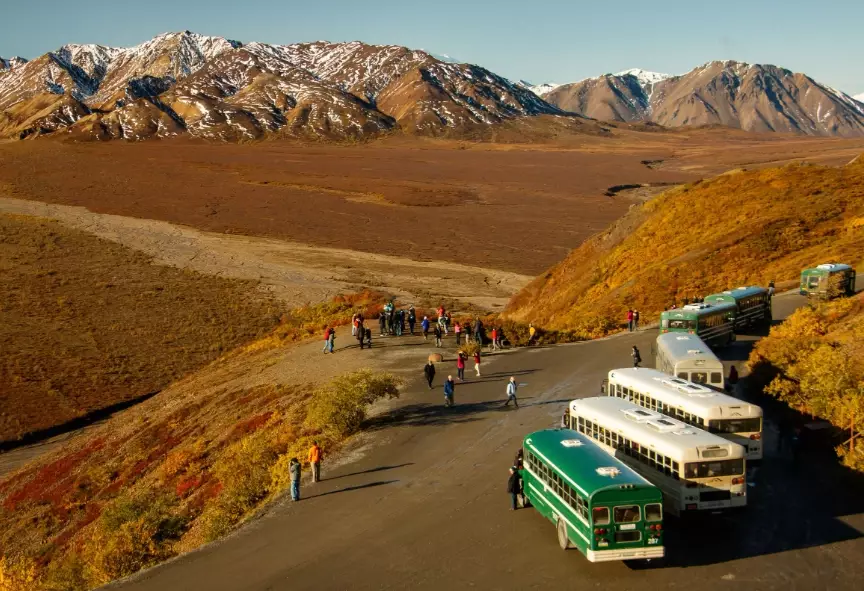
The Rise of the Timed Entry Permit
This is huge. Parks like Rocky Mountain, Arches, Glacier, and Yosemite now require timed entry permits or vehicle reservations during peak seasons to manage congestion. This isn't just a park entrance fee; it's a separate, often competitive, reservation for a specific arrival window. A major advantage of booking a guided national parks tour is that the operator should secure these permits for the group as part of the package. If you're on a self-drive tour, this is 100% your responsibility. Failure to get one means you cannot enter the park during restricted hours. Check the NPS Reservations page for the latest requirements.
Being a Responsible Visitor
Tours have a responsibility, and so do you. The "leave no trace" principles aren't optional suggestions anymore; they're essential for preservation.
- Stay on Designated Trails: That shortcut causes erosion and damages fragile ecosystems.
- Give Wildlife Space: Use the zoom on your camera, not your feet. Every year, tourists get hurt (and animals get euthanized) because someone wanted a selfie with a bison. It's not worth it.
- Pack Out All Trash: Yes, even biodegradable items like apple cores. They alter animal diets and behavior.
I look for tour operators who actively promote these principles, maybe even partner with park conservation nonprofits. It shows they care about the long-term health of the parks, not just extracting profit from them.
Your National Parks Tours Questions Answered
Here are the specific questions I get asked most often, the ones that keep people up at night when planning.
Are national parks tours worth the money compared to planning it myself?It depends entirely on your comfort zone, time, and trip complexity. For a simple weekend trip to one park, DIY is easy and cheaper. For a sprawling two-week, multi-park adventure involving flights, multiple rental cars, complex lodging, and hard-to-get permits? A tour can actually save you money through group rates and save you hundreds of hours of planning stress. The value is in the logistics, expertise, and peace of mind.
What's the best national park for a first-time tour?For a classic, all-around experience, it's hard to beat a tour focused on Yellowstone and Grand Teton. You get geothermal wonders, massive lakes, mountain vistas, and arguably the best wildlife viewing in the lower 48. The infrastructure for tours is well-developed. For something more focused on iconic landscapes and hiking, a Utah parks tour (Zion, Bryce, Arches) is spectacular. If you want dramatic mountain scenery with great trails and easier access, consider Rocky Mountain National Park.
How far in advance should I book a national parks tour?For peak season (June-August), book at least 6-9 months in advance, especially for popular operators or small-group tours. The best guides and itineraries sell out. For shoulder seasons, 4-6 months is safer. Last-minute deals do exist, but you'll have very limited choices and likely won't get the specific dates or tour type you want.
Can I do a national parks tour if I'm not an experienced hiker?Absolutely. Most general interest tours are designed for average fitness levels and offer a mix of activities. There will usually be easier, paved walks (like the Rim Trail at Grand Canyon or many boardwalks in Yellowstone) alongside optional, more strenuous hikes. Be upfront about your abilities when booking. A good operator will match you with a suitable tour or advise you on the physical demands.
Making the Final Decision and Booking Smart
You've done the research. You've narrowed it down. Now, how do you pull the trigger confidently?
First, read the reviews, but read them critically. Look for detailed reviews on third-party sites (Tripadvisor, TourRadar) that mention specific guides, itinerary execution, and how problems were handled. A company that gracefully handles a road closure or a weather delay is worth its weight in gold.
Second, understand what's NOT included. Flights to the starting city? Alcoholic drinks? Guide gratuities (typically $15-$25 per person, per day)? Park entrance fees (sometimes included, sometimes not)? These add-ons can increase the final cost by 20% or more.
Finally, consider travel insurance. Not the generic kind, but a policy that covers trip interruption for any reason. If you get altitude sickness in Rocky Mountain NP and can't continue, a good policy can reimburse you for the missed portion. Given the investment in these trips, it's sensible protection.
Planning and booking national parks tours can feel daunting, but it's part of the adventure. The effort you put in now directly translates to the memories you'll bring home. Whether you choose a guided journey that lets you soak it all in or craft your own self-drive epic, you're about to experience some of the most incredible places on Earth.
Just remember to look up from your phone, breathe the pine-scented air, and let the scale of it all sink in. That's the real magic no tour operator can package, but a great one will certainly set the stage for it.