Let's be honest. Planning any trip can be a headache. Throw in the need to figure out accessibility, and it can feel like you're trying to solve a puzzle with half the pieces missing. I remember helping a family member plan their first trip to a major park after they started using a mobility scooter. We spent hours on the phone, digging through outdated PDFs and forum posts from 2012. It was frustrating.
That experience is exactly why this guide exists. It's not about lofty ideals (though everyone deserves to experience a geyser or a giant sequoia). It's about the nuts and bolts. Where do you park? Can you actually get to the viewpoint? What's the deal with that pass everyone talks about?
We're going to cut through the bureaucracy and vague language. This is a practical, step-by-step look at national parks disabilities access, built for real people planning real trips.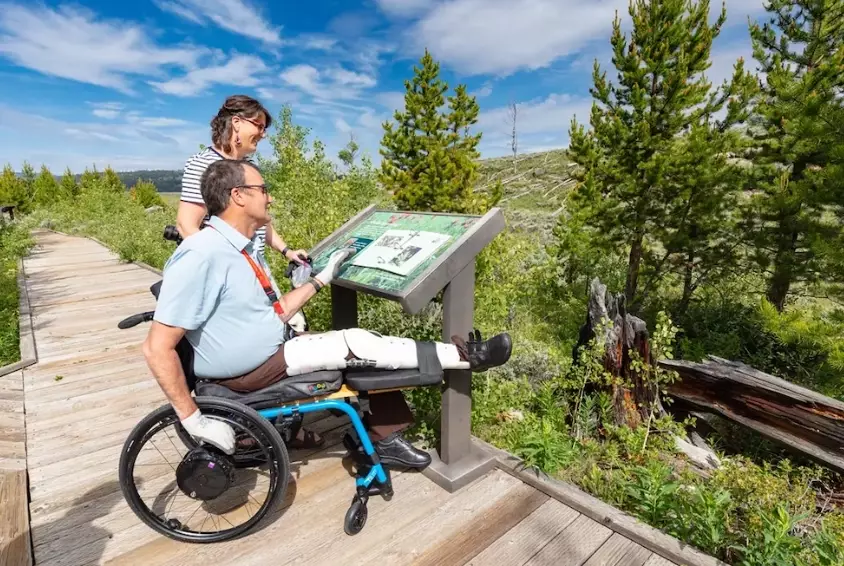
The Core Idea: Accessibility in national parks isn't a one-size-fits-all checklist. It's a spectrum, ranging from fully paved trails to rugged backcountry that requires adaptive equipment. Your perfect trip depends on knowing exactly what each park offers—and, just as importantly, what it doesn't.
The Golden Ticket: Understanding the America the Beautiful Access Pass
This is usually the first thing people ask about. The Access Pass is a lifetime pass for U.S. citizens or permanent residents with permanent disabilities. It's a fantastic program, but let's clear up what it actually does and doesn't do.
It gets you and your carload into federal recreation sites—including all national parks—for free. That's the big one. It also gives you 50% off camping at federal sites and some discounts on guided tours. You can get it in person at a federal recreation site that charges an entrance fee (like a national park visitor center) or by mail through the USGS Online Store.
Now, the personal opinion part. The application process is straightforward, but proving "permanent disability" can feel invasive. The rules state you need documentation from a licensed medical professional or a recognized federal agency (like the VA). It works, but it's not the most dignified process. Still, the savings are undeniable if you visit multiple parks.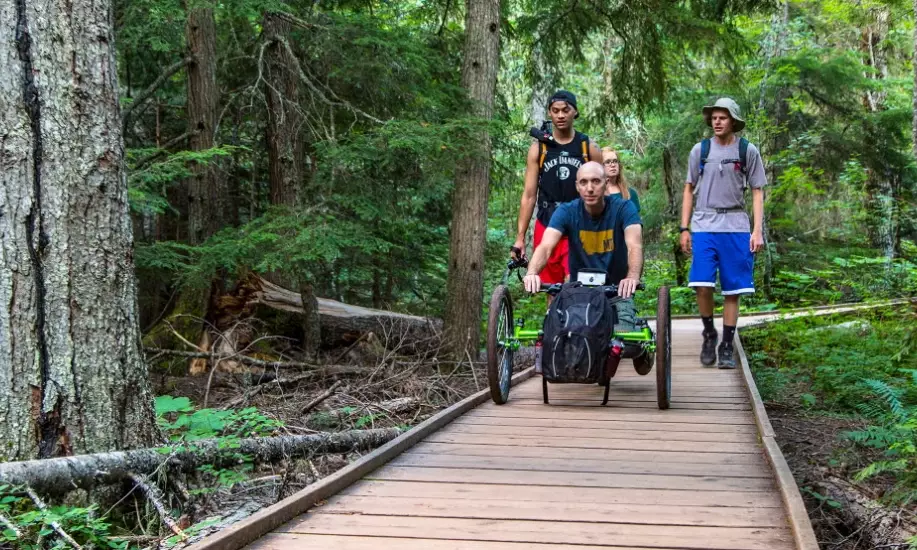
What it won't do: It doesn't grant you special parking privileges or guarantee accessible facilities. You still need to follow the park's standard rules for accessible parking placards. And it doesn't cover state parks or private concessions within a park (like a specific museum or tram).
Pro Tip: Don't wait until you're at the park gate! If you qualify, get the Access Pass ahead of time. The in-person line at popular parks in summer can be long, and the mail-in option takes a few weeks. Having it ready removes one major piece of trip-day stress.
Beyond the Pass: What Accessibility Really Looks Like On the Ground
This is where the rubber meets the road—literally. A park saying it's "accessible" can mean a lot of things. We need to get specific.
The Good, The Okay, and The "You Might Want to Call Ahead"
Some parks are legends in the national parks disabilities access community. They've put in serious work.
Yosemite National Park, for instance, has a detailed accessibility guide. They offer free shuttle buses with lifts and kneelers, accessible lodging options (though book a year in advance, seriously), and even some all-terrain wheelchairs available for loan at the visitor center. Their iconic Lower Yosemite Fall trail is fully paved and fantastic.
Grand Canyon National Park (South Rim) is another standout. The main Rim Trail is largely accessible for miles, offering those breathtaking views without barriers. Their park-produced accessibility guide is one of the best I've seen, candid about steep sections and rough pavement.
Then there are parks where access is more... selective. Great Smoky Mountains National Park is free to enter, so the Access Pass benefit is different. They have several accessible trails and historic buildings, but the terrain is mountainous. Their website is honest about trail gradients and surfaces, which I appreciate.
And then there are the parks where nature itself is the biggest barrier. Think Yellowstone. It's huge, old, and the thermal areas have boardwalks that can be narrow, crowded, and sometimes have steps. They have accessible features, but you must plan strategically. Relying on the National Park Service's central accessibility page is a good start, but you must dig into each park's own website.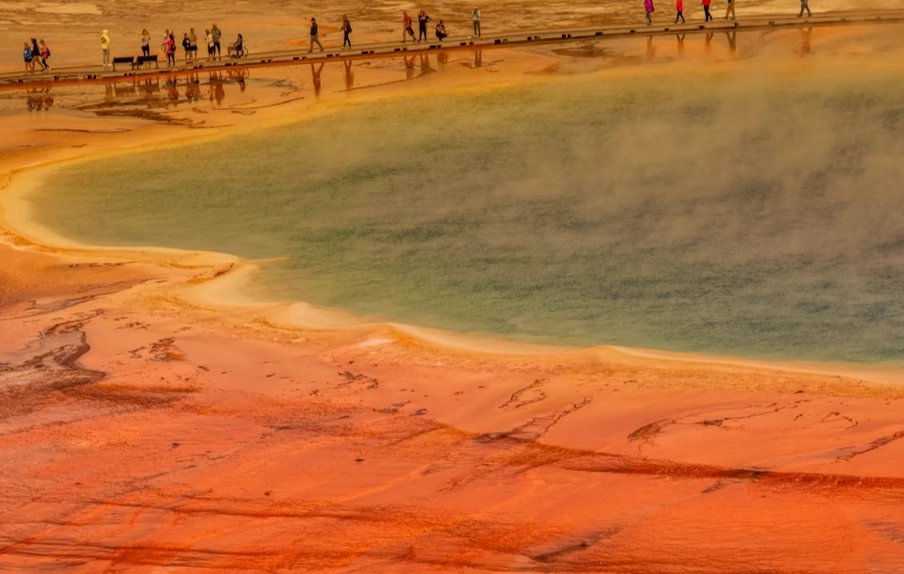
A Reality Check: "Accessible" on a park map doesn't always mean "easy." It might mean a paved trail with a 10% grade, which is fine for a power chair but exhausting for a manual wheelchair user or someone with limited stamina. Always look for the details on length and slope.
Breaking Down the Facilities (A Quick-Reference Table)
Here’s a blunt look at what you might find, and how common it is. This is based on aggregating info from dozens of park sites and visitor reports.
| Facility / Service | Commonality in Major Parks | What to Look For / Ask | My Notes |
|---|---|---|---|
| Accessible Parking | Very Common at main areas. | Spots fill fast (by 10 AM in summer). Look for "van accessible" if you need extra space for a ramp. | Always have your placard visible. Rangers do check. |
| Accessible Restrooms | Common at visitor centers, campgrounds, major trailheads. | Check if they are "single stall" or larger family-style. Some older pit toilets have an accessible door but impossible interior. | The newer the facility, the better the bathroom tends to be. |
| Paved or Hard-Surfaced Trails | Common, but often short (under 1 mile). | Park websites should list grade and cross-slope. A 5% grade is manageable for many; 8%+ is steep. | Don't just trust the "accessible" icon. Read the description. |
| All-Terrain Wheelchair Loan | Rare, but growing. | Parks like Yellowstone (Old Faithful), Yosemite, and Rocky Mountain offer these. Often first-come, first-served. | Call the specific visitor center to confirm availability, especially post-2020. Policies changed. |
| Captioning/ASL for Films & Talks | Common for films (via devices). Rare for live ASL. | Ask at the visitor center desk for assisted listening devices or film scripts. | Requesting an ASL interpreter for a ranger talk usually requires 2+ weeks notice. |
| Accessible Lodging (In-Park) | Limited. Books up extremely fast. | Look for rooms labeled "ADA." Descriptions should specify roll-in showers vs. tubs. | Book the minute reservations open (often 12 months ahead). Be prepared to call, as online systems can be vague. |
See what I mean? It's a mixed bag. The table shows why research is non-negotiable.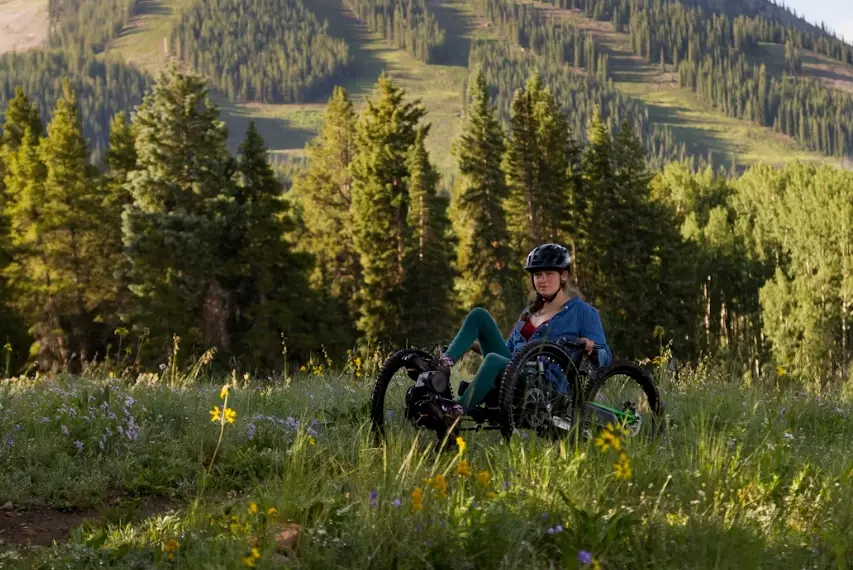
Your Action Plan: How to Plan an Actually Accessible Trip
Okay, you've got the pass info and you know facilities vary. Let's build a plan. This is the checklist I wish I'd had years ago.
Phase 1: Research (Do This Before Anything Else)
- Go Straight to the Source: Don't rely on third-party blogs (even this one!). Your first stop must be the official NPS page for your chosen park. Search "[Park Name] accessibility." Look for a dedicated PDF guide.
- The Power of the Phone: Bookmark the phone number for the park's main visitor center. Call during off-peak hours (a Tuesday morning is better than a Friday afternoon). Ask specific questions: "Is the accessible shuttle between X and Y currently operating?" "What is the surface of the trail to Z viewpoint?" Park rangers are your best resource.
- Leverage Social Media... Carefully: Facebook groups like "Accessible Travel" or "Disabled Hikers" can have gold mines of recent, firsthand experiences. Search the group for the park name. People will tell you the unvarnished truth about a wobbly boardwalk or an amazing ranger who went the extra mile.
Phase 2: Booking & Logistics
- Lodging: If staying in-park, specify your accessibility needs when booking. Use precise language: "I require a room with a roll-in shower and grab bars by the toilet." Get a confirmation email that mentions these specifics.
- Transportation: Renting an accessible van? Book it even earlier than your lodging. They are scarce. If driving your own vehicle, know your clearance and length if considering any unpaved roads.
- Packing: Beyond the usual, consider a portable ramp (for unexpected steps), a tire repair kit for chairs/scooters, and a battery booster if you rely on a power chair. Cell service is often non-existent, so download all park maps, accessibility guides, and reservation confirmations to your phone.
It sounds like a lot. It is. But doing it once makes the next trip easier.
Phase 3: During Your Visit
Be flexible. Weather can close a trail. A shuttle might be down for repair. Have a Plan B. Talk to the rangers—they often know about quiet, accessible spots that aren't on the main map.
And advocate politely but firmly. If an accessible parking spot is blocked, or a promised feature is broken, report it to a ranger. Feedback is how parks improve their national parks disabilities access offerings.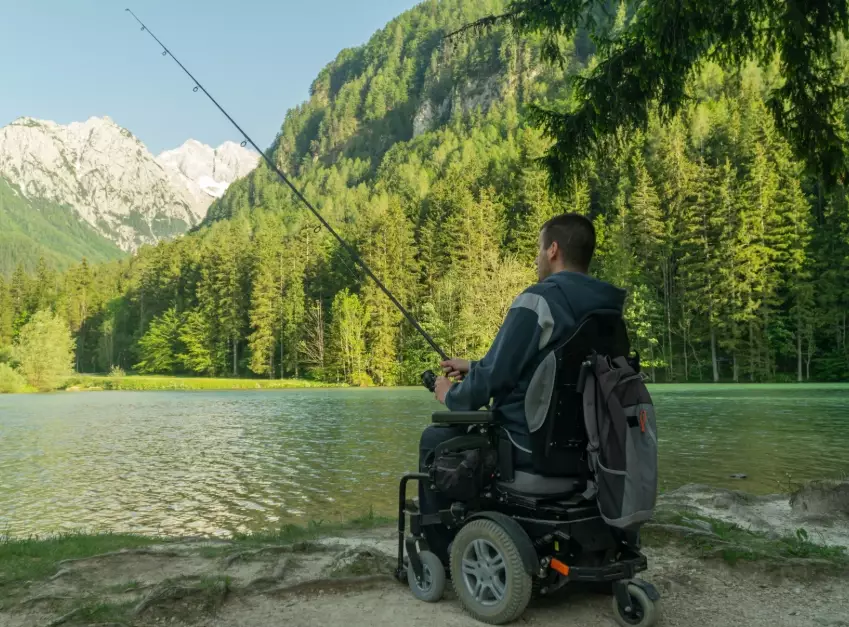
Answers to the Questions You're Actually Asking (FAQ)
Q: Is the Access Pass the same as a disability license plate or placard?
A: No. They are completely separate programs. The Access Pass is for federal recreation sites. Your state-issued disability placard/plate is for parking. You need both. The Access Pass does not give you parking privileges.
Q: My disability is invisible (chronic pain, PTSD, etc.). Do I qualify for the pass?
A: The criteria is "a permanent disability that limits one or more major life activities." This can include many invisible disabilities. The documentation from your doctor should speak to the permanent and limiting nature of your condition. The decision is up to the issuing agent, but the definition is broad.
Q: Are service animals allowed on all trails and in all buildings?
A: Generally, yes, under the ADA. However, there are exceptions where service animals can be prohibited if their presence poses a direct threat to wildlife or the environment (e.g., in delicate seabird nesting areas). It's very rare, but check the specific park's regulations. Emotional support animals are not covered by the same ADA provisions as trained service animals.
Q: What's the best time of year to visit for easier access?
A: Shoulder seasons (late spring/early fall) are usually best. Fewer crowds mean less competition for parking and more space on trails and boardwalks. Summer heat can be exhausting for many. Winter brings snow, which often renders paved trails unusable for wheeled mobility devices unless plowed (which some parks do on key routes).
Q: Where can I find truly detailed, trail-by-trail accessibility info?
A> Beyond the NPS site, two fantastic resources are:
1. The Access Board's Guide to Outdoor Developed Areas – This helps you understand the standards, so you know what to look for.
2. Mobility International USA – They have a broader focus on accessible travel, including outdoor adventures.
The Big Picture: It's Getting Better, But Your Voice Matters
Look, the National Park Service is trying. They have an entire office dedicated to accessibility. New facilities are built to modern standards. But with over 400 sites, many with historic structures and fragile ecosystems, change is slow and expensive.
The most powerful tool for improving national parks disabilities access is you, the visitor.
When you have a great, accessible experience, tell the park superintendent (you can find an email on the park website). When you encounter a barrier—a broken lift, a misleading trail description, a poorly designed bathroom—report it. Be specific. Park managers use this feedback to prioritize repairs and justify funding requests.
Planning an accessible national park trip requires more homework than a typical vacation. There's no sugarcoating that. But the payoff—standing in front of a mountain range, smelling the pine trees, feeling the spray of a waterfall—is worth the effort. It's about claiming your right to experience these places that belong to all of us.
Start with one park. Do the research. Make the calls. Go enjoy the view. You've got this.