You know that feeling, right? You're scrolling through photos online, and you see this perfect, glassy lake surrounded by towering mountains in a national park. The water is this impossible shade of blue or green. You think, "I need to go there." But then the questions start. Which park? Which lake? Is it crowded? Can you swim? How do you even get there?
I've been there. I've spent hours, honestly probably days, piecing together trip details from a dozen different blogs and park websites. It's a hassle. So I decided to put everything I've learned from years of visiting these places into one spot. This isn't just a list of pretty lakes. It's a practical guide to help you actually plan your trip, avoid the crowds (as much as possible, anyway), and have an amazing time without stressing.
Why are national park lakes so special? It's not just the water. It's the whole package—the pristine setting, the protected shoreline free from development, the wildlife, and the sense of discovery. A lake in Glacier National Park feels worlds away from one in the Everglades, and that's the magic.
How to Pick the Perfect National Park Lake for You
This is the first, and maybe most important, step. Not all park lakes are created equal, and what's perfect for a photographer might be boring for a kayaker.
You really need to ask yourself what you want from the lake, not just what you want to see.
For the iconic, postcard view: You're after those famous vistas. Think of places where the lake is the star, with a classic, unobstructed foreground leading to dramatic peaks. These spots are often the most accessible and, let's be honest, the most crowded. But they're famous for a reason.
For solitude and a real adventure: If you're willing to work for it, the rewards are huge. This means looking at lakes that require a significant hike, maybe even a backpacking trip. The further you go, the thinner the crowds get. I once hiked 8 miles to a lake in the North Cascades and had the whole place to myself for an afternoon. It was worth every sore muscle.
For getting out on the water: If your dream is paddling or fishing, you need to check the rules. Some national parks lakes have boat rentals (like Jenny Lake in Grand Teton). Others are strictly non-motorized, perfect for kayaks and canoes. Some don't allow any boats at all to protect the ecosystem. Always, always check the National Park Service (NPS) website for the specific park before you load up your gear.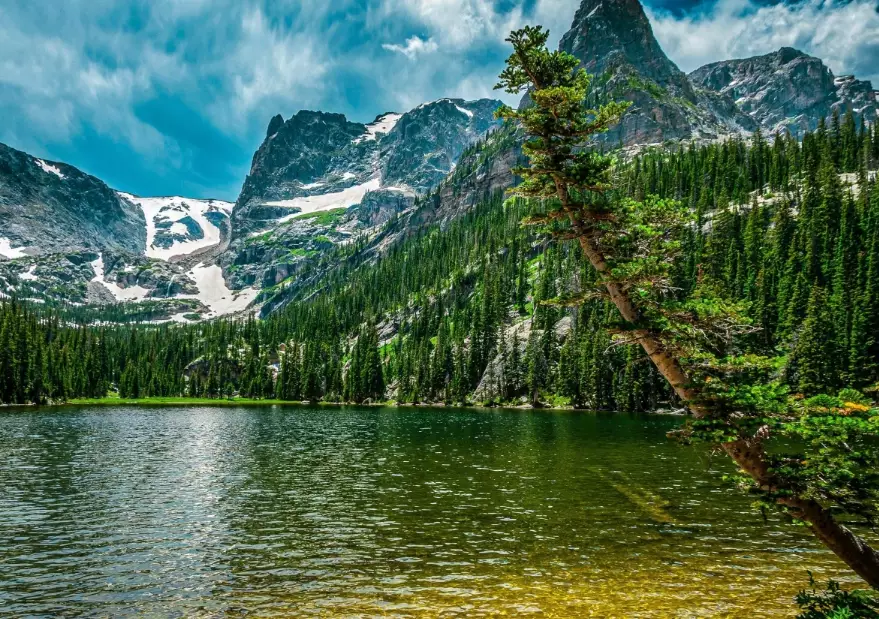
Here's a quick way to break it down based on what you feel like doing:
Quick Decision Guide: Love an easy walk to a killer view? Stick to lakes near park roads or short trails. Craving peace and quiet? Research backcountry permits and longer hikes. Want to paddle? Filter your search for parks that allow private non-motorized boats or offer rentals.
The Absolute Top Tier: Must-See National Parks Lakes
Okay, let's talk about some specific spots. These are the lakes that consistently blow people's minds. I'm including a mix of the famous ones and a few personal favorites that might not be on every single list.
| Lake & Park | The Vibe & Key Experience | Best For | One Thing to Know |
|---|---|---|---|
| Crater Lake, Crater Lake NP | Sheer awe. The deepest, clearest lake in the US, in a massive volcanic caldera. The blue is unreal. | Iconic views, driving the rim, photography. Swimming is only at one very steep, strenuous trail. | It's often shrouded in clouds or smoke. Check the Crater Lake NPS webcams before you make the drive up. |
| Jenny Lake, Grand Teton NP | Classic mountain beauty. The Tetons reflect perfectly in its waters. Accessible but stunning. | Family trips, a scenic boat shuttle, moderate hikes to Hidden Falls. | The parking lot at the trailhead is a nightmare by 9 AM. Take the park shuttle or get there at sunrise. |
| Lake McDonald, Glacier NP | Vast, cold, and dotted with colorful rocks. The view from Apgar Village is the classic Going-to-the-Sun Road opener. | Kayaking, sunset views, easy shoreline strolls. The water is very cold. | This is one of the best national parks lakes for finding those famous colorful shoreline stones. |
| Hanging Lake, White River NF (near Glenwood Springs) | A fragile, travertine gem suspended on a cliffside. It feels like a fairy tale. | A unique, challenging (but short) hike to a one-of-a-kind geological wonder. | You must have a pre-purchased permit to hike. No exceptions. Check the official site. |
| Emerald Lake, Rocky Mountain NP | A high-alpine jewel. The hike passes two other lovely lakes (Nymph, Dream) before reaching this green beauty under Hallett Peak. | A moderately easy hike with huge rewards, wildflowers in July. | Incredibly popular. Start early. Like, "parking lot full by 5:30 AM" early in summer. No joke. |
See, some of these national park lakes are about the drive-up view, others are about the journey. Hanging Lake, for instance, is technically in a National Forest, but it's the kind of destination people lump into their national parks lakes quest, and it's too unique to leave out.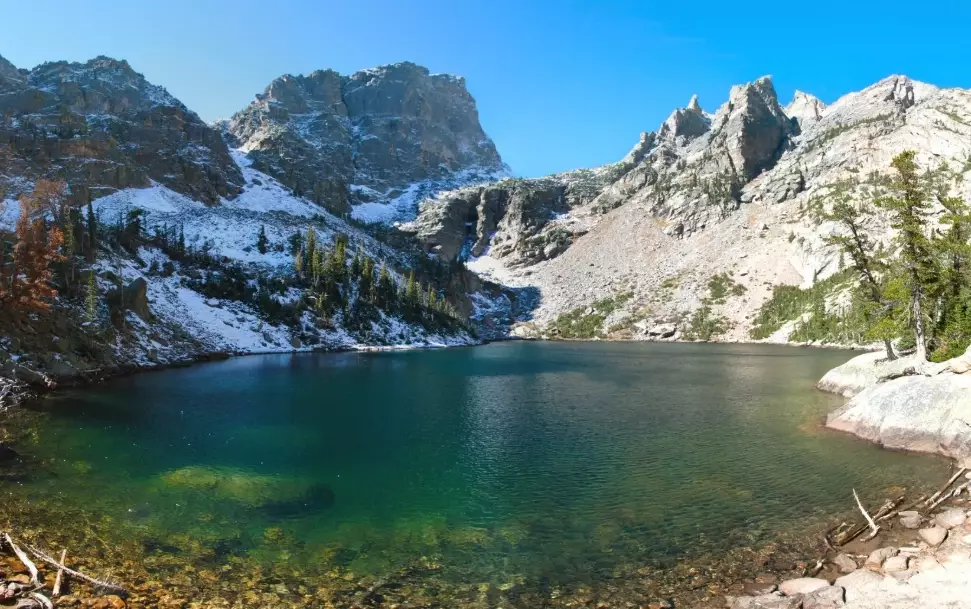
A Few Under-the-Radar Gems
Everyone goes to the spots above. If you want to feel like you've found a secret, consider these.
Bowman Lake, Glacier National Park: The road to get here is long, narrow, and dusty. But oh man. The view of the lake with the jagged peaks of the Livingston Range behind it is, in my opinion, more raw and powerful than Lake McDonald. There's a primitive campground right on the shore. It's quiet.
Tenaya Lake, Yosemite National Park: Yosemite has waterfalls, not lakes, right? Wrong. Tenaya Lake, right off Tioga Road, is a stunner. Granite domes surround it, and you can pull over, have a picnic, and even take a VERY brisk swim. It's often overlooked by people rushing to the valley.
The point is, don't just stop at the first famous lake you see on the map. Sometimes the second or third one down the list is where the magic happens.
Planning Your Trip: The Not-So-Fun But Essential Stuff
This is where most guides gloss over the details. Let's get real.
Timing is Everything: Visiting national parks lakes in July is a completely different experience from visiting in September. Summer means people, full parking lots, and hot temperatures at lower elevations. Late spring might mean snow blocking trails to high lakes. Fall can be perfect—cooler weather, fewer bugs, autumn colors—but some services (boat rentals, shuttles) may be closed. Always check the National Park Service's park pages for seasonal alerts.
The Permits Puzzle: This is a big one, and it's changing fast. More and more parks require permits just to enter certain areas or to park your car. This isn't just for backpacking anymore. For popular lake trails (think: Moraine Lake access in Canada, or the mentioned Hanging Lake), a day-use permit is mandatory. Book these months in advance. They sell out in minutes.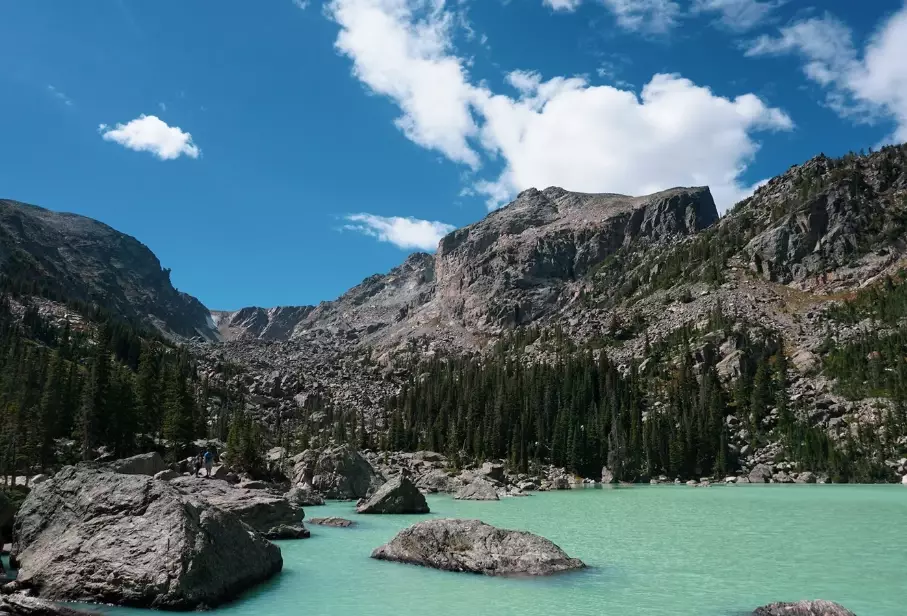
What to Pack Beyond the Basics: Sure, bring water and snacks. But for lakes specifically?
- Water shoes: Rocky shores are painful on bare feet.
- A quick-dry towel: For that impulsive (and cold) swim.
- Polarized sunglasses: They cut the glare off the water so you can actually see the amazing colors and maybe even fish.
- Bug spray: Mosquitoes love lake shores, especially in the Rockies in June/July. It can be brutal.
- A reliable map: Cell service is a fantasy at most national parks lakes. Download offline maps from the NPS app or carry a paper one.
Safety First, Always: Mountain lakes are cold, even in summer. Hypothermia can set in quickly if you fall in. Don't jump off rocks into water you don't know the depth of. Be bear aware—store food properly. And for heaven's sake, don't stack rocks (cairns). It disturbs aquatic habitats and is just plain frowned upon.
How to Be a Good Guest: Protecting These Lakes
This part matters. A lot. These places are fragile. The trend of "leave no trace" has become mainstream, but at national parks lakes, it's critical.
Stay on the trail, even when it's muddy. I know, it's tempting to walk around a puddle. But that one step off the path widens it, causes erosion, and damages the shoreline plants that hold everything together. Just walk through the mud. Your boots will dry.
Keep your distance from wildlife. That moose wading in the lake is not a photo op. It's a large, potentially dangerous animal that is trying to eat and cool off. Use your zoom lens.
Pack out everything. Everything. This includes fruit peels, nut shells, and used toilet paper (carry a zip-top bag for this). Trash alters the ecosystem and attracts animals.
Never, ever introduce anything to the water. This means no soap (even biodegradable), no sunscreen (unless it's specifically labeled as "reef safe" and even then, apply it well before you swim), and no cleaning dishes in the lake. These alpine and high-latitude ecosystems have very low nutrient levels. Adding anything, even "natural" stuff, can cause algae blooms and kill the native life.
It sounds strict, but it's what keeps these national parks lakes looking the way they do. If everyone takes a rock or washes their hands with soap, the place is ruined.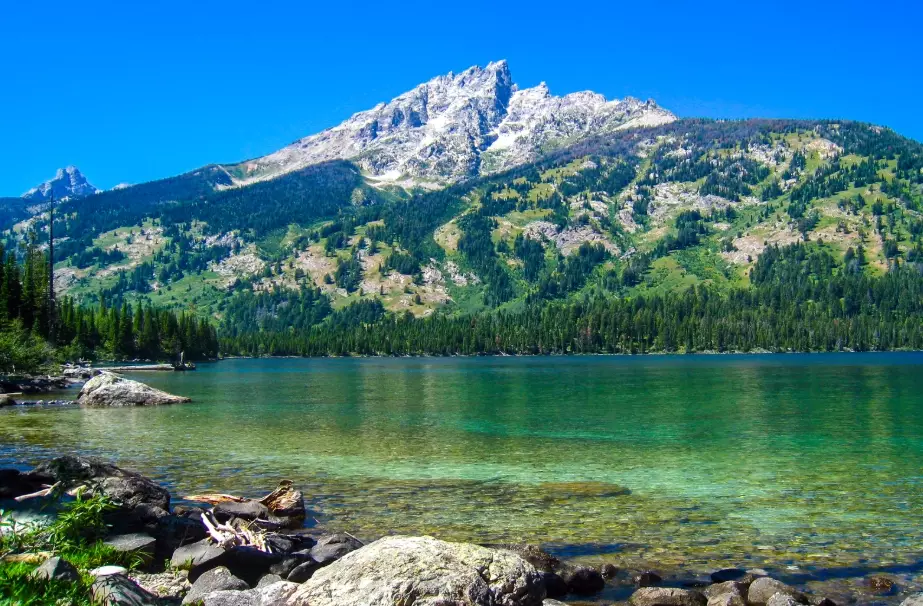
Your Questions, Answered (The Stuff You Actually Google)
Here are the specific, sometimes silly, questions I had when I started out.
Q: Can you swim in national park lakes?
A: Usually, yes, unless there's a specific safety closure (like toxic algae, which does happen). But you have to ask: Should you? The water is often shockingly cold, even in August. There are rarely lifeguards. Currents can be strong in lakes fed by glaciers or rivers. If you do swim, do it safely, know your limits, and never swim alone.
Q: Are there fish in these lakes?
A: Often, but not always naturally. Many mountain lakes were historically fishless. Parks sometimes stock them for recreation, which is a controversial practice as it can harm native amphibians and insects. Always check the park's fishing regulations. You'll almost always need a state fishing license, even within the park.
Q: What's the deal with the different colors?
A: It's science, and it's cool. Turquoise/ milky blue (like in Banff) comes from "rock flour"—fine glacial silt suspended in the water that reflects blue/green light. Deep, clear blue (Crater Lake) is from pure water absorbing all other colors of the spectrum. Green hues can come from algae or minerals. Each color tells a story about the lake's source.
Q: I'm not a big hiker. Are there any amazing lakes I can just drive to?
A: Absolutely! Crater Lake's rim drive offers dozens of pull-outs with insane views. Jackson Lake in Grand Teton has major viewpoints right off the road. Lake Crescent in Olympic National Park is right on Highway 101. You don't need to hike 10 miles to be stunned.
Q: Are there cabins or lodges on any of these lakes?
A: A few historic ones, yes, and they book up a year in advance. Think of Lake Quinault Lodge in Olympic, or the Many Glacier Hotel on Swiftcurrent Lake in Glacier. These are experiences in themselves, but plan way, way ahead.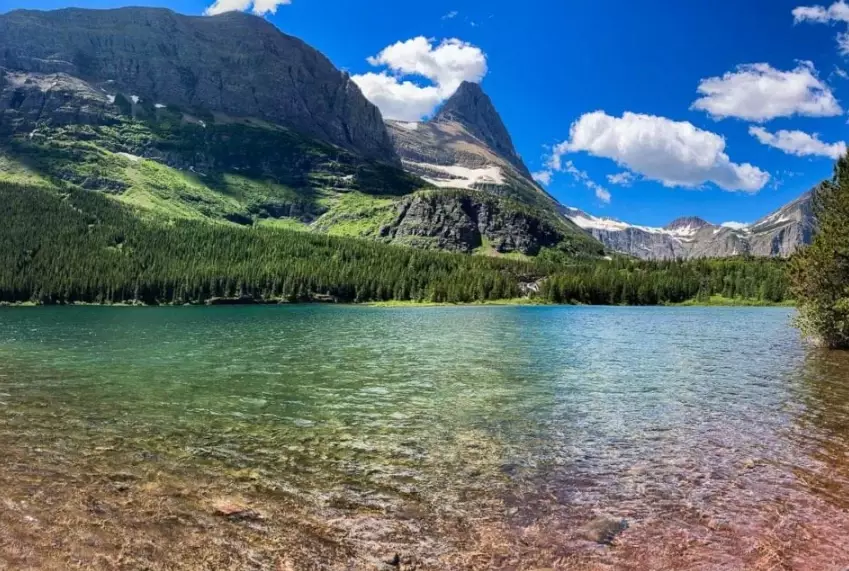
Putting It All Together: Making Your Lake Trip a Success
So, you've picked your lake, you've got your permits, you've packed your bag. Now what? A few final thoughts from hard-won experience.
Manage your expectations. That perfect, glassy, crowd-free photo was likely taken at 5:30 AM on a Tuesday in October. Your visit at 2 PM on a Saturday in July will be different. There will be people. There might be noise. The light might be harsh. That's okay. It's still beautiful. Find your own quiet corner of the shore.
Spend more than 15 minutes. Everyone gets out, snaps the photo, and leaves. Sit down. Watch the light change. See if any birds land on the water. Listen. That's when you really connect with a place.
Finally, have a backup plan. The trail to your dream lake might be closed due to bear activity or a storm-damaged bridge. Have a second-choice lake or a different activity in mind. Flexibility is the key to happiness in the parks.
The search for beautiful national parks lakes is a fantastic reason to explore these protected places. It gets you out of the car, onto a trail, and in touch with a landscape that feels ancient and powerful. With a little planning and a lot of respect, you'll find your own perfect spot by the water. Just remember to leave it exactly as you found it, so the next person can have that same moment of wonder.
Now go look at a map. Your lake is out there waiting.