Let's be honest. You can drive through a national park, snap some photos at the overlooks, and call it a day. You'll see the sights, sure. But will you really understand what you're looking at? Will you know why the rocks are that impossible shade of red, or what animal just scurried into the bushes, or the story behind that crumbling stone wall? That's where the magic of national parks ranger programs comes in.
I used to be that drive-by visitor. Then, on a whim in Yellowstone, I joined a ranger talk about the park's famous wolves. Standing there in the twilight, listening to a ranger describe the pack's dynamics with a passion you just can't fake, I felt the park come alive in a completely new way. It wasn't just a pretty place anymore; it was a living, breathing story. That single ranger-led program changed how I visit parks forever.
So, if you're wondering what these programs are all about, how to find the good ones, or if they're worth your precious vacation time, you're in the right spot. This guide cuts through the clutter and gives you the real, practical info you need to make your next park visit unforgettable.
Why Bother with Ranger-Led Programs? (Spoiler: It's Not Just for Kids)
Maybe you think ranger programs are just for families with young kids. I get it. The image of a crowd of toddlers getting Junior Ranger badges is a common one. But that's only a slice of the pie, and honestly, it's a misconception that causes a lot of adults to miss out.
The value of these programs is immense, no matter your age.
First, you get expert insight you can't Google. Rangers have a wealth of knowledge—geology, ecology, history, wildlife biology—and they know the specific, current details of their park. Is the bear activity high on a certain trail this week? They'll tell you. Did a new wildflower just start blooming? They've seen it. Their stories often include recent events, ongoing research, and anecdotes you won't find in any guidebook.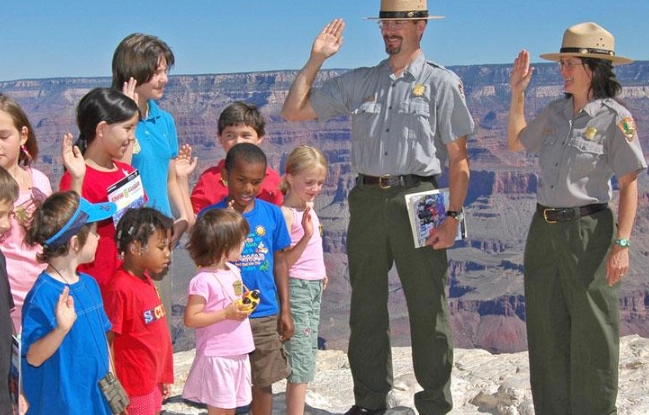
Second, they provide context and connection. Seeing a giant sequoia is awe-inspiring. But standing under one while a ranger explains how it survives wildfires, how old it truly is (hint: it was a sapling during the Roman Empire), and how the entire ecosystem depends on it… that transforms awe into a profound understanding. Ranger programs connect the dots between the scenery and the science, the landscape and its legacy.
Finally, and this is a big one for me, they foster safety and stewardship. A good ranger program doesn't just teach you cool facts; it teaches you how to behave in the park. They'll subtly (or not so subtly) reinforce Leave No Trace principles, explain why you need to stay on the trail to protect fragile soil, or demonstrate how to use bear spray properly. You leave not just as a better-informed visitor, but as a more responsible one.
What Kind of Ranger Programs Can You Actually Find?
The variety is stunning. National parks ranger programs aren't a one-size-fits-all deal. They're as diverse as the parks themselves. Here’s a breakdown of the most common types you'll encounter.
The Classic Ranger Talk
Usually held at an amphitheater, visitor center porch, or a scenic spot. Short (30-45 minutes), focused on a single topic. Perfect for a sunset activity. Topics range from "The Life of a Bison" in Badlands to "Ghosts of the Grand Hotel" in Glacier. Low commitment, high reward.
The Ranger-Led Hike or Walk
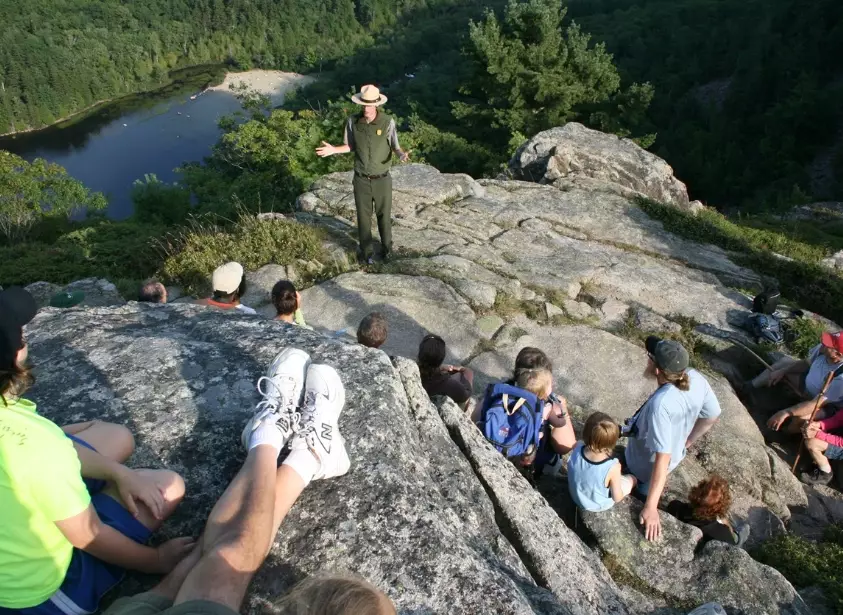
This is where you cover ground. The ranger leads a group on a specific trail, stopping to point out features, tell stories, and answer questions along the way. Pace is usually leisurely. These are fantastic for trails with complex geology or hidden history you might otherwise miss. Always check the difficulty rating—some are easy strolls, others might be moderate hikes.
Junior Ranger Programs
The gateway drug for future conservationists! Kids (and let's be real, eager adults) pick up an activity booklet at the visitor center. By completing age-appropriate activities during their visit—attending a ranger program, drawing animals, answering questions about park rules—they earn a badge or patch. It's brilliantly engaging and gives kids a mission. The official National Park Service Junior Ranger page is a great starting point to understand the concept.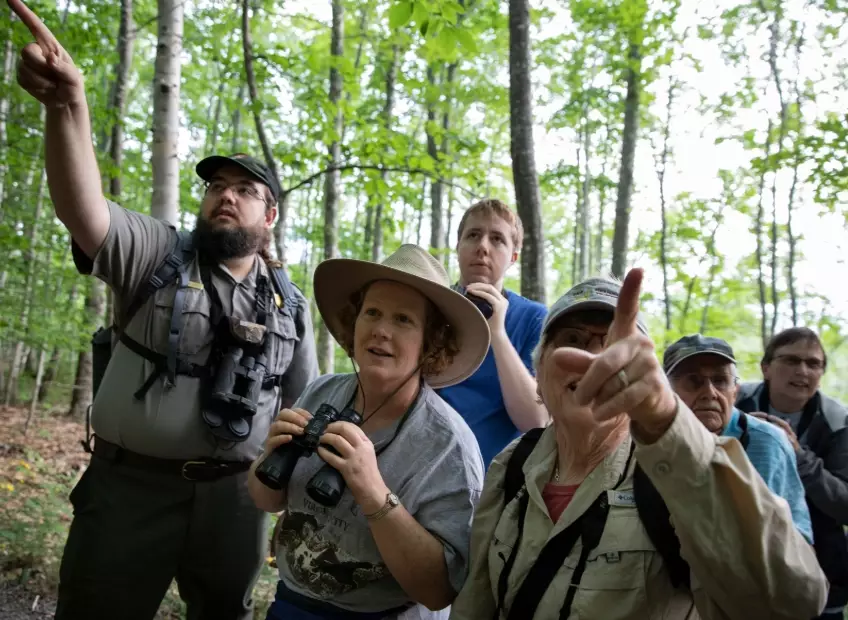
Specialty Programs & Events
This is where parks get creative. Stargazing parties with telescopes in dark-sky parks like Bryce Canyon. Guided snorkeling tours in Dry Tortugas. Living history demonstrations with rangers in period costume at Colonial National Historical Park. "Full Moon Hikes" or "Owl Prowls" for nocturnal adventures. These often require advance planning or have limited space.
To make it easier to choose, here’s a quick look at what each type offers:
| Program Type | Best For | Time Commitment | Physical Demand | Planning Needed |
|---|---|---|---|---|
| Ranger Talk/Campfire Program | Everyone, families, evening activity | 30-60 mins | Low (just sit) | Low (just show up) |
| Ranger-Led Hike | Active visitors, deep-dive learners | 1-4 hours | Low to Moderate | Medium (check schedule, wear gear) |
| Junior Ranger Program | Kids ages 5-13 (and fun adults!) | Flexible (entire visit) | Varies | Low (pick up booklet) |
| Specialty Event (Star Party, History Demo) | Enthusiasts, unique experiences | 1-3 hours | Low to Moderate | High (often need reservations) |
How to Find the BEST Ranger Programs for Your Trip
This is the practical part. You're convinced. Now, how do you actually find these gems? Relying on luck or just showing up at the visitor center is a strategy, but it might mean you miss the most popular programs.
Start early. Like, when you're booking your lodging early.
Step 1: Go Straight to the Source – The Park's Official Website. This is non-negotiable. Every national park has its own .gov site under the nps.gov domain. For example, the main page for Yellowstone is www.nps.gov/yell. Once there, look for tabs or links that say "Things to Do," "Plan Your Visit," or directly, "Ranger Programs." The information here is the gospel—it will have the most accurate, up-to-date schedules, often posted a few weeks to a month in advance.
Step 2: Decipher the Schedule. Park websites aren't always models of modern web design. You might find a downloadable PDF schedule. That's okay! Download it. Look for:
- Program Title & Description: What's it actually about?
- Time & Duration: Obvious, but crucial.
- Location: Which visitor center, trailhead, or amphitheater?
- Notes: The fine print is everything. Does it say "Reservations required"? "Sturdy footwear recommended"? "Limited to 15 participants"? This info will make or break your plan.
Step 3: The Visitor Center is Your Mission Control. Even with all your online research, your first stop in the park should be a visitor center. Schedules change. A ranger might be leading an impromptu program due to interesting animal activity. You can ask the rangers at the desk for their personal recommendations—"What's your favorite program this week?" is a fantastic question. They'll also have the physical copies of the Junior Ranger booklets and can tell you where and when the next badge ceremony might be.
Step 4: Consider the Season and Your Group. Summer has the most extensive schedules for national parks ranger programs. Spring and fall might have fewer offerings. Winter programs can be incredibly special (think snowshoe walks in Yosemite) but are very limited. Be honest about your group's hiking ability before committing to a 3-mile guided hike. And if you have young kids, maybe start with a short talk or the Junior Ranger program before attempting a long walk.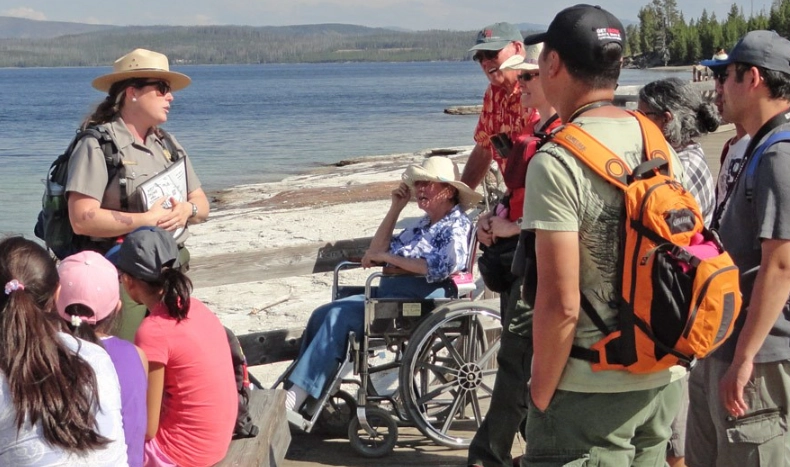
Top National Parks with Can't-Miss Ranger Programs
While you can find great programs at almost any park, some are legendary for their depth and variety. Based on my own travels and chatter from other park regulars, here are a few standouts.
Yellowstone National Park
It's a behemoth, and its ranger programs are too. Beyond the classic Old Faithful geology talks, look for the "Lamar Valley Wildlife Expedition" van tours (fee applies, book early!) that take you into prime wolf and bear country with a ranger-naturalist. Their evening "The World of Wolves" talk is consistently one of the most informative and moving programs in the entire system. Check their Ranger Programs page to see the sheer scale.
Great Smoky Mountains National Park
This park excels at cultural history. Their ranger-led walks in Cades Cove or to the Mountain Farm Museum bring the stories of Appalachian settlers to life. They also have fantastic, ranger-led synchronous firefly viewing events in late spring (this requires a lottery ticket through Recreation.gov—it's that popular).
Zion National Park
Yes, you go for the hikes, but their ranger programs add crucial context. The short "Riverside Walk Talk" is an easy add-on to your Narrows day. Their night sky programs are exceptional, given the park's dark skies. I found their rangers to be particularly skilled at explaining the park's unique hydrology and geology in an accessible way.
Boston National Historical Park
Switching to a historical park, this one shows how ranger programs work in an urban setting. Walking the Freedom Trail is good. Walking it with a ranger who can point out details in the architecture, tell stories about the people inside the Old North Church, and debunk myths? That's a next-level history lesson. Their programs are a masterclass in storytelling.
Your Pre-Program Checklist: How to Be Prepared
Okay, you've picked your program. Here’s how to not be "that person" and to get the most out of the experience.
- The Basics: Water. More water than you think. Sun protection (hat, sunscreen). Insect repellent (trust me).
- Footwear: Even for a "stroll," wear closed-toe shoes with decent tread. Trails can be uneven, rocky, or muddy.
- Layers: Weather in parks changes fast. A light rain jacket or fleece is always a good idea.
- Timing: Map the meeting location ahead of time. Park parking is chaotic. Give yourself a buffer.
- Gear: Binoculars are a game-changer for wildlife-focused programs. A small notebook if you're a note-taker. Your completed Junior Ranger booklet if it's swearing-in time!
- Mindset: Come curious. It's okay to not know anything. Rangers love good questions. But also, be prepared to listen—to the ranger and to the sounds of the park.
Frequently Asked Questions (The Stuff You're Actually Wondering)
Are all national parks ranger programs really free?Most are! The vast majority of ranger talks, walks, and Junior Ranger programs are included with your park entry fee. Some very specialized, small-group, or equipment-intensive programs (like the guided van tour in Yellowstone or a snorkeling tour) may have a fee to cover costs. This will always be clearly stated in the program description.
What if my kids are loud or get bored during a program?Rangers are used to kids. Good ones know how to engage them. But you know your child best. For very young kids, choose shorter programs (the 20-minute talk, not the 2-hour hike). Sit near the back or on the edge of the group so you can slip away if a meltdown happens without disrupting everyone. The Junior Ranger program is specifically designed to keep kids actively engaged throughout the visit.
Do I need to be in great shape for a ranger-led hike?Not necessarily. The program description should list distance, elevation gain, and a difficulty rating. Look for words like "easy," "leisurely," or "stroll." If it says "strenuous" or "steep," believe it. When in doubt, call the park's visitor center and ask. There are plenty of fantastic, accessible programs designed for all mobility levels.
Can I ask the ranger anything?Pretty much! That's a big part of why they're there. Good questions are specific. Instead of "Tell me about birds," try "What's that bird we keep hearing with the three-note call?" Questions about their personal experiences, recent park events, or conservation challenges often lead to great stories. Just be respectful of the group's time.
What's the deal with the Junior Ranger badge? Can adults do it?Officially, it's for kids typically between 5 and 13. Unofficially, rangers will almost always give the booklet and badge to any enthusiastic adult who asks and completes the activities. I've done it, and it's a blast. It forces you to slow down and engage with the park in a different way. No one will judge you (and if they do, they're missing out).
Making It More Than a Checklist Item
At the end of the day, national parks ranger programs aren't about ticking a box on your vacation itinerary. They're about shifting from being a spectator to being a participant. You're not just passing through; you're learning the language of the land.
The best souvenir you can bring home isn't a magnet—it's the story about how the ranger showed you how to identify mountain lion tracks, or the understanding of why preserving dark skies matters, or the memory of your kid proudly raising their right hand to pledge to protect the parks.
It's that connection.
So next time you're planning a park trip, before you book the epic hike or the scenic drive, take 20 minutes to browse that park's ranger program schedule. Pick just one that sparks your interest. I promise, it will add a layer of depth to your adventure that you never knew was missing. And who knows, you might just get hooked, like I did, on finding the best ranger-led experience in every park you visit.
Now get out there, find a program, and ask a ranger a good question. They're waiting for you.