Let's be honest. The dream is epic. You, your dog, and a breathtaking vista in one of America's national parks. The wind in your hair (and their fur), the smell of pine, the shared silence of a perfect sunrise. It's the kind of memory you both live for. But then you start planning, and the dream crashes into a wall of regulations, confusing websites, and vague warnings. Can you even bring your dog? Where exactly are they allowed? Is it worth the hassle?
I've been there. I've driven hours with my excited Labrador, only to find the "pet-friendly" national park allowed him in precisely three places: the parking lot, the picnic area next to the parking lot, and the road through the parking lot. Not exactly the wilderness experience we were hoping for. It was frustrating, and it taught me a hard lesson: "pet-friendly" in the world of national parks doesn't mean what you think it means.
But don't pack away the leash just yet. A fantastic adventure is absolutely possible. It just requires a different kind of preparation—one focused less on finding a mythical park where dogs run free everywhere (they don't exist, and for good reason) and more on understanding the rules, managing expectations, and discovering the gems that offer genuine, wonderful experiences for you and your pet.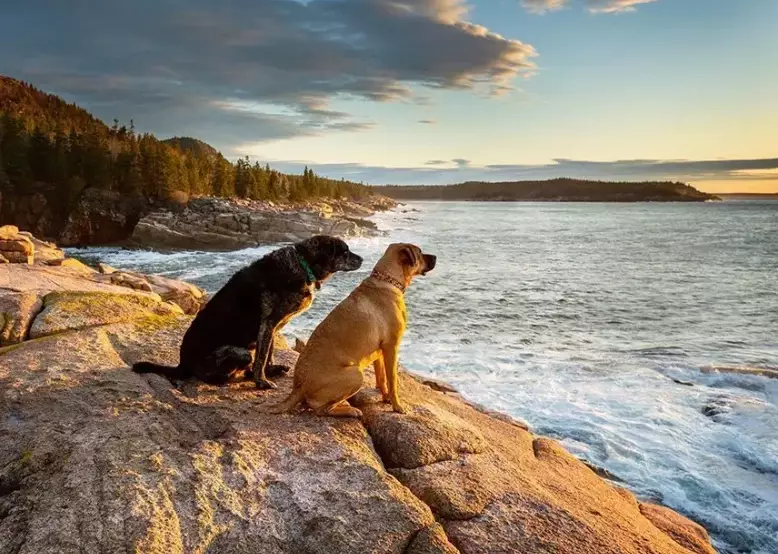
This guide is that preparation. We're going to cut through the confusion, explain the why behind the rules, and give you the practical steps to plan a trip that's safe, fun, and respectful to the park, its wildlife, and other visitors. Because a successful trip to a pet-friendly national park isn't about finding a loophole; it's about being the best ambassador for pet owners everywhere.
Understanding National Park Pet Policies: It's More Than a Yes or No
First, the most important rule: Always, always check the official National Park Service (NPS) website for the specific park you want to visit. This isn't a suggestion; it's the commandment. Policies vary wildly from park to park, and they can change. A blog post from 2022 (even this one) is not the final authority. The NPS page is.
You'll usually find the pet policy under "Plan Your Visit" or "Basic Information." Sometimes it's a dedicated page, other times it's a section. Read every word.
Why so strict? It's not because rangers dislike dogs. The reasons are ecological and safety-based. National parks are designed to protect fragile ecosystems and native wildlife. Pets, even the sweetest, best-behaved ones, can disturb wildlife, introduce non-native diseases, and get themselves into dangerous situations with animals like bears, mountain lions, or even squirrels (who can carry plague, by the way). The rules exist to protect your pet, the park's resources, and the experience of other visitors who may not be canine enthusiasts.
The National Rules: The Non-Negotiables
While each park adds its own layers, some rules are almost universal across the National Park System where pets are permitted at all:
- Leashes, leashes, leashes. Your pet must be on a leash no longer than 6 feet (1.8 meters) at all times. No exceptions. This isn't the place for retractable leashes or voice control, no matter how well-trained your dog is. A leash prevents your dog from chasing wildlife, eating something harmful, approaching other visitors uninvited, or getting lost.
- No trails, no buildings, no wilderness. This is the big one that surprises people. In the vast majority of national parks, pets are prohibited on all hiking trails, in park buildings (visitor centers, museums, lodges), and in the backcountry. They are typically restricted to developed areas like campgrounds, picnic areas, parking lots, and paved roads or roadsides.
- You must pick up and dispose of all waste. Immediately. Carry bags with you everywhere.
- Never leave your pet unattended. Not in a car, not tied to a post at a trailhead. Temperatures can skyrocket in minutes, and an anxious, barking dog is a nuisance and a safety concern.
See what I mean? The classic image of hiking a mountain trail with your dog is often not an option in a classic national park. This is the single biggest source of disappointment for people seeking dog-friendly national parks. It feels restrictive, and honestly, sometimes it is. But understanding this framework is the first step to planning a good trip.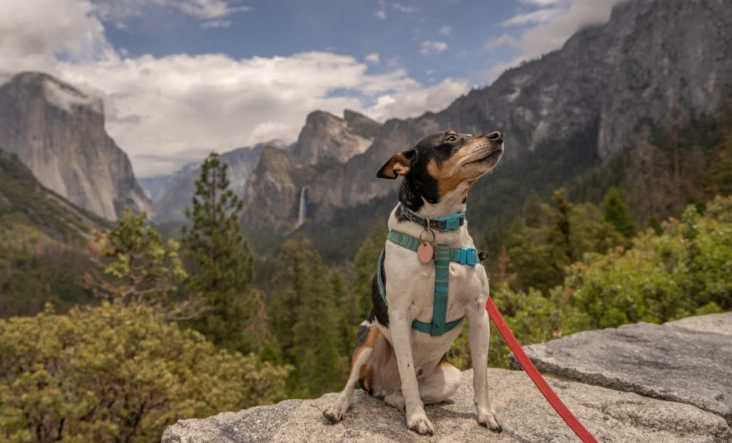
How to Research a Park for You and Your Pet
When you pull up that NPS page, don't just look for the "Pets Allowed" checkbox. Dig deeper. Ask these questions:
- What specific areas are open to pets? Is it just the main campground? Are there any paved paths or walkways? Some parks, like the Great Smoky Mountains National Park, have a couple of short, paved walking trails where pets are allowed—this is gold information!
- What are the campground rules? Even in pet-friendly campgrounds, there may be limits on the number of pets or specific loops where they are allowed.
- Are there kennel services available? Some parks, like Yosemite, offer boarding kennels. This can be a lifesaver if you want to tackle a long trail that doesn't allow pets.
- What are the local vet and emergency services? Know the closest animal hospital to the park entrance.
My own research fail: I once assumed that because a park's main scenic drive was pet-friendly, we could stop at all the overlooks. Nope. One famous overlook had a short trail from the parking lot to the viewpoint, and that trail was off-limits. We had to admire it from the car. Lesson learned: zoom in on the map details.
Preparing for a Successful Trip: Your Pet-Friendly National Park Checklist
Okay, you've found a park with some decent options. Now, the packing list is different from a regular hiking trip. Forget just the extra water; think like a concierge for your dog.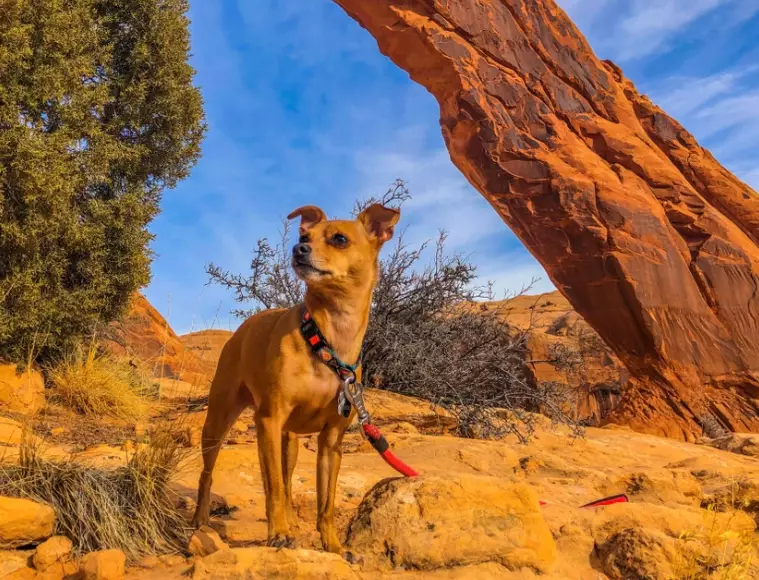
The Absolute Must-Pack List
- A sturdy, 6-foot nylon or leather leash. Bring a backup. Retractable leashes stay at home—they don't give you enough control and can snap.
- More poop bags than you think you'll need. Double-bag if you have to carry it for a while.
- A collapsible water bowl and plenty of water. Don't let your dog drink from standing water in the park; it can contain parasites like Giardia.
- Their regular food and treats, plus a little extra. Adventure burns calories.
- A pet-specific first-aid kit. Include vet wrap, antiseptic wipes, tweezers (for ticks and foxtails), and any medication your pet needs.
- Their bed or a familiar blanket. The unfamiliar smells of a tent or cabin can be stressful. A piece of home helps.
- A favorite toy or two. Downtime at the campsite is part of the trip.
- Updated ID tags and a photo of your pet on your phone. If the worst happens and they get lost, you have a current picture.
- Paper towels and cleaning spray. For muddy paws, car sickness, or other messes.
Pro-Tip for Hot Weather: Test the pavement with the back of your hand. If it's too hot for you to hold for 7 seconds, it's too hot for your dog's paws. Stick to grassy or shaded areas, consider booties, or plan activities for cooler parts of the day.
In the Park: Responsible Pet Owner Etiquette
This is where you become an ambassador. How you act influences how rangers and other visitors view future pet owners.
Always have control. That 6-foot leash means your dog shouldn't be greeting other people or dogs without a clear invitation. Not everyone is a dog person, and some people (and dogs) are fearful.
Respect the wildlife. This is their home. If your dog barks at or lunges toward wildlife, you're too close. Turn around and create distance. A dog's excitement can trigger a defensive attack from an animal that would otherwise ignore you.
Manage the waste. I can't stress this enough. Seeing bagged poop left on the side of a trail is a major complaint. If there's no trash can immediately, you carry it out. Period.
Be mindful of noise. Excessive barking in a campground ruins the serene experience for others. If your dog is a frequent barker, you need to actively manage it or reconsider if camping is the right setting.
What if your dog just isn't cut out for this? Some dogs find the new smells, sights, and confinement on a leash overwhelmingly stressful. It's okay to admit that a national park trip isn't for every dog. A stressed dog isn't having fun, and neither are you.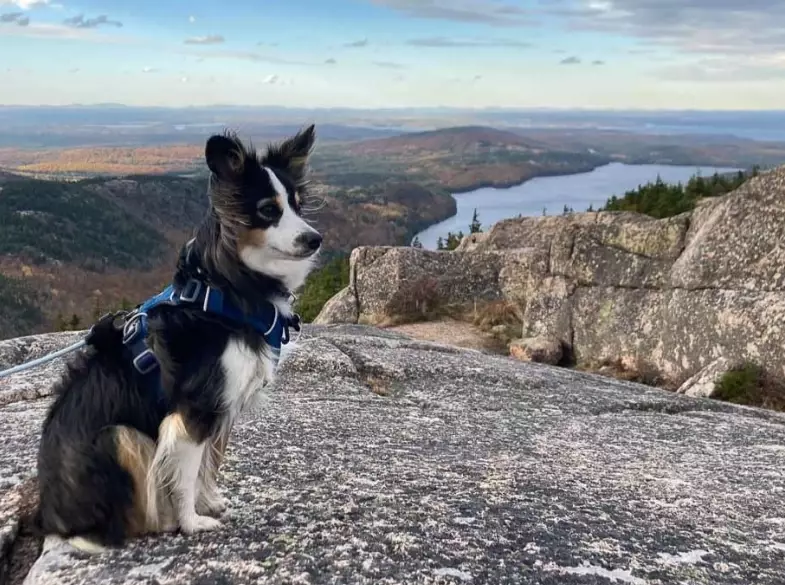
Top Pet-Friendly National Parks: Where the Rules Offer Real Adventure
Now for the good stuff. While most parks are restrictive, a handful stand out for offering more substantial opportunities. Remember, "more" is relative—the core rules still apply, but the scope is broader.
| Park Name | What Makes It Pet-Friendly | Key Restrictions & Notes | Personal Take / Best For |
|---|---|---|---|
| Acadia National Park (Maine) | Often called the most pet-friendly national park. Allows pets on over 100 miles of hiking trails and carriage roads (the crushed-rock historic roads). Also permitted in most campgrounds and on the Island Explorer shuttle bus (seasonally, with conditions). | Not allowed on ladder trails (like Precipice), in public buildings, on Sand Beach (June 15-Sept 8), or in lakes. Must be leashed at all times. | The gold standard. You can actually have a full hiking day with your dog here. The carriage roads are a dream for easy, scenic walks. Gets crowded in summer. |
| Great Smoky Mountains National Park (NC/TN) | Pets allowed on two walking trails: the Gatlinburg Trail (paved, 1.9 miles one-way) and the Oconaluftee River Trail (paved, 1.5 miles one-way). Also allowed in campgrounds, picnic areas, and along roads. | Prohibited on all other park trails. The two pet-friendly trails are nice but are near entrances and can be busy. | A good option if you're based in Gatlinburg or Cherokee and want short, manageable walks with your dog. Don't expect backcountry solitude. |
| Congaree National Park (South Carolina) | Pets are allowed on all trails, including the famous boardwalk loop, as well as in the campground. | Must be leashed. The boardwalk can be slippery when wet. Watch for snakes and insects. | A fantastic, unique experience walking among giant trees on the boardwalk with your pup. Flat and easy, but bug spray (for you and pet-safe for them) is mandatory. |
| Cuyahoga Valley National Park (Ohio) | Pets welcome on over 110 miles of trails, including the popular Towpath Trail. Also allowed in campgrounds and picnic areas. | Must be leashed. Not allowed on the Cuyahoga Valley Scenic Railroad train. Some areas may have seasonal closures. | An incredibly accessible and truly dog-friendly national park with tons of options for long walks through forests and along the canal. A midwestern gem. |
| White Sands National Park (New Mexico) | Pets are allowed anywhere in the park, including on the gypsum sand dunes themselves! | Must be leashed. Sand gets extremely hot—visit early morning or late evening. Provide lots of water. Check for missile testing closures. | Pure, surreal fun. Watching your dog experience the endless white dunes is magical. Just be ultra-conscious of the heat. |
| Shenandoah National Park (Virginia) | Pets are allowed on over 480 miles of trails in the park (with a few hazardous exceptions). Also allowed in campgrounds and picnic areas. | Must be leashed at all times. Not allowed on a few specific trails (listed on website). This is a rare example of extensive trail access. | If you want real mountain hiking with your dog on the East Coast, this is your best bet. The Skyline Drive offers endless access points to beautiful trails. |
| North Cascades National Park Complex (Washington) | Pets are allowed in the Ross Lake and Lake Chelan National Recreation Areas (which are part of the complex) on most trails. More restricted in the North Cascades National Park proper. | Rules are complex and area-specific. Must check the official NPS page carefully. Leashes required. | For experienced planners. Offers stunning Pacific Northwest scenery with dog access, but you must know exactly which trailhead you're using and which management area it's in. |
See the pattern? The most permissive parks are often National Recreation Areas, National Seashores, or parks with extensive historic road systems. They're still managed by the NPS, but their enabling legislation sometimes allows for different rules.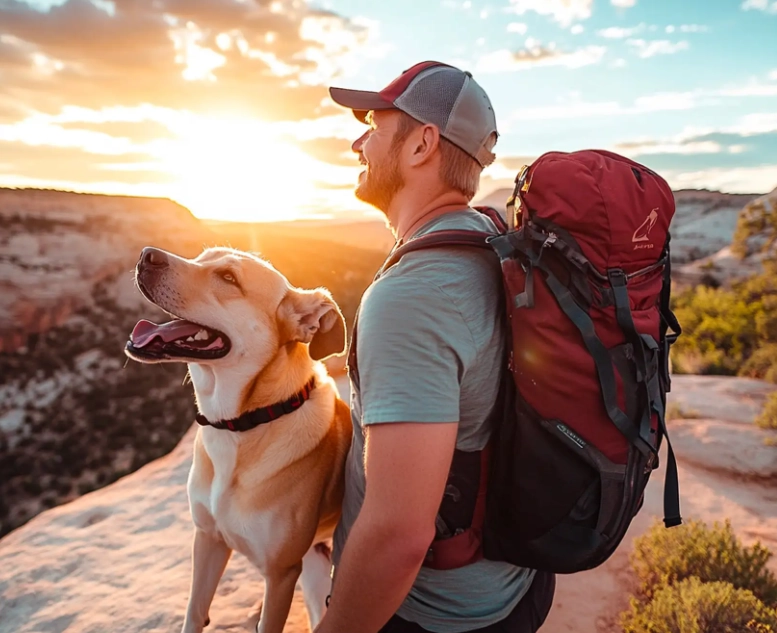
Acadia lives up to the hype. We spent a week there, and my dog was exhausted every night from hiking different carriage roads. It felt like a real vacation for him, not just a trip where he was stuck in the car. Worth the long drive.
What About National Forests and BLM Land? The Often-Better Alternative
Here's a secret many seasoned pet owners know: if your heart is set on backcountry hiking and camping with your dog off-leash (where legally permitted and under voice control), U.S. National Forests and Bureau of Land Management (BLM) areas are frequently more accommodating than national parks.
These lands are generally managed for multiple uses, including recreation, and their pet policies are often far less restrictive. For example, in most National Forests, pets can be on trails and can often be off-leash if they are under voice command. You must still clean up after them and control them around wildlife and livestock.
This is a game-changer. Want an epic mountain vista with your dog by your side? Look at the national forest next to the famous national park. You might find similar scenery with the freedom you're looking for. Always check the specific forest or BLM field office regulations, as they can vary.
It's a trade-off. You lose the curated, iconic experience and infrastructure of a national park, but you gain freedom. For many dog owners, it's the perfect compromise.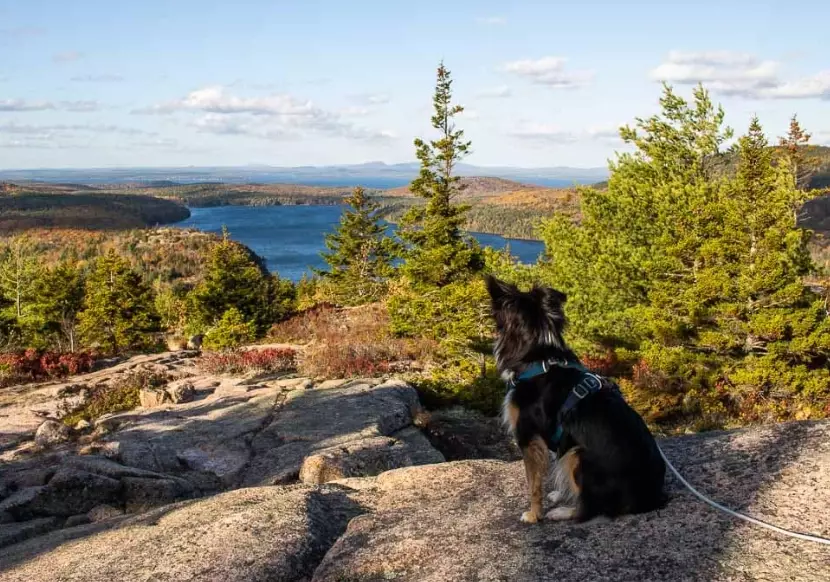
Frequently Asked Questions: Your Doubts, Answered
Can my pet go anywhere if it's a service animal?
This is critical. The NPS follows the Americans with Disabilities Act (ADA) definition of a service animal—a dog that is individually trained to perform tasks for a person with a disability. Emotional support animals, therapy animals, and comfort animals are not considered service animals under the ADA and are subject to the same pet policies as any other dog. Service animals are generally allowed anywhere the public is allowed. It's recommended to check with the park in advance and be prepared for questions about the tasks the dog performs. The NPS has a detailed page on service animals.
What happens if I break the rules?
You can be fined. Rangers do issue citations for off-leash dogs or pets on prohibited trails. Beyond the fine, you're damaging the resource and potentially endangering your pet, wildlife, and others. It's not worth it.
My dog is small and in a carrier. Does that change anything?
Usually, no. The rules typically apply regardless of size or containment. A dog in a backpack is still a dog in a building or on a trail where dogs are prohibited.
Are there any pet-friendly national parks where dogs can swim?
Extremely rare. Most parks prohibit pets in bodies of water to protect water quality and wildlife. Some National Seashores (like Cape Hatteras) may allow leashed pets on the beach but often with seasonal restrictions. Again, check the specific site's rules meticulously.
How do I find pet-friendly lodging near the park?
Look outside the park. In-park lodges (run by concessionaires like Xanterra or Aramark) almost never allow pets, with very few exceptions. Nearby towns will have motels, cabins, and vacation rentals that accept pets, often for an additional fee. Websites like BringFido.com can be a good starting point, but always call to verify policies and fees.
The Bottom Line: Adventure Awaits, With Planning
So, is visiting a national park with a pet worth it? It absolutely can be, but you have to shift your mindset. It's not a wilderness backpacking trip with your dog. It's a different kind of vacation—one focused on scenic drives, leisurely walks in permitted areas, relaxing at a campsite, and exploring the pet-friendly pockets of these incredible places.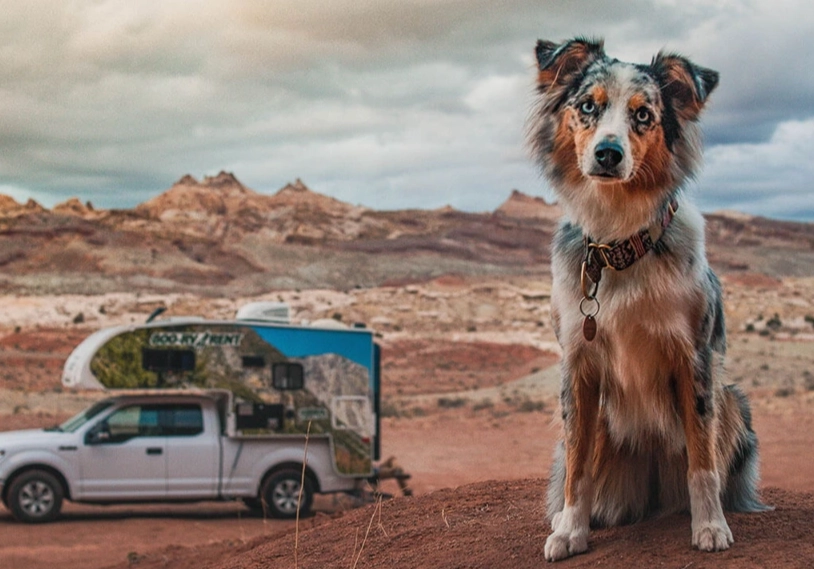
The key is research, respect, and realistic expectations. Use the official NPS website as your bible. Pack with your pet's comfort and safety as the top priority. And consider whether the adjacent national forest might actually offer the experience you're both craving.
The shared joy of discovery doesn't have to end at the park boundary. It just needs a plan.
By following the rules and being a responsible owner, you're not just having a great trip; you're helping ensure that pet-friendly national parks remain welcoming places for all the dogs and their humans who dream of that perfect vista, together.