Let's be honest, the idea of tackling a steep mountain trail or navigating a crowded park visitor center can be daunting as we get older. But here's the thing – the awe-inspiring beauty of America's national parks isn't just for the spandex-clad, ultra-fit crowd. Not at all. I've seen folks in their 70s and 80s having the time of their lives at these places, soaking in vistas that make your heart skip a beat. The secret? Knowing how to work the system and where to go.
That's what this guide is for. We're going to cut through the confusion and get straight to the practical stuff you need to plan a fantastic, manageable, and memorable trip. We'll talk about the famous passes (and the not-so-famous perks), health and mobility considerations that nobody really talks about, and I'll even point you to some specific parks and trails that get a big thumbs-up from the senior crowd. Think of this as a friendly chat from someone who's been there and wants to help you avoid the pitfalls.
The Golden Ticket: Navigating the America the Beautiful Senior Pass
This is usually the first thing people ask about. The Senior Pass is a game-changer, but the rules changed a few years back and it still trips people up. Let's clear the air.
If you're 62 or older, you're eligible. The big decision is between the Annual Pass ($20) and the Lifetime Pass ($80). The math is pretty straightforward – if you plan to visit parks for more than four years total in your lifetime, the Lifetime Pass pays for itself. I always recommend going for the lifetime version if you can swing the upfront cost. It's one less thing to worry about every year.
Where it gets interesting is what the pass actually covers. It grants access to you and any passengers in your personal vehicle at per-vehicle fee areas. At per-person fee areas, it covers you and up to three other adults. That's huge for carpooling with family or friends. But – and this is a big but – it does not cover things like camping fees, tour fees (like a guided cave tour), or special use permits. Some people get disappointed by that, so it's best to know upfront.
You can buy it in person at most federal recreation sites that charge an entrance fee, which is nice because you can use it immediately. Or, you can order it online through the USGS store. The online route takes a few weeks for delivery, so plan ahead if you're ordering for a specific trip.
Beyond the Pass: Other Discounts and Free Entry Days
The Senior Pass is the star, but don't ignore the supporting cast. Every year, the National Park Service announces several fee-free days. These are great if you're just testing the waters or live near a park. Mark your calendar for these.
Also, many states have their own state park pass systems, often with even steeper senior discounts. If you're doing a road trip that mixes national and state parks, look into the state pass for where you're traveling. The savings can add up.
And then there's accessibility. If you have a permanent disability, you may qualify for the Access Pass, which is free. It offers similar benefits to the Senior Pass. It's worth looking into if you have mobility challenges, regardless of age.
Planning Your Visit: Health, Mobility, and Smart Strategies
Okay, you've got your pass. Now, how do you actually enjoy the park without ending up exhausted or sore? This is where smart planning makes all the difference.
First, altitude. This one sneaks up on people. Parks like Rocky Mountain, Grand Teton, or Bryce Canyon have high elevations. If you're coming from sea level, give yourself a day to acclimate. Drink tons of water, go easy on the alcohol, and don't plan your most strenuous hike for day one. I learned this the hard way on a trip to Colorado – spent the first afternoon with a pounding headache instead of enjoying the views.
Pacing is everything. The classic mistake is trying to see everything in one day. Pick one or two key activities per day. A gentle morning walk, a long lunch break at a scenic spot, and maybe a ranger talk or a scenic drive in the afternoon is a perfect, fulfilling day. Quality over quantity, every time.
Must-Pack Items for Senior Park-Goers
Beyond the usuals (water, snacks, map), here are a few items that are worth their weight in gold:
- Trekking Poles: I was skeptical until I tried them. They take so much pressure off your knees on downhill sections and provide stability on uneven ground. A total game-changer for trail stability.
- A Quality Folding Seat: Not all trails have benches. A lightweight, portable stool can make waiting for that sunset or having a snack anywhere a comfortable pleasure.
- Extra Layers: Mountain weather is fickle. A light packable jacket, hat, and gloves can save the day even in summer.
- Downloaded Maps: Cell service is notoriously spotty in parks. Download the park map from the official NPS.gov site or use an app like NPS App before you go.
Let's talk about mobility aids. National parks have gotten much better about this. Many visitor centers, major overlooks, and some trails are wheelchair accessible. Electric scooters or power chairs can open up a lot of territory. Call the park you're visiting ahead of time and ask about the accessibility of the specific attractions you want to see. They can tell you which paved paths are best, where the steepest sections are, and if there are accessible shuttle options.
Top National Parks with Outstanding Senior Access
Some parks are just easier to love when you're looking for a more relaxed pace. Here are a few that consistently get rave reviews for their senior-friendly infrastructure and stunning, accessible views.
Great Smoky Mountains National Park
This is a fantastic first park. First, it has no entrance fee (though parking tags are now required), so your Senior Pass savings go towards other things. Second, the variety is incredible. You can experience deep, history-rich coves like Cades Cove from your car or on a flat, paved loop road. The Roaring Fork Motor Nature Trail is another gorgeous drive. For walking, the Gatlinburg Trail or the Oconaluftee River Trail are mostly flat, paved, and follow beautiful streams right from the park entrance.
Bryce Canyon National Park
Bryce is all about the views, and they've made it incredibly easy to see them. The park's main road runs along the canyon rim, with overlook after overlook, most just a few steps from the parking lot. Sunrise Point, Sunset Point, Inspiration Point – you can see the famous hoodoos (those tall, thin rock spires) without a tough hike. If you do want to walk down among them, the Queen's Garden Trail is the least strenuous descent into the canyon, but remember: going down is optional, coming back up is mandatory. Take it slow.
Yellowstone National Park
Yellowstone is vast, but its superstar attractions are very accessible. Boardwalks wind around the major geyser basins like Old Faithful and the Grand Prismatic Spring, letting you get close to the geothermal wonders on safe, flat surfaces. Wildlife viewing is often best from the roadside pullouts (always stay in your car near large animals!). The Canyon Village area offers stunning views of the Yellowstone Grand Canyon from the Brink of the Lower Falls overlook or Artist Point, both reachable via short, paved paths.
I have to give a slightly negative opinion here: while iconic, I find parts of the Grand Canyon's South Rim, especially near the main village, to be a tough experience for seniors during peak season. The shuttle system is necessary but can be confusing and crowded. If the Grand Canyon is your dream, consider the less-visited North Rim (open seasonally) or visit the South Rim in the very early morning or late afternoon.
Lodging, Tours, and Transportation Inside the Parks
Where you stay can make or break your trip. Inside-park lodges are convenient but book up a year in advance for popular parks. The good news? Many historic lodges, like the Old Faithful Inn or Paradise Inn at Mount Rainier, have rooms with minimal stairs and are close to major attractions. Always specify your accessibility needs when booking.
Guided tours can be a brilliant way to see a park. Bus tours, boat tours, or even accessible ranger-led walks take the planning pressure off you. They know the best spots, handle the driving on winding roads, and provide fascinating context. Check the park's official website for scheduled activities.
Many parks now operate mandatory or highly recommended shuttle systems (Zion, Grand Canyon, Rocky Mountain). These are a mixed bag. On one hand, they eliminate the parking headache. On the other, waiting in line and navigating buses with mobility aids can be a challenge. Research the shuttle system for your park beforehand. In Zion, for example, the shuttles are wheelchair accessible and a lifesaver during busy times.
Answering Your Questions on National Parks Seniors Access
I get a lot of the same questions from readers. Here are some straight answers.
Q: Can I use my Senior Pass at all national parks?
A: Yes. It's valid at all National Park Service sites that charge an entrance fee, as well as sites managed by other federal agencies like the Forest Service, Fish & Wildlife Service, and Bureau of Land Management. It's incredibly versatile.
Q: My spouse is 61 and I'm 63. Can we both get in with one Lifetime Pass?
A: Yes. The pass covers the pass holder and any accompanying passengers in the same vehicle. If you arrive separately or are at a per-person fee site, it covers you and three other adults, so your spouse would be included.
Q: Are there any senior discounts on camping inside the parks?
A: Sometimes, but it's not guaranteed by the Senior Pass. Discounts on camping are at the discretion of the individual park or the specific campground operator (like Recreation.gov). You must ask when you make your reservation. Often, the discount only applies to the pass holder's fee, not the entire site fee.
Q: What's the single best resource for planning an accessible trip?
A> The official park website on NPS.gov/accessibility. Each park also has a dedicated "Accessibility" page under the "Plan Your Visit" tab. These pages detail everything from wheelchair-accessible trails and restrooms to service animal policies and hearing-assisted devices for ranger programs.
Q: I'm not a hiker. Will I still enjoy a national park?
A> Absolutely. Some of the most powerful park experiences come from scenic drives, ranger talks (often held in accessible auditoriums or outdoors in amphitheaters), visitor center museums, and simply sitting at an overlook watching the light change. The parks are about the scenery and the sense of place, not just athletic achievement.
Putting It All Together: A Sample 3-Day Senior-Friendly Itinerary
Let's make this concrete. Imagine a trip to Bryce Canyon National Park.
Day 1: Arrive, check into your lodge or nearby hotel. Drive to the park, use your Senior Pass for entry. Spend the afternoon doing the Scenic Drive, stopping at the major overlooks like Fairyland Point, Bryce Point, and Paria View. Keep it easy. Have dinner, attend an evening ranger program if you're up for it.
Day 2: Morning visit to Sunrise and Sunset Points. Maybe venture partway down the Queen's Garden Trail if you're feeling good, but there's no pressure. Have a long lunch. In the afternoon, take a guided Bryce Canyon Scenic Tour (the park concessionaire offers bus tours) to learn more and let someone else drive. Watch the sunset from Inspiration Point.
Day 3: Explore beyond the main canyon. Drive to nearby Red Canyon in the Dixie National Forest (your Senior Pass works here too!) for different, beautiful scenery on short, paved paths. Or visit the historic Ruby's Inn nearby for shopping and a look at local history.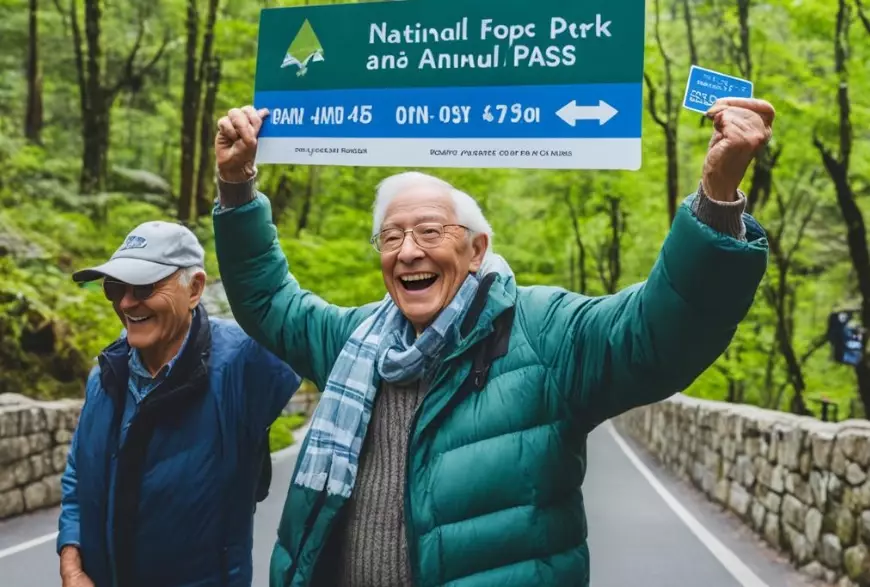
The parks are waiting for you, and they have so much to offer at every pace and ability level. With the right pass, a bit of thoughtful planning, and a focus on the experience rather than checking off landmarks, you're in for an unforgettable journey. Start dreaming, start planning, and then go make some memories.