Europe isn't just a continent of old castles and museums. It's a climber's dream, stitched together with limestone spires, granite monoliths, and alpine walls that have shaped the sport's history. But with so many crags, how do you choose? It's not about finding the single "best" spot—that doesn't exist. It's about matching the rock to your style, your ambition, and the season you've got free.
I've spent over a decade chasing rock across the continent, from sweating on Spanish tufas to shivering on Scottish winter routes. The mistake most guides make is just listing places. I want to tell you what it actually feels like to climb there, the logistical headaches you might not see coming, and the hidden gems that sit just beyond the crowded classics.
Your Quick Guide to Europe's Rock
The Alpine Powerhouses: Chamonix & Dolomites
Let's start with the big names. These aren't just climbing areas; they're institutions. The air is thinner, the stakes are higher, and the views will ruin you for anywhere else.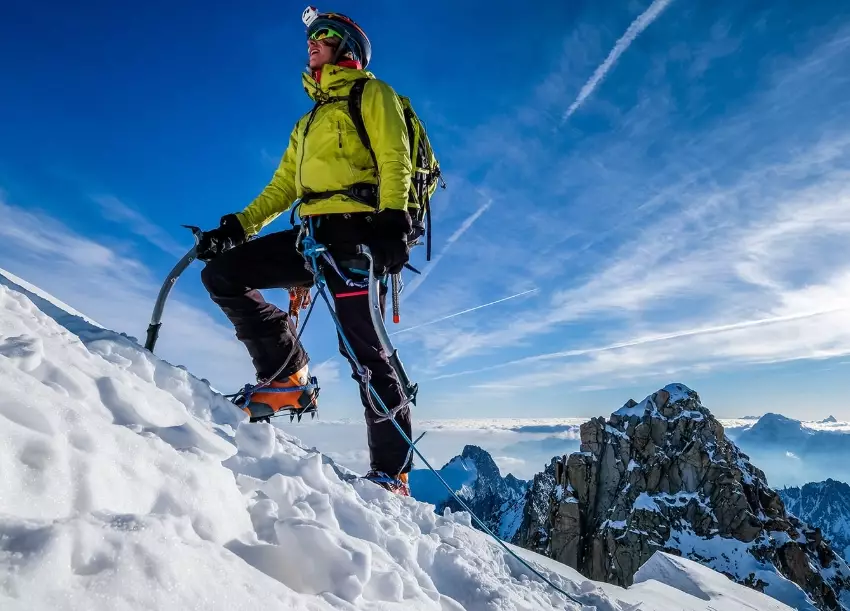
Chamonix-Mont-Blanc, France
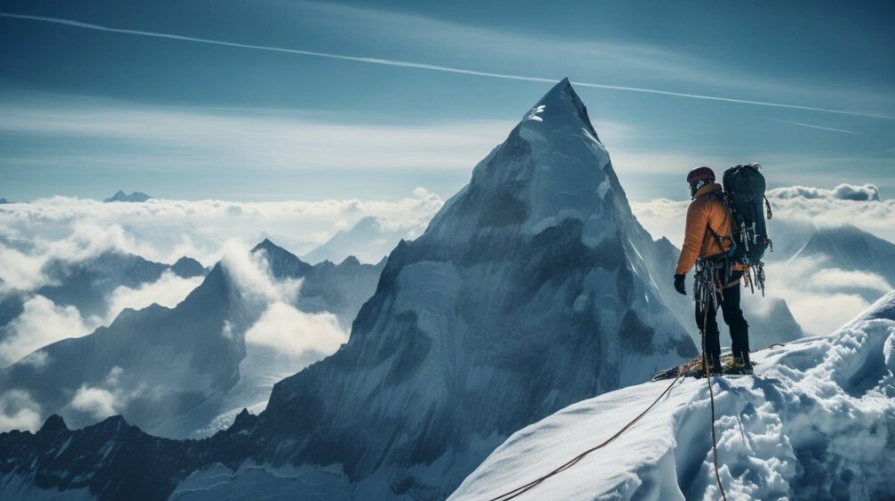
Chamonix is the spiritual home of alpinism. It's intense, crowded in town, and unforgiving on the mountain. You don't come here for a casual cragging holiday. You come for multi-pitch granite adventures and high-altitude glaciated routes.
Getting there & around: Fly into Geneva (GVA). From there, it's a 1.5-hour bus or shuttle ride. A car is useful for accessing different valley sectors like Les Gaillands or the Argentière basin, but the local train and bus network is surprisingly good for climbers. Parking is a nightmare in summer—trust me, I've circled for an hour.
The rock & routes: Think long, committing trad and mixed climbs. The granite is solid, offering crack climbs and face climbs on the Aiguilles. For a classic, try the « voie normale » of the Aiguille du Midi (AD, 10 pitches). It's a Chamonix rite of passage, mixing rock, ice, and exposure. The Petit Dru is the stuff of legend, but its famous West Face has become dangerously unstable in recent years—a sobering reminder that these mountains are constantly changing.
Chamonix Insider Tip
Most climbers fixate on the Aiguilles. The real secret? The Vallée de l'Arve sectors, like Servoz. Quieter, sunnier in the afternoon, and packed with quality single and multi-pitch routes from 5a to 7c. It's where the guides train. Stay in Les Houches or Servoz for cheaper accommodation and easier access to these less-trammeled crags.
The Dolomites, Italy
If Chamonix is granite and ice, the Dolomites are pale, towering limestone cathedrals. The climbing here feels more theatrical. The rock is sedimentary, so it can be loose in places—a helmet isn't optional. The via ferrata routes are a unique and fantastic way for non-climbers or beginners to experience the exposure.
Base towns: Cortina d'Ampezzo is the glamorous, expensive hub. For better value and central access, look at villages like San Martino di Castrozza or Corvara in Badia.
Classic climb you must know: The Via delle Guide on the Tofana di Rozes. It's a historic 14-pitch route (UIAA V+, about 5.7/5.8) with unbelievable positions. The descent is an adventure in itself. Another classic is the Spigolo Giallo on the Cinque Torri, a perfect introduction to Dolomite climbing.
Logistics are half the battle here. Many approaches are serious hikes. Start early to avoid afternoon thunderstorms, which are common and violent.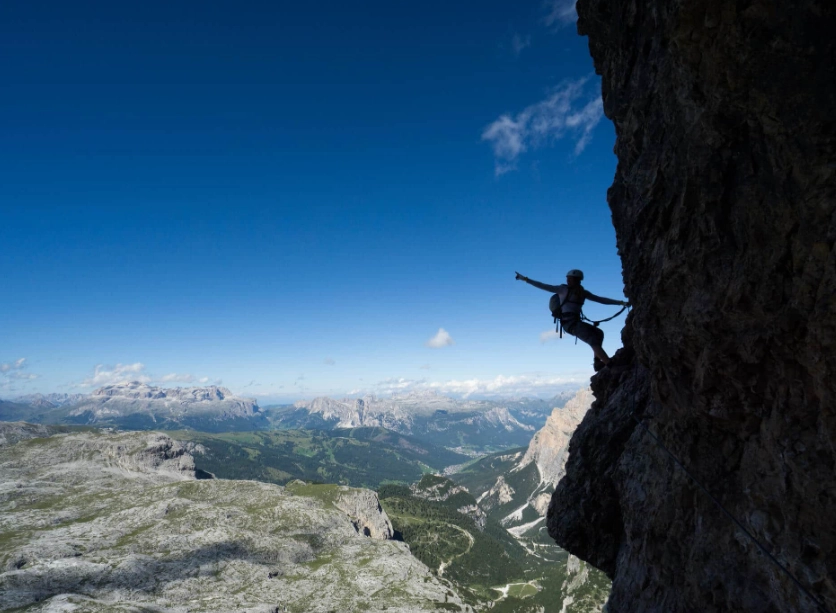
Sun & Stone: Southern Europe's Sport Climbing Paradises
Need reliable weather and bolts you can trust? Head south. The culture shifts, the food improves, and the climbing becomes about movement and endurance on rock that's often pocketed, sharp, or beautifully sculpted.
Siurana & Margalef, Spain
Catalonia is a winter sanctuary. From October to April, when the Alps are frozen, this place buzzes. The limestone is impeccable. Siurana, perched above a stunning village, offers technical, balancy climbs on bulletproof rock. Margalef, 30 minutes away, is the opposite—steep, pocketed, and powerful on unique conglomerate stone.
Getting there: Fly to Reus (REU) or Barcelona (BCN). A rental car is absolutely essential. The areas are remote. The winding road up to Siurana village is not for the faint-hearted.
Where to stay: Camping is popular. Camping Siurana is right at the crag. For apartments, the village of Cornudella de Montsant is a better bet. In Margalef, most people stay in the village itself—basic but climber-friendly apartments and a couple of bars.
My take? Siurana can feel crowded and the grades are stiff. If you're projecting 7a (5.11d), you'll have endless options. If you're breaking into 6s (5.10), the classic routes are fewer and often queued. Margalef is more spread out and feels less pressured.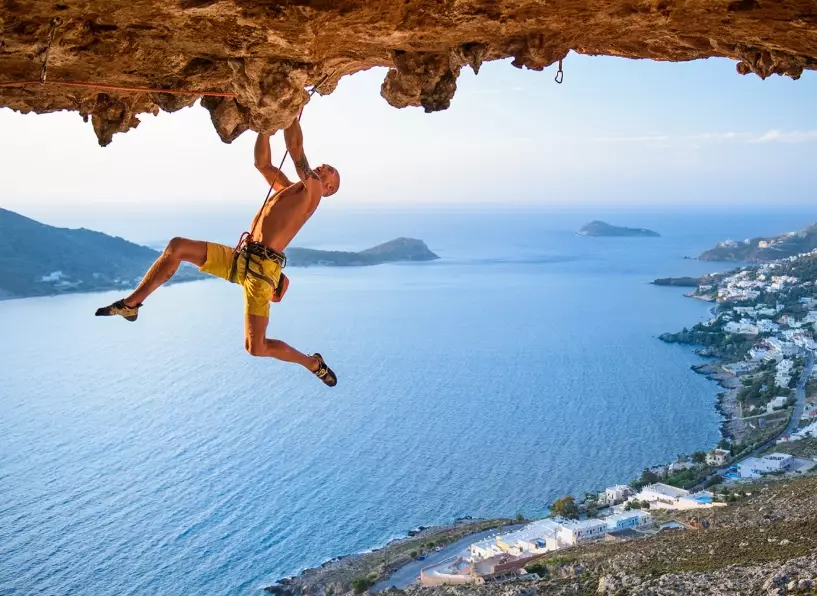
Kalymnos, Greece
Kalymnos is a sport climbing island holiday. You climb incredible tufa-strewn caves and pillars in the morning, swim in the Aegean in the afternoon, and eat fresh seafood at night. It's as good as it sounds.
Season: Spring (April-May) and Autumn (September-October). Summer is brutally hot. The island shuts down a bit in winter, but you can still climb on south-facing sectors.
The vibe: It's social. You'll see the same faces at the crag, the scooter rental shop, and the taverna. The climbing is predominantly steep and pumpy on tufas and stalactites. Grades are generally considered "soft" compared to Spanish or French grades, which is a nice confidence boost.
A common mistake is only climbing at the famous sectors like Grande Grotta. The best climbing, in my opinion, is on the satellite island of Telendos (a short boat ride away) and at the Arginonta sector—stunning seaside climbing with zero crowds.
Adventure Frontiers: Norway, Scotland & Beyond
For those who want wild landscapes and a raw sense of adventure, look north and west.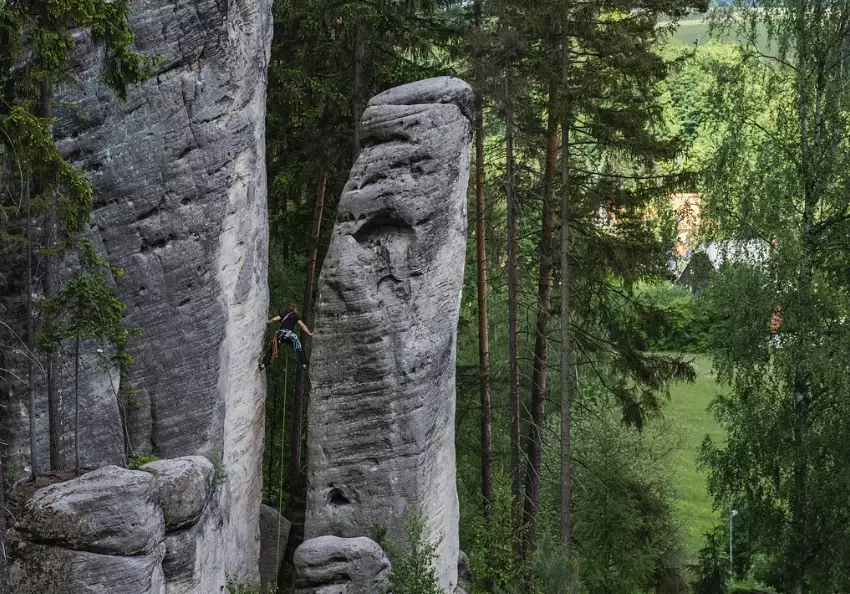
Lofoten Islands, Norway
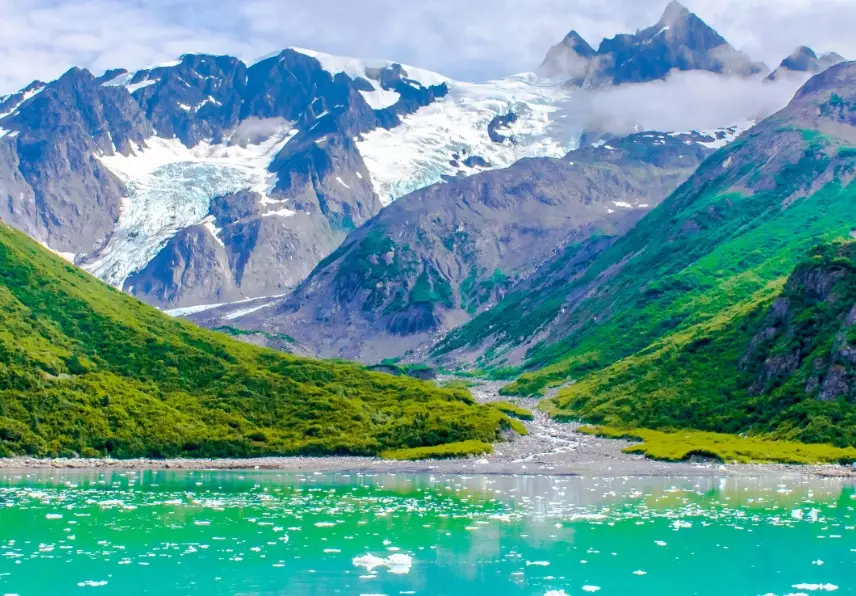
Granite walls rising straight out of the Norwegian Sea. Midnight sun in summer, Northern Lights in the shoulder seasons. Lofoten is epic. The climbing is mostly trad on flawless granite cracks and slabs, but there's a growing number of sport routes.
Logistical reality check: The weather is notoriously fickle. You need a flexible schedule. A week of rain is possible, even in July. You must be self-sufficient—bring a rack, a rain jacket, and patience. Accommodation is expensive; camping (often wild camping, which is legal under Norway's right to roam) is the climber's choice.
The classic is the Goat's Head (Svolværgeita) in Svolvær. The summit "jump" between the two horns is pure adrenaline. For a more sustained adventure, the Vestpillaren on Presten is a 12-pitch masterpiece.
Scottish Winter Climbing, Scotland
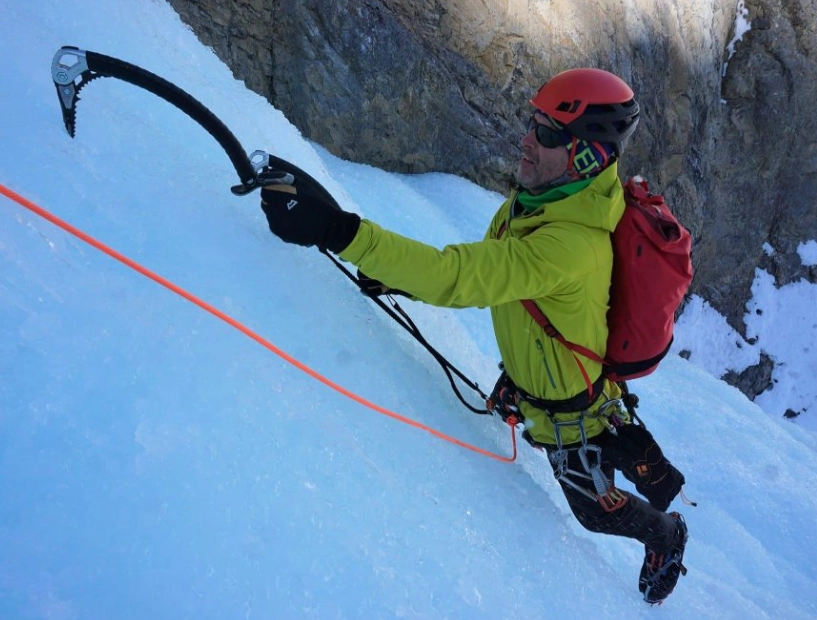
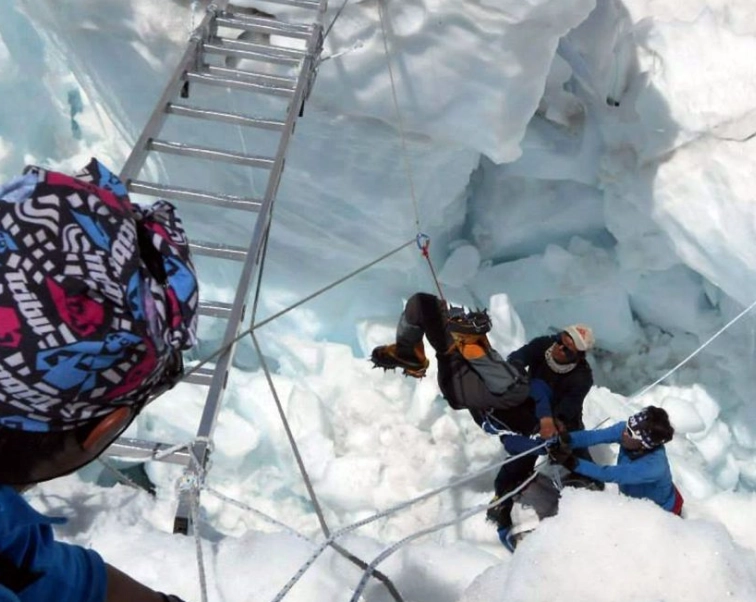
This is a different beast entirely. From December to March, the Cairngorms and Ben Nevis range transform into a frozen playground of ice climbs, mixed routes (rock and ice), and gullies. It's not about difficulty grades; it's about survival, navigation, and dealing with conditions that can change by the hour.
You need specialist gear (ice axes, crampons, winter boots) and a solid head for navigating in whiteouts. Hiring a guide from the British Mountain Guide association for your first few days is not a luxury—it's a smart investment in safety.
A classic intro route is Number Two Gully on Ben Nevis (Grade I). For harder testpieces, the Point Five Gully (V,5) is legendary.
How to Pick Your Perfect European Climbing Destination
Don't just chase Instagram photos. Match the place to your priorities. This table cuts through the hype.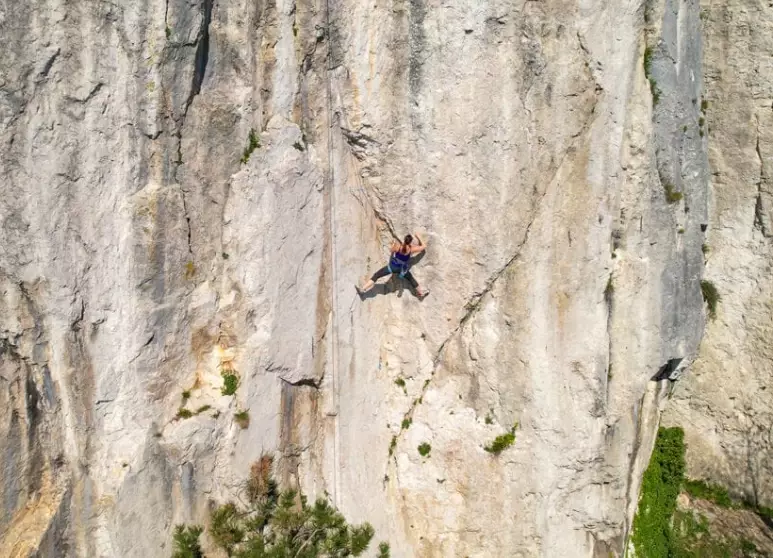
| Destination | Best For | Best Season | Climbing Style | Key Consideration |
|---|---|---|---|---|
| Chamonix, FR | Alpine adventure, long trad/mixed routes | June - Sept | Trad, Alpine, some Sport | High commitment, weather-sensitive, expensive |
| Dolomites, IT | Spectacular multi-pitch on limestone, via ferrata | July - Sept | Trad, Via Ferrata, some Sport | Long approaches, potential loose rock |
| Siurana/Margalef, ES | Hard sport climbing, reliable winter sun | Oct - April | Sport | Car essential, can be crowded (Siurana) |
| Kalymnos, GR | Steep tufa climbing, island holiday vibe | April-May, Sept-Oct | Sport | Flight + ferry, popular & social |
| Lofoten, NO | Adventure trad in epic seaside scenery | June - Aug | Trad, some Sport | Unpredictable weather, remote, expensive |
| Scottish Highlands | Winter climbing & mountaineering | Dec - March | Winter Ice & Mixed | Harsh conditions, short days, specialist skills needed |
Think about what you really want. Is it sending your hardest sport grade? Go to Spain or Greece. Is it the feeling of a big mountain day? The Alps call. Is it adventure above all else? Look to Norway or Scotland.
And please, check access. Areas like Bain de Vénasque in France have seasonal restrictions to protect nesting birds. The British Mountaineering Council and local climbing clubs are great resources for up-to-date info.




Comments