Let's be honest. You've seen the pictures. Crystal clear water reflecting impossible cliffs, a silent kayak gliding past a sleeping alligator, the morning mist rising off a glassy lake with not another soul in sight. That's the dream, right? That's what pulls people towards national parks kayaking. It's not just a boat ride; it's a front-row seat to the raw, unfiltered heart of the American wilderness, from a perspective you simply can't get on foot.
But between that dream and the reality of actually planning the trip lies a whole bunch of questions. Which park is right for you? What kind of kayak do you even need? How do you not end up on the evening news? I've been there, scratching my head over maps and gear lists, and I've also had those perfect, silent mornings on the water that make all the planning worth it.
This guide is the one I wish I'd had. We're going to ditch the generic fluff and get into the nitty-gritty of planning an unforgettable national park kayaking adventure. We'll talk about picking your paradise, gearing up without going broke, staying safe (seriously, this is important), and finding those hidden spots that'll make your Instagram followers green with envy.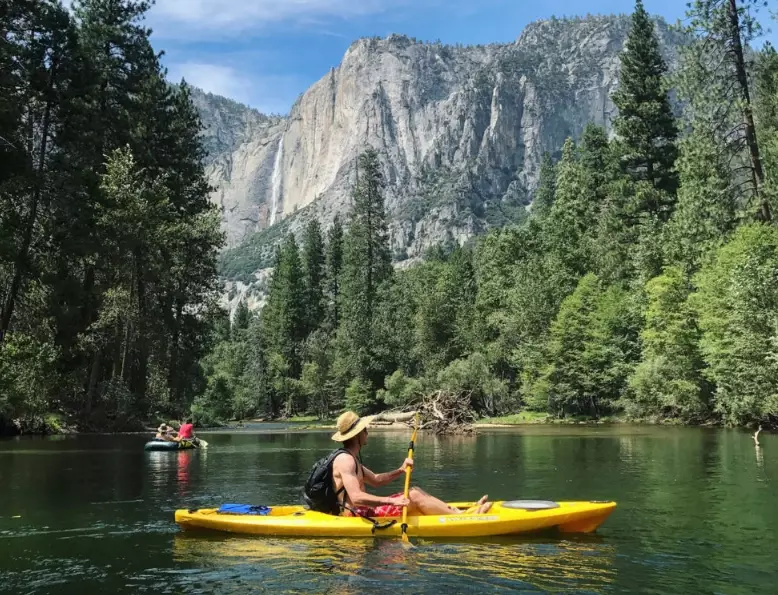
Why Kayaking in a National Park is Different
You can kayak anywhere. A local pond, a river downtown. So why go through the hassle of a national park?
Think of it as the difference between watching a movie on your phone and seeing it in IMAX. The scale is different. The wildlife is different (and often way more abundant). The rules are different, too, which is mostly a good thing—it keeps these places special. Paddling in places like Glacier Bay or the Everglades isn't just recreation; it feels like a privilege. You're a visitor in a home that belongs to bears, eagles, manatees, and millennia of geological history.
The silence is the biggest thing for me. On a hiking trail, you hear boots crunching, people talking, maybe even some Bluetooth speaker (ugh). But on the water, especially early in the morning, the only sound is your paddle dipping in and out. That's when you see the otter pop its head up, curious. That's when you hear the loon call. That's the magic.
Choosing Your National Park Kayaking Destination
This is the fun part, but it can be overwhelming. The USA has over 60 national parks with water features! The key is to match the park to your experience level and what you want to see. Are you dreaming of ocean waves, peaceful lake loops, or winding river journeys?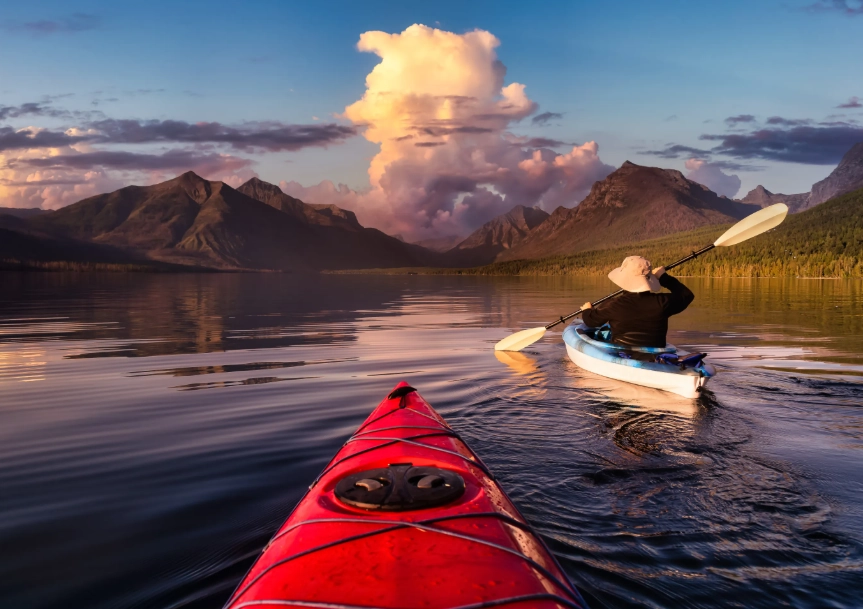
Let's break down some top contenders. I'm not just listing them; I'm telling you what it actually feels like to paddle there.
Top Tier Picks for an Unforgettable Paddle
Here’s a rundown of some of the absolute best parks for kayaking, each with its own personality. I've thrown in a table to make comparing them a bit easier.
| Park Name | Location | Water Type | Best For | Skill Level | The Vibe / Unique Sell | Watch Out For |
|---|---|---|---|---|---|---|
| Acadia National Park | Maine | Coastal Ocean, Ponds | Rocky coastline, island hopping, sunrise paddles | Beginner to Intermediate (weather dependent) | Paddling next to billion-year-old pink granite cliffs. Feels rugged and ancient. | Fog, cold water, rapidly changing coastal weather. Seriously, the fog rolls in fast. |
| Everglades National Park | Florida | Mangrove Tunnels, Coastal Marshes, Open Bay | Wildlife (manatees, crocs, birds), unique ecosystems | Beginner (trails) to Advanced (open water) | A maze of water trails through dense mangroves. It feels otherworldly, like another planet. | Alligators & crocodiles, sun exposure, mosquitoes (bring industrial-strength bug spray). |
| Glacier Bay National Park | Alaska | Fjords, Open Ocean | Glaciers, whales, sea lions, epic scale | Advanced Only | Paddling near calving glaciers with whales blowing nearby. The sheer magnitude is humbling. | Extreme cold, remoteness, bears on shore, requires serious expedition planning. |
| Channel Islands National Park | California | Ocean, Sea Caves | Sea caves, kelp forests, island isolation | Intermediate to Advanced | The "Galapagos of North America." Paddle through giant kelp forests and into deep sea caves. | Strong currents, wind, crossing a significant channel to get there (often by ferry). |
| Voyageurs National Park | Minnesota | Interconnected Lakes & Rivers | Multi-day camping trips, fishing, solitude | Beginner to Intermediate | A water-based park. You navigate a labyrinth of lakes to find your own private campsite. Pure north woods peace. | Wind can whip up big waves on large lakes, bugs in summer. |
See what I mean? They're all amazing, but very different. Paddling in the Everglades feels like a steamy jungle adventure, while Voyageurs is all about crisp air and pine trees.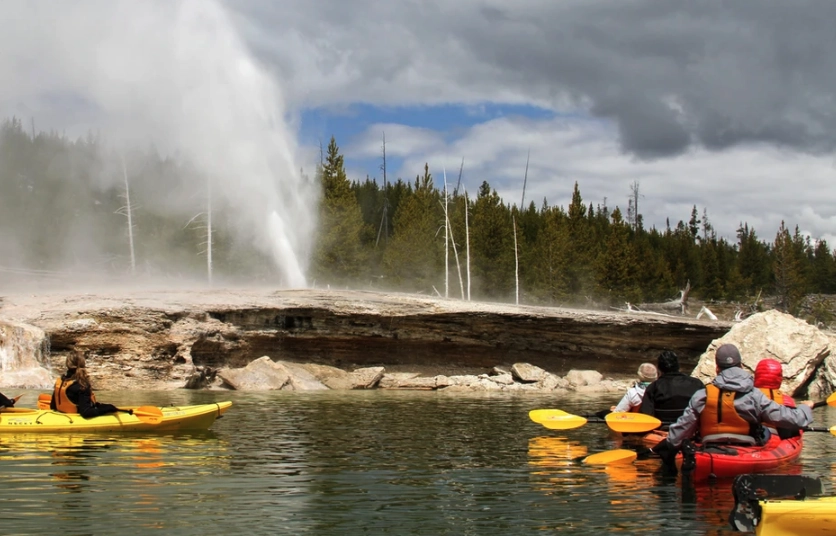
A quick note on crowds:
Everyone goes to Yellowstone and Yosemite (and yes, you can kayak on Yellowstone Lake or the Merced River). But if you want to escape the crowds, look to the water-centric parks like Voyageurs, the Everglades wilderness waterways, or the Boundary Waters area. The further you go from the road, the thinner the crowd gets. It's a simple rule.
The Nitty-Gritty: Planning Your National Parks Kayaking Trip
Okay, you're excited about a park. Now what? This is where trips succeed or fall apart.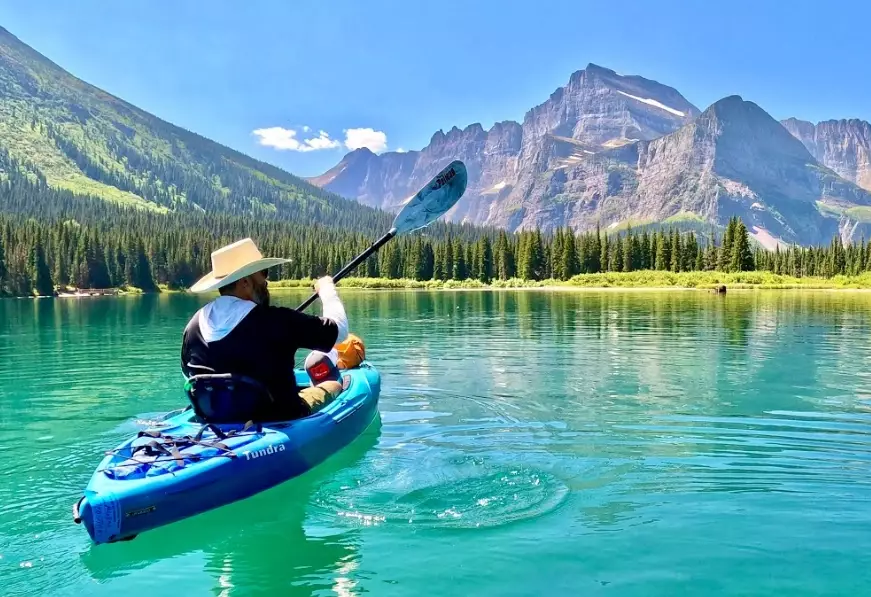
When to Go (It's Not Always Summer)
Summer seems obvious, but it's also peak season for people and bugs. For national parks kayaking, shoulder seasons—late spring and early fall—are often the sweet spot. Fewer people, fewer bugs, and often more active wildlife. In the Everglades, winter is actually the high season because the mosquitoes are (somewhat) tolerable and the weather is mild.
In mountain parks like Glacier, your kayaking window is short—maybe July through early September—before the snow flies again. Always, always check the specific park's website for seasonal conditions.
The Gear You Actually Need (And What You Can Skip)
You don't need a $5,000 carbon-fiber kayak. But you do need the right gear for the environment.
- The Boat: Sit-on-tops are great for warm water and beginners (they're stable and easy to get back on). Sit-inside touring kayaks are better for colder water, wind, and longer distances because they're faster and your legs are protected. For mangrove trails or rocky rivers, a shorter recreational kayak is more maneuverable. Many parks have nearby outfitters that rent appropriate boats—a fantastic option if you're flying.
- The Non-Negotiables (Safety Gear):
- Personal Flotation Device (PFD/Life Jacket): Not in your boat. ON YOU. Always. It's the law in national parks, and it's just stupid not to. Get a comfortable, kayaking-specific one.
- Paddle & Sponge/Bilge Pump: A spare paddle leash is cheap insurance. Water always gets in; a pump gets it out fast.
- Communication & Navigation: A waterproof phone case or dry bag for your phone (service will be spotty). A physical map and compass—and know how to use them. For any remote or coastal kayaking, a VHF radio or personal locator beacon (PLB) is a serious consideration.
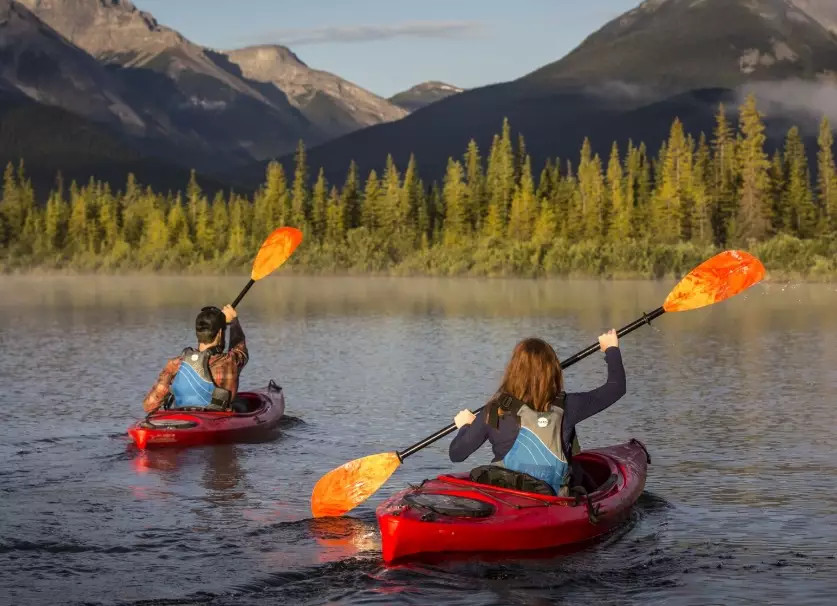
- The Comfort & Safety Extras: Dry bags for everything. Sun protection—hat, sunglasses, rash guard, sunscreen (reef-safe is encouraged). Plenty of water and snacks. A basic first-aid kit. Layers of clothing—synthetic or wool, NO COTTON (it gets wet and stays wet, sucking heat from your body).
Permits, Rules, and Red Tape
This is the part everyone hates, but it's crucial. National parks are managed to protect the resource.
- Permits: For day use on most lakes and rivers, you often don't need one beyond the park entrance fee. However, for:
- Overnight trips (like in Voyageurs or the Everglades backcountry)
- Launching in certain designated areas (some river put-ins, etc.)
- Commercial filming
You will likely need a permit, and they can be competitive. Apply early—sometimes months in advance—on the park's official National Park Service (NPS) website. - Boat Inspections: Invasive species are a huge threat. Parks in the western US (like Glacier, Yellowstone) often have mandatory boat inspections for all watercraft, including kayaks, to prevent the spread of zebra mussels or quagga mussels. Your boat must be Clean, Drained, and Dry. This can add time to your launch, so plan for it.
- Wildlife Regulations: Know the rules. In Alaska, you need to know bear safety for both on water and potential landings. In Florida, there's a strict distance to keep from manatees. The U.S. Fish & Wildlife Service and individual park sites have detailed guidelines.
Safety on the Water: This Isn't a Pool
This is the most important section. National park waters are beautiful but unforgiving.
Weather is your #1 concern.
It changes fast, especially in mountains and on coasts. Check the forecast religiously before you go, and be prepared to cancel or turn back. Wind is a kayaker's biggest enemy—it can create waves that are impossible to paddle against and blow you off course. Learn to read the water and sky.
Cold Water Shock: This kills even strong swimmers. Water below 70°F (21°C) is considered cold and can cause gasping, panic, and loss of muscle control in minutes. In Glacier Bay or high mountain lakes, the water is near freezing year-round. A wetsuit or drysuit isn't just for comfort; it's a survival tool. The U.S. Coast Guard Boating Safety Resource Center has excellent cold water survival info.
Self-Rescue: Can you get back into your kayak if you fall out in deep water? Practice this in a safe, warm environment before you go. At a minimum, know how to do a "float and signal" if you can't re-enter.
Tell Someone Your Plan: File a float plan. Tell a reliable person where you're launching, your route, and when you expect to return. And then stick to it, or let them know if you change plans.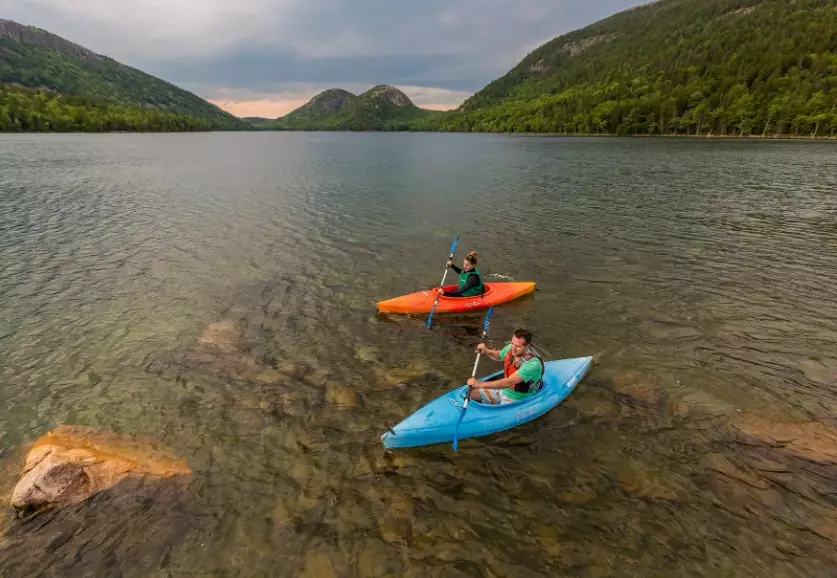
"The water doesn't care how experienced you are. It only cares about the laws of physics. Respect it, prepare for it, and it will give you an experience you'll never forget."
Making the Most of Your Time on the Water
You've planned, you've packed, you're on the water. Now, how do you turn a good paddle into a great one?
- Go Early. I can't stress this enough. The water is calmer, the light is beautiful for photos, the wildlife is more active, and you'll have the place to yourself. Be on the water at sunrise. It's worth the 4 AM alarm.
- Paddle Quietly. This isn't a race. Let the silence settle. Drift sometimes. You'll see and hear so much more. This is the essence of national parks kayaking.
- Leave No Trace. Pack out everything you pack in. That includes apple cores and banana peels. Don't approach or feed wildlife. Give animals a wide berth—it's safer for you and less stressful for them. Use established rest stops if they exist.
- Engage Your Senses. Look for animal tracks on muddy banks. Listen for the blow of a whale or the cry of an osprey. Notice how the water color changes with depth. Smell the pine trees or the salt air. Kayaking is a slow travel immersion.
Frequently Asked Questions (Stuff You're Probably Wondering)
Do I need my own kayak?
Not at all. Most parks with popular kayaking areas have nearby outfitters who rent boats, PFDs, and sometimes even roof racks. This is a fantastic, low-commitment way to try it. Just book your rental ahead of time, especially in peak season.
Can I kayak anywhere in the park?
No. Some areas are off-limits for wildlife protection, safety (like near dams or in heavy motorboat traffic zones), or cultural reasons. Always check the park's official boating and kayaking maps, available at visitor centers or on the NPS website.
Is it safe to kayak around alligators or crocodiles?
Generally, yes, if you follow the rules. They see your kayak as a large object, not prey. The key is to keep a respectful distance (at least 15 feet, more is better), never feed them, and avoid swimming in areas where they are present. Paddle calmly and don't harass them. In the Everglades, the rule is simple: give them space and they'll usually do the same.
What's the best national park for a first-time kayaker?
For calm, protected water, look for parks with large, accessible lakes or slow-moving rivers. Voyageurs National Park (on a calm day), Big Bend National Park (on the Rio Grande in mild conditions), or the mangrove trails of Everglades National Park (like the Nine Mile Pond loop) are excellent, forgiving options with outfitters nearby. Always start with a guided tour if you're nervous—they provide gear, instruction, and local knowledge.
How do I protect my camera/phone?
A high-quality, name-brand dry bag is essential. For a phone you want to use for photos, a waterproof case with a lanyard (so you can wear it around your neck) is a game-changer. For serious cameras, a dedicated waterproof hard case is the only safe option.
Wrapping It Up: Your Adventure Awaits
National parks kayaking is more than a checklist item. It's a way to slow down, to engage with some of the most spectacular landscapes on the planet on their own terms. It requires a bit more planning and respect than your average vacation, but the payoff is immense.
You'll come back with sore shoulders, a sun-kissed face, and memories of quiet moments that no photo can truly capture. You'll have stories about the eagle that landed 20 feet away, or the panic-turned-triumph of navigating your first bit of choppy water.
Start with one park that calls to you. Dig into its official NPS page. Make a realistic gear list. Prioritize safety. And then go. The water is waiting.
One last piece of advice?
After your trip, take five minutes to fill out that voluntary survey or write a positive review for the park rangers or the rental outfit. These places and people work hard to maintain these opportunities for us. A little thanks goes a long way in keeping the magic alive for the next paddler.