Let's be honest. Hiking ten miles with a heavy backpack isn't for everyone. Sometimes, the best view comes with cup holder access and a comfortable seat. That's the magic of national parks scenic drives. They're the great equalizer of the outdoor world, offering front-row seats to geological wonders, wildlife spectacles, and vistas that stretch forever, all accessible to nearly anyone with a vehicle.
I used to be a hiking snob. I'd scoff at the cars crawling along park roads. Then I took my grandparents to Yellowstone. Watching my grandfather's face light up at his first sight of a bison herd from the safety of our car, or my grandmother marveling at the Grand Canyon of the Yellowstone from an overlook—that changed my perspective. These drives aren't a "lesser" experience; they're a different, profoundly inclusive one. They're about shared moments, accessibility, and seeing a lot in a little time.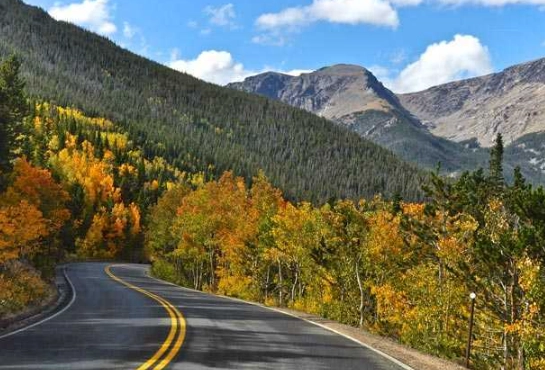
The Core Idea: A great national park scenic drive isn't just a road from A to B. It's a curated journey. It's a string of pull-offs, viewpoints, and short trails that tell the story of the park. Your car is your mobile basecamp.
Why a Scenic Drive Might Be Your Perfect Park Day
You're thinking about a national park trip. Maybe you've got young kids who have the hiking stamina of a sleepy kitten. Maybe you're traveling with someone who has mobility challenges. Or perhaps you only have a single day to soak in a place like Yosemite or Zion. This is where planning around a premier scenic drive becomes your best strategy.
It solves the "how do we see the highlights?" question efficiently. It offers flexibility—see a crowd? Drive on. Spot something amazing? Pull over. Need a snack break? You've got a cooler in the trunk. For families, it's a sanity-saver. For photographers chasing the golden hour, it's a mobile blind.
But it's not without its headaches. Traffic jams caused by "bear jams" or simply summer congestion can test your patience. Finding parking at a popular overlook at noon can feel like a competitive sport. That's why how you approach these drives matters just as much as which one you choose.
The Undisputed Champions: Top National Park Scenic Drives
Some drives are legendary for a reason. They've earned their fame. Here are a few that consistently deliver mind-blowing scenery mile after mile.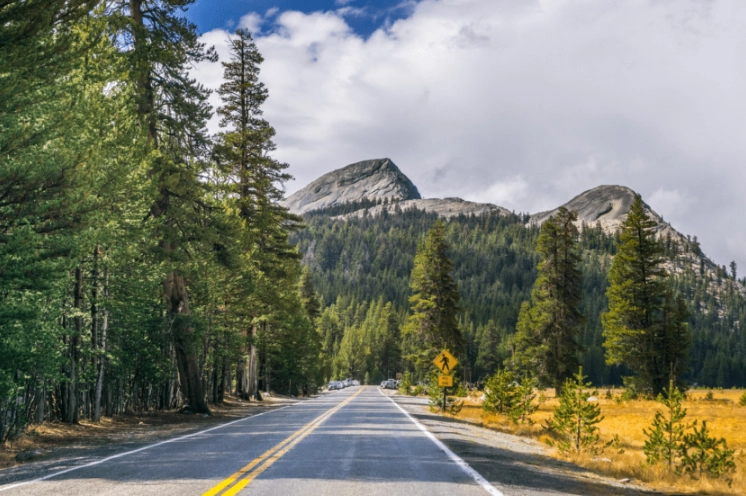
Going-to-the-Sun Road, Glacier National Park
This is the masterpiece. Carved into the side of the Livingston Range in Montana, this 50-mile engineering marvel is more than a road; it's the park's central artery and main attraction. You start in lush cedar forests, climb past weeping wall waterfalls, and emerge above the tree line at Logan Pass. The views here are... well, they make you pull over every two minutes. The road is narrow, with stone guardrails that feel charmingly vintage (and slightly terrifying if you're afraid of heights).
Heads up: The road is only fully open from late June/early July to mid-October. You need a vehicle reservation to enter from the west side between 6am and 3pm from late May to early September. Don't get caught without one—check the Glacier National Park website for the latest rules. And if you're driving a big RV or trailer over 21 feet long, forget it. They're prohibited for good reason.
Tioga Road, Yosemite National Park
Everyone flocks to Yosemite Valley, and for good reason. But the valley can feel like a natural wonder inside a human traffic jam. For a completely different, high-alpine Yosemite experience, Tioga Road (Highway 120) is your escape hatch. This 46-mile road across the park's roof offers staggering vistas of granite domes, pristine lakes like Tenaya, and the unique Tuolumne Meadows. It feels wilder, quieter, and more expansive. It's also your gateway to fantastic, shorter hikes that feel miles away from the valley crowds.
A personal favorite stop: Olmsted Point. The view of Clouds Rest and Half Dome from the back is something special.
Park Loop Road, Acadia National Park
This 27-mile loop is the perfect introductory scenic drive. It's manageable, incredibly varied, and packs coastal drama, mountain peaks, and serene forests into one neat package. You'll cruise along the rocky Atlantic coastline, stop at Thunder Hole (listen for the "boom"), wind up to the summit of Cadillac Mountain (the first place in the U.S. to see the sunrise for much of the year), and meander past tranquil Jordan Pond. It's a sampler platter of Acadia's best. Because it's a loop, you can't get lost, which is a nice bonus.
Beyond the Big Names: Hidden Gem Scenic Drives
The famous ones are famous for a reason, but the crowds know that too. If you want a more solitary experience, consider these.
- The Denali Park Road, Alaska: For most of its 92 miles, it's gravel. Private vehicles can only go the first 15 miles to Savage River. Beyond that, you need a park shuttle or tour bus. This limitation is a gift. It keeps the wilderness wild. The wildlife viewing from the bus is unparalleled—grizzlies, caribou, Dall sheep, moose. It's a slow, bumpy, utterly immersive all-day adventure, not a quick cruise.
- The Trail Ridge Road, Rocky Mountain National Park: Another "top of the world" experience. It's the highest continuous paved road in the U.S., reaching over 12,000 feet. The views above the tree line are tundra-covered and feel arctic. It's often cold and windy up top, even in summer—pack a jacket!
- The Newfound Gap Road, Great Smoky Mountains National Park: This is about mood and atmosphere. Connecting Gatlinburg, TN, to Cherokee, NC, it climbs from lowland forests into spruce-fir clouds. The "smoke" that gives the park its name creates ever-shifting, soft-focus views. It's less about jaw-dropping cliffs and more about serene, misty beauty.
Your Pre-Drive Planning Checklist (The "Don't Wing It" Section)
Showing up and just driving can work, but it often leads to frustration. A little planning turns a good drive into a great one.
Essential Questions to Answer Before You Go:
- Do I need a timed entry or vehicle reservation? This is the new reality for parks like Glacier, Rocky Mountain, Arches, and Yosemite during peak season. This isn't a suggestion; it's a requirement. Check the specific park's NPS.gov website months in advance.
- Is the road even open? Many high mountain passes (Going-to-the-Sun, Tioga, Trail Ridge) are closed by snow for 7-8 months of the year. Spring and fall are shoulder seasons where access is unpredictable. Again, the official NPS site is your bible.
- What's the vehicle size limit? Don't assume your 30-foot RV can go everywhere. Length, height, and even towed vehicle restrictions are common on the twistiest, most scenic routes.
- Where are the gas stations? There are often none on the scenic drive itself. Fill up in the nearest gateway town before you enter.
- What's the weather forecast for the high elevations? It can be sunny in the valley and a blizzard at the pass. Be prepared.
Mastering the Drive: Tips for the Actual Experience
Okay, you're on the road. Now what?
Start Early. Seriously. I cannot stress this enough. Aim to enter the park at or before sunrise. You'll have the light for photography, see more wildlife, and—most importantly—you'll be ahead of the crushing crowds that roll in after 10 AM. Having a famous overlook to yourself at 7 AM is a spiritual experience. Sharing it with 50 people at 2 PM is not.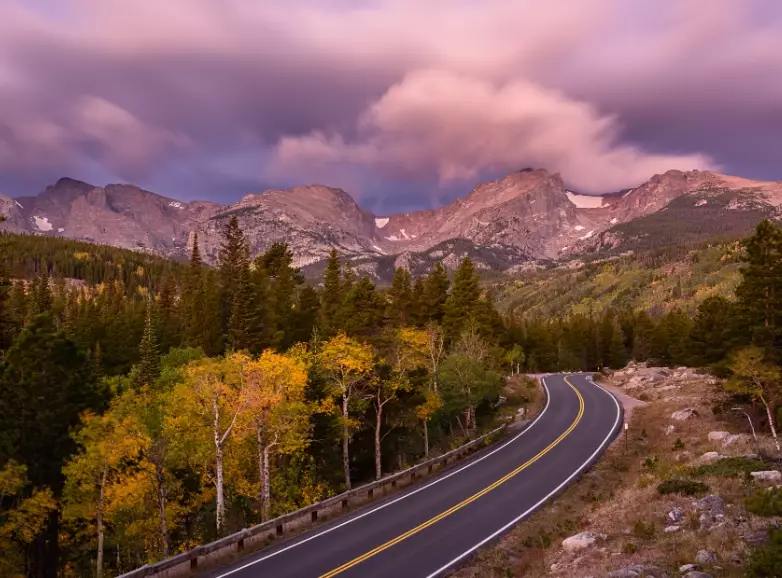
Use the Pullouts. This seems obvious, but it's a safety and courtesy rule. If you see something amazing and there are cars behind you, don't slam on your brakes. Drive to the next designated pullout. They are plentiful for a reason. If you're a slow driver enjoying the view (which you should be!), use the turnouts to let faster cars pass. It keeps everyone happier.
Get Out of the Car. The drive is the connector, not the whole activity. Budget time to get out and walk. Even a 0.3-mile paved path to an overlook changes your perspective. It gets your blood flowing and lets you hear the sounds of the park. Some of the best national parks scenic drives have fantastic, short hikes (
Pack Like a Pro:
- Layers: Mountain weather changes fast.
- Food & Water: There are rarely restaurants. Pack a picnic lunch to enjoy at a scenic spot.
- Binoculars: For spotting wildlife safely from a distance.
- Offline Maps: Cell service is notoriously absent in parks. Download the park map on the NPS app or Google Maps before you go.
- Full Tank & Spare Tire: Check both.
Scenic Drive Showdown: A Quick Comparison
Choosing between top contenders? This table breaks down some key logistics to help you match a drive to your style.
| Scenic Drive | Park | Length (One-Way) | Best Time to Go | Biggest Challenge | Vibe |
|---|---|---|---|---|---|
| Going-to-the-Sun Road | Glacier NP | ~50 miles | July - Sept | Vehicle reservations, narrow roads, heights | Epic, dramatic, engineering marvel |
| Tioga Road | Yosemite NP | ~46 miles | July - Oct (when open) | Can close for snow early/late season | High alpine, granite, less crowded |
| Park Loop Road | Acadia NP | ~27-mile loop | May-Oct (Fall foliage is peak) | Summer traffic congestion | Accessible, coastal & mountain mix, classic |
| Denali Park Road | Denali NP | 92 miles total | June - mid-Sept | Access by bus only after mile 15, very long day | Wild, remote, wildlife-focused adventure |
Answering Your Road Trip Questions
Let's tackle some specific things people wonder when planning these drives.
Are these national park roads okay for RVs?
It completely depends. Many, like the Going-to-the-Sun Road, have strict length and trailer prohibitions. Others, like the main roads in Yellowstone or the southern loop in the Grand Canyon, are generally RV-friendly. Always check the specific park's "Plan Your Visit" page for vehicle restrictions. Don't rely on your GPS—it might route you down a road you can't physically take.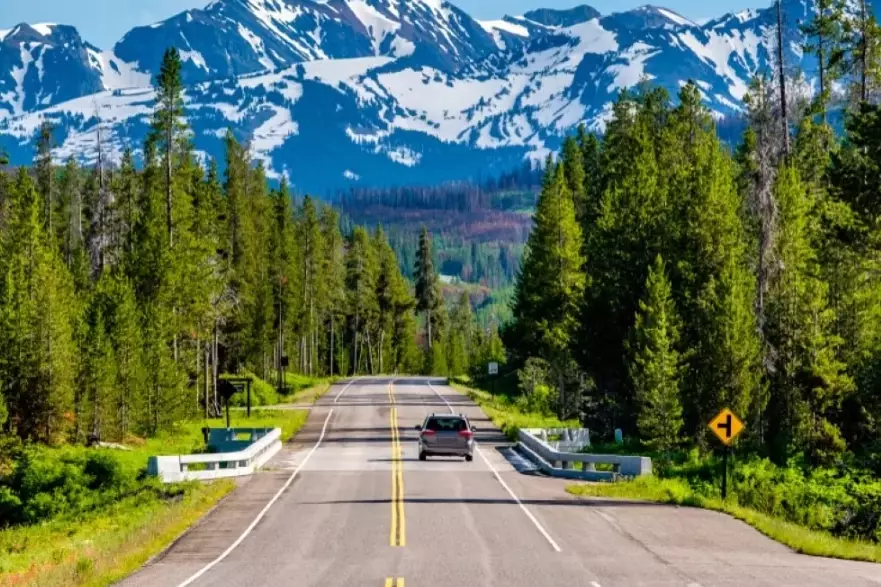
What if I only have one day in a huge park?
This is the prime use case for a scenic drive! Pick one iconic drive that hits the major landmarks. In Yellowstone, that's the Grand Loop. In Grand Teton, it's the Teton Park Road. Focus your energy on that route, get out at the major stops, and resist the urge to try and see everything. Depth over breadth. You'll enjoy it more.
How do I deal with wildlife on the road?
First rule: Stay in your car. It's a safe viewing blind for you and it keeps wildlife wild. Use pullouts to watch. Never approach an animal, no matter how calm it looks. A "bear jam" or "bison jam" is exciting, but it's also a traffic hazard. Follow ranger instructions. And for heaven's sake, don't feed them. It's illegal and teaches them dangerous habits.
A quick rant: I once saw a man get out of his car to take a selfie with a bison in Yellowstone from about 20 yards away. The bison looked annoyed. The man looked stupid. Rangers looked furious. It was a masterclass in what not to do. Your car is a protective bubble. Pop that bubble at your peril.
Is it better to go guided or self-drive?
Self-driving offers ultimate flexibility. You set the pace. But a guided tour (like the famous Red Bus Tours in Glacier or a guided shuttle in Denali) has huge advantages. The driver knows the road, the history, and where to look for wildlife. You can all look out the windows instead of worrying about the cliff edge. For the most stressful roads, or if your goal is pure relaxation and learning, a tour can be worth every penny.
Making It More Than Just a Drive
To elevate the experience from sightseeing to something memorable, add a layer of engagement.
- Listen to the Park Podcast/Audio Tour: Many parks have official audio guides you can play as you drive. They point out features you'd miss and tell great stories.
- Turn it into a Scavenger Hunt: For kids (or fun adults), make a list of things to spot: a specific type of tree, a waterfall, a red rock formation, animal tracks, a Ranger vehicle. It keeps everyone looking out the window.
- Plan a Signature Picnic: Don't just eat in the car. Pick a spectacular overlook or a quiet lakeside pullout, lay out a blanket, and have a proper meal with a view. It's a moment you'll remember longer than the driving itself.
Look, the internet is full of lists of "best national parks scenic drives." But a list doesn't tell you how to navigate a vehicle reservation system, what it actually feels like to inch along a cliffside road, or how to avoid spending your entire vacation in a line of cars.
The truth is, the best scenic drive for you is the one that matches your comfort level, your vehicle, your time, and your curiosity. It might be the iconic, heart-pounding journey over a mountain pass, or it might be a gentle loop through a forest where you can roll down the windows and smell the pine.
The road is waiting. Just plan a little, pack your patience, and get ready to be amazed—one pullout at a time.
Road Trip Planning Accessible Travel Park Itinerary Family Travel US National Parks