Explore the Colorado Parks Guide
- Rocky Mountain National Park: The Crown Jewel (And Its Crowds)
- Mesa Verde National Park: A Journey Back in Time
- Great Sand Dunes National Park and Preserve: The Surreal One
- Black Canyon of the Gunnison National Park: The Deep, Dark Secret
- Planning Your Trip: The Practical Stuff
- Answering Your Big Questions
- Final Thoughts Before You Go
Let's talk about Colorado. When you think of it, you probably picture mountains. Big, beautiful, snow-capped mountains. And you're not wrong. But the national parks in Colorado? They're so much more than just peaks. They're a collection of stories written in stone, sand, and ancient cliff dwellings. If you're planning a trip, or even just dreaming about one, you've come to the right place. I've spent more time than I'd like to admit hiking, driving, and sometimes just sitting in awe in these places. This isn't a dry list of facts—it's the stuff I wish I knew before I went, the mistakes I made, and the moments that absolutely took my breath away.
We're going to dive deep into all four of them: the superstar, the history book, the desert surprise, and the deep, dark secret. Planning a trip to these parks can feel overwhelming. Which one is right for you? Do you need a permit just to drive? Is it all just going to be crowded? We'll get into all of that.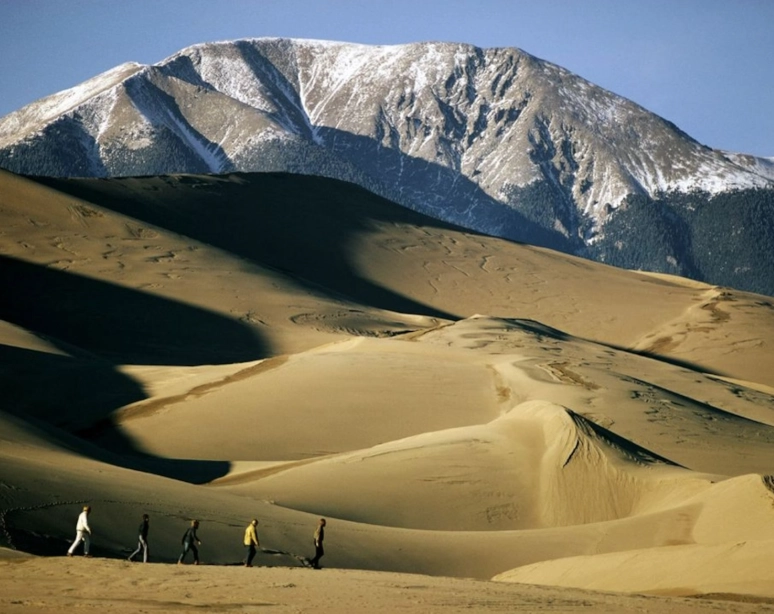
Quick Reality Check: There are four official National Parks in Colorado. Some lists online might include national monuments or recreation areas, but for this deep dive, we're sticking with the big four designated by Congress: Rocky Mountain, Mesa Verde, Great Sand Dunes, and Black Canyon of the Gunnison. Each one is wildly different from the next.
Rocky Mountain National Park: The Crown Jewel (And Its Crowds)
This is the one everyone knows. It's the postcard. Driving over Trail Ridge Road, the highest continuous paved road in the United States, feels like you're on top of the world. The air is thin, the views are endless, and the tundra ecosystem up there is fragile and fascinating.
But here's the honest truth—it's popular for a reason, and that reason comes with a price. The park implemented a timed entry permit system a few years back, and you absolutely cannot ignore it. Trying to roll up to the Beaver Meadows entrance at 10 AM in July without a permit is a recipe for a very frustrating U-turn. You need to plan this one.
My first visit to Rocky Mountain NP was a mess. I didn't know about the permit system, showed up late, and got turned away. I ended up spending the day in the nearby town of Estes Park, which was nice, but it wasn't the alpine experience I wanted. Learn from my mistake!
Navigating the Timed Entry System
The permit system has two types: one for the general park and another that includes access to the ultra-popular Bear Lake Road corridor. Permits are released monthly on the first of the month at 8 AM MT for the following month (e.g., July 1 for all of August). A smaller batch is also released at 5 PM MT the day before a desired entry date. Mark your calendar. Set an alarm. It's competitive.
If you miss out, all is not lost. You can enter the park before 5 AM or after 6 PM without a permit. A sunrise hike to Dream Lake? Honestly, it's a magical experience and beats the midday crowds anyway.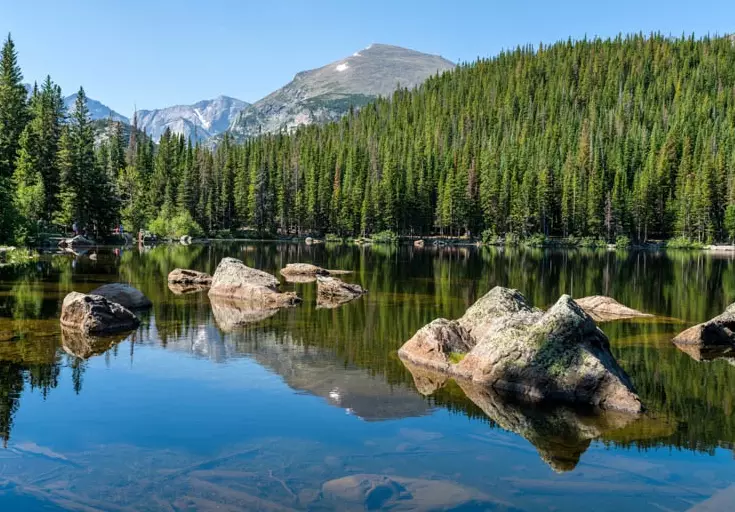
Insider Tip: Don't just focus on Bear Lake. The Wild Basin area, in the southeast corner of the park, is less crowded and offers stunning hikes to waterfalls like Calypso Cascades and Ouzel Falls. The road is rougher, but the peace and quiet are worth it.
Must-Do Hikes (Beyond the Obvious)
Everyone does the Bear Lake to Emerald Lake trail. It's gorgeous, it's relatively easy, and it's packed. If your knees and lungs are up for it, consider these:
- Sky Pond via Glacier Gorge: This is a beast. It's about 9 miles round trip with serious elevation gain, but the final view of Sky Pond with the Sharkstooth rock formation in the background is unreal. You'll pass Alberta Falls and The Loch along the way.
- Chasm Lake: Starts at the Longs Peak trailhead. The view of the lake sitting directly under the dramatic east face of Longs Peak is one of the most iconic in the park. It's a steep 8.5-mile round trip.
- Ute Trail (Tundra Communities Trail): For something completely different, park at the Rock Cut pullout on Trail Ridge Road. This is a high-altitude walk above the treeline. It's not technically difficult, but the altitude can be. You'll see pikas and marmots and get a true sense of the alpine world.
Wildlife is a huge draw here. You will see elk, almost guaranteed. Moose are often spotted in the Kawuneeche Valley on the west side. Remember to give them space—a lot of space. Those park rangers aren't kidding when they say stay back. I've seen people get way too close for a photo, and it's just not smart.
Mesa Verde National Park: A Journey Back in Time
You drive for what feels like forever up, up, up onto a mesa. The landscape is dry, covered in pinyon and juniper. And then you see them. Clusters of stone rooms tucked impossibly into sheer cliff faces. Mesa Verde isn't about scenic drives or heart-pounding hikes (though it has some). It's a profound cultural experience. It's the preserved homeland of the Ancestral Pueblo people, who lived here for over 700 years.
This park requires a shift in mindset. It's about learning and respecting. To enter the big cliff dwellings—Cliff Palace, Balcony House, Long House—you must have a tour ticket. You cannot just walk up. These tickets are like gold and sell out weeks, sometimes months, in advance for peak season.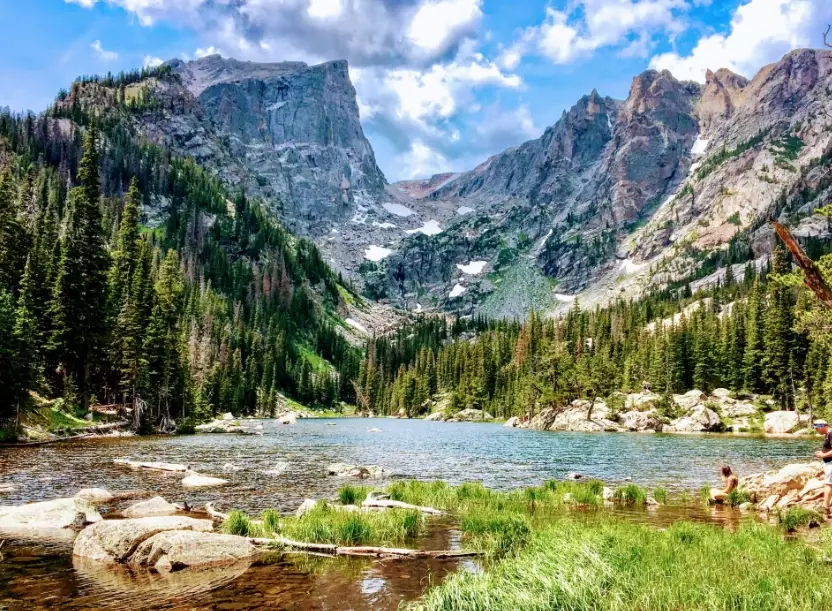
| Cliff Dwelling Tour | Difficulty & Key Features | Booking Notes |
|---|---|---|
| Cliff Palace | Moderate. Involves climbing several short ladders and some tight spaces. The largest cliff dwelling in North America. | Tickets available up to 14 days in advance on Recreation.gov. 8 AM MT release. |
| Balcony House | Strenuous. Features a 32-foot ladder, crawling through a 12-foot tunnel, and climbing stone steps. The most adventurous tour. | Same as Cliff Palace. Not for those with a fear of heights or claustrophobia. |
| Long House | Moderate. Located on Wetherill Mesa, it's less crowded. Involves two 15-foot ladders and a 0.5-mile walk. | Also on Recreation.gov. Wetherill Mesa road is only open seasonally. |
| Step House | Self-guided. A shorter, easier option where you can see both pit houses and a cliff dwelling. | No ticket needed. Available on a first-come basis at the Wetherill Mesa kiosk. |
What if you can't get a tour ticket? Don't despair. The park is still incredible. The Mesa Top Loop Road is a 6-mile driving loop with stops at overlooks where you can see Cliff Palace, Square Tower House, and others from across the canyon. The Museum is top-notch and provides essential context. The hike to Petroglyph Point is fantastic—you see rock art and get great views.
A Word on Respect: These are not ruins. They are ancestral homes. The descendants of the people who built these dwellings, the 26 Pueblo and Tribal nations, consider them sacred. Stay on marked paths, don't touch the walls, and follow all ranger instructions. It's a privilege to be there.
Great Sand Dunes National Park and Preserve: The Surreal One
This place breaks your brain. You're driving through the San Luis Valley, seeing the Sangre de Cristo Mountains ahead, and then... giant golden sand dunes pile up at their base. It looks like the Sahara decided to crash into the Rockies. It's the tallest dunes in North America, and they're constantly shifting and changing.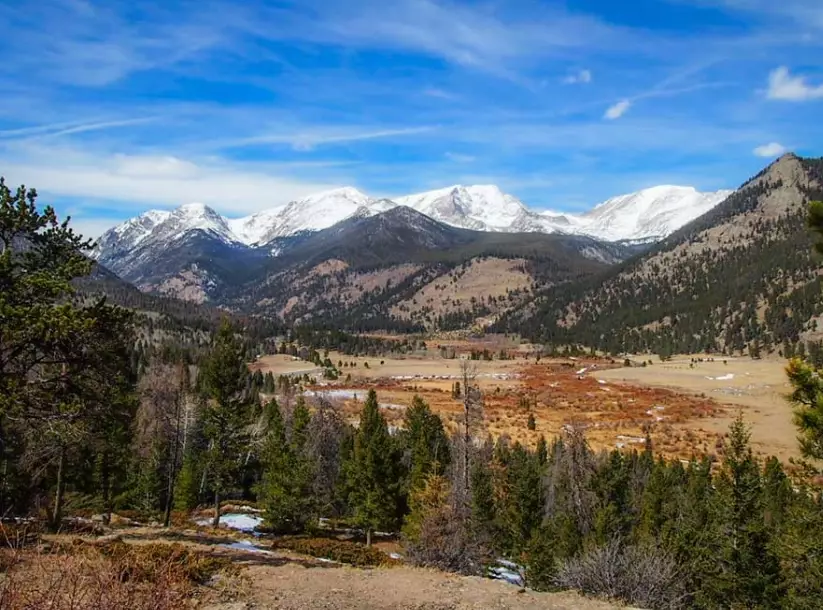
The main activity here is so simple and so fun: sand sledding and sandboarding. But you can't use a regular sled or snowboard. The sand is different. You need a special board or sled with a slick base. You can rent them in the nearby town of Alamosa or at the Oasis Store just outside the park entrance.
The best time to do this is either in the morning or late afternoon. Midday in summer, the sand surface temperature can hit 150°F. That's not a typo. It will burn your feet. So plan your dune adventures for the cooler parts of the day.
High Dune vs. Star Dune
Most people hike up the first big dune ridge they see from the parking lot, often called “High Dune.” It's not actually the highest, but it's a tough 650-foot vertical climb that feels like two steps up, one slide back. The view from the top is spectacular.
Then there's Star Dune, the tallest in the park at about 750 feet. It's a full-day, expert-level trek of around 8 miles round trip across the dune field with no marked trail. You need excellent navigation skills, tons of water, and to be prepared for extreme conditions. For 99% of visitors, High Dune is the perfect challenge.
Secret Season: Visit in late spring (May-early June). The snowmelt from the mountains creates Medano Creek, a wide, shallow “beach” at the base of the dunes. Kids splash, adults relax, and you have this incredible contrast of water, sand, and mountains. The creek flow is highly variable, so check the National Park Service website for current conditions before you go.
At night, this park becomes one of the best places for stargazing in Colorado. The lack of light pollution is incredible. The park even has a “dark sky” designation.
Sitting on a cool dune at midnight, looking up at the Milky Way... it's humbling.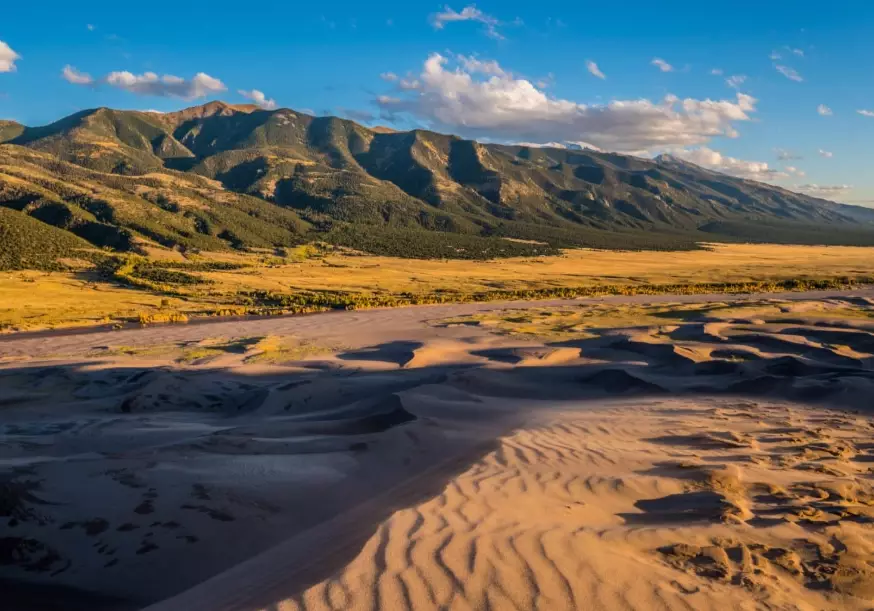
Black Canyon of the Gunnison National Park: The Deep, Dark Secret
This is the park that most people skip, and that's their loss. It doesn't have the fame of Rocky Mountain or the unique hook of the dunes. But what it has is raw, jaw-dropping intensity. The Gunnison River has spent two million years carving this narrow, sheer-walled canyon. In places, it's deeper than it is wide. The sunlight only hits the bottom for a few minutes a day in some spots, hence the “Black” Canyon.
It's split into two rims: the more developed and easily accessible South Rim, and the more remote, unpaved North Rim. Most visitors stick to the South Rim, and that's perfectly fine. The drive along the South Rim Road has about a dozen overlooks, each one more dizzying than the last.
- Gunnison Point: Right by the visitor center. A great first taste.
- Pulpit Rock Overlook: Gets you a bit more out over the abyss.
- Painted Wall View: The must-see. This is where you get the full view of the canyon's tallest cliff face, the Painted Wall, streaked with pink pegmatite veins. It's nearly 2,250 feet tall—twice the height of the Empire State Building's roof.
Now, about hiking into the canyon. This is not a casual stroll. The inner canyon routes are unmaintained, steep, rugged, and require a wilderness permit (free, but you must watch a safety video at the visitor center). Routes like the Gunnison Route or the Tomichi Route involve navigating steep gullies, loose rock, and sometimes fixed chains. This is for experienced, prepared hikers only. The park's official materials don't sugarcoat it—people get hurt here.
I hiked partway down the Gunnison Route. Let me tell you, the “chained section” is no joke. It's straight down on slippery gravel. Going down was scary. Coming back up was a brutal, lung-burning slog. The reward was incredible silence at the bottom, but I was sore for days. Be realistic about your fitness level.
Planning Your Trip: The Practical Stuff
Okay, so you're inspired. How do you make it happen? Let's cut through the noise.
When to Go (The Real Answer)
“Best time” depends on what you hate more: crowds or cold.
- Rocky Mountain: Late June to early October is prime for alpine access (Trail Ridge Road is usually open Memorial Day to mid-October). July and August are gorgeous but packed. September is my personal favorite—fewer people, fall colors, but snow can come early.
- Mesa Verde: Spring (May) and Fall (September-October). Summer is hot and crowded with tour buses. Some cliff dwelling tours and Wetherill Mesa don't open until late May.
- Great Sand Dunes: Late May to early June for the creek. September for pleasant temperatures. Winter is cold but magical, and you can sled on the dunes with snow in the background.
- Black Canyon: South Rim is open year-round, but the road is plowed only to the visitor center in winter. Summer and fall are best for full access.
Getting Around and Where to Stay
You need a car. Public transport to and around these parks is virtually non-existent. A regular sedan is fine for the main roads in all parks, but if you want to explore more remote areas like the Medano Pass Primitive Road at Great Sand Dunes or the North Rim of Black Canyon, check road conditions and consider higher clearance.
Lodging:
- Inside the Parks: Options are limited and book up a year in advance for summer. Rocky Mountain has the historic Grand Lake Lodge and cabins. Mesa Verde has the Far View Lodge. Black Canyon has a campground but no lodge. Great Sand Dunes has a campground.
- Gateway Towns: This is where most people stay. Estes Park for Rocky Mountain. Cortez or Mancos for Mesa Verde. Alamosa for Great Sand Dunes. Montrose or Gunnison for Black Canyon. Book early.
The Altitude is Real: Denver is the “Mile High City” at 5,280 feet. Trail Ridge Road goes over 12,000 feet. You will feel it. Headaches, shortness of breath, fatigue. Drink absurd amounts of water (like, double what you think you need), go easy on alcohol, and don't push yourself too hard the first day or two. If you feel seriously ill, descend and seek help.
Answering Your Big Questions
Final Thoughts Before You Go
Visiting the national parks in Colorado isn't a passive vacation. It's an active engagement with some of the most powerful landscapes in the country. It requires planning, flexibility, and respect. Check the official National Park Service (NPS) website for each park religiously before you go. Road conditions, fire bans, permit details, and alerts change constantly.
Buy an America the Beautiful Annual Pass ($80). If you visit just two of these parks, it pays for itself (each park is $25-$35 per vehicle).
Most importantly, have a plan but be ready to abandon it. A thunderstorm might roll in and shut down the alpine ridge hike you wanted. A tour might be canceled. That's okay. Some of my best memories from these parks are the unplanned ones—watching a storm move across the valley from the porch of the Mesa Verde lodge, or chatting with a ranger at Black Canyon who pointed out a peregrine falcon nest.
These places have a way of surprising you.
They're more than just a checklist. The national parks in Colorado are a reminder of scale, of history, and of the raw, beautiful power of the natural world. Go see them.