Let's be honest. When you think of a US national park, you probably picture towering trees, gushing waterfalls, or snow-capped peaks. But some of the most profound, humbling, and starkly beautiful landscapes in the system are found in the desert. These aren't barren wastelands. They're ecosystems of incredible resilience, filled with life that has adapted in mind-bending ways. Planning a trip to a desert national park, however, is a different beast than heading to Yellowstone. Get it wrong, and it's miserable—or dangerous. Get it right, and you'll experience solitude, surreal geology, and night skies that'll ruin you for anywhere else.
Your Quick Desert Trip Navigator
What are the must-see desert national parks?
Each desert park has its own personality. Picking the right one depends on what you're after: epic scale, weird plants, or feeling like you're on Mars.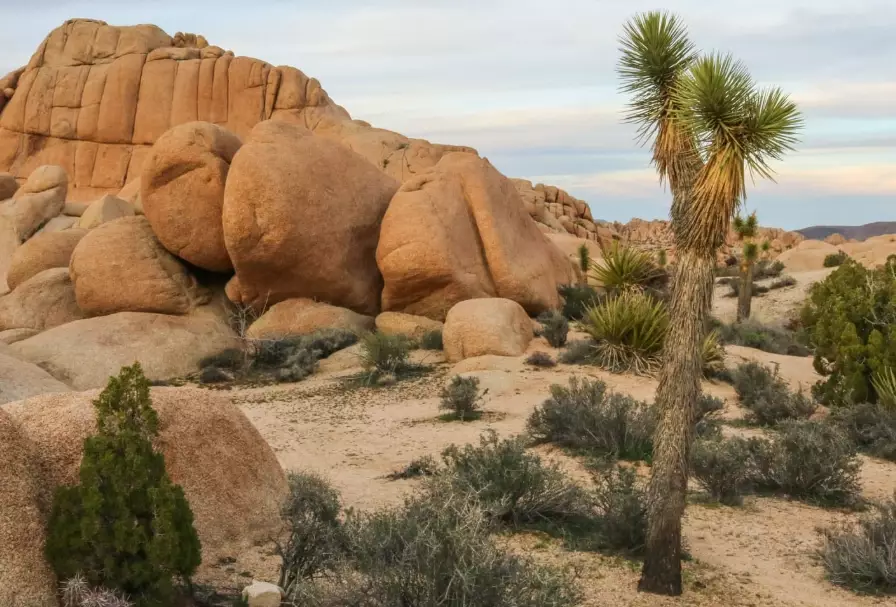
Death Valley National Park (California/Nevada)
This is the heavyweight champion. The hottest, driest, lowest national park in the US. Let me tell you, underestimating Death Valley is a mistake I made once. The sheer scale is disorienting. You drive for what feels like forever between points of interest. But that's part of the magic.
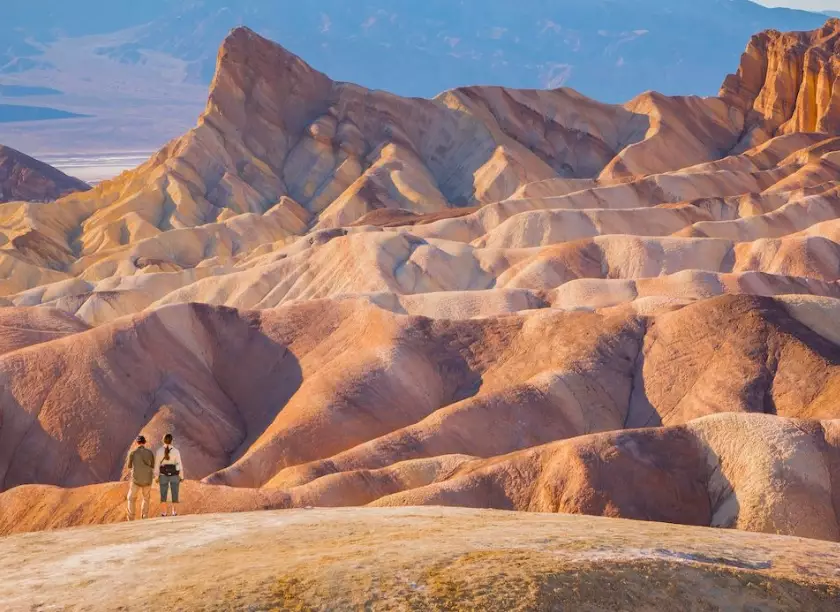
Don't just see Badwater Basin (the lowest point at 282 feet below sea level) and leave. The real gems are at sunrise and sunset. Mesquite Flat Sand Dunes at first light are magical. Zabriskie Point looks like a melted rainbow. For a real adventure, if you have a high-clearance vehicle, the 4x4 road into Titus Canyon is unforgettable.
Practical Info: The main entrance is on CA-190. The park is open 24/7, but Furnace Creek Visitor Center has specific hours. Entrance is $30 per vehicle (good for 7 days). Gas up in Beatty or Lone Pine before entering; gas inside the park is painfully expensive.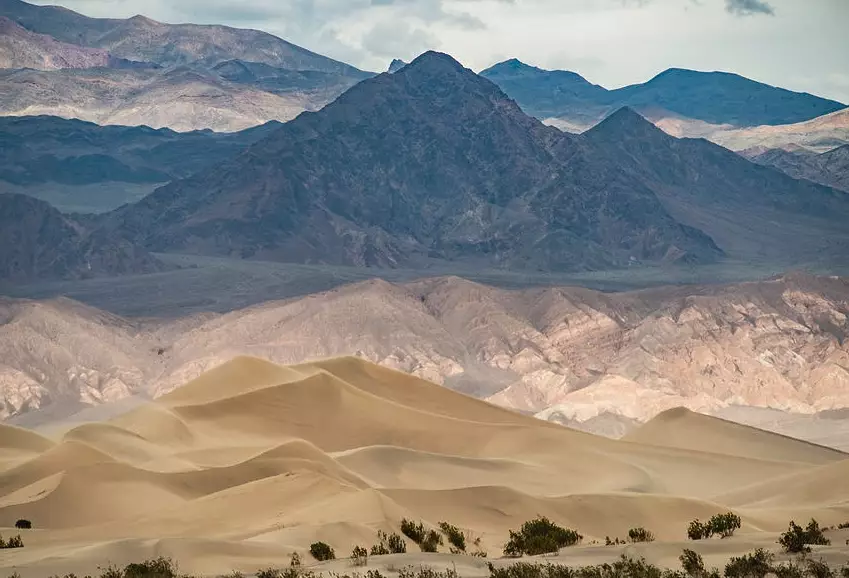
Grand Canyon National Park - South Rim (Arizona)
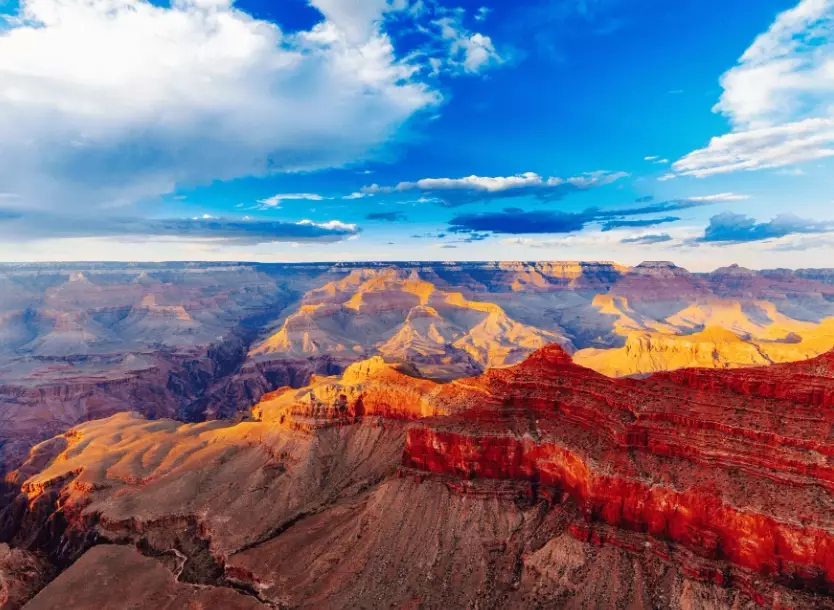
Yes, it's a canyon, but the South Rim sits on the edge of the high desert of the Colorado Plateau. The environment here is piñon-juniper woodland, but it's arid, rocky, and exposed. The desert vibe comes from the sheer, waterless expanse and the way the light bakes the rocks.
Most people cluster around Mather Point. Walk even half a mile along the Rim Trail in either direction, and the crowds thin dramatically. For a quiet, classic view, Hopi Point is my favorite for sunset. The drive to Desert View Watchtower on the East Rim is worth it for a different perspective.
Practical Info: The South Rim is open year-round. $35 per vehicle. The gateway town is Tusayan. Reservations for everything—lodging, campgrounds, even some restaurants—are essential months in advance.
Saguaro National Park (Arizona)
This park is split into two districts east and west of Tucson, and it's a celebration of the iconic saguaro cactus. It feels more intimate than the vast expanses of Death Valley. Here, you're walking among giants. Some of these cacti are over 150 years old.
The West (Tucson Mountain) District has denser, more photogenic forests of saguaros against rocky hills. The East (Rincon Mountain) District is higher, greener, and has longer hiking trails. Do the scenic drives in both, but get out and walk the Desert Ecology Trail (West) or the Cactus Forest Loop (East) to really appreciate them.
Practical Info: $25 per vehicle. Tucson is your base. Visit in late spring to see the saguaros crowned with white blossoms, or in July to see the fruit ripe (if you're lucky).
| Park | Location | Best Time to Visit | Key Experience | Entrance Fee (Vehicle) |
|---|---|---|---|---|
| Death Valley NP | California/Nevada | Oct-Apr (Winter/Spring) | Scale & Extremes (Badwater, Dunes) | $30 |
| Grand Canyon (South Rim) | Arizona | Mar-May, Sep-Nov (Shoulder Seasons) | Iconic Views & Rim Hikes | $35 |
| Saguaro NP | Arizona (Tucson) | Oct-Apr, Late Spring for blooms | Cactus Forests & Desert Walks | $25 |
| Joshua Tree NP | California | Oct-May | Bizarre Rock Formations & Stargazing | $30 |
| Great Basin NP | Nevada | Jun-Sep | Alpine Islands & Ancient Bristlecones | Free |
How to Plan Your Desert National Park Trip
Forget the spontaneous road trip mindset. Desert travel requires intention.
Season is Everything: Summer (Jun-Aug) in places like Death Valley or Mojave is for experts and masochists. I mean it. Daytime temperatures regularly hit 115°F+ (46°C+). Shoulder seasons (Spring & Fall) are king. October through April is the sweet spot for most Southwestern desert parks. Wildflowers might pop in spring after a wet winter.
Itinerary Pace: Slower is better. The distances are huge, and the heat is draining. Plan one major activity (a hike, a scenic drive) for the early morning, and another for late afternoon. The middle of the day? That's for lunch, a visitor center film, or a nap. Seriously.
Where to Stay: Options are limited and book up fast.
- Inside the Park: Lodges like Furnace Creek Ranch (Death Valley) or El Tovar (Grand Canyon) offer convenience but need reservations 6-12 months out.
- Camping: Fantastic for stargazing. Reserve sites the second they become available. Some parks offer first-come, first-served, but arrive early.
- Gateway Towns: Beatty for Death Valley, Tusayan for Grand Canyon, Tucson for Saguaro. More dining and supply options, but you'll add drive time.
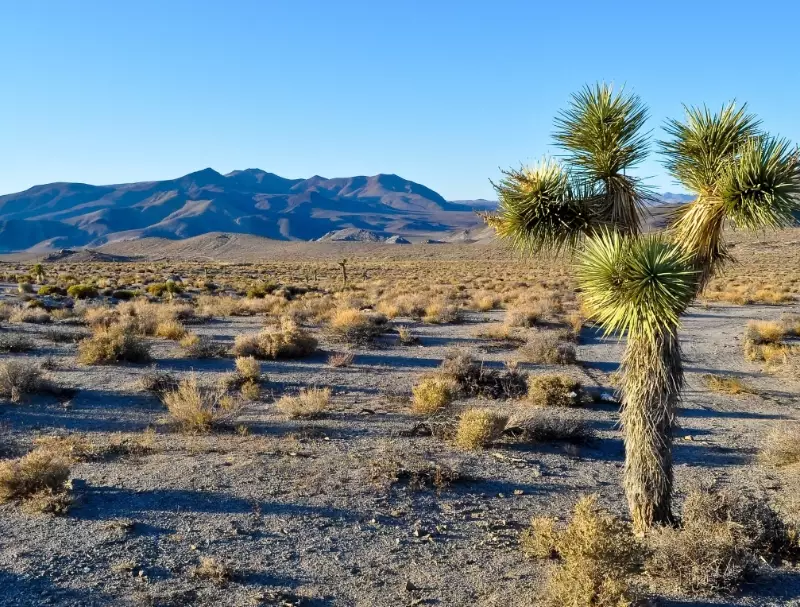
How do you stay safe in extreme desert heat?
This isn't about comfort; it's about preventing heatstroke, which can be fatal.
Clothing is Armor: Long-sleeved, light-colored, loose-fitting shirts and pants made of moisture-wicking fabric (like merino wool or synthetics) are better than shorts and a tank top. They shield your skin from the sun and actually keep you cooler by promoting sweat evaporation. A wide-brimmed hat (not a baseball cap) and UV-blocking sunglasses are non-negotiable.
Listen to Your Car Too: Overheating is a real risk. Check coolant and tire pressure before you go. Tires can blow out on hot pavement if under-inflated. Never, ever let your gas tank get below half full. Services are far apart.
Tell Someone Your Plans: Cell service is non-existent in vast areas. Before any hike, even a short one, write down your route and expected return time and leave it on your dashboard or with someone back home.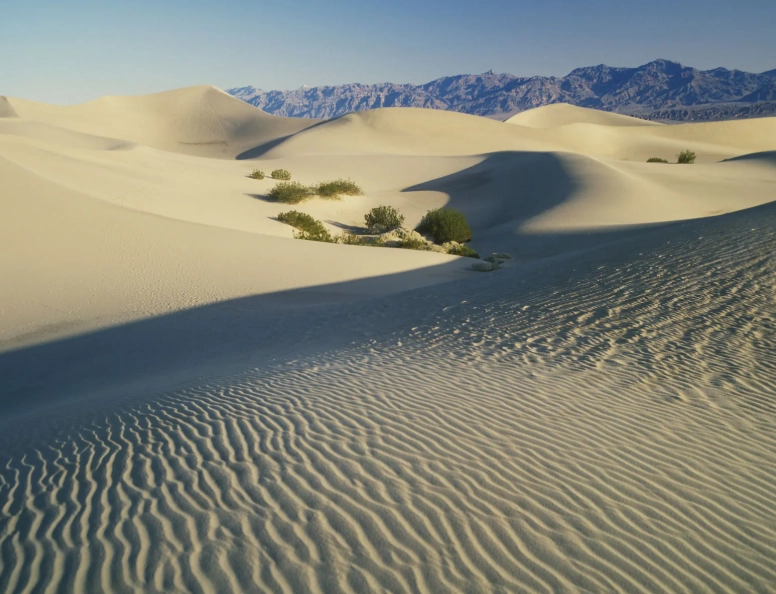
Desert Photography: Capturing the Light and Vastness
The light in the desert is harsh and beautiful. Midday photos often look flat and washed out.
Shoot at the Golden Hours: The hour after sunrise and before sunset is pure magic. The low angle creates long shadows that define the texture of sand dunes and rock faces. The light turns warm and golden.
Compose for Scale: The vastness is hard to capture. Include a person, your backpack, or a known object (like a specific cactus) in the frame to give a sense of how massive the landscape is.
Protect Your Gear: Sand and dust are the enemies of cameras. Keep gear in a sealed bag when not in use. Use a lens cloth to clean carefully. Avoid changing lenses in windy, sandy conditions.
Don't Forget the Night: Desert parks are some of the best places on Earth for astrophotography due to minimal light pollution. Bring a tripod, learn how to do manual long exposures, and capture the Milky Way arching over a silhouette of a Joshua tree or a canyon rim.