Quick Navigation
- The First Big Choice: South Rim vs. North Rim – It's Not Even Close
- Where to Get That Perfect View (Without the Elbow Jabs)
- Hiking the Grand Canyon: It's Not a Walk in the Park
- Beyond the Hike: Other Ways to Experience the Canyon
- When to Go: Timing is Everything
- Stuff Nobody Tells You: The Nitty-Gritty
- Your Grand Canyon Questions, Answered
- The Final Word: Respect the Canyon
Let's be honest. You've seen the pictures. You know it's big. You know it's in Arizona. But standing there on the edge for the first time? Your brain short-circuits. It doesn't look real. It looks like a painting someone left out in the sun too long, all those layers of red and orange and purple. That's the Grand Canyon National Park for you—a place that somehow manages to be exactly what you expected and completely unimaginable at the same time.
I've lost count of how many times I've been. I've gone with friends who just wanted the Instagram shot, with family who complained about the heat, and by myself just to stare into the void for a while. Each trip taught me something new, and more importantly, showed me what most first-timers get wrong. Most guides just list facts. I want to tell you what it actually feels like and how to navigate the place without the headache. Because planning a trip here can be overwhelming. South Rim or North Rim? Where do you even start hiking? Is it worth the crazy entrance fee? (Spoiler: yes, but you need to know how to use your time).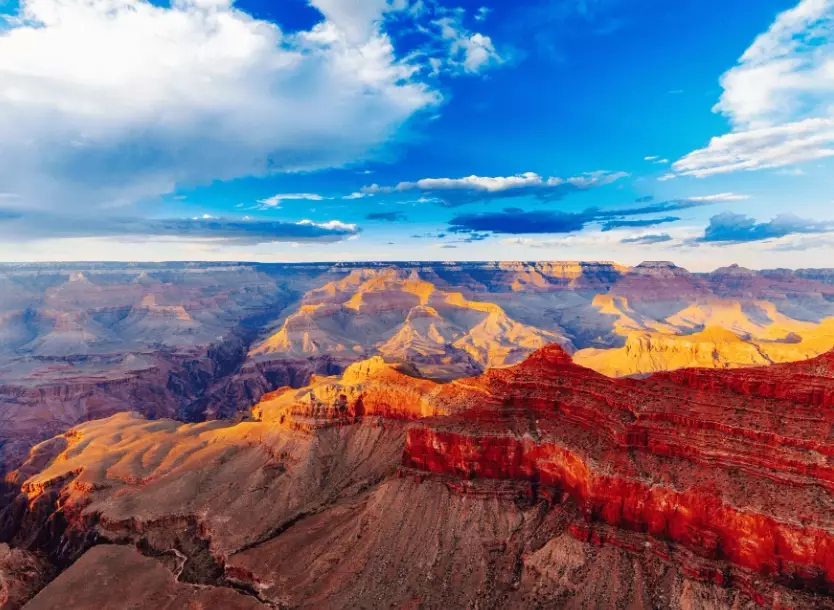
The First Big Choice: South Rim vs. North Rim – It's Not Even Close
This is the decision that shapes your entire trip. Most people don't realize the two main developed areas are over 200 miles apart by road—a 4-5 hour drive. They are different worlds.
The South Rim is the superstar. It's open year-round, has tons of services (lodges, restaurants, a big visitor center), and is where you'll find those iconic, wide-open panoramic views you see in movies. It's also where 90% of the visitors go. That means crowds, especially at sunrise and sunset at popular spots like Mather Point. Don't get me wrong, the views are spectacular. But you'll be sharing them.
The North Rim is the introverted sibling. It sits about 1,000 feet higher than the South Rim, so it's cooler and gets more snow. Because of that, it's only open from mid-May to mid-October. The facilities are more limited—think one grand lodge, a campground, and a general store. But here's the thing: the views are quieter, the forests of pine and aspen are lush, and the overall vibe is peaceful. The canyon looks different from here; it feels more intimate, maybe because you have to work a little harder to get there.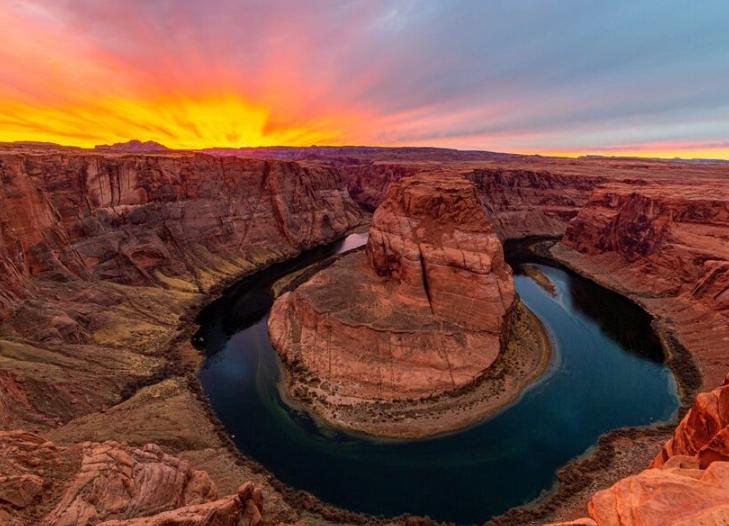
| Feature | South Rim | North Rim |
|---|---|---|
| Access & Season | Open all year. Easy access from I-40 and Flagstaff. | Open seasonally (approx. May 15 – Oct 15). Remote location. |
| Crowds | Very high, especially in summer and holidays. | Significantly lower. A fraction of South Rim visitors. |
| Vibe & Landscape | Classic, expansive desert views. More developed. | Higher elevation, forested rim. More secluded feel. |
| Best For | First-timers, families, easy access, full services, iconic photos. | Repeat visitors, solitude, cooler weather, backpackers seeking quiet trails. |
| My Honest Take | The crowds can be a buzzkill, but you can't beat the convenience and those first-time views. Get up early. | My personal favorite for a relaxing trip. The drive is long, but it feels like a real getaway. |
So which one should you pick? If it's your first and possibly only visit to Grand Canyon National Park, go to the South Rim. It has the accessibility and the quintessential experience. If you hate crowds, love cooler weather, and have an extra day for travel, the North Rim is a magical alternative. Some hardcore folks visit both, but that's a lot of driving.
Where to Get That Perfect View (Without the Elbow Jabs)
You didn't come all this way to stare at a gift shop. Finding the right viewpoint is an art form. Let's break it down by rim.
South Rim Viewpoints: Beyond Mather Point
Everyone and their uncle heads to Mather Point, right by the visitor center. It's stunning, sure. But walk five minutes down the Rim Trail to the east or west and you'll find equally great views with half the people.
Yaki Point and Grandview Point (accessible via the park's free shuttle bus on the Hermit Road route in summer) are absolute gems. Yaki gives you a killer look down the Colorado River, and Grandview lives up to its name—the vista is massive. For sunset, I'm partial to Hopi Point. It juts out into the canyon, giving you a 270-degree spectacle. Get there at least an hour before sunset to claim a spot of rock.
A little secret? Most people cluster within a mile of the visitor center. The further you walk or shuttle along the rim, the thinner the crowds get.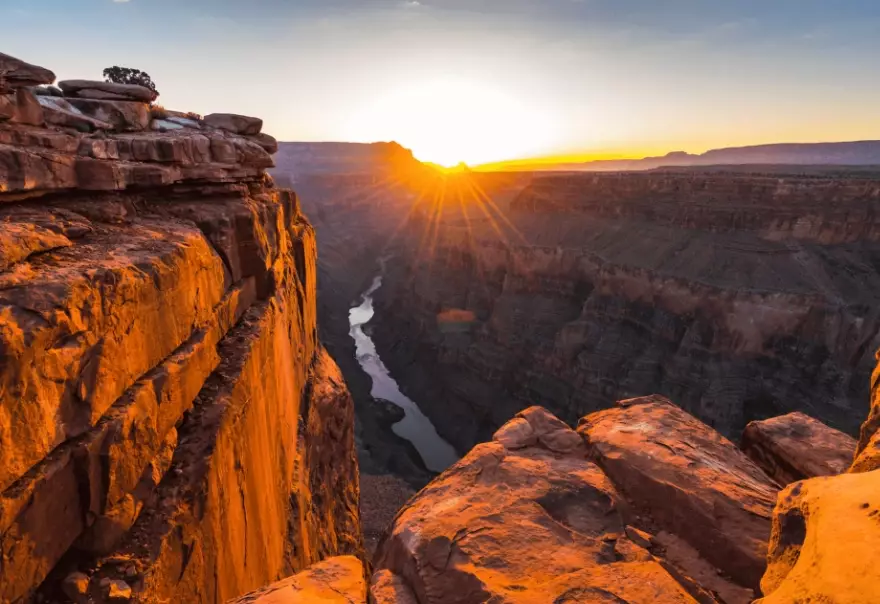
North Rim Viewpoints: Serenity Now
The North Rim experience is slower. Bright Angel Point is the classic, an easy half-mile walk from the lodge with insane views. But the crown jewel is Cape Royal. It's a 45-minute drive from the lodge, but the paved, flat trail at the end leads to arguably the most majestic panorama in the entire park. You can see the Colorado River, the desert landscapes, and the South Rim all from one spot. On a clear day, it's humbling.
Point Imperial is the highest point on either rim. The view is different—less of the deep inner canyon, more of the vast, painted wilderness stretching to the horizon. It's quieter than Cape Royal, perfect for a picnic.
Hiking the Grand Canyon: It's Not a Walk in the Park
This is where people get into trouble. Hiking into the Grand Canyon is a serious undertaking. The number one rule they drill into you, and it's 100% correct: Going down is optional. Coming up is mandatory. The descent is deceptively easy. The ascent is a brutal, steep, sun-exposed climb. Every year, the park rescues hundreds of unprepared hikers.
So, what can you do? Plenty. Here's a realistic look at popular trails.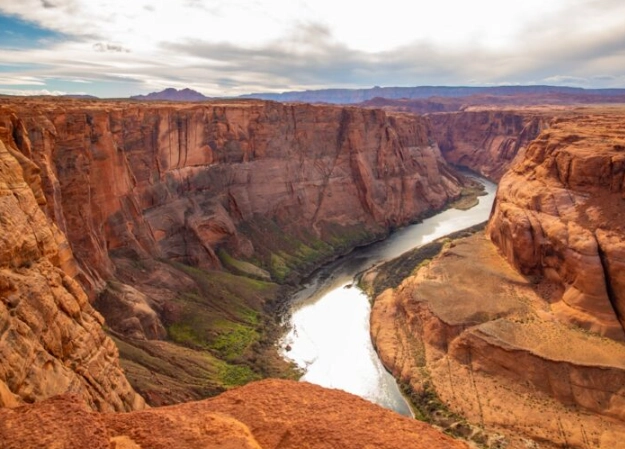
| Trail Name (Rim) | Difficulty & Description | Realistic Turnaround Goal (Day Hike) | My Notes & Tips |
|---|---|---|---|
| Bright Angel Trail (South) | Well-maintained, steep, has water stations (seasonal) and resthouses. The park's workhorse trail. | 1.5 Mile Resthouse (3 mi round-trip) or 3 Mile Resthouse (6 mi RT). Going to Indian Garden (9 mi RT) is a full, tough day. | Most popular for a reason. The resthouses are lifesavers. Start before 7 AM. Crowded near the top. |
| South Kaibab Trail (South) | Steeper, more direct, with absolutely jaw-dropping views the entire way. No water available. | Ooh Aah Point (1.8 mi RT) or Cedar Ridge (3 mi RT). | My favorite for views. No water means you must carry ALL you need. Exposed—very hot in summer. |
| North Kaibab Trail (North) | The only maintained trail into the canyon from the North Rim. Long, steep, and spectacular. | Supai Tunnel (4 mi RT) or, for a bigger day, Roaring Springs (9.4 mi RT). | Quieter than South Rim trails. The climb back up from Roaring Springs is no joke—allow all day. |
| Rim Trail (Mostly South) | Mostly flat, paved pathway along the rim. Connects viewpoints and villages. | Walk any section you like. Hop on/off the shuttle. | Perfect for everyone. Accessible, stunning views with zero canyon descent. Do at least a mile of it. |
My personal strategy? On a day hike, I pick a turnaround time, not a destination. When my watch says it's time to head back, I turn around, no matter how close I think I am to that next bend. The canyon will humble you if you get greedy. For accurate, critical trail updates and conditions, always check the official Grand Canyon National Park website before you go.
Beyond the Hike: Other Ways to Experience the Canyon
Not everyone wants to (or can) hike down a vertical mile. Luckily, the Grand Canyon National Park offers other incredible perspectives.
Mule Rides: Yes, they're a thing. They book up months (sometimes a year) in advance. It's a unique way to descend into the canyon without using your own legs. They're expensive and follow a strict schedule, but for some, it's a once-in-a-lifetime experience. You can book these through the park's authorized concessionaire.
Colorado River Rafting: This is the ultimate adventure, seeing the canyon from the bottom up. Trips range from 3 days to 3 weeks, on motorized rafts or oar-powered boats. Permits are fiercely competitive, often awarded by lottery years in advance. Most people go through a licensed outfitter. The U.S. Geological Survey has fascinating resources on the river's role in carving the canyon, which makes a rafting trip even more meaningful.
Scenic Flights: Helicopter and small plane tours depart from towns outside the park like Tusayan. They give you a sense of the canyon's immense scale that you simply can't get from the ground. The environmental impact is a valid concern, so research companies that follow best practices if this is on your list.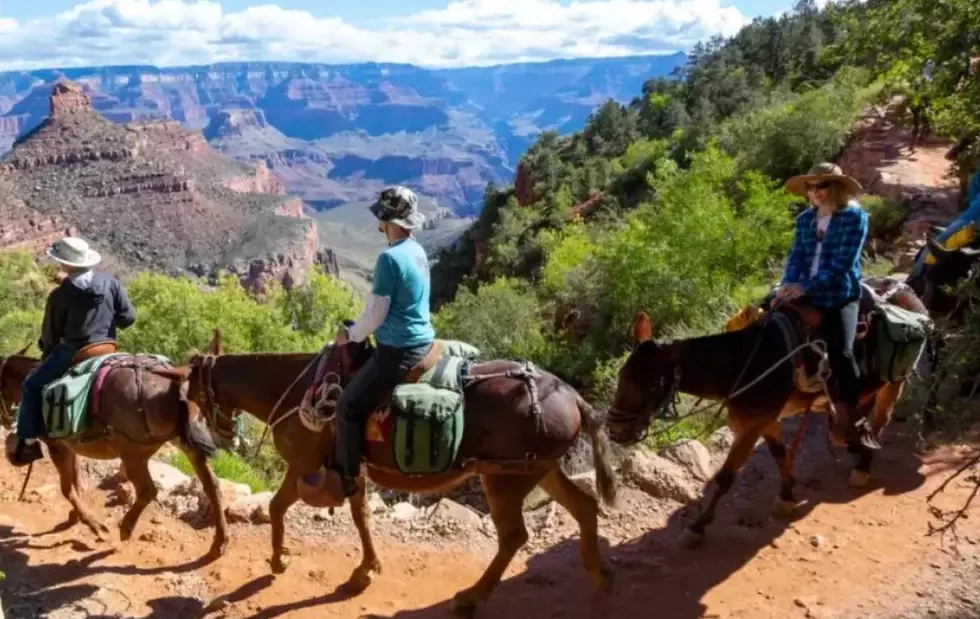
When to Go: Timing is Everything
There's no universally "perfect" time. Each season has its own personality and challenges.
- Spring (April-May) & Fall (Sept-Oct): The sweet spot for most. Daytime temps on the rim are pleasant (60s-70s °F). Crowds are high in spring break and fall weekends, but manageable. This is prime hiking weather.
- Summer (June-August): South Rim is packed. North Rim is pleasant but busy. The rim is warm, but the inner canyon is an oven. If you go in summer, you must hike only at dawn, carry immense amounts of water, and stick to short trails. Afternoon thunderstorms are common in July/August.
- Winter (Nov-March): South Rim is open but can be cold and snowy. Crowds are light, and the canyon dusted with snow is breathtakingly beautiful. Many services on the North Rim are closed. This is for the hardy, prepared traveler who doesn't mind bundling up.
I've been in July and in February. July felt like a theme park. February felt like I had the place to myself, but I was wearing three layers and microspikes on my boots for the ice. I'd pick shoulder seasons every time.
Stuff Nobody Tells You: The Nitty-Gritty
This is the practical advice that saves trips.
Entrance Fee: It's $35 per vehicle for a 7-day pass. If you visit more than two national parks a year, just buy the America the Beautiful Annual Pass for $80. It pays for itself.
Where to Stay: Inside the park lodges (like El Tovar or Bright Angel Lodge on the South Rim) book up a year in advance for peak seasons. They're historic and convenient. If they're full, look in Tusayan (just south of the South Gate) or in the town of Williams or Flagstaff (about an hour away). Campgrounds also book out months ahead on Recreation.gov.
What to Pack (Seriously):
- Water, Water, Water: More than you think. A gallon per person per day for hiking is not an exaggeration.
- Electrolytes: Gatorade powder or tablets. Chugging plain water in the dry heat can lead to hyponatremia.
- Sun Protection: Hat, sunglasses, SPF 50+ sunscreen. The sun is intense and reflects off the rocks.
- Good Footwear: Hiking boots or trail runners with grip. Do not hike in flip-flops or old sneakers. I've seen it. It ends badly.
- Layers: Temperatures swing wildly, especially between rim and river. A morning can start at 40°F and hit 80°F by noon.
Your Grand Canyon Questions, Answered
The Final Word: Respect the Canyon
Grand Canyon National Park is a UNESCO World Heritage Site for a reason. It's fragile and formidable. The biggest mistake you can make is underestimating it. Come prepared, stay on designated trails, pack out all your trash (yes, even orange peels), and give the wildlife space.
It's more than a checklist item. It's a place that forces you to slow down, to feel small in the best possible way, and to appreciate the raw power of nature and deep time.
Plan well, respect the rules, and let yourself be awestruck. You won't forget it.