Quick Guide to Climbing Ethics
You know that feeling? You're at a new crag, psyched to get on some rock, but there's this nagging voice in the back of your head. Can I brush that chalk tick? Is that fixed draw okay to use? Should I have even driven my car this close to the trailhead? That voice, my friend, is your conscience bumping up against the vast, complex, and often confusing world of climbing ethics.
It's not about being a goody-two-shoes. It's about the soul of the sport. Climbing ethics are the collective agreements—sometimes written, often whispered—that determine how we interact with the rock and with each other. Get them wrong, and you might just get the stink-eye from the local crew. Get them right, and you become part of a tradition that stretches back decades.
I remember my first major ethical blunder. It was at a sandstone crag, and I spent twenty minutes meticulously cleaning what I thought was a loose block. Felt proud, like I was doing a service. Later, an old-timer ambled over, looked at my handiwork, and just sighed. "Son," he said, "that wasn't a loose block. That was a crucial crimp for the classic line next to it. You just scrubbed off thirty years of patina." My face burned. I'd broken a fundamental rule without even knowing it existed. That moment taught me more than any guidebook ever could: climbing ethics aren't abstract; they're etched into the very rock we love.
Climbing Ethics 101: More Than Just Rules
So, what are we actually talking about? At its core, climbing ethics is a framework for minimizing our impact and maximizing respect—for the environment, for other climbers, and for the adventure itself. It's the reason we don't all just bolt every line we see. It's why we pack out our tape and energy bar wrappers. It's the glue that holds a disparate community together across different rock types and continents.
Think of it this way: Traffic laws keep cars from crashing. Climbing ethics keep our climbing areas from being loved to death and our community from fracturing into angry factions. They're the preventative medicine for access issues.
The foundation for a lot of this is the Leave No Trace (LNT) principle, which has been adapted beautifully for climbing. The folks at the Leave No Trace Center for Outdoor Ethics provide the bedrock, but climbers have built their own house on top of it. It's not just about trash; it's about chalk, about vegetation, about noise, about how we approach the cliff.
But here's where it gets messy. Unlike LNT, which is pretty universal, climbing ethics are hyper-local. A practice that's standard in Spain might be a cardinal sin in Utah. A technique welcomed in Germany could get you banned in the UK. This regional variance is what makes the topic so tricky—and so fascinating.
The Seven Pillars of Climbing Ethics (A Non-Dogmatic List)
Let's break down the big ideas. These aren't commandments carved in stone (pun intended), but they're the recurring themes you'll find in almost every discussion about how we should behave on the rock.
- Minimize Tangible Impact: This is the obvious one. Pack out everything you brought. That includes fruit peels, which take forever to decompose. Minimize chalk use (colored chalk can be a great alternative to white). Stick to established trails. Don't damage vegetation for a better hold or a clearer view.
- Respect the Rock's Integrity: This is the biggie for traditionalists. The rule is simple: don't alter the rock to make a climb easier. No chiseling holds ("chipping"), no gluing loose rocks back on ("glomming"), no aggressive cleaning that changes the character of the route. The rock is the ultimate arbiter of difficulty.
- Understand the Style: This is about honoring the way a route was first ascended. If it was done as a trad lead, that sets a precedent. If it was climbed clean (without resting on gear), that's the style to aim for. Retro-bolting a classic trad line is one of the fastest ways to ignite a local ethics war.
- Prioritize Safety (But Not at All Costs): Safety is paramount, but it's not a blanket excuse for changing a route. Sometimes the ethic is the danger. The run-out on that classic are part of its history and challenge. Adding bolts might make it safer, but it would destroy its soul. The choice then becomes: climb it in its original style, or don't climb it.
- Practice Fairness & Honesty: Did you really send it if you pulled on a quickdraw? Be honest about your ascents. Don't claim an onsight if you had beta. This extends to guidebooks and online logs—accuracy matters for the historical record.
- Foster Community & Access: We're all guests on the land. Be friendly at the crag. Share knowledge. Advocate for access. Organizations like the Access Fund in the US work tirelessly to keep areas open, often by proving that climbers are responsible stewards. Your ethical behavior directly supports their work.
- When in Doubt, Ask a Local: This is the golden rule. The local climbing community holds the institutional memory. They know which pockets are fragile, which anchors are suspect, and which lines are off-limits during nesting season. A quick, respectful question can prevent a lifetime of regret.
Regional Ethics: A World of Difference
This is where the rubber meets the road—or rather, where the rock shoe meets the granite. You can't talk about climbing ethics without acknowledging that the "right" thing to do changes with the postal code. Ignoring this is how you become that climber.
Let's look at a few major schools of thought. The table below is a gross oversimplification, but it highlights the key philosophical divides.
| Region / Style | Core Ethic | Bolting View | Cleaning View | A Classic Example |
|---|---|---|---|---|
| British Traditional | Adventure & self-reliance above all. The leader must not fall. | Extremely restrictive. Bolts are often seen as a last resort for belay/rappel only. Placing a bolt on a lead is a major ethical breach. | Minimal. Rock is climbed as found. Loose rock is part of the game. | Peak District gritstone. No bolts. Gear placed in natural features only. A fall can be very serious. |
| American Traditional (e.g., Yosemite, Gunks) | Preservation of the original adventure and style. | Generally bolt-free on established crack lines. Bolting is for blank faces where natural gear is impossible. Fixed anchors are debated. | Cleaning of loose rock and vegetation is accepted to establish safe, clean lines. | Yosemite's El Capitan. Routes are climbed with removable gear. Retro-bolting a classic like The Nose would cause an uproar. |
| European Sport (e.g., France, Spain) | Climbing as a gymnastic pursuit on safe, permanent protection. | Bolts are the norm. Routes are often equipped from the top ("à point") to create safe, logical lines. The ethic is in the difficulty of the moves, not the danger. | Aggressive. Routes are often cleaned and prepared extensively before the first ascent to create a pure line of movement. | Ceüse, France. A steep, bolted limestone paradise. The ethic is about climbing the hardest sequence, not managing risk. |
| Alpine & Big Wall | Practicality and survival in a committing environment. | Mixed. Bolts may be used for crucial belays or rappels on long routes where natural anchors are absent. "Bolt wars" are rare here—the mountains enforce their own ethics. | Cleaning loose rock for safety is often encouraged. The line between cleaning and manufacturing can be blurry. | The North Face of the Eiger. Ethics focus on self-sufficiency and speed. Gear left behind for rappel is standard. |
See what I mean? The idea of "correct" climbing ethics melts away. In the UK, gluing a hold might get you banned. In some sport areas, resin (glue) is casually used to reinforce a crucial but fragile hold—a practice known as "potting." Who's right? They both are, within their own context.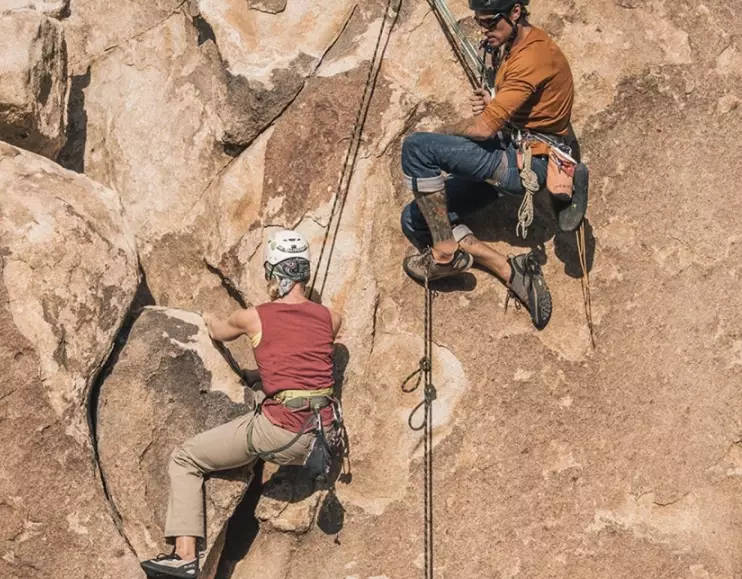
The Great Bolt Debate: Ground Zero for Ethical Conflict
If there's one topic that defines modern climbing ethics debates, it's bolting. To drill or not to drill? It's the Hamlet soliloquy of the crag.
Heads up: This is a passionate subject. I've seen friendships strain over a single bolt. The key is to understand that both sides—pro and anti—are usually coming from a place of deep love for climbing, just different visions of what it should be.
The pro-bolting argument (often from the sport climbing perspective) says bolts make climbing safe, accessible, and allow us to focus purely on movement. They open up blank, beautiful walls that would otherwise be unprotectable. They let more people experience the joy of climbing without the specter of a ground fall. Organizations like the UIAA even have safety standards for bolting hardware.
The anti-bolting (or strictly limited bolting) argument (often from the trad community) says bolts sanitize the adventure. They remove the problem-solving element of finding gear placements. They visually pollute the rock. And most damningly, they can irrevocably alter the character and history of a classic route established with traditional gear.
My personal, somewhat messy take? I love both. I love the purity of a run-out trad line that gets my heart pounding. And I love the absolute limit-pushing of a brutally hard sport climb. The ethical imperative, for me, is to not impose one style on an area defined by another. Don't bolt a perfect crack. And don't chop the bolts on a steep face with no gear. Respect the area's history. It's not that complicated, yet we fight about it constantly.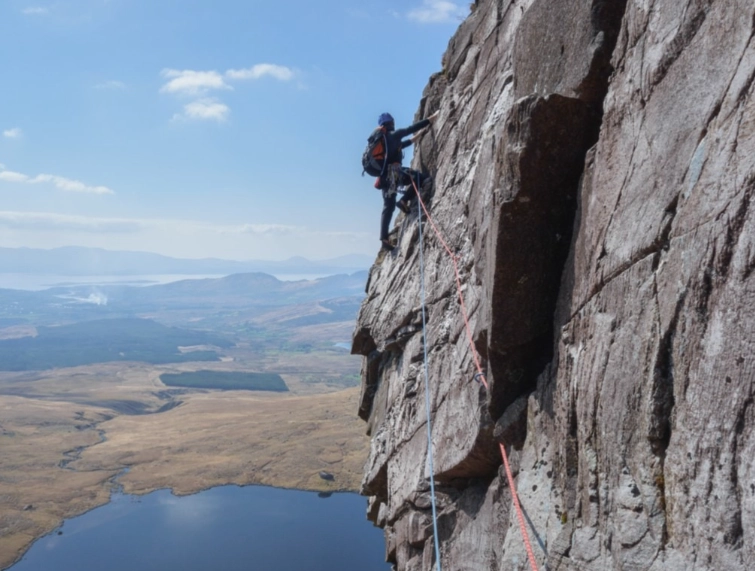
The Practical Climber's Ethics Checklist
Enough theory. Let's get down to brass tacks. What do you actually do? Here's a field guide, a sort of mental checklist you can run through whenever you're at a new area or trying something new.
Before You Even Leave Home
- Research the area. Read the guidebook introduction. Check Mountain Project or UKClimbing forums. What's the prevailing ethic? Sport, trad, mixed?
- Identify land managers and rules. Is it a national park (strict LNT), private land, or a state forest? Rules about camping, fires, and group size vary.
- Pack for low impact. Bring a trash bag, a pee bottle (for multi-pitch or sensitive areas), and a small trowel for catholes if needed.
At the Crag
- The Golden Hour: Spend your first hour observing. Watch how locals treat the rock. Listen to their conversations. This is priceless intel.
- Chalk & Tick Marks: Use chalk sparingly. Brush your tick marks off when you're done—every time. Those white splotches are visual pollution. If an area has a "no chalk" or "colored chalk only" rule, obey it.
- Fixed Gear: Is that fixed draw or sling trustworthy? Inspect it. Sun and rain destroy nylon and webbing. If it looks fried, replace it if you can safely, or at least don't trust your life to it. But don't just take booty off anchors—it might be someone's intentional, if sketchy, bail setup.
- Sharing the Wall: Noise carries. Keep your music personal (headphones) and your shouting to a minimum. Give other parties space.
On the Route
- To Brush or Not to Brush? General rule: you can brush holds for your attempt. But aggressively brushing an entire route to remove all chalk, lichen, and patina after you've climbed it? That's often considered overstepping, especially on trad lines. You're changing the route for the next person.
- Garden with Care: Removing loose, dangerous flakes is one thing. Excavating a new jug from a dirt-filled crack is another. When in doubt, leave the vegetation and dirt alone.
- Lowering vs. Rappelling: On sport routes, lowering off the anchors is standard. But if you're top-roping through your own gear, rappelling puts less wear on the fixed anchors. It's a small gesture that extends the life of the hardware.
Navigating the Grey Areas: Your Climbing Ethics FAQ
Here are the sticky questions I get asked all the time. The answers aren't always black and white, but here's the consensus from years of listening to arguments at crags and in climbing gyms.
The Future of Climbing Ethics: Crowds, Social Media, and Climate
The game is changing. The explosion in climbing's popularity, fueled by gyms and the Olympics, is putting unprecedented pressure on our outdoor areas. Our old, informal ethical systems are being stress-tested.
Social media is a double-edged sword. It spreads awareness of beautiful places, which can lead to overcrowding and strain. Geotagging specific, fragile crags can be devastating. The ethic is shifting towards tagging general areas instead of pinning the exact wall.
And then there's climate change. Climbing in shoulder seasons is getting longer, but this can conflict with wildlife nesting seasons that are also shifting. Our ethics need to become more dynamic, more responsive to real-time ecological data.
The core challenge for the next generation of climbers is this: how do we scale the intimate, community-based ethics of the past to a global, mass-participation sport? It won't be easy. It will require more formal education (like the excellent resources from the Access Fund and British Mountaineering Council), more dialogue, and a willingness to sometimes sacrifice a bit of personal convenience for the greater good of the crag.
So, what's the bottom line? Climbing ethics aren't a shackle. They're the thing that keeps climbing from becoming just another commodified outdoor activity. They're what separates a day at the plastic gym from an engagement with history, nature, and community on the real rock. They force us to think, to be considerate, to be more than just consumers of vertical terrain.
You don't have to agree with every local rule. Debate is healthy. But you do have to respect them. Start by being the most conscientious climber you can be. Pick up extra trash. Brush your ticks. Talk to the old-timers. Ask questions before you act. In doing so, you're not just following rules—you're becoming a steward, a true part of the lineage. And that, in the end, is what good climbing ethics are all about: loving the rock enough to protect it for the climber who comes after you, whose only guide might be the subtle, unwritten rules you helped preserve.