Quick Guide
Let's be honest. Staring at a map of the US National Parks, trying to stitch together the perfect trip, can feel overwhelming. You've got the classic dilemma: you want to see it all, but you also don't want to spend your entire vacation in the car. I've been there. I've also made every mistake in the book—overplanned days, underestimated drive times, booked the wrong type of campsite. The goal of this guide isn't to give you a rigid, one-size-fits-all national parks itinerary. It's to hand you the tools and mindset to build your own.
Think of this as a conversation with a friend who's done this a few times (and learned the hard way). We'll talk about the big picture first—picking parks and timing—then zoom into the nitty-gritty of daily plans. Because a great national parks itinerary is less about checking boxes and more about creating space for surprise and wonder.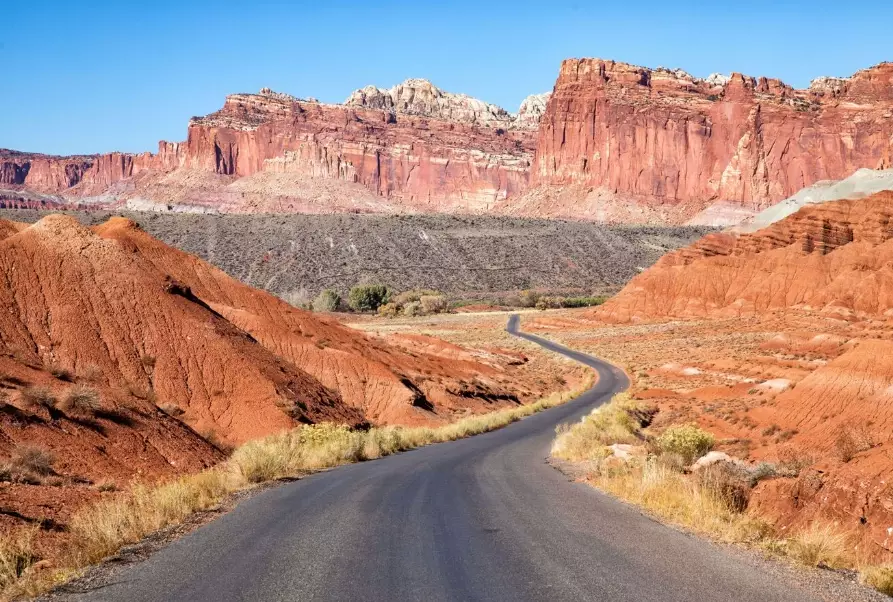
Laying the Groundwork: Before You Plot a Single Drive
Jumping straight to day-by-day planning is the biggest mistake I see. You'll end up with something that looks good on paper but falls apart in reality. Let's start with the foundational questions.
Who's Going and What's Your Travel Style?
Are you a hardcore hiking family with teenagers, a couple looking for scenic drives and short walks, or a solo traveler with a backpack? Your group dictates everything. A national parks itinerary for a family with young kids will look wildly different from one for a group of avid photographers. Be realistic about fitness levels and interests. Not everyone wants to hike 10 miles before breakfast.
I once planned a trip with a friend who, it turned out, had a very different definition of "fun hike" than I did. Lesson learned: have that conversation early.
The Million-Dollar Question: Which Parks?
This is where the dream meets reality. You can't do them all in one go (trust me, you don't want to). I recommend two main approaches:
- The Deep Dive: Pick one or two parks and explore them thoroughly. This is perfect for massive parks like Yellowstone, Yosemite, or Glacier. You get to know a place beyond the postcard spots.
- The Regional Loop: Cluster 3-4 parks that are relatively close. This is the classic road trip model and builds a fantastic national parks itinerary. Think Utah's "Mighty 5" (Arches, Canyonlands, Capitol Reef, Bryce Canyon, Zion) or the Southwest loop adding Grand Canyon.

Here’s a quick comparison of two popular regional itineraries to get your gears turning:
| Regional Itinerary Name | Core Parks | Recommended Trip Length | Best For |
|---|---|---|---|
| The Utah Grand Slam | Zion, Bryce Canyon, Capitol Reef, Arches, Canyonlands | 10-14 days | Otherworldly landscapes, hiking variety, photography |
| The Northern Rockies Classic | Grand Teton, Yellowstone, Glacier (optional) | 10-12 days | Wildlife, geothermal features, alpine scenery |
| The California Highlights | Yosemite, Sequoia & Kings Canyon, Death Valley (or Pinnacles) | 8-12 days | Iconic vistas, giant trees, dramatic contrasts |
Don't sleep on the less-famous parks either. Places like Great Basin in Nevada or North Cascades in Washington offer insane beauty with a fraction of the crowds.
When to Go: It's More Than Just the Season
Summer seems obvious, right? Well, it's also obvious to everyone else. My personal rule is to chase the shoulder seasons—late spring (May-June) and early fall (September-October). You trade perfect weather for perfect weather with fewer people, and often better prices. Winter opens up a whole other world in parks like Yellowstone, Grand Canyon, or Rocky Mountain, but requires serious preparation.
Check for seasonal closures. That epic trail in Glacier you saw on Instagram? Probably closed until July due to snow. The National Park Service website for each park is your bible here—it lists current conditions, closures, and alerts. For example, you can always check the main NPS website to find individual park pages.
Building the Bones of Your National Parks Itinerary
Okay, you've picked your parks and timeframe. Now we build the skeleton. This is the logistical core.
The Art of the Realistic Travel Day
Google Maps will lie to you. It gives you drive time on an empty interstate. It does not account for: stopping for gas, grabbing coffee, road construction, getting stuck behind an RV on a mountain pass, or that irresistible fruit stand. For any inter-park travel day, I add a minimum of 25% buffer to the Google estimate. A 4-hour drive becomes a 5-hour travel block in your plan.
And please, for the love of all that is good, don't plan a major hike on a big travel day. You'll be tired, you'll start late, and you'll resent the schedule.
Where to Lay Your Head: The Accommodation Puzzle
This is the single most stressful part of planning a national parks itinerary. Options boil down to:
- Inside the Park Lodging/Camping: The gold standard. You wake up in the park. This books up insanely early—6 to 12 months in advance for popular parks. Set calendar reminders. Use Recreation.gov for federal campgrounds and the park's official concessionaire site for lodges.
- Gateway Towns: Towns just outside the park (like Springdale for Zion or West Yellowstone for Yellowstone). More options, including hotels and restaurants, but you'll queue to get in every morning.
- Dispersed Camping/BLM Land: For the self-sufficient. Free or cheap, but no facilities. Research rules thoroughly on the Bureau of Land Management site.
My strategy? Mix it up. Maybe two nights in a park campground, then a night in a hotel with a real shower and laundry. That hotel day can be a lighter sightseeing or travel day.
Don't Forget the Permits and Reservations
This is the new reality. Many parks now have timed entry permit systems or specific trailhead quotas to manage crowds. Your dream hike might be off-limits if you don't plan ahead.
- Timed Entry: Parks like Rocky Mountain, Arches, Glacier, and Yosemite have these for peak seasons. You need a permit just to *enter* the park during certain hours, on top of your park pass.
- Wilderness/Overnight Permits: For any backcountry camping.
- Specific Activity Permits: For things like hiking Angels Landing in Zion or driving to Cadillac Summit in Acadia.
Bookmark the NPS page for your park. The permit section is not a suggestion; it's a requirement. Missing this can derail your entire national parks itinerary.
Crafting Your Daily Plan: The Fun Part
Now we get to the meat. Let's talk about what to actually *do* each day. The key is balance.
Structure a Perfect Park Day
Aim for a rhythm. Most people are freshest in the morning. Use that energy.
Morning (Pre-9 AM):
This is prime time. Wildlife is active, light is beautiful, and crowds are minimal. Plan your main hike or must-see attraction for this window. Get to the trailhead early. I mean, sunrise early if you can. The difference between an 8 AM and a 10 AM start at a popular trail is the difference between solitude and a conga line.
Midday (11 AM - 3 PM):
The sun is high, it's hot, and parks are at their busiest. This is the perfect time for scenic drives, visitor center exploration (great for AC and park films), picnics, or shorter, easier walks along rivers or in forests. It's a terrible time to be on an exposed, shadeless trail fighting for parking.
Late Afternoon & Evening (3 PM onwards):
Crowds start to thin as day-trippers leave. Light gets golden again. This is another excellent window for a shorter hike, finding a sunset viewpoint, or just relaxing at camp. After dark, consider stargazing programs if the park offers them.
Prioritizing: The Must-Do vs. The Nice-to-Do
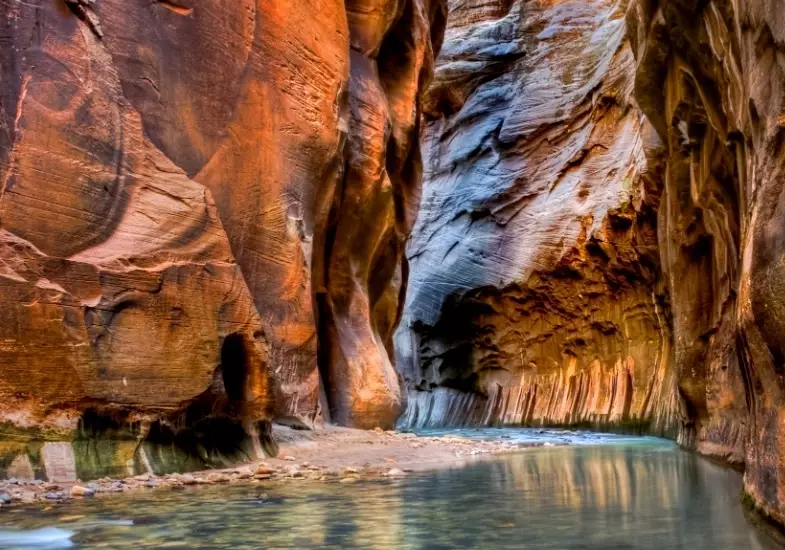
You can't do everything. For each park, identify 1-2 absolute can't-miss activities. For Yellowstone, that's probably Old Faithful and Grand Prismatic Spring. For Zion, it's the Narrows or Angels Landing (if you can get a permit and handle the heights). Build your day around those.
Then, have a robust list of "if we have time" options. Ranger programs often make this list—they're fantastic and underutilized.
Here’s a sample framework for a 2-day Zion National Park itinerary, showing how to split the highlights:
| Day | Morning Focus (Start Early!) | Midday Activity | Afternoon/Evening Option |
|---|---|---|---|
| Day 1: Canyon Overlooks & The Narrows | Hike The Narrows (bottom-up from Temple of Sinawava). Water levels permitting. Rent gear in Springdale the night before. | Scenic drive on Zion Canyon Scenic Drive (shuttle required). Visit the Human History Museum. | Watchman Trail for sunset views near the South Campground. Or relax in Springdale. |
| Day 2: High Vistas & Optional Challenge | Angels Landing (PERMIT REQUIRED) or, if no permit, strenuous hike to Observation Point via East Rim Trail (check for closures). | Drive the Zion-Mount Carmel Highway. Stop at Checkerboard Mesa. Short walk to Canyon Overlook trailhead (small lot, get there early). | Easy stroll on the Pa'rus Trail. Attend a ranger talk at the campground. |
See how each day has one big anchor? The rest fills in around it, allowing for fatigue and spontaneity.
The Nitty-Gritty: What Most National Parks Itinerary Guides Leave Out
This is the stuff you learn by doing. Or by reading this.
Food, Glorious Food
Park food options are limited and expensive. Pack a cooler. Stock up on groceries before you get near the park. Have breakfast and lunch supplies ready to go. Dinner can be a simple camp meal or a treat in a gateway town. Always, always carry more water and snacks than you think you need. A hungry hiker is a miserable hiker.
Tech and Connectivity
Assume you will have no cell service for large portions of your trip. Download offline Google Maps for the entire region. Download the NPS app and save the park content offline. Bring physical maps—the park newspaper you get at the entrance is gold. Tell someone your rough plan.
Leave No Trace, For Real
It's not just a slogan. Pack out all trash (including toilet paper on many trails). Stay on designated trails to protect fragile soil. Give wildlife space—no feeding, ever. This keeps the parks beautiful for everyone. The Leave No Trace Center for Outdoor Ethics has the seven principles that should guide every trip.
Answering Your National Parks Itinerary Questions
Final Thoughts: Embracing the Unexpected
The most memorable part of my last national parks itinerary wasn't on the plan at all. It was the hour we spent watching a black bear forage in a meadow at dusk in Great Smoky Mountains, long after we were supposed to be at dinner. It was the sudden afternoon thunderstorm in the desert that sent us scrambling, laughing, back to the car, only to be rewarded with a double rainbow.
Your itinerary is your map. But the magic is in the detours. Plan diligently for the logistics—the where to sleep, the how to get there, the permits. But leave mental space for the park itself to surprise you. Be flexible. Listen to the ranger. Talk to other hikers. Put the camera down sometimes and just sit on a rock.
That's the real secret to the perfect national parks itinerary. It's the one that gets you there, sets you up for success, and then gracefully gets out of the way so you can have your own adventure.
Now go start planning. And remember to book those campsites.