Quick Guide to the Amphitheater
Let's be honest. When you picture Bryce Canyon, you're not picturing the whole park. You're picturing that view. The one with thousands of those skinny, crazy-looking rock spires packed together in a giant bowl, glowing orange and pink in the sun. That, my friend, is the Bryce Canyon amphitheater. It's the main event, the poster child, the reason most people make the drive. But calling it just an "amphitheater" feels almost too simple. It's more like a city of stone, a labyrinth of rock, a geological wonder that leaves you speechless. I remember my first time standing at Sunrise Point. I'd seen pictures, sure. But pictures don't prepare you for the scale, the depth, the sheer weirdness of it all. It looks like another planet.
This guide isn't just a list of facts. It's the deep dive I wish I had before my first visit. We're going to unpack what makes the Bryce Canyon amphitheater tick, how to experience it without just snapping a photo and leaving, and how to tackle the trails that drop you right into the middle of the hoodoo madness.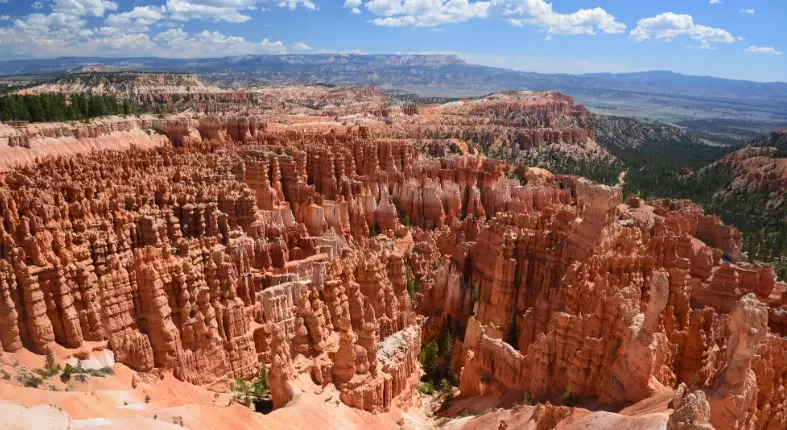
Quick Geography Note: Technically, Bryce Canyon is a collection of about a dozen natural amphitheaters carved into the edge of the Paunsaugunt Plateau. But when people say "the" Bryce Canyon amphitheater, they almost always mean the largest and most famous one—the massive, horseshoe-shaped depression stretching from Sunrise Point to Bryce Point. That's our focus.
It's Not a Canyon, So What Is It?
First things first, the name is a lie. A gorgeous, magnificent lie. Geologists will tell you it's not a canyon at all. Canyons are carved by flowing water, like the Colorado River cutting through the Grand Canyon. The Bryce Canyon amphitheater was shaped by a totally different process: frost wedging.
Here’s the simple version. The plateau here is made of soft, sedimentary rock layers. In winter, snowmelt seeps into the cracks. At night, it freezes and expands, prying the rock apart like a natural crowbar. Over millions of years, this freeze-thaw cycle, combined with rain, has carved out this colossal bowl and sculpted the fragile spires within it, called hoodoos. The entire Bryce Canyon amphitheater is essentially a masterclass in frost wedging on a monumental scale. The National Park Service has a great, easy-to-read page on the park's geology that explains this in more detail if you're curious.
So you're not looking at a river's work. You're looking at the slow, persistent work of ice and time. That changes how you see it, doesn't it? Every pillar, every window, every arch is a temporary sculpture. These hoodoos are eroding right before our eyes, adding a weirdly beautiful layer of fragility to the scene.
Your Amphitheater Experience: Sunrise, Sunset, and Everything In Between
Okay, you're here. You've parked at the main Bryce Amphitheater area. Now what? Most people follow the herd to the railings, take their photos, and move on. Big mistake. The magic happens when you engage with it.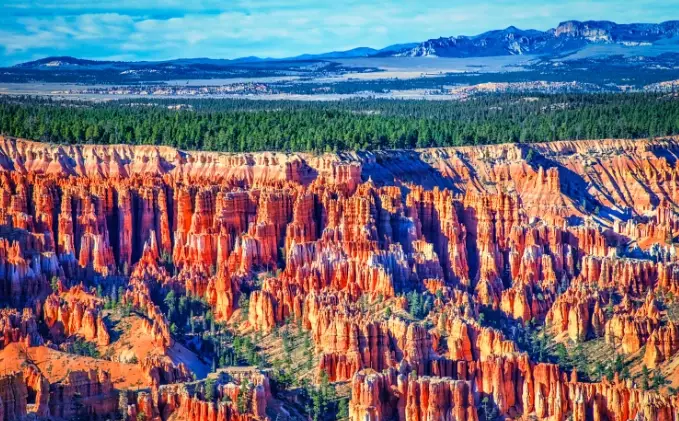
The Four Main Viewpoints (And Which One is Actually Best)
There are four primary overlooks along the rim of the main Bryce Canyon amphitheater, each offering a distinct personality. Picking a favorite is like picking a favorite child—impossible—but I'll give you my brutally honest take.
| Viewpoint | What You'll See | Best For | My Personal Take |
|---|---|---|---|
| Sunrise Point | A sweeping, open view of the amphitheater's eastern side. Famous landmarks like the "Silent City" and the "Sinking Ship" are visible. | Sunrise (obviously). The morning light hits the hoodoos here first, setting them on fire. It's also the main trailhead for the popular Queen's Garden Trail. | It's iconic and can get packed. The view is slightly more "distant" than from Inspiration Point. Still, for that first, jaw-dropping glimpse, it's hard to beat. |
| Sunset Point | A more focused view looking directly into the heart of the amphitheater. You get a stunning look down into the Wall Street section and Thor's Hammer. | Sunset (again, obvious). The late afternoon light creates incredible shadows and depth. It's the start of the Navajo Loop Trail. | This is the classic, postcard view for a reason. It feels more intimate, like you're peering directly into the geological engine room. Gets very crowded at sunset. |
| Inspiration Point | This is the big one. Three levels of overlooks (lower, middle, upper) that provide the most comprehensive, panoramic view of the entire Bryce Canyon amphitheater. | Mid-day photography when the sun is high and the whole scene is illuminated, or for just grasping the immense scale. | My personal favorite for the "wow" factor. The upper Inspiration Point view is unparalleled. You see every nook and cranny. Fewer people venture to the upper level, so you might find more space. |
| Bryce Point | The highest of the main overlooks, offering a grand, elevated view from the southern end of the amphitheater. You look back north across the entire formation. | Sunrise (it gets the morning light too) and for a unique, overview perspective. It's also a trailhead for the Peekaboo Loop. | The most dramatic, almost aerial perspective. It can feel a bit detached because you're so high up, but the sense of grandeur is massive. The drive here is a bit farther, so it's often slightly less crowded. |
See? You need to hit at least two, maybe three, to really get it. Rushing from one to the other is a recipe for missing the point. Sit for a while. Watch the light change. That's where the Bryce Canyon amphitheater comes alive.
Pro-Tip That Nobody Tells You: The light is magic for about an hour after sunrise and before sunset. But midday isn't useless. The harsh, overhead sun eliminates shadows, which actually lets you see the wild array of colors in the rock—whites, pinks, oranges, and reds—with startling clarity. It's a different kind of beauty.
Hiking Down INTO the Amphitheater: This Changes Everything
Looking down from the rim is one thing. Walking among the hoodoos is a whole other universe. The scale shifts completely. You go from observer to participant. The trails that descend into the Bryce Canyon amphitheater are the park's greatest gift.
Let's talk about the big three combination loops. These are the hikes that let you truly experience the amphitheater from the inside out.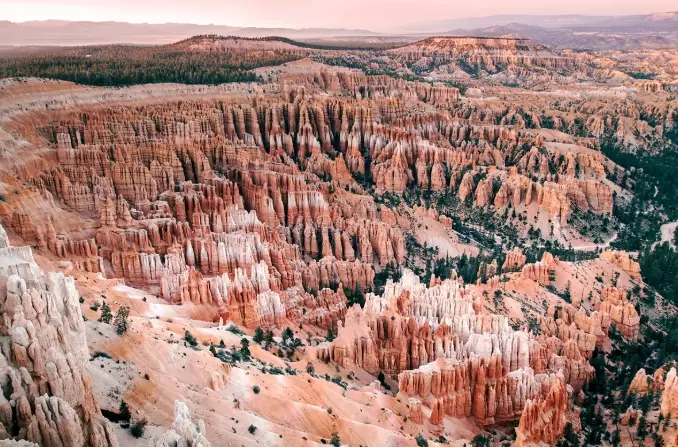
- The Figure-8 Combo (Navajo Loop + Queen's Garden + Peekaboo): This is the ultimate, all-day immersion. You drop in at Sunset Point via the switchbacks of the Navajo Loop (passing the famous Wall Street section if it's open), connect to the Peekaboo Loop (which winds through the absolute thickest concentrations of hoodoos), and then take the Queen's Garden Trail back up to Sunrise Point. It's strenuous (about 6.5 miles with significant elevation change), but it's the most complete tour of the Bryce Canyon amphitheater you can get on foot. You'll see everything.
- The Classic Intro (Navajo Loop + Queen's Garden): The most popular loop for good reason. About 3 miles. Descend the steep switchbacks of the Navajo Loop from Sunset Point, wander through the hoodoo gardens, and then climb back out via the slightly gentler, more whimsical Queen's Garden Trail (look for the hoodoo that resembles Queen Victoria!) to Sunrise Point. You then take the Rim Trail (a flat, easy 0.5 miles) back to your car at Sunset Point. Perfect for a half-day.
- The Rim Trail: Don't overlook this one because it's easy. The 1.5-mile paved section between Sunrise and Sunset Points gives you constantly shifting rim perspectives of the amphitheater. It's perfect for families, for those not up for a descent, or for stretching your legs between view points. The perspective changes with every step.
My first hike was the Navajo/Queen's Garden loop. Coming around a bend on the Navajo Trail and suddenly being surrounded by hundred-foot-tall hoodoos... it's humbling. The silence down there is profound, broken only by the crunch of your boots on the gravel. You feel tiny. In a good way. It completely reshaped my understanding of the place.
A word of caution, though. These trails are no joke. The descents are easy on the knees; the ascents are a brutal cardio workout, especially at 8,000+ feet of elevation. Bring way more water than you think you need. I'm talking double. And good hiking shoes with traction are non-negotiable—the trails can be sandy, slippery, and steep.
Beyond the View: Photography, Stargazing, and Seasonal Secrets
The Bryce Canyon amphitheater isn't a 9-to-5 attraction. Its character changes wildly with the time of day and the season.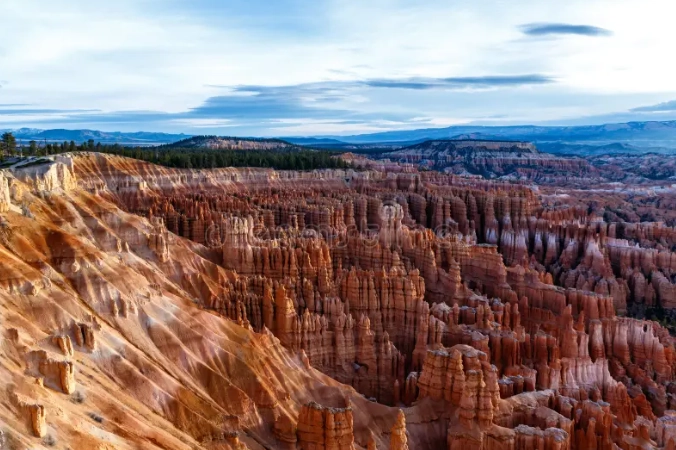
Capturing It With Your Camera
Everyone wants that shot. Here's the unvarnished truth: your phone will take a nice picture. To get a great one, you need to think.
Sunrise at Sunrise Point or Bryce Point is the gold standard. The low-angle light rakes across the hoodoos, creating long shadows and intense warm colors. Use a tripod. A polarizing filter can help cut haze and make the colors pop. For sunset, Sunset Point is the crowd favorite, but the backlighting can be tricky. Try Inspiration Point for a side-lit panorama.
But here's a less obvious tip: shoot during a storm. Seriously. A clearing storm, with dark clouds parting to reveal sunbeams spotlighting sections of the amphitheater, creates drama you can't get on a sunny day. Check the National Weather Service forecast for the Bryce area and be brave.
The Night Sky Show
Bryce is an International Dark Sky Park. When the sun goes down, the Bryce Canyon amphitheater performs a second act. On a moonless night, the Milky Way appears to arch directly over the silent stone city. It's one of the most surreal nightscapes in America. Join a ranger-led astronomy program (they provide telescopes), or just find a safe spot away from lights, let your eyes adjust for 20 minutes, and look up. The sheer number of stars is disorienting in the best way.
Winter: The Amphitheater's Hidden Gem Season
Summer is busy. Fall is lovely. But winter? Winter is magical, and most people are too scared to try it. A dusting of snow on the red rock creates a stunning contrast—fiery hoodoos wearing white caps. The trails are often packed snow, perfect for snowshoeing. The park rents them. Imagine snowshoeing the Rim Trail or even part of the Queen's Garden Trail in utter silence. The crowds are gone. It's a secret world. Just be prepared for cold, ice, and check road conditions with the Utah Department of Transportation before you go.
Answers to the Questions You're Actually Asking (FAQ)
The Final Word: More Than a Sight, It's a Feeling
The Bryce Canyon amphitheater isn't just a geological formation you check off a list. It's a sensory experience. The dry, pine-scented air. The crunch of trail underfoot. The impossible quiet that settles in the hoodoo forests. The shock of color at dawn.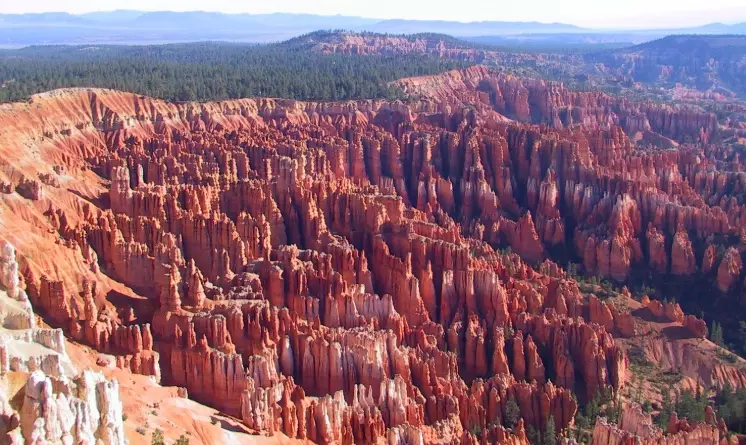
You can research all the facts, study the maps, and plan the perfect itinerary. But the real magic happens in the unplanned moments. The moment you stop trying to capture it and just stand there, letting the scale and the silence sink in. That's when the amphitheater stops being a landscape and starts being a memory.
So go. See it from the rim. Then, if you're able, challenge yourself to walk into its heart. The Bryce Canyon amphitheater waits, patient and timeless, ready to reshape your idea of what a landscape can be.