In This Guide
- Why National Park Weather is So Unpredictable (And What to Do)
- Breaking Down the Climate Zones: Know Your Park's Personality
- The Seasonal Guide: What to Expect (and When to Go)
- The Ultimate National Park Weather Packing List
- Weather Safety: When to Postpone or Turn Around
- National Parks Weather FAQs: Your Burning Questions Answered
- Looking Ahead: Climate Change and National Parks Weather
Let's be honest. You've probably spent hours planning the perfect national park trip—picking trails, booking campsites, maybe even getting those fancy new hiking boots. But then you remember the one wild card you can't control: the weather. It can turn a dream hike into a soggy slog or a sunny vista into a scorching ordeal. Getting a handle on national parks weather isn't just about comfort; it's about safety and making the most of your precious time outdoors.
I learned this the hard way on my first solo trip to the Grand Canyon. I checked the general Arizona forecast, saw "sunny," and thought I was golden. I wasn't. The South Rim was pleasant, but as I descended into the canyon, the temperature spiked dramatically. My two-liter water supply felt laughable by noon. That experience taught me that understanding park-specific climates is non-negotiable.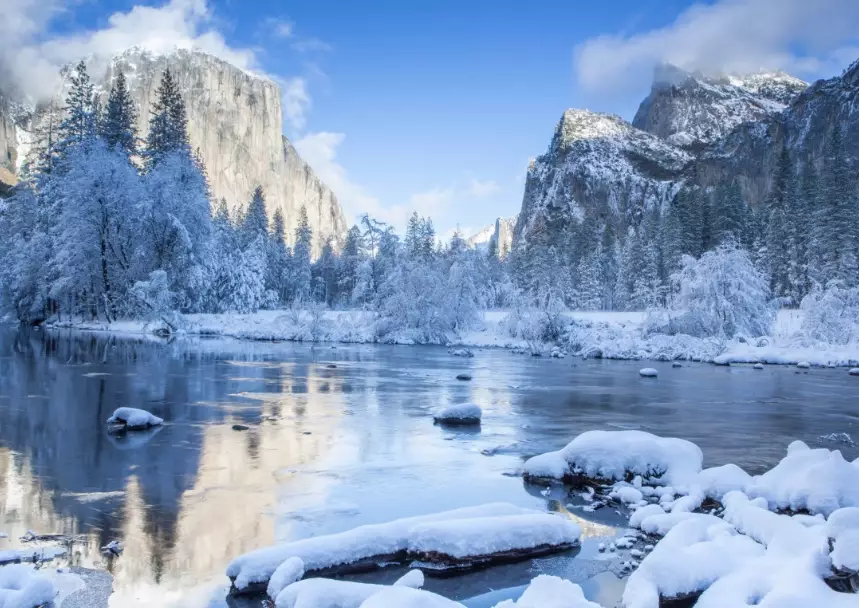
Why National Park Weather is So Unpredictable (And What to Do)
You might look at a weather app for the nearest town and think it's close enough. Usually, it's not. Parks create their own weather. Mountains force air upward, creating clouds and precipitation (the windward side gets rain, the leeward side can be dry—the "rain shadow" effect). Deep canyons like Zion trap heat. Coastal parks like Acadia are at the mercy of sea fog that can roll in and out in minutes.
Microclimates are the rule, not the exception. In Yosemite, the valley floor can be shrouded in chilly fog while Glacier Point above is bathed in sunshine. This variability is what makes checking a generic forecast a recipe for disappointment.
How to Get an Accurate National Park Weather Forecast
Forget the default weather app on your phone for a minute. To really know what you're walking into, you need to go straight to the source. The National Park Service (NPS) website is your absolute best starting point. Each park's official page has a "Weather" section, often with detailed seasonal summaries and links to trusted forecasts.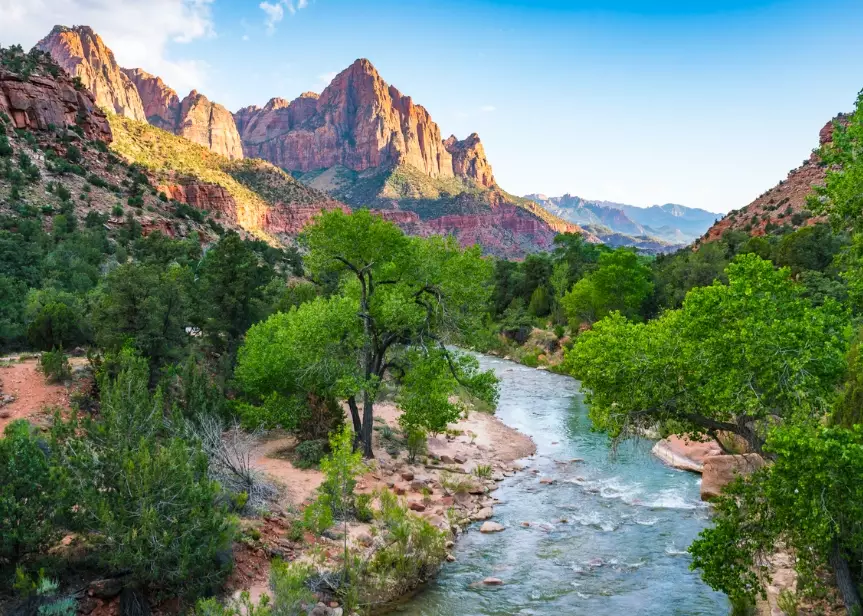
Even better, many parks maintain their own, hyper-local weather stations. The data might be barebones—temperature, wind, precipitation—but it's coming from inside the park boundaries. It's the most relevant data you can get.
For serious backcountry travel, I cross-reference the NPS info with the National Oceanic and Atmospheric Administration (NOAA) website. NOAA's point forecasts are incredibly detailed, offering predictions for specific elevations. You can type in coordinates or a mountain peak name. It's less user-friendly than a shiny app, but the data is superior for planning hikes above treeline or river trips.
What about apps? They're useful supplements. I like ones that allow me to save a GPS pin for a specific trailhead or backcountry campsite. But I never rely on them solely. Their models often smooth out the dramatic terrain that defines national parks weather.
Breaking Down the Climate Zones: Know Your Park's Personality
To make sense of it all, it helps to think of US national parks in broad climate families. This gives you a baseline expectation before you dive into the daily forecast.
| Climate Zone | Example Parks | Key Weather Traits | Prime Visiting Window |
|---|---|---|---|
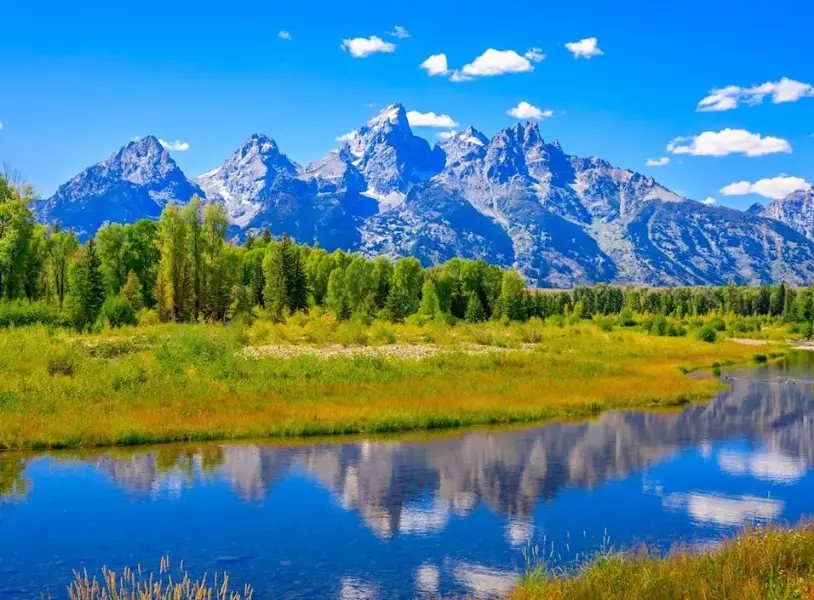
| High Alpine & Mountain | Rocky Mountain, Grand Teton, Mount Rainier | Extreme elevation changes dictate everything. Sunny and 70°F at the base can be windy and 40°F at the summit. Afternoon thunderstorms are a daily summer ritual. Snow can fall any month. | July - Mid-September (for high-country access) |
| Southwestern Desert & Canyon | Grand Canyon, Zion, Arches, Death Valley | Intense sun, low humidity, massive daily temperature swings. Summer highs are dangerously hot. Winters are mild but can be cold at night. Flash floods are a real, sudden threat in narrow canyons. | Spring (Mar-May) & Fall (Sept-Oct) |
| Pacific Temperate | Olympic, Redwood, North Cascades | Influenced by the Pacific Ocean. Mild temperatures year-round but VERY wet, especially on western slopes. Rainforest areas get immense rainfall. Microclimates shift dramatically from coast to mountain. | Summer (less rain), but shoulder seasons can be magical. |
| Eastern Deciduous Forest | Great Smoky Mountains, Shenandoah, Acadia | Four distinct seasons. Summers are warm and humid with frequent pop-up storms. Falls are famously crisp and colorful. Winters bring snow and ice. Spring is wet and unpredictable. | Fall for foliage, Spring for wildflowers, Summer for full access. |
| Arctic & Subarctic | Denali, Gates of the Arctic | Short, cool summers with long daylight hours. Winters are long, dark, and brutally cold. Weather is highly unstable year-round. Snowmelt dictates road and trail access. | June - August (very narrow window) |
See what I mean? Planning a trip to Zion in August is a completely different beast than planning one to Glacier in August. One requires a pre-dawn start to beat lethal heat, the other requires packing for a potential blizzard on the Going-to-the-Sun Road. This fundamental understanding of a park's climate personality is step one.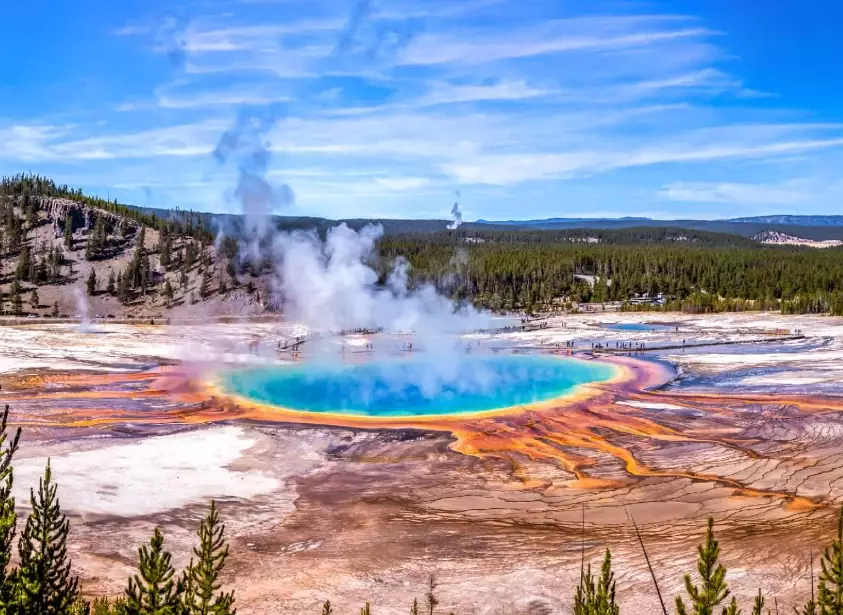
The Seasonal Guide: What to Expect (and When to Go)
Let's get practical. When should you actually go? The answer almost always depends on what you want to do and your tolerance for crowds and uncertainty.
Spring (March - May)
Spring is a season of dramatic transformation and... drama. In desert parks, it's arguably the best time. Wildflowers bloom, temperatures are ideal for hiking, and the scorching heat hasn't arrived. But.
In higher elevation parks like Yellowstone or Rocky Mountain, "spring" in May often looks a lot like winter at higher elevations. Most high trails are snow-covered and muddy. Major roads might just be opening. It's a time for lower-elevation hikes and wildlife watching (animals are active), but don't expect postcard-perfect, snow-free alpine vistas.
Summer (June - August)
This is peak season for a reason. All roads and facilities are open, all trails are (usually) accessible, and the weather is most reliably warm. It's also the most crowded time, and the weather has its own set of challenges.
In the mountains, you must become a morning person. Clear skies often give way to building clouds by noon, culminating in intense afternoon thunderstorms. Lightning is a severe hazard above treeline. The rule is to be off peaks and ridges by early afternoon.
In the desert Southwest, summer is the off-season for good reason. Temperatures regularly exceed 100°F (38°C). Hiking is only safe in the very early morning. The national parks weather in places like Death Valley or the Grand Canyon inner gorge is legitimately dangerous. Heat illness is a major risk.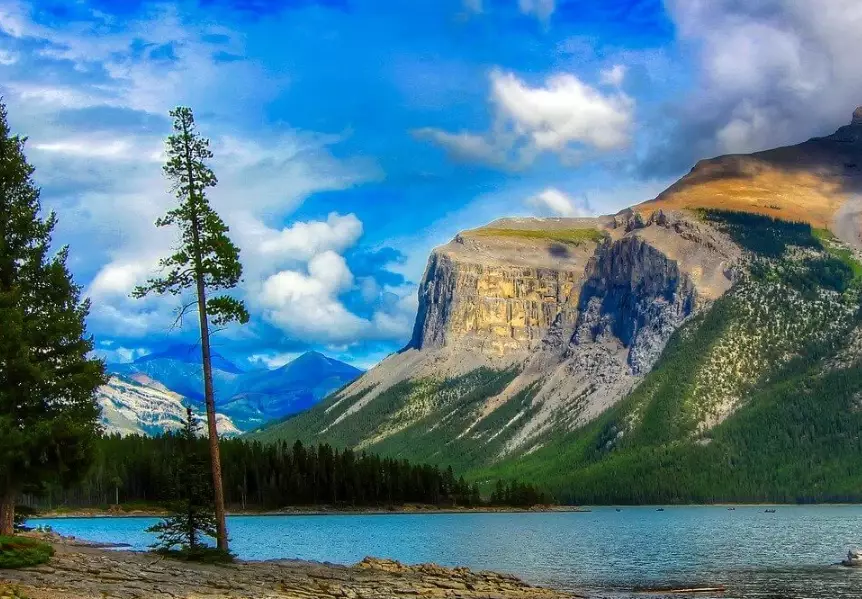
My personal take? I avoid iconic desert parks in high summer. The stress of managing the heat outweighs the enjoyment. But for mountain parks, with disciplined early starts, summer is hard to beat.
Fall (September - November)
This is my favorite season for most parks. Crowds thin out significantly after Labor Day. The weather stabilizes—fewer dramatic thunderstorms in the mountains, the oppressive heat breaks in the deserts. Fall colors in places like the Smokies or Acadia are spectacular.
The catch? The window is short, and it gets shorter the farther north you go. In Rocky Mountain or Glacier, a perfect September week can be followed by an early season snowstorm that closes roads. You need to be flexible and prepared for a wider range of conditions. But the trade-off—solitude and golden landscapes—is often worth it.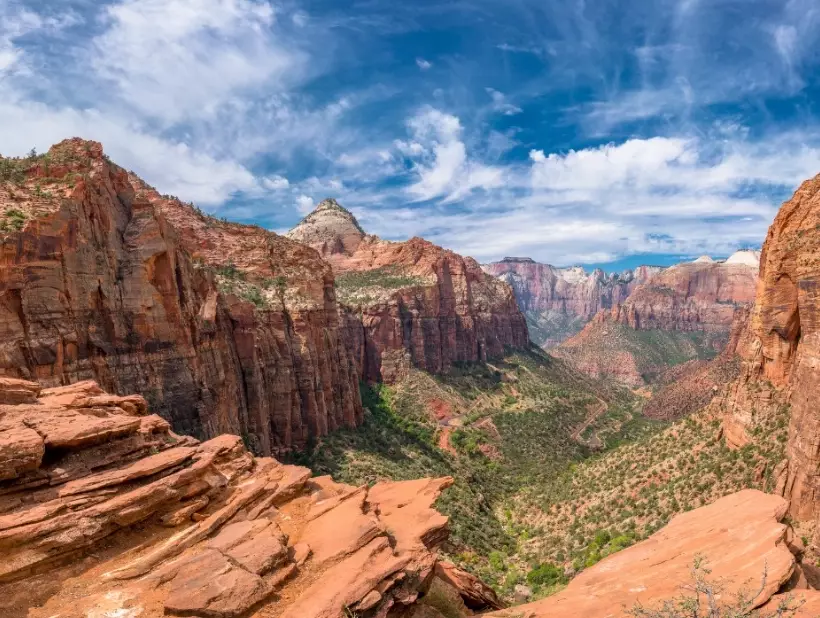
Winter (December - February)
Winter transforms parks into quiet, magical wonderlands... if you're prepared. Many parks remain fully open, just dressed in snow. Cross-country skiing, snowshoeing, and wildlife tracking become the main activities.
Crowds are minimal, but services are drastically reduced. Lodges and campgrounds close. You need serious gear and winter driving skills. For the prepared, it's an unparalleled experience. For the unprepared, it can be miserable or dangerous. Research is absolutely critical for winter national park visits.
The Ultimate National Park Weather Packing List
Packing for national parks weather is all about layers and being ready for anything. Cotton is your enemy—it loses insulation when wet and takes forever to dry. Stick to synthetic fabrics or wool (like merino).
The Non-Negotiable Core Layers:
- Base Layer: Moisture-wicking top and bottom. Think long underwear, even in summer for cool nights.
- Insulating Layer: A fleece jacket or puffy insulated jacket (down or synthetic). This is your warmth trap.
- Shell Layer: A waterproof and windproof rain jacket. Not "water-resistant," waterproof. Pants too, if you're going somewhere truly wet like the Pacific Northwest.
Season-Specific Adds:
Summer: Wide-brimmed hat, high-SPF sunscreen, sunglasses, a lightweight, long-sleeved sun shirt (a game-changer for desert hiking), electrolyte tablets for your water.
Spring/Fall: Warmer gloves, a warm hat (beanie), an extra mid-weight insulating layer. Traction devices like microspikes for your boots if there's any chance of ice on trails.
Winter: Heavy insulated jacket, insulated waterproof boots, thick gloves/mittens, balaclava or face mask, snow goggles. Your car kit should include blankets, extra food/water, a shovel, and kitty litter or sand for traction.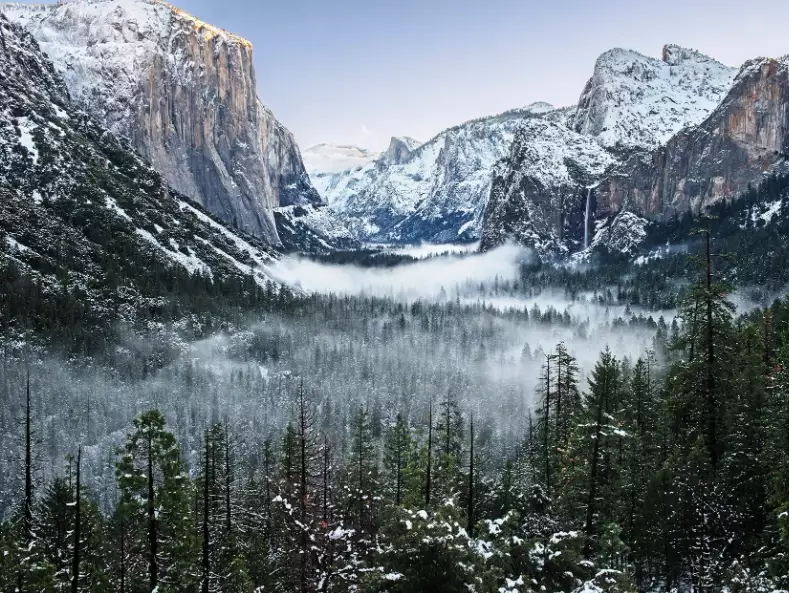
Weather Safety: When to Postpone or Turn Around
This is the most important section. Respecting national parks weather isn't just about comfort; it's a survival skill. Your summit or viewpoint will still be there tomorrow. Pushing on in bad weather is how people get into trouble.
Lightning: If you hear thunder, you are within striking distance. Get off ridges, peaks, and open areas immediately. Avoid isolated trees. Crouch low in a group of smaller trees if you can't get to a building or car. Spread out from your group.
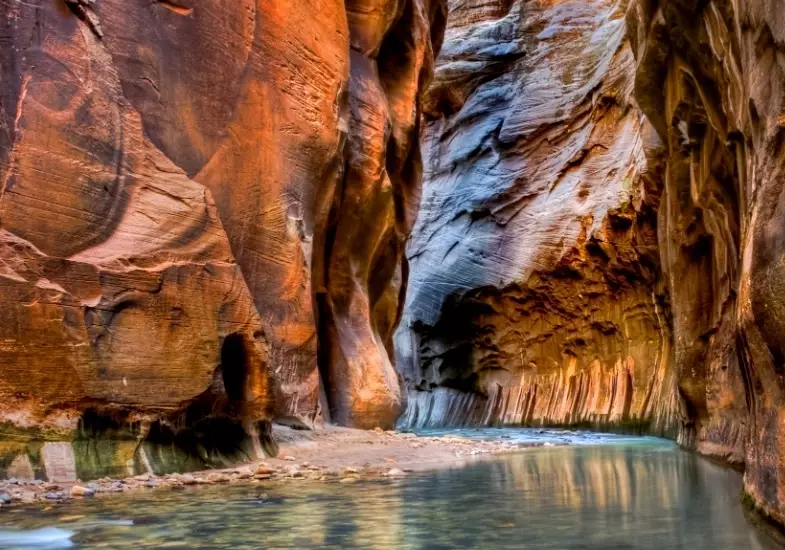
Flash Floods: In desert canyon country, a sunny sky overhead doesn't mean safety. Rain miles upstream can send a wall of water down a narrow canyon with little warning. Never camp in a dry wash. If you are in a slot canyon and see water rising, debris moving, or hear a roaring sound, get to high ground immediately. Don't wait. The NOAA Flash Flood Safety page has critical info.
Extreme Heat: Hike early. Drink water constantly, before you feel thirsty. Know the signs of heat exhaustion (heavy sweating, weakness, dizziness, nausea) and heat stroke (hot, dry skin, confusion, loss of consciousness). Heat stroke is a medical emergency.
Hypothermia: Can occur even in temperatures above freezing, especially if you're wet and windy. Shivering, confusion, slurred speech, and loss of coordination are signs. Get the person dry, warm, and give them warm fluids.
National Parks Weather FAQs: Your Burning Questions Answered
Which national park has the most stable, predictable weather?
That's a tough one. "Stable" is relative. Parks in rain shadows, like parts of Death Valley or the eastern side of the Cascades, tend to have less precipitation and more consistent sun. But even Death Valley has wild temperature swings between day and night. Coastal parks are famously changeable. I'd say parks in the Colorado Plateau (like Canyonlands) in late fall have a good run of stable, sunny days, but you still get the occasional storm.
Is there a best all-around month to visit most national parks?
Not really, because parks are so different. But if you held a gun to my head, I'd say September. Summer crowds have dissipated, the weather in most regions is transitioning to a more stable pattern, and you can still access high-elevation areas before the snow flies. It's a sweet spot for many, but not all, parks.
What can I do if the weather is terrible on my trip?
First, adjust your expectations. A rainy day in a rainforest like Olympic or the Smokies is the authentic experience! But for truly dangerous or miserable conditions, have a Plan B. Most parks have excellent visitor centers with films and museums. Ranger-led talks often move indoors. Scenic drives can still be beautiful in mist or light rain. Or, use it as a town day to explore the gateway community, visit a local museum, or just relax. Don't force a hike in a downpour or a whiteout.
How far in advance are national park weather forecasts reliable?
For general planning, looking at historical averages for your dates is more useful than a specific forecast beyond 7-10 days. For day-to-day decisions, the forecast for complex terrain is most reliable about 1-3 days out. The night before and morning of your activity, check again. Conditions can change rapidly.
Looking Ahead: Climate Change and National Parks Weather
It's impossible to talk about weather without touching on the long-term trends. The NPS itself is a major source of climate change research. The trends scientists are observing are altering the very character of our parks.
Winters are shorter and milder, reducing snowpack. This affects water availability, increases wildfire risk, and changes ecosystems. Glaciers are retreating in Glacier, Rainier, and North Cascades. Sea-level rise threatens coastal parks like Everglades and Acadia. More intense heat waves and droughts stress desert parks.
What does this mean for you as a visitor? The traditional "seasons" are shifting. Fire season is longer. Some parks may become less accessible at certain times due to extreme heat or wildfire smoke. It underscores the importance of checking current conditions, not just historical guides, when planning your trip. The NPS has a wealth of information on this topic on their Climate Change resource page.
In the end, mastering national parks weather is about embracing a mindset, not just memorizing facts. It's about humility in the face of nature's power, preparedness for its whims, and the flexibility to find joy in whatever conditions you encounter. The sun-drenched vista is glorious, but so is the sound of rain on your tent fly, the smell of the forest after a storm, and the stark beauty of a landscape shrouded in fog.
Do your homework, pack those layers, and then go out there. The parks are waiting, in all their beautiful, unpredictable, weather-worn glory.