Quick Guide to This Article
Let's be real for a second. You've probably seen a thousand pictures of the Great Smoky Mountains National Park. Misty blue ridges fading into infinity, sunbeams cutting through dense forests, maybe a black bear cub photobombing a scenic overlook. It looks incredible, and it is. But between dreaming about it and actually standing there, wondering which trail to take or where you might actually see a bear without getting too close, there's a gap. A planning gap. That's where most generic guides fall short.
This isn't one of those guides. I've spent more time in these mountains than I care to admit, gotten lost on a poorly marked trail (my fault, not the park's), waited an hour for a parking spot at Laurel Falls, and had moments of pure magic watching elk at Cataloochee at dawn. This guide is about bridging that gap. We're going to talk logistics, crowds, weather that can change on a dime, and how to actually experience the soul of this place, not just check off a list.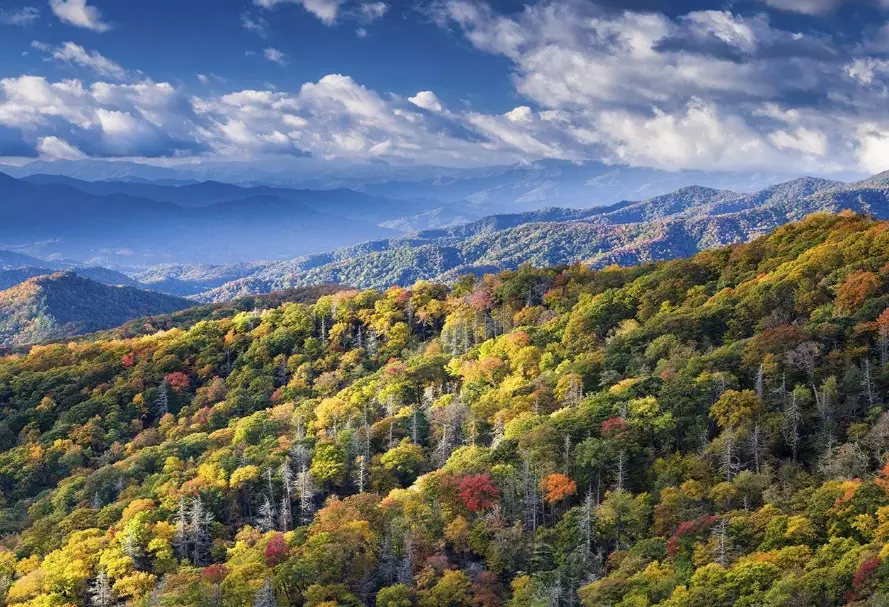
Why listen to me? No fancy titles here. Just a lot of boot miles, forgotten rain jackets, and lessons learned the hard way so you don't have to. The goal is simple: to give you everything you need to plan a trip that feels personal and unforgettable, not just a canned tourist itinerary.
Why Visit the Smokies? Beyond the Postcard
First off, it's free. No entrance fee. That's a huge deal for a national park of this caliber. But "free" doesn't mean "cheap experience." Far from it. The value is in the staggering diversity packed into this single park.
Think about this: The Great Smoky Mountains National Park is a UNESCO World Heritage Site and an International Biosphere Reserve. Those aren't just fancy stickers for the brochure. They mean this is one of the most ecologically significant and diverse temperate zones on the planet. More tree species than all of Northern Europe. Over 19,000 documented species of life. It's a living museum.
But you don't need a biology degree to feel it. You feel it in the cool, damp air of an old-growth cove forest, smelling of moss and decay. You see it in the way the light plays on the haze that gives the Smokies their name—a natural vapor released by the trees themselves. You hear it in the silence at Clingmans Dome before the wind picks up.
It's also a park of deep human history. Driving through Cades Cove or hiking to the Mountain Farm Museum at Oconaluftee isn't just a pretty walk. It's a connection to the Appalachian families who lived, farmed, and struggled here long before it was a park. That layered story—natural and human—is what makes Great Smoky Mountains National Park so special. It's not just a pretty view; it has depth.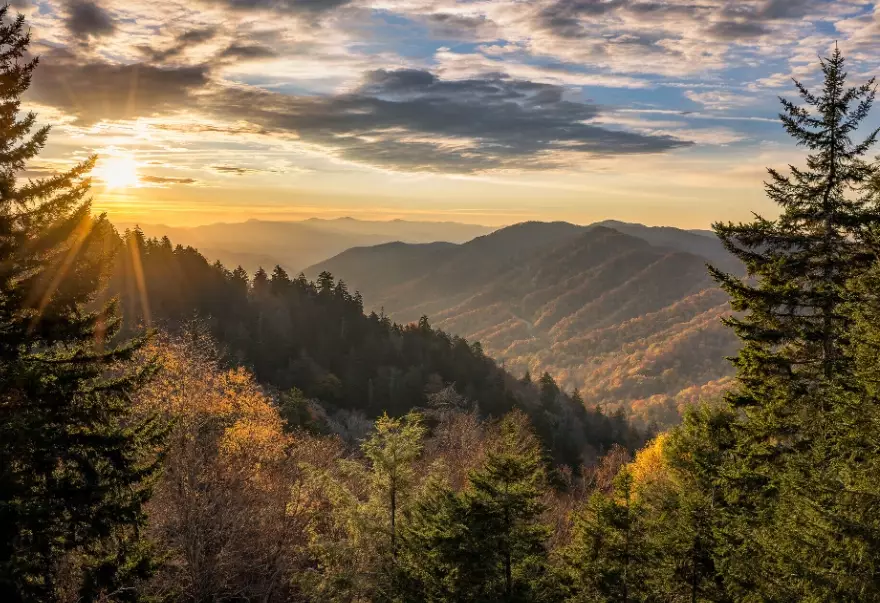
Planning Your Trip: The When, Where, and How
This is where trips are made or broken. Getting the basics wrong can mean fighting crowds instead of finding peace.
Best Time to Visit: A Season-by-Season Breakdown
Every season paints the park with a different brush. Your "best" time depends entirely on what you want.
Spring (April - May): Wildflower season is legendary here. The forest floor erupts in trilliums, lady slippers, and violets. The downside? Unpredictable weather. One minute it's sunny and 65°, the next it's a chilly downpour. And those famous mists can obscure the very views you came for. Rivers are high and loud from snowmelt, making waterfalls spectacular. Crowds start building in late April.
Summer (June - August): This is peak season for a reason. Lush, green, warm (but cooler than the lowlands). It's also peak crowd and peak afternoon thunderstorm season. Trails like Alum Cave and parking lots at popular spots are packed by 9 AM. If you visit in summer, you must embrace the early start. I'm talking on the trail by 7:30 AM. It's the difference between a serene walk and a conga line.
Fall (September - November): The famous fall foliage. It's as stunning as the pictures, but it comes with a massive caveat: extreme crowds. Roads can become parking lots, especially in October. If you're coming for leaf season, have a plan B for everything and immense patience. Seriously, consider exploring some of the lesser-known areas like Greenbrier or the Foothills Parkway to escape the worst of it.
Winter (December - March): The park's quietest, most starkly beautiful season. Leafless trees open up long views you can't get any other time. Clingmans Dome Road and other high-elevation roads close due to ice and snow. What's open is often yours to enjoy in near solitude. Just be prepared for cold, wet conditions and check road closures on the official National Park Service website religiously.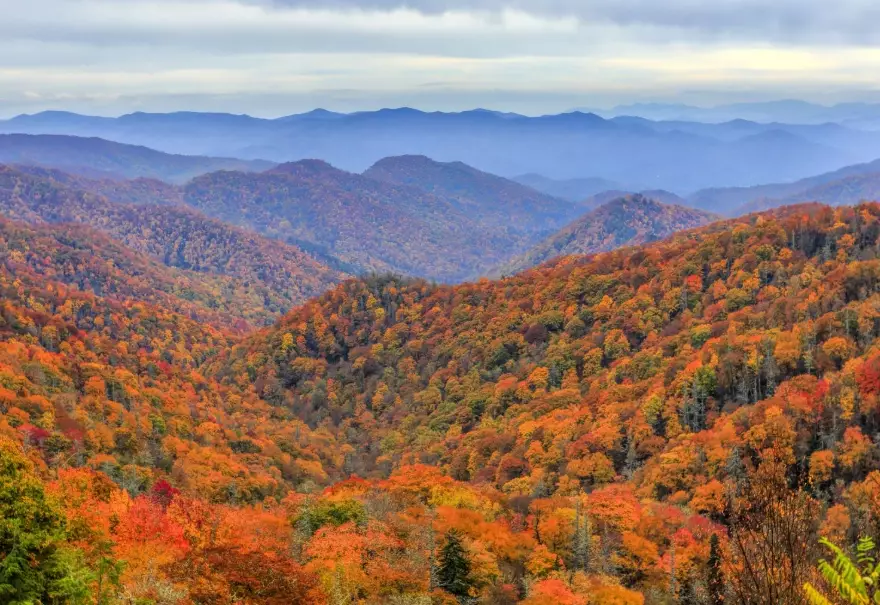
Getting There & Getting Around
Two main gateways: Gatlinburg, Tennessee (more touristy, direct access to Sugarlands Visitor Center) and Cherokee, North Carolina (quieter, access to Oconaluftee). Asheville, NC, is a cool larger city about an hour from the Cherokee entrance.
Once inside, your car is your best friend, but also your biggest headache.
Parking is the #1 visitor frustration. On a nice Saturday in October, finding a spot at a trailhead like Laurel Falls or the Alum Cave Bluffs trailhead can feel like winning the lottery. The park is working on it, but for now, your strategies are:
- Go Early: I cannot stress this enough. Aim to finish your first hike before 11 AM.
- Go Late: After 3 PM, people start clearing out.
- Use Shuttles: For deep, all-day hikes like the Charlies Bunion or the Jump Off, use the hiker shuttle from the Sugarlands Visitor Center to drop you at Newfound Gap. It's a game-changer for one-way hikes.
- Have Backup Plans: If your first choice trailhead is full, know your second and third options. The Roaring Fork Motor Nature Trail often has pull-offs for smaller trails that are just as beautiful.
Where to Stay
Inside the park, you have front-country camping (developed campgrounds like Elkmont or Cades Cove) and backcountry camping (requires a permit). There are also historic lodges like LeConte Lodge, accessible only by hiking. It books up a year in advance.
Most people stay in the gateway towns. Gatlinburg and Pigeon Forge are packed with amenities but can feel overwhelming. Cherokee is smaller and quieter. Townsend, TN, on the "Peaceful Side of the Smokies," is my top recommendation for families or those wanting a calmer base. It's closer to Cades Cove and feels miles away from the neon chaos.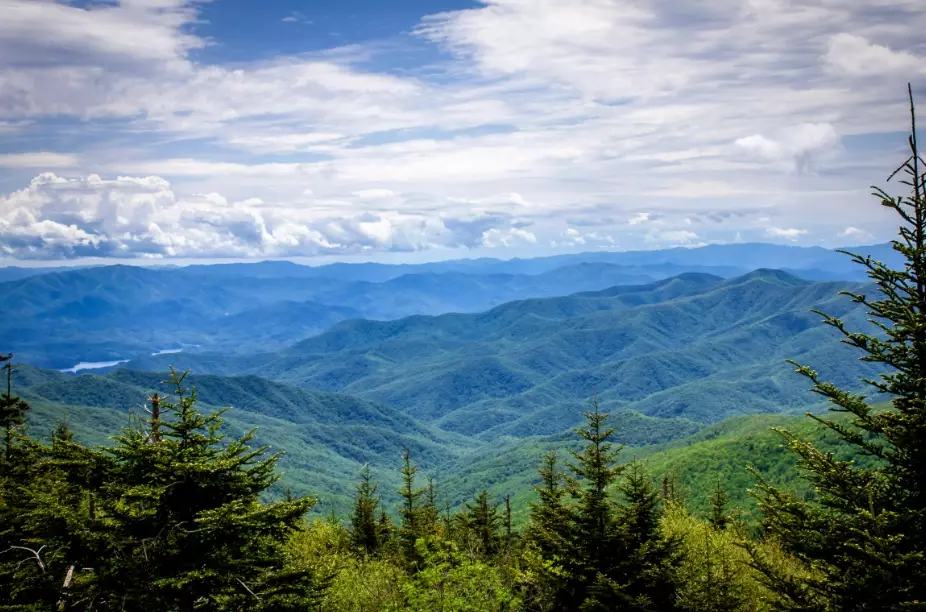
What to Do & See: Beyond the Overlooks
Okay, you're here. Now what? Let's move past the drive-and-snap-a-pic routine.
Hiking: Trails for Every Soul
This is the heart of the Smokies experience. With over 800 miles of trails, the choice can be paralyzing. I've broken it down not just by difficulty, but by the *experience* they offer.
| Trail Name | Distance (Round Trip) | Difficulty | Highlights & The Vibe | Best For |
|---|---|---|---|---|
| Laurel Falls | 2.6 miles | Easy | Paved path to a pretty, 80-ft waterfall. Always crowded. Go at sunrise or on a drizzly day. | Families with young kids, first-time visitors, anyone with mobility concerns. |
| Alum Cave Bluffs to Mt. LeConte | 5.0 miles (to bluffs) / 11.0 miles (full) | Moderate to Strenuous | The most varied and exciting trail in the park. Arch Rock, the iconic Alum Cave Bluffs, and epic views. Steep and rocky in sections. | Adventurous hikers wanting a classic, challenging Smokies experience. Do just the first 2.5 miles to the Bluffs for a great half-day. |
| Andrews Bald | 3.6 miles | Moderate | Starts at Clingmans Dome. A grassy, high-elevation bald with 360-degree views. Often windy, often spectacular. | Those who want big rewards without an epic, all-day commitment. Wildflowers in June. |
| Rainbow Falls | 5.4 miles | Moderate | A steady climb alongside LeConte Creek to the park's tallest single-drop waterfall (80 ft). Mist often creates rainbows. | Waterfall lovers, good training hike. Can be combined with Bull Head trail for a loop. |
| Deep Creek Loop | 4.6 miles | Easy-Moderate | (Near Bryson City, NC) Passes three waterfalls (Tom Branch, Indian Creek, Juney Whank). Less crowded than TN-side trails. | Waterfall chasing, summer tubing in Deep Creek, avoiding Gatlinburg crowds. |
A note on difficulty: "Moderate" in the Smokies often means rocky, rooty, and consistently climbing. Good hiking shoes with ankle support are non-negotiable. Tennis shoes will leave you sore and prone to slips.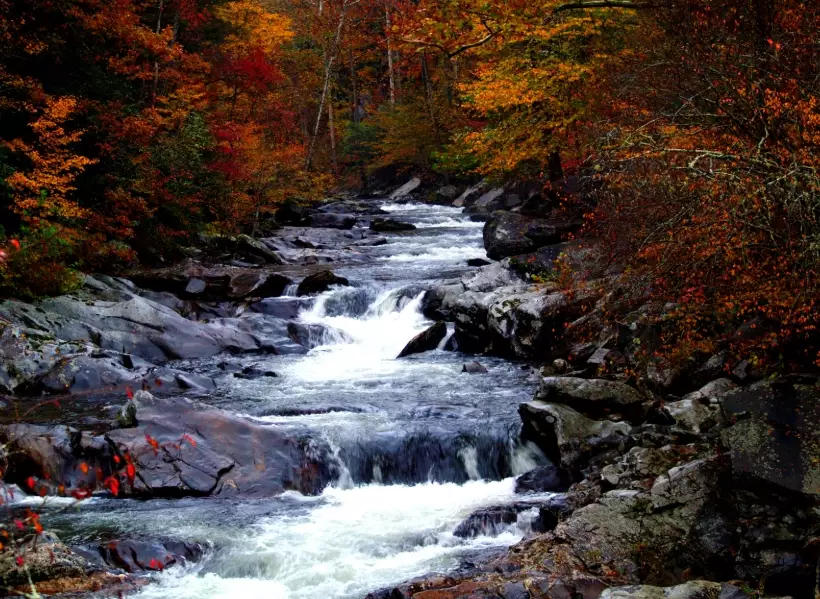
Scenic Drives That Are Actually Worth It
Not everyone wants to hike. That's fine. These drives deliver incredible scenery from your car.
- Cades Cove Loop: An 11-mile one-way loop through a beautiful valley dotted with historic cabins, churches, and meadows. Go at opening (sunrise is magical) or late afternoon to avoid the worst traffic. Wildlife sightings (deer, turkey, bear) are common here. It's slow going—plan 2-4 hours.
- Newfound Gap Road (US-441): The park's cross-mountain highway. It's the main route from Gatlinburg to Cherokee. Stop at the Campbell Overlook, the Newfound Gap parking area (state line), and of course, the climb to Clingmans Dome.
- Roaring Fork Motor Nature Trail: A narrow, one-way loop near Gatlinburg. It feels more intimate, winding past old homesteads, rushing streams, and dense forest. The road to the Place of a Thousand Drips waterfall is particularly enchanting after rain.
- Foothills Parkway: Often overlooked. The sections that are completed (like the one west of Walland) offer jaw-dropping, uninterrupted views of the main crest with zero development in sight. A perfect sunset spot.
Wildlife Viewing: The Safe & Responsible Way
Everyone wants to see a bear. I get it. But chasing that photo op is how people get hurt and bears get killed.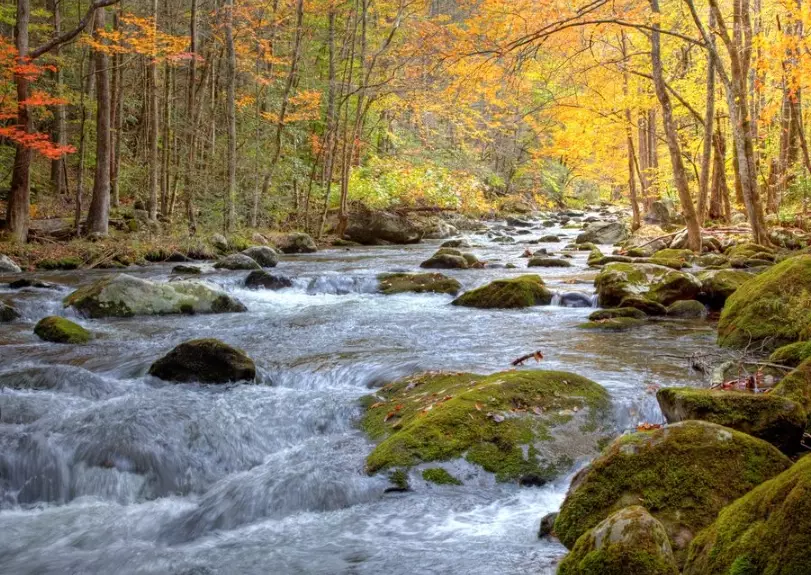
Best chances to see wildlife: Dawn and dusk. Cades Cove and Cataloochee Valley are prime spots for elk and bear. Drive slowly, scan the edges of meadows and forests.
If you see a bear:
1. Stay calm. Do not run. Running can trigger a chase instinct.
2. Back away slowly. Give it a huge amount of space (at least 150 feet, or 50 yards).
3. If it approaches, make yourself look big, group together, and make loud noises.
4. NEVER get between a mother and her cubs. Ever.
Carry bear spray if it makes you feel better, but the best tool is common sense and distance.
Other wildlife you'll likely see: white-tailed deer, wild turkey, salamanders (the park is the "Salamander Capital of the World"), and a dizzying array of birds.
A Sample 3-Day Great Smoky Mountains Itinerary
This is a balanced mix of iconic spots and quieter moments. Adjust based on your energy and the weather.
Day 1: Iconic Vistas & A Classic Hike
Morning: Get an early start. Head straight to the Sugarlands Visitor Center to grab maps, chat with a ranger, and use the facilities. Then, drive up Newfound Gap Road. Stop at a couple of pull-offs, but save your time for the Clingmans Dome spur road. Drive to the top, walk the steep half-mile paved path to the observation tower. Even if it's hazy, the 360-degree view is a great park orientation. Pro Tip: It's 10-15 degrees colder up here, always.
Afternoon: Drive back down to the Alum Cave Bluffs trailhead. Hike the 5-mile round trip to the Bluffs. This will take 3-4 hours with breaks. It's a solid introduction to Smokies hiking terrain.
Evening: Check into your accommodation. Have dinner. Consider a ranger program if one is offered (check the park newspaper).
Day 2: History & Waterfalls
Morning (VERY Early): Drive to Cades Cove. Aim to enter the loop road right at sunrise. You'll have the best light and the best chance for wildlife before the traffic builds. Take your time, get out at the historic buildings, and just soak in the quiet of the valley.
Afternoon: Exit Cades Cove and head towards Townsend. Grab lunch. Then, choose your adventure: Either hike the easy Laurel Falls trail (expect company) or, for more solitude, drive the Roaring Fork Motor Nature Trail, stopping to explore the short paths to the Place of a Thousand Drips or the old farmsteads.
Evening: Relax. Maybe find a spot along the Little River Road to dip your feet in the cold water (where safe and allowed).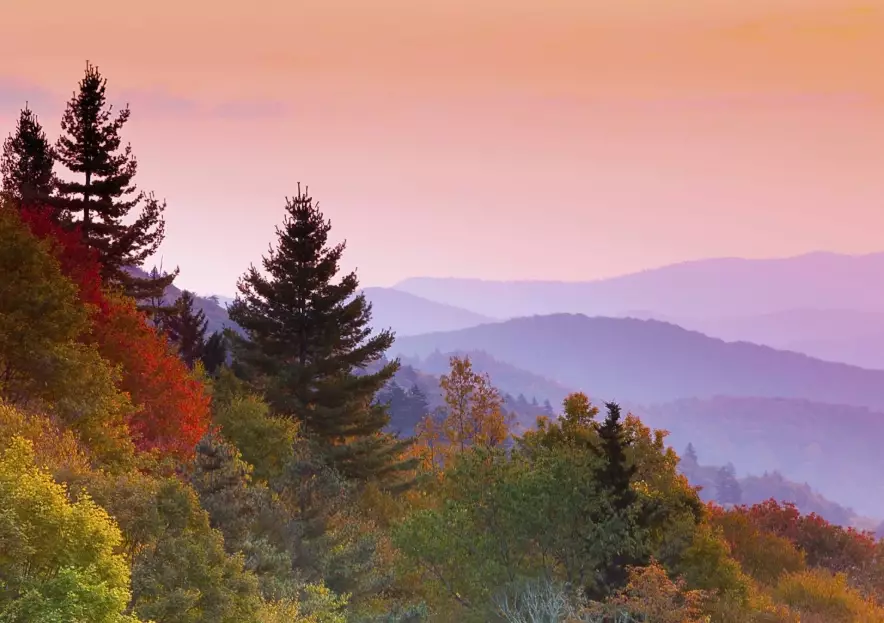
Day 3: Choose Your Own Adventure
Option A (The Hiker): Tackle a longer, more remote hike. Charlies Bunion via the Appalachian Trail from Newfound Gap (8 miles round trip) offers incredible ridge-line views. Or hike to Rainbow Falls.
Option B (The Explorer): Drive to the Cherokee, NC side. Visit the excellent Mountain Farm Museum and Oconaluftee Visitor Center. Then drive to Mingus Mill or hike the deep, quiet trails in the Deep Creek area near Bryson City to see multiple waterfalls.
Option C (The Relaxer): Revisit a favorite spot from earlier in the week. Have a picnic by a stream. Browse the historical collections at the Park's online archives to deepen your understanding of the places you've seen. Sometimes the best days are the unplanned ones.
Frequently Asked Questions (The Real Ones)
Final Thoughts: Leaving No Trace & Your Visit
The future of this place depends on us. The principles of Leave No Trace aren't just rules; they're a respect pact with the park.
- Pack out ALL your trash. Every wrapper, every orange peel.
- Stay on designated trails. Cutting switchbacks causes erosion that takes decades to heal.
- Leave natural and historical objects where you find them.
- Be considerate of other visitors. Keep noise down on the trails.
Visiting Great Smoky Mountains National Park isn't about conquering a checklist. It's about slowing down. It's about letting the scale of the ancient mountains put your worries in perspective. It's about the smell of the forest after rain, the chill of the air on a high bald, and the quiet dignity of a century-old cabin.
Do your planning, yes. But once you're there, put the itinerary in your pocket sometimes. Take a side road. Sit by a creek for twenty minutes. Let the park happen to you. That's when you move from being a visitor to becoming part of the long, ongoing story of these old, smoky mountains.
See you on the trail.