Quick Guide to the Peaks
- Top National Parks for Mountain Lovers (Beyond the Obvious)
- Planning Your Trip: It's More Than Just Picking a Trail
- Hiking Safely in High Altitude: This Isn't Your Local Park
- Beyond Hiking: Other Ways to Experience Mountain Parks
- Leaving No Trace: It's a Responsibility
- Answers to Common Questions (Stuff You Were Afraid to Ask)
Let's be honest. When you think of US national parks, what's the first image that pops into your head? For a lot of us, it's mountains. Towering peaks, rugged ridges, trails that seem to disappear into the clouds. There's something about standing on a summit, looking out over a world that suddenly feels vast and quiet, that just sticks with you. I remember my first real mountain hike in a national park – it was in the Rockies, the air was thin, my legs were screaming, but the view from the top? Absolutely worth every step.
But here's the thing. Not all mountain experiences in national parks are the same. Some parks offer gentle, rolling highlands perfect for a family stroll. Others throw sheer granite cliffs and technical climbs at you. And figuring out which one is right for you, how to prepare, and what to expect can feel overwhelming. That's where this guide comes in. We're going to cut through the noise and talk about what it really takes to explore the mountains in our national parks.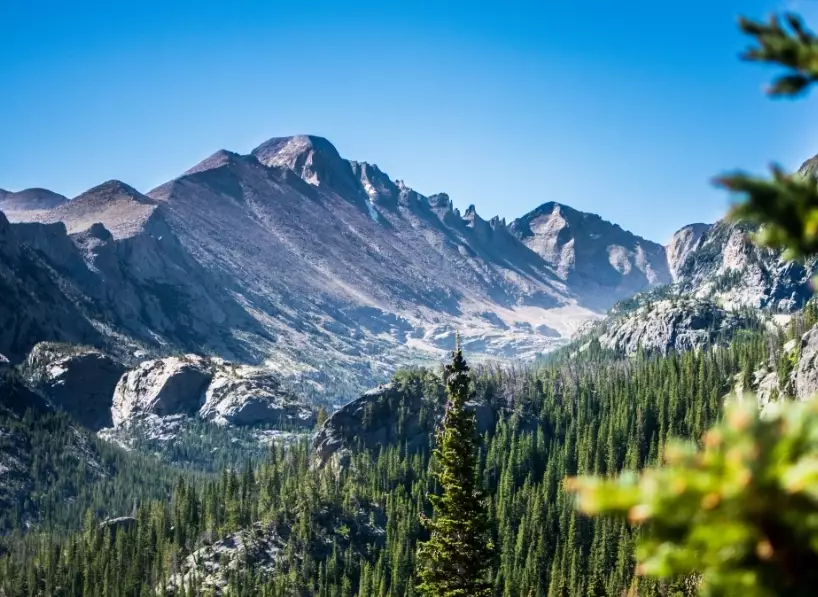
Top National Parks for Mountain Lovers (Beyond the Obvious)
Everyone knows about the big ones. Yellowstone, Yosemite, Grand Teton. They're famous for a reason. But if you're looking to get into the mountains, sometimes the magic is in the places that are a little less crowded, or that offer a specific kind of experience. Let's break down a few categories.
The Iconic High Peaks
These are the parks where the mountains are the main event. The skyline is defined by them.
- Grand Teton National Park: This is pure, unfiltered mountain drama. The Tetons shoot up from the valley floor with no foothills to soften the blow. It's breathtaking. Hiking here feels intense and immediate. You want a classic alpine lake with a perfect mountain reflection? Head to Jenny Lake. Feeling strong? The hike to Inspiration Point is short but steep, and the payoff is ridiculous.
- Rocky Mountain National Park: The name says it all. Trail Ridge Road is the highest continuous paved road in the US, and it's a cheat code for experiencing high-altitude views without a grueling hike. But the real treasure is the network of trails. From the bear-lake corridor (get there early, I mean it) to the less-traveled paths on the west side, this park is a playground for exploring national parks mountains at various difficulty levels.
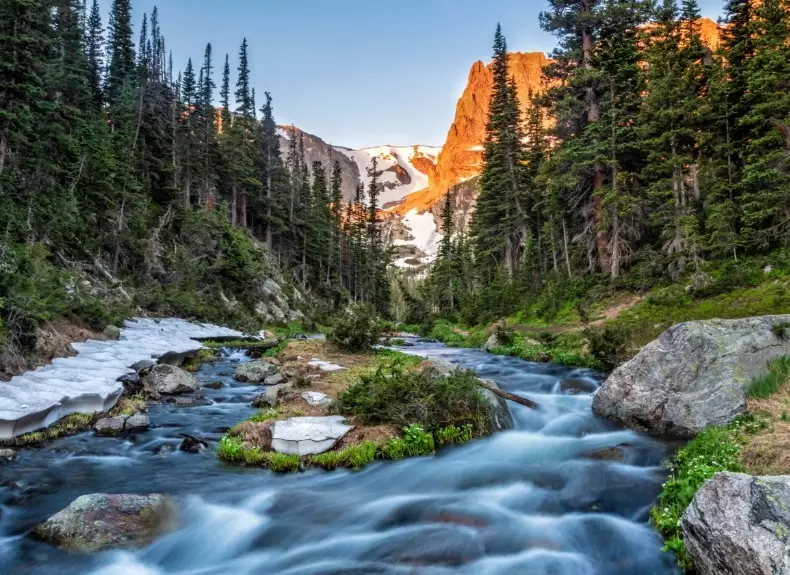
- North Cascades National Park: Often called the "American Alps." This place is less developed, more rugged, and wetter than the Rockies. The mountains here are sharp, glaciated, and shrouded in mist more often than not. It's a paradise for backpackers and those seeking solitude. The scenery is raw and powerful, but the weather can turn on a dime.
The Underrated Gems
These parks have incredible mountain scenery that sometimes gets overshadowed.
- Great Smoky Mountains National Park: Don't let the gentle name fool you. These are some of the oldest mountains on Earth, worn down but massive in scope. The magic here isn't in one jagged peak, but in the endless, rolling blue ridges that fade into the haze. Clingmans Dome is the highest point, and the hike up is paved but relentlessly uphill. The view from the observation tower? On a clear day, you can see why it's the most visited national park.
- Mount Rainier National Park: A single, massive, dormant volcano dominating the landscape. Rainier is an icon of the Pacific Northwest. The wildflower meadows in summer (Paradise area) are legendary, with the mountain looming over everything. Circumnavigating the mountain on the Wonderland Trail is a bucket-list trek, but even a day hike on its flanks is unforgettable. Just check the weather – the mountain creates its own.
- Lassen Volcanic National Park: A weird and wonderful mix. Yes, there are mountains here, including Lassen Peak itself, which you can summit via a steady, ash-covered trail. But you also get boiling mud pots and fumaroles. It's like Yellowstone met the Sierra Nevada. The mountain scenery is unique, with the volcanic landscape adding a strange beauty.
So how do you choose? It depends on what you're after. Postcard-perfect peaks? Go Tetons or Rainier. A long-distance trek with variety? Think Rockies or North Cascades. That smoky, serene, ancient feel? The Smokies have your name on it.
Planning Your Trip: It's More Than Just Picking a Trail
This is where trips are made or broken. I've seen too many people at trailheads looking defeated because they didn't know they needed a permit, or because the parking lot was full at 9 AM. Let's get into the nitty-gritty.
When to Go: Season is Everything
Mountain weather is no joke. Summer (July-August) is peak season for high-altitude hiking in most parks, but that also means crowds, afternoon thunderstorms, and sometimes bugs. Fall (September-October) can be spectacular with fewer people and changing leaves, but days are shorter and snow can come early. Spring is often muddy and many high trails are still snow-covered. Winter is for experienced snowshoers and skiers only.
For example, trying to hike in the High Sierra of Yosemite or Sequoia in June might mean navigating substantial snowpack and swollen river crossings. Always, always check the current conditions on the specific park's website. The National Park Service (NPS) site is your absolute best friend for this. Don't rely on blog posts from two years ago.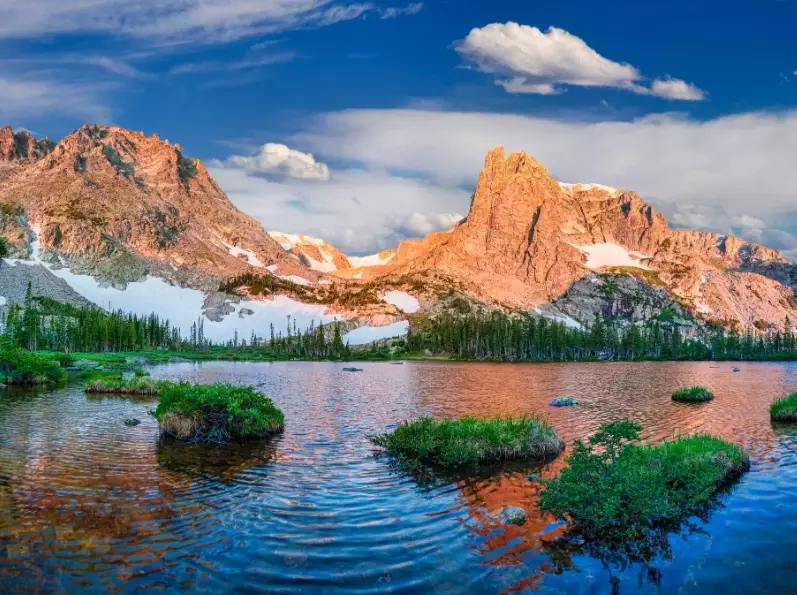
The Permits and Reservations Headache (And How to Beat It)
This is the new reality for popular national parks mountains areas. It's not just about showing up anymore.
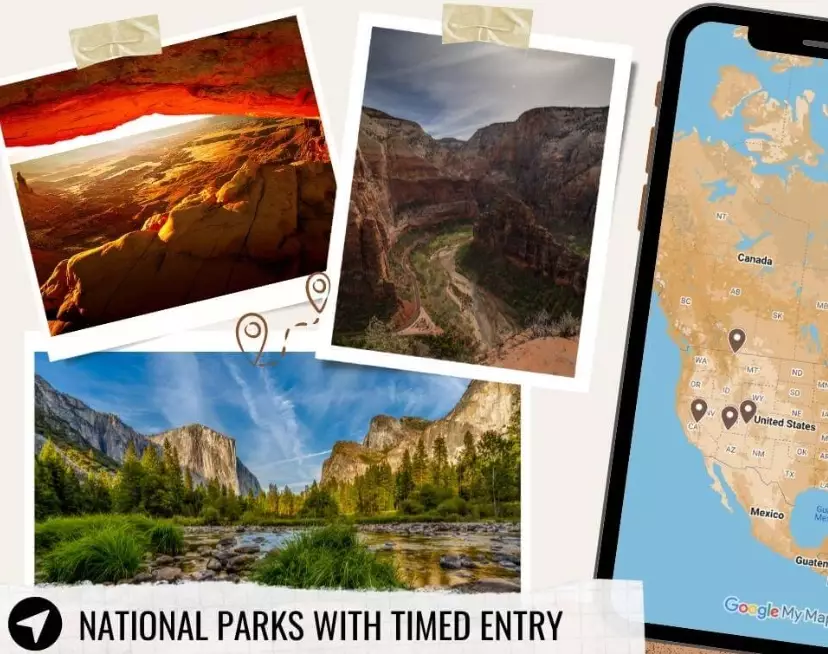
Many parks now require timed entry reservations for vehicles during peak season (Rocky Mountain, Glacier, Arches, etc.). This is separate from any hiking or backpacking permits. For backcountry camping in mountain zones, you almost always need a permit, and they are often distributed by lottery months in advance. My strategy? Have a Plan A (your dream trail), a Plan B (a slightly less popular alternative), and a Plan C (a first-come, first-served option you can pivot to if all else fails).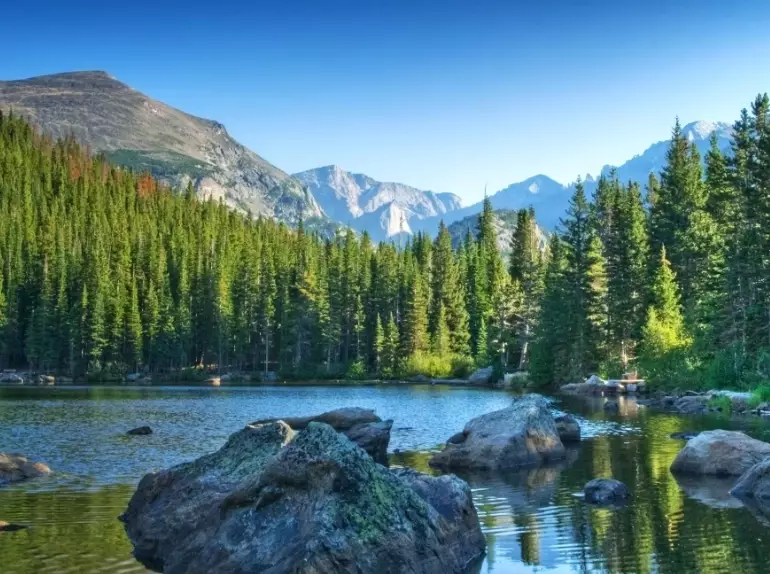
Gear: What You Actually Need
You don't need the most expensive stuff, but you need the right stuff. Cotton kills? It's a cliche for a reason. In the mountains, sweat-wicking layers are non-negotiable.
| Item | Why It's Critical in Mountain Parks | Personal Recommendation / Pitfall |
|---|---|---|
| Sturdy Hiking Boots/Shoes | Ankle support, traction on rocky/uneven trails, protection. | Break them in *before* your trip. Blisters on mile 2 of a 10-mile hike will ruin your day. I prefer mid-height boots for most mountain terrain. |
| Layered Clothing System | Temperature can swing 40+ degrees from base to summit. Weather changes fast. | A moisture-wicking base layer, an insulating mid-layer (fleece/puffy), and a waterproof/windproof shell. Never hike in a cotton hoodie. |
| Navigation | Trails can be poorly marked or disappear above treeline. Cell service is unreliable. | A physical map & compass (and knowing how to use them) is the gold standard. A GPS device or fully downloaded offline maps on your phone (like Gaia GPS) is a great backup. |
| Water & Purification | Dehydration happens fast at altitude. Streams may look clean but can harbor giardia. | Carry more than you think you need (2-3 liters). A filter (Sawyer Squeeze, Katadyn BeFree) or purification tablets let you refill from streams safely. |
| Emergency Kit | Minor injuries, getting caught after dark, unexpected weather. | At minimum: first-aid supplies, emergency blanket, headlamp with extra batteries, fire starter, extra food. Keep it light but functional. |
Look, you can spend a fortune, but the basics are what matter. A cheap rain poncho is better than no rain gear at all when a storm rolls in over the ridge.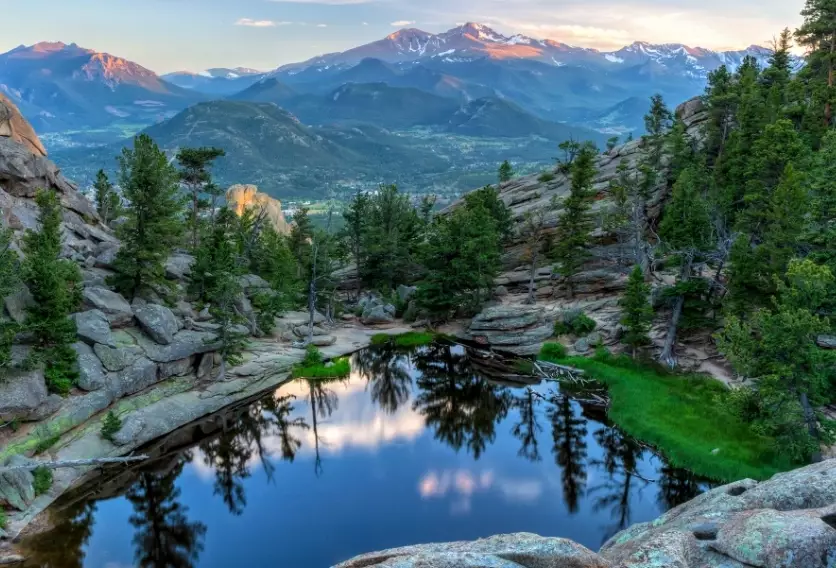
Hiking Safely in High Altitude: This Isn't Your Local Park
This might be the most important section. The mountains in national parks demand respect. They are beautiful, but they are not forgiving.
Altitude Sickness: Listen to Your Body
If you're coming from sea level to a park like Rocky Mountain or Grand Teton, altitude is a real factor. Headaches, nausea, dizziness, shortness of breath – these aren't signs of being out of shape, they're signs your body isn't getting enough oxygen. The cure? Acclimatize. Spend a night at a moderately high elevation before tackling a big hike. Hydrate like it's your job (water, not coffee and beer). Go slower than you think you need to. If symptoms get worse as you climb, the only treatment is to descend. Pushing through can lead to dangerous pulmonary or cerebral edema.
I felt it myself on a hike to Chasm Lake in Rocky Mountain National Park. I was fit, but the thin air at 12,000 feet made my heart feel like it was going to beat out of my chest. I had to stop every 20 steps. It was humbling. There's no shame in turning around.
Weather: The #1 Wild Card
Mountain weather is notoriously fickle. A sunny morning can turn into a lightning storm, whiteout, or freezing rain by afternoon. You need to know the forecast, but also understand that the forecast for the nearest town is often useless for the high country.
Wildlife Encounters
It's their home, we're the visitors. In bear country (Grizzlies in Yellowstone/Glacier, Black bears in many others), carry bear spray, know how to use it, and make noise on the trail. Don't hike alone in dense bear areas. For all animals, give them a wide berth. That bighorn sheep or mountain goat is not a photo prop. A fed bear is a dead bear, so store your food properly – use bear lockers or hang your bag.
The NPS has excellent, up-to-date resources on wildlife safety for each park. Use them. A quick check on the Yellowstone bear safety page before you go could prevent a bad situation.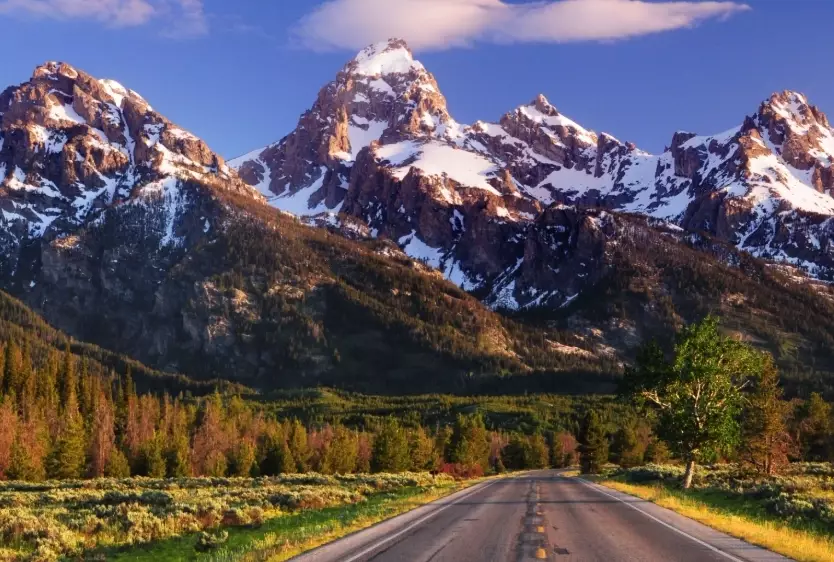
Beyond Hiking: Other Ways to Experience Mountain Parks
Not everyone wants to or is able to hike 10 miles with a 3,000-foot climb. That's okay! The beauty of these places is that there are multiple access points.
- Scenic Drives: Trail Ridge Road (RMNP), Going-to-the-Sun Road (Glacier), Tioga Road (Yosemite). These are engineering marvels that put you right in the heart of the alpine world from your car. Pull over at the overlooks, take short walks from the parking areas.
- Ranger Programs: Often overlooked. Join a guided walk or an evening talk. Rangers have incredible knowledge about the geology, ecology, and history of these mountain landscapes. It adds a whole new layer of understanding to what you're seeing.
- Photography: The light in the mountains is magic – especially at sunrise and sunset. Even if you're just using your phone, you can capture stunning images. Look for reflections in lakes, wildflowers in the foreground with peaks behind, and the play of shadows across valleys.
- Just... Being: Find a quiet spot by a river, read a book with a view, or just sit and watch the clouds wrap around the peaks. The goal doesn't always have to be conquering a summit. Sometimes the best part of visiting national parks mountains is simply absorbing the scale and the silence.
Leaving No Trace: It's a Responsibility
More visitors mean more impact. The principles of Leave No Trace aren't just suggestions; they're essential for keeping these places wild for the next generation.
- Plan Ahead & Prepare: We've covered this. It minimizes your impact from the start.
- Travel & Camp on Durable Surfaces: Stay on the trail, even if it's muddy. Cutting switchbacks causes erosion that can scar the landscape for decades. In pristine areas, spread out to avoid creating new trails.
- Dispose of Waste Properly: Pack it in, pack it out. All of it. That includes fruit peels, toilet paper (use a bag), and gum. For solid human waste, dig a cathole 6-8 inches deep at least 200 feet from water, trails, and camp. In some high-alpine zones, you may need to pack out solid waste – check the regulations.
- Leave What You Find: That pretty wildflower, the interesting rock, the antler shed – let them be. Take pictures, not souvenirs.
- Minimize Campfire Impacts: In many high mountain areas, wood is scarce and fires are prohibited. Use a camp stove. If fires are allowed, use existing fire rings, keep fires small, and burn all wood to ash.
- Respect Wildlife: Observe from a distance. Never feed animals.
- Be Considerate of Other Visitors: Keep noise down, yield to uphill hikers, and share the view.
It sounds like a lot, but it boils down to one idea: treat these incredible national parks mountains with the care they deserve.
Answers to Common Questions (Stuff You Were Afraid to Ask)
Exploring the mountains within our national parks is one of the greatest adventures the country has to offer. It challenges you, rewards you, and gives you a new perspective. It's not about ticking off a list or getting the most Instagrammable shot. It's about the feeling of the sun on your face above treeline, the smell of pine and cold rock, the ache in your muscles that tells you you've done something real. Do your homework, pack your common sense, and then get out there. The trails are waiting.