Quick Trail Guide
- Finding Your Hiking People: It's Not as Hard as You Think
- So You Want to Organize a Group Hike? Brace Yourself.
- The Unwritten Rules: Group Hiking Etiquette (Don't Be a Trail Jerk)
- Safety in Numbers: A Practical Framework
- Answering the Real Questions People Are Afraid to Ask
- Taking It to the Next Level: Backpacking with a Group
- Final Thoughts: The Trail is a Community
Let's be real for a second. The idea of group hiking can sound either amazing or utterly terrifying, depending on who you are. Maybe you've seen those pictures online—all smiling faces on a mountain peak, sharing snacks and high-fives—and thought, "I want that." Or maybe you've worried about slowing everyone down, not knowing the rules, or getting stuck with people you have zero in common with.
I've been there. I've been the newbie nervously showing up to a meetup, and I've also been the one trying (and sometimes failing) to organize a smooth trip for friends. This guide isn't some fluffy, corporate-sponsored list of "5 Benefits of Fresh Air." It's the stuff I wish someone had told me before my first group hike, packed with the practical, the social, and the occasionally awkward realities of hitting the trail with others.
Why Bother with a Group at All?
Sure, solo hiking has its meditative charm. But the benefits of hiking with a group are tangible and, honestly, can be game-changers. Safety is the big one. It's simple math: more people means more help if someone twists an ankle, more eyes to spot trail markers, and a lot less fear if you hear a weird noise in the bushes. Beyond safety, it's a built-in motivator. On days when you'd rather stay on the couch, knowing others are expecting you gets your boots on. It's also a fantastic, low-pressure way to meet people. Conversations flow easier when you're walking side-by-side than across a table at a noisy bar.
But it's not all sunshine and shared gorp. A bad group dynamic can ruin a perfectly good trail. I once joined a hike where the leader was obsessed with speed, treating it like a forced march. No one talked, we didn't stop to look at anything, and I finished feeling more stressed than when I started. Not the point. So how do you find the right group hiking experience for you?
Finding Your Hiking People: It's Not as Hard as You Think
You don't need to already have ten outdoorsy friends to go group hiking. The community is huge and welcoming, and there are more entry points than ever.
Where to Look for Local Hiking Groups
Forget just searching "group hiking near me" and hoping for the best. You need to dig a little deeper.
Meetup.com is still the king for this. The quality varies wildly by organizer, so read the descriptions carefully. Look for groups that specify pace, distance, and elevation gain. A group that says "social pace, photo stops encouraged" is a completely different beast from one labeled "fast-paced training hike." Don't be shy about messaging the organizer beforehand with questions—it shows you're serious and helps you gauge their responsiveness.
Facebook Groups are surprisingly active. Search for "[Your City] Hiking" or "[Your Region] Outdoor Adventures." These are often less formal than Meetup and can feel more like a community. People post impromptu hikes, ask for trail condition updates, and share photos. It's a great way to get a feel for the local scene before committing to an event.
Local Outdoor Retailers (like REI) often host guided hikes, classes, and community events. These are fantastic for beginners because they're usually led by knowledgeable staff, focus on education, and attract a mix of people. Check their event calendars.
Conservation and Trail Organizations are a goldmine. Groups like the Appalachian Trail Conservancy or local chapters of the Sierra Club frequently organize group hikes, trail maintenance trips (a great way to give back and meet hardcore enthusiasts), and educational outings. The vibe here tends to be passionate and conservation-minded.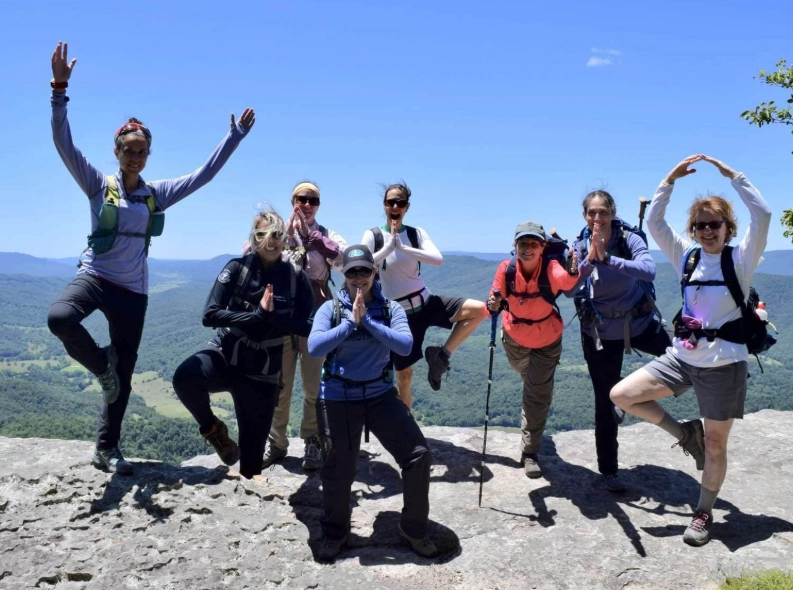
Pro Tip: The "Lurking" Phase
Before you RSVP to anything, spend a week or two just watching the group's activity. See what kinds of hikes they post, how people interact in the comments, and what the photos from past events look like. This passive research can save you from a mismatch.
So You Want to Organize a Group Hike? Brace Yourself.
Organizing is where the real fun (and headaches) begin. It's incredibly rewarding to bring people together on the trail, but it comes with responsibility. Here’s a step-by-step breakdown that goes beyond the obvious.
The Pre-Hike Planning: Nailing the Details
1. Pick the Right Trail (For the Group, Not Just For You): This is the most common mistake. Just because you can handle a 10-mile, 3,000-foot gain beast doesn't mean your mixed-ability friends can. Use resources like AllTrails to check recent reviews for conditions, and cross-reference with official land manager sites like the National Park Service or US Forest Service for alerts on closures or permits. Choose a trail you've hiked before or one that is well-documented as suitable for the slowest person in your group.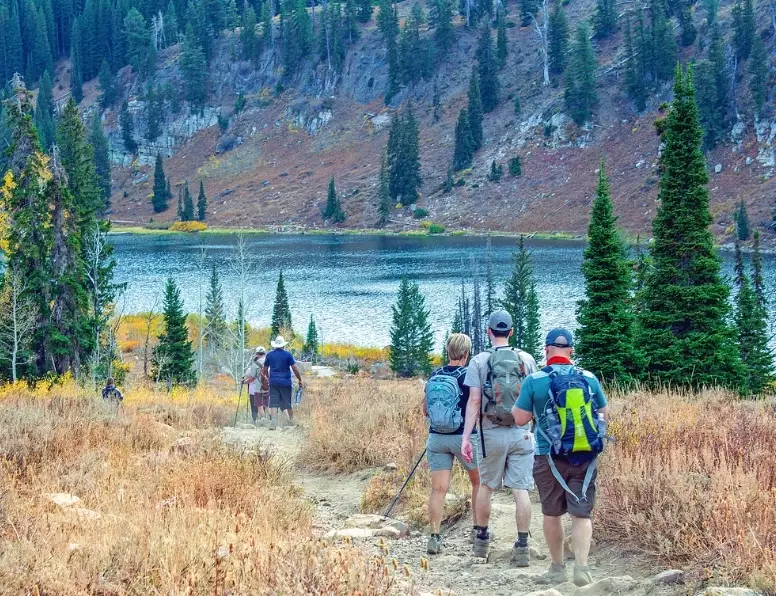
2. The Communication Blitz: Be painfully clear in your invitation. I'm talking:
- Exact meeting time and location (including coordinates for a pin if the trailhead is tricky).
- Realistic stats: Total distance, total elevation gain, estimated time moving (add 30-50% for a social group).
- Pace description: "Leisurely, with plenty of breaks" vs. "steady, minimal stops."
- The non-negotiables: "Must-have gear: 2L of water, hiking shoes/boots, rain layer."
- Dog/Kid policy: Be explicit. "This is not a dog-friendly trail due to leash laws and wildlife" or "Kids welcome if they are accustomed to this distance."
What No One Tells You About Organizing
You will become the default leader, medic, decision-maker, and mood-manager. People will forget water. Someone will have shoes that are falling apart. There will be a debate about which fork in the trail is correct. You need to be prepared to handle these moments calmly. It's why having a solid plan and communicating it is non-negotiable.
3. The Gear & Safety Talk: Even for a simple hike, send a reminder email or group message the day before. Reiterate the essentials. I also always ask one other reliable person to be the "sweep"—the last person in line to ensure no one gets left behind. This simple tactic changes the group hiking dynamic completely; the leader can focus on the front without worrying about the back.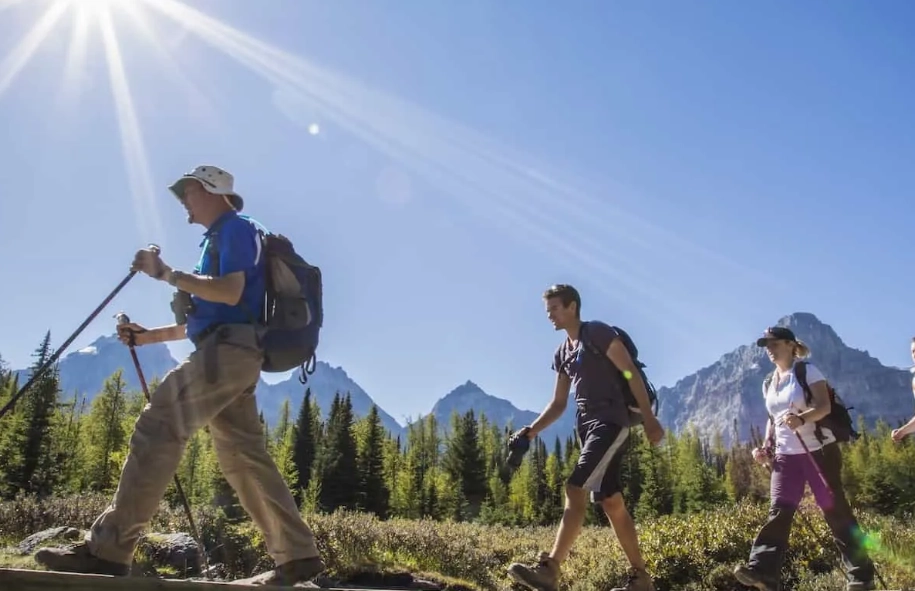
The Unwritten Rules: Group Hiking Etiquette (Don't Be a Trail Jerk)
This is the stuff that separates a good group hiker from one people secretly hope doesn't show up next time.
Pace and Space: If you're faster than the group, don't just sprint ahead and wait at the next junction. That creates pressure. Either enjoy the slower pace, or politely discuss with the leader about splitting into a "fast" and "steady" group with a planned meetup point. Conversely, if you're struggling, speak up! Don't suffer in silent misery. A good group will adjust.
The 10 Essentials (For the Group Mindset): Yes, everyone should carry their own. But think of the group too. Does anyone have a more comprehensive first-aid kit? A satellite communicator like a Garmin inReach? A water filter? Knowing the group's shared resources is a smart safety layer.
Noise Pollution: This is my personal pet peeve. Blasting music from a Bluetooth speaker on the trail is, in my opinion, deeply disrespectful to others and to the nature you're there to experience. It also scares wildlife. Use headphones if you must have tunes, or better yet, try listening to the sounds of the forest for once.
Leave No Trace, For Real: This means packing out all trash, including orange peels and nut shells (they don't decompose quickly and aren't native). It means staying on the designated trail to prevent erosion. As a group, you have a bigger impact, so be extra vigilant.
Safety in Numbers: A Practical Framework
Group hiking is safer, but only if you're smart about it. A herd of unprepared people is just a bigger problem.
| Potential Risk | Solo Hiker Concern | Group Hiking Advantage & Action |
|---|---|---|
| Getting Lost | No second opinion on navigation; total reliance on self. | Multiple people can consult maps/GPS. Assign a primary navigator and a backup. Stop and confirm decisions as a group at junctions. |
| Injury (Sprain, Break) | Unable to self-evacuate; long wait for help. | Group can provide immediate first aid, stabilize the patient, and send a team of 2+ to get help while others stay with the injured person. Always have a trip plan left with someone not on the hike. |
| Weather Turning | May push on due to solitude/fear. | Group discussion allows for a rational decision to turn back. Shared extra layers/gear (emergency blanket, extra gloves) can help everyone. |
| Wildlife Encounter | More likely to be perceived as vulnerable. | A group makes more noise (naturally) and appears larger, deterring most animals. Group can calmly follow protocol (e.g., backing away from a bear) together. |
Remember, the leader should have (and share) a basic emergency plan: What's our rally point if we get separated? Who has medical training? What's the address of the trailhead for emergency services?
Answering the Real Questions People Are Afraid to Ask
Let's get into some nitty-gritty Q&A based on actual anxieties I've heard (and had).
Taking It to the Next Level: Backpacking with a Group
If day hikes are going well, multi-day backpacking trips are the ultimate test and reward of group hiking dynamics. Everything is amplified: the planning, the shared gear, the need for compatibility.
The Gear Shuffle: This is where you can save weight. One tent for two people. One stove per 3-4 people. Sharing bear canisters. But this requires detailed pre-trip coordination. Create a shared spreadsheet listing who brings what communal items.
The Food Factor: Will you cook together or separately? Group meals are more social and efficient but require agreement on menus and cooking duties. I've seen friendships strained over poorly planned dinner logistics. Have a clear plan.
The Daily Rhythm: Discuss expectations upfront. Are we hitting the trail at 7 AM sharp, or a more relaxed "on the trail by 9"? How do we feel about splitting up during the day if people want different daily mileages? These conversations before the trip prevent resentment during the trip.
The Golden Rule of Group Backpacking
Your pace is the group's pace. Your comfort is the group's comfort. Your preparedness affects the group's safety. It's a team sport in the wilderness. Self-sufficiency is great, but interdependence is the goal.
Final Thoughts: The Trail is a Community
At its core, group hiking isn't just about covering miles. It's about shared experience. It's about the person who shares their extra sunscreen, the collective groan up a steep switchback, the silent awe at a summit view, and the post-hike burger where the stories get a little taller with every round.
It has its challenges, sure. Not every group will be your perfect match. You might have to try a few different ones. But when it clicks, it transforms hiking from a hobby into a cornerstone of your social and outdoor life. It builds confidence, creates friendships that extend beyond the trailhead, and deepens your connection to the places you explore.
So lace up your boots, find a group that sounds like your speed (literally), and get out there. The trail is waiting, and it's always better shared.
Just please, leave the Bluetooth speaker at home.