Quick Navigation
- The Undisputed Classics: Pillars of the Climbing World
- Beyond the Classics: World-Class Climbing Areas Worth the Journey
- Choosing Your Perfect Best Climbing Destination: A Practical Guide
- Gearing Up & Staying Safe: It's More Than Just a Rope
- Your Burning Questions Answered (FAQ)
- The Final Hold: Making It Happen
Let's be honest. Scrolling through Instagram feeds filled with jaw-dropping shots from El Capitan or the limestone towers of Railay can give you a serious case of wanderlust. You start dreaming of chalked-up fingers, the smell of pine or ocean air, and that unique exhaustion that only comes from a full day on the rock. But with so many incredible crags and mountains across the globe, how do you even begin to choose where to go?
That's the tricky part. The "best" climbing destination isn't a one-size-fits-all label. What's perfect for a seasoned big wall veteran might be a nightmare for a gym climber looking for their first outdoor multi-pitch. Your idea of paradise depends on what you're after—steep limestone sport climbs, splitter desert cracks, adventurous alpine ridges, or sun-soaked coastal boulders.
I've dragged my crash pad and rope bag across five continents over the last decade, chasing good rock and good times. I've had epic sends and epic fails. I've been shut down by weather, confused by vague guidebooks, and humbled by routes that looked easy from the ground. Along the way, I've developed a pretty good sense of what makes a place truly stand out as one of the best climbing destinations.
So, whether you're planning your first climbing pilgrimage or your twentieth, this deep dive is for you. We'll move beyond the postcard pictures and get into the real beta: when to go, what grades you'll find, the local quirks, and how to make the most of your trip. Forget generic lists. Let's talk about the places that actually deliver on the hype.
The Undisputed Classics: Pillars of the Climbing World
Some places are legendary for a reason. They've shaped the history of the sport and continue to draw climbers year after year. These aren't just crags; they're institutions. If you're looking for the best climbing destinations that offer a profound experience, start here.
Yosemite National Park, USA
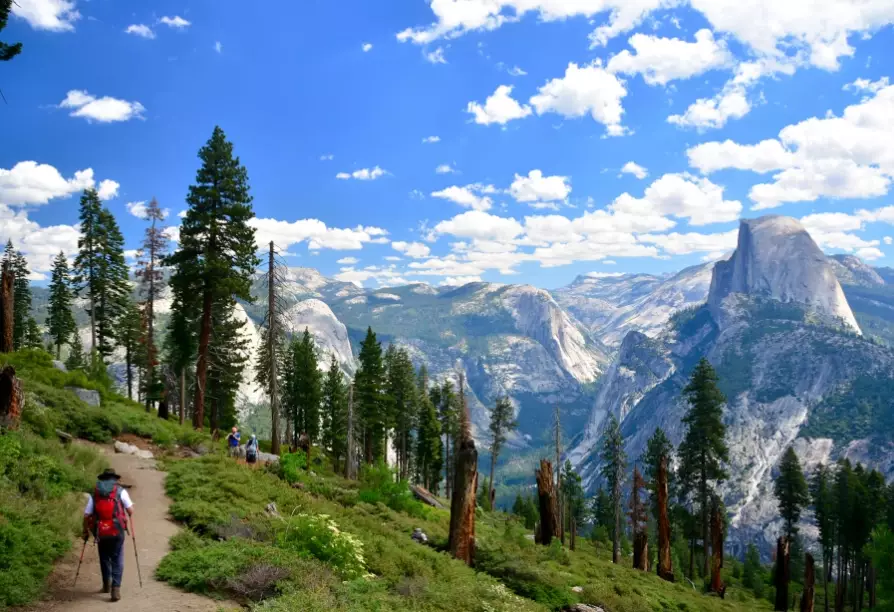
You can't talk about the best climbing destinations without bowing to the valley. Yosemite isn't just a place; it's a pilgrimage. The sheer scale of El Capitan and Half Dome is mind-bending. I remember my first time driving in, craning my neck to see the tops of these walls, feeling utterly insignificant. It's a feeling that never quite goes away.
The climbing here is serious. It's mostly traditional gear climbing on impeccable, glacier-polished granite. The crack systems are so perfect they look manufactured. Think finger locks in the Cookie Cliff, off-width wrestling in the Midi, and the endless splitter cracks of Tuolumne Meadows. For big wall aspirants, nothing compares to the commitment and logistics of a route on El Cap.
But when it all comes together—a crisp autumn day, a classic route like Snake Dike or The Nutcracker, and a sunset from Glacier Point—it's pure magic. It's one of those best climbing destinations that teaches you respect for the mountains and for the pioneers who first put up these lines.
Kalymnos, Greece
If Yosemite is the stern teacher, Kalymnos is the fun-loving friend who just wants you to have a good time. This Greek island transformed from a sleepy sponge-diving community into a world-class sport climbing paradise almost overnight. And what a paradise it is.
Imagine this: you wake up in a cozy studio apartment, have a Greek coffee on your balcony overlooking the Aegean Sea, walk five minutes to the crag, and spend the day pulling on tufas and pockets on steep, orange and grey limestone. The rock is incredibly featured, offering everything from technical slabs to wildly overhanging caves. The grades are friendly, the bolts are plentiful (usually), and the routes are just plain fun.
The sectors are brilliantly organized. Grande Grotta for your steep endurance fix, Odyssey for long multi-pitches with sea views, and after a day of climbing, you're rewarded with fresh seafood, octopus stew, and cheap, cold beer in the tavernas of Masouri. The community is super international and welcoming. It's no wonder it's consistently ranked among the top rock climbing spots for sport climbers.
Railay & Tonsai, Thailand
Deep water soloing over turquoise water. Climbing sharp limestone karsts as monkeys play in the trees nearby. These twin beaches on Thailand's Andaman coast offer a unique blend of climbing and beach life that's hard to beat. It's a sensory overload in the best way possible.
The climbing is predominantly sport, with a focus on technical face climbing on pockets and edges. The rock can be sharp, so tape your tips. The real draw, though, is the deep water soloing (DWS). Climbing without ropes over the ocean is an adrenaline rush like no other. Falling is part of the game, and plunging into the warm sea after working a line is incredible.
Now, it's not all paradise. Railay has become quite touristy and expensive. Tonsai, accessible only by boat, retains more of its gritty, backpacker-climber vibe but has basic infrastructure. The heat and humidity can be oppressive. And during peak season, popular routes can have queues.
But for a winter escape with a perfect mix of climbing, beach time, and vibrant nightlife, it remains a legendary spot.
Beyond the Classics: World-Class Climbing Areas Worth the Journey
The classics are famous for good reason, but some of the most rewarding experiences come from places slightly off the beaten path. These destinations offer phenomenal rock without (quite) the same level of crowding.
| Destination | Country | Rock Type & Style | Best For | Prime Season |
|---|---|---|---|---|
| Siurana | Spain | Steep limestone sport climbing | Hard sport routes, stunning scenery | Spring & Fall |
| Red River Gorge | USA (Kentucky) | Sandstone sport climbing | Powerful overhangs, unique holds | Spring & Fall |
| Chamonix Valley | France | Alpine granite & mixed | Adventure, mountaineering, multi-pitch | Summer |
| Rocklands | South Africa | Sandstone bouldering | World-class bouldering, unique landscapes |
The Red River Gorge, Kentucky, USA
"The Red" is a sport climber's playground. The sandstone is soft, sculpted into wild roofs, steep walls, and holds you won't find anywhere else—think giant buckets, horns, and pockets. The climbing is physical, pumpy, and incredibly fun. It's where you go to learn how to climb steep terrain efficiently.
The community is fantastic. You'll camp at Miguel's Pizza (a climber institution—try the ranch dressing), share beta with folks from all over, and spend rest days exploring natural bridges or swimming in the river. The sheer density of high-quality 5.11-5.13 routes is astounding. It's easily one of the best climbing destinations in the US for pushing your sport grade.
Rocklands, South Africa
For boulderers, Rocklands is Mecca. The landscape is otherworldly—huge, orange sandstone blobs scattered across a semi-desert valley in the Cederberg mountains. The problems are aesthetic, often featuring perfect slopers, technical slabs, and powerful mantles. The rock quality is generally superb.
It's a trip that requires commitment. The flight is long, and you'll need a car. You'll stay in basic self-catering cottages or camp. But the experience is raw and focused. Your days are simple: wake up, boulder all day in the crisp, dry air, watch insane sunsets, braai (BBQ) at night, and talk about beta. It's a pilgrimage that every serious boulderer should make at least once.
Just watch out for the baboons—they're notorious for stealing food and gear!
Choosing Your Perfect Best Climbing Destination: A Practical Guide
Okay, so you're inspired. But inspiration needs to turn into a plan. Picking from the world's best climbing destinations means matching the place to your goals, skills, and travel style. Let's break it down.
What's Your Climbing Style & Skill Level?
This is the most important filter. Be brutally honest with yourself.
- Beginner Sport Climber (5.6-5.10a): Look for areas with well-bolted, accessible routes. Kalymnos is fantastic. So are places like El Chorro in Spain or Squamish in Canada (for easier trad). Avoid places known for sandbagged grades or run-out bolts.
- Intermediate to Advanced Sport Climber (5.10b-5.13): The world is your oyster. The Red River Gorge, Siurana, Rodellar (Spain), and Yangshuo in China offer endless projects in this range.
- Trad Climber: Yosemite and Squamish are the holy grails. The UK's Peak District or Gogarth offer incredible adventure trad. Patagonia for the ultimate alpine trad challenge.
- Boulderer: Rocklands, Hueco Tanks (Texas, USA), Fontainebleau (France), or Magic Wood (Switzerland). Each has a distinct style.
- Alpine/Adventure Climber: Chamonix, the Canadian Rockies, the Alps, or Patagonia. These require a broader skill set including glacier travel, route-finding, and dealing with fast-changing weather.
Season & Weather: Timing is Everything
Showing up in the wrong season can ruin a trip to even the best climbing destinations.
Research the microclimates. For example, in Yosemite, the valley floor can be sweltering in summer, but Tuolumne Meadows at higher elevation is perfect. In Thailand, the west coast (Railay) has a different rainy season than the east coast. Use resources like Mountain Project forums and local guide websites to get the real scoop on conditions.
Logistics & Cost
Be realistic about your budget and time.
- Travel Time & Cost: A week-long trip to Kalymnos from Europe is easy. From North America, it's a bigger commitment. Maybe somewhere closer like Mexico's El Potrero Chico makes more sense.
- Accommodation & Food: Are you camping, staying in hostels, or renting an apartment? Is there affordable food nearby, or will you need to cook everything?
- Gear Rental/Guides: Do you need to rent a car? Can you hire a local guide for a day to learn the area? Sites like the American Mountain Guides Association (AMGA) directory are great for finding certified professionals, especially for technical or alpine zones.
Gearing Up & Staying Safe: It's More Than Just a Rope
Packing for an international climbing trip is an art. Beyond your standard rack or bouldering pad, think about the specifics of the destination.
For sharp limestone (Thailand, Greece), bring lots of tape and skin care. For crack climbing (Yosemite, Indian Creek), make sure your tape gloves or crack gloves are dialed. For alpine zones, you need layers, a helmet, and approach shoes you can trust on sketchy terrain.
Safety is non-negotiable, especially in remote areas.
Get travel insurance that explicitly covers rock climbing and potential evacuation. Tell someone your plans. Download offline maps. Know the local emergency number. A sprained ankle in a remote canyon is a minor inconvenience at home; it's a major crisis abroad.
Your Burning Questions Answered (FAQ)
The Final Hold: Making It Happen
At the end of the day, the "best" climbing destination is the one that calls to you. The one that makes you excited to train, to save money, to pore over guidebook topos. It's the place that promises not just great climbing, but a great story.
My advice? Start with one. Dive deep into the research. Watch the videos, read the old trip reports, join the online community. Then book the flight. Commit. You'll learn more on one trip to a world-class climbing area than in a year at your local crag. You'll come back tired, maybe a little broken, but with your head full of new moves, new landscapes, and new friends.
The rock from these best climbing destinations has a way of getting under your skin—literally and figuratively. It changes you. It gives you a new way of seeing the world, one handhold at a time. So what are you waiting for? Your next vertical adventure is out there.