Let's cut to the chase. You're not just looking for facts about brown bears. You want to know how to actually see them, how to do it safely, and how to come back with stories that aren't just about a bear, but about the feeling of standing in a place where they rule. Katmai National Park in Alaska is that place. It's home to one of the highest concentrations of brown bears on earth, and Brooks Falls is the iconic stage. But between dreaming of it and actually being there, there's a canyon of logistics, questions, and a little bit of healthy fear. I've made the trip, learned from mistakes, and watched countless visitors do the same. This isn't a fluff piece—it's the manual I wish I'd had.
Your Katmai Bear Adventure at a Glance
How to Plan Your Katmai Bear Viewing Trip
Katmai isn't a drive-up park. There are no roads connecting it to Alaska's highway system. This isolation is what protects it, but it demands planning. Your journey starts not in the park, but on your computer, months in advance.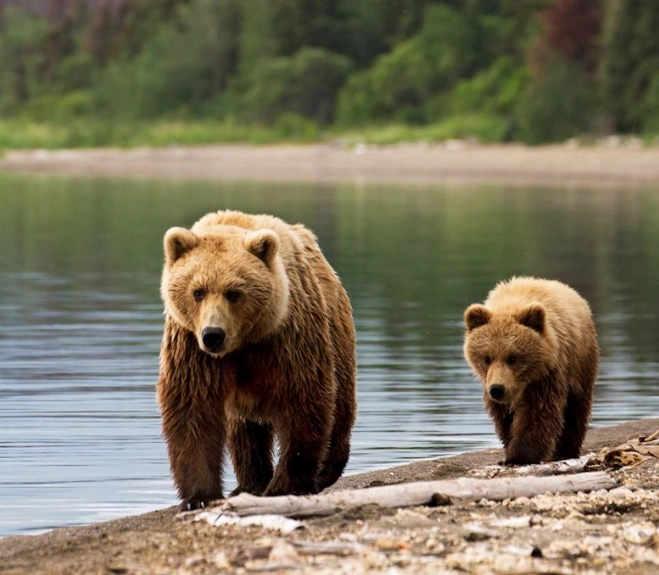
Getting There: The Only Ways In
All access is by small plane or boat. The main gateway is the town of King Salmon, Alaska. From there, you take a short floatplane or boat ride to Brooks Camp, the park's main visitor hub.
- Step 1: Fly to Anchorage (ANC). This is your major hub.
- Step 2: Fly to King Salmon (AKN). Alaska Airlines and PenAir offer daily flights from Anchorage. Book this as soon as you have dates.
- Step 3: Transit to Brooks Camp. This is the critical leg. You have two options:
- Katmai Air: The primary floatplane service. They operate on a schedule and book up fast.
- Brooks Lodge Boat Transfers: A slower, scenic boat ride down the Naknek River.
Address (Mailing): King Salmon, AK 99613 (Visitor center is in King Salmon).
Brooks Camp Season: Typically early June to mid-September. Facilities are closed outside this period.
Park Entrance Fee: $15 per person (good for 7 days). Paid upon arrival at Brooks Camp Visitor Center.
Official Site: For the most current info on fees, closures, and alerts, always check the National Park Service website for Katmai.
Where to Stay: The Great Accommodation Dilemma
This is where trips are made or broken. Options range from rustic to non-existent.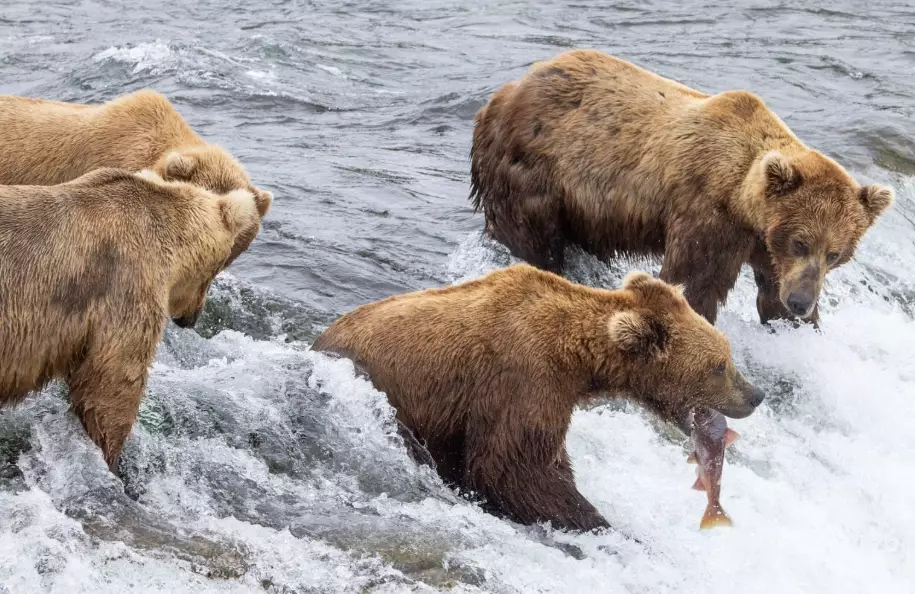
| Option | Location | What It's Like | Booking Tip |
|---|---|---|---|
| Brooks Lodge | Brooks Camp | The only full-service lodge in the park. Cabins with shared bathhouses. Includes meals. Pricey but ultra-convenient. | Book a full year in advance. Seriously. Lottery system often applies. |
| Brooks Camp Campground | Brooks Camp | A 60-person campground with bear-proof food caches. Very basic. The affordable, immersive option. | Reservations open January 5th each year for the whole season. They sell out in minutes online. |
| Lodges in King Salmon | King Salmon | Various hotels/B&Bs (e.g., King Ko Inn, Angler's Paradise). More amenities, but you must commute daily via floatplane. | More availability, but factor in daily flight costs ($200-$300 roundtrip per person). |
| Backcountry Camping | Various Bay Sites | For the truly experienced. Requires backcountry permit, all your own gear, and serious bear country savvy. | Permits are free but require a mandatory orientation in King Salmon. |
The Brooks Camp campground books out incredibly fast, and honestly, it's not for everyone. The constant hum of generators and the strict rules can feel regimented. Staying in King Salmon gives you a hot shower and a real bed, but the daily commute eats into your viewing time and budget. It's a trade-off.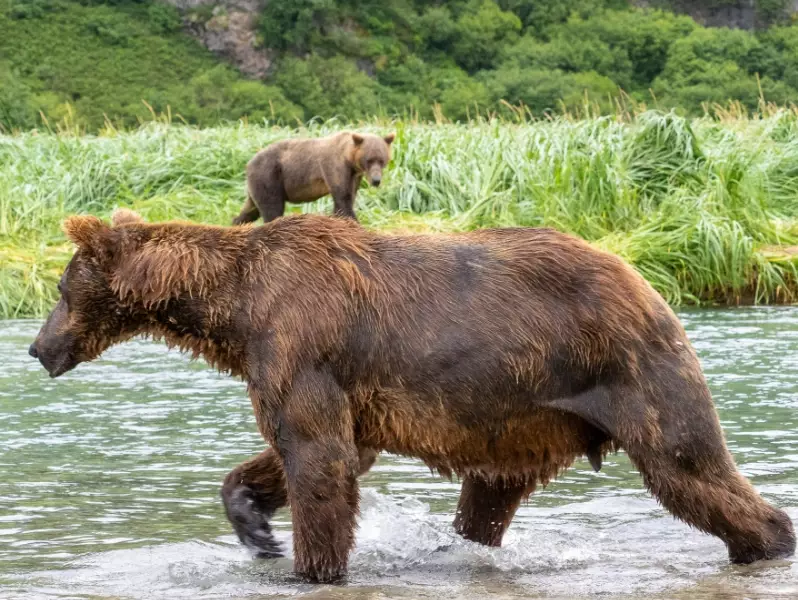
The Ultimate Katmai Bear Viewing Experience at Brooks Falls
You've arrived. The air smells different—damp earth and fish. The first thing you do is not run to the falls. You go to the Brooks Camp Visitor Center for the mandatory 20-minute bear safety talk. Pay attention. This isn't a theme park.
From the camp, a 1.2-mile trail leads to the falls. It's a raised boardwalk through spruce forest. You will see bears. I've seen them sleeping 20 feet from the path. Guides are stationed along it for safety. Walk calmly, talk normally, and keep moving.
The Viewing Platforms: Your Front Row Seats
There are three main platforms, each with a different vibe.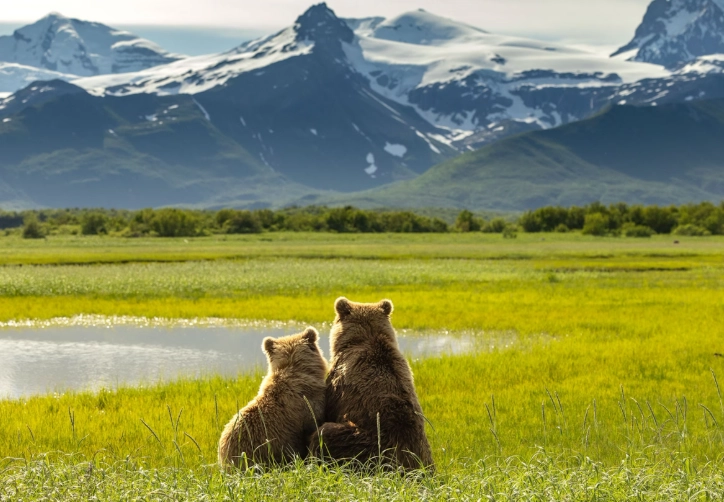
The Lower River Platform: This is where you get your first, often breathtaking, view of the falls. It's lower capacity and great for wider shots of the scene. Bears often fish in the pool below it.
The Mid-River Platform: A smaller platform closer to the action. You're almost level with the bears on the falls. The sound of the water and the bears' splashes is intense here.
The Brooks Falls Platform (The Famous One): This is it. Capacity is limited to 40 people, and you often wait in line (the "bear jam") for a turn, with a 1-hour time limit during peak periods. The view is straight down the line of falls where bears stand and snatch salmon from the air. It's chaotic, spectacular, and worth the wait.
Outside of the July peak, time limits are often relaxed. Rangers manage the platforms expertly. Listen to them. If they say move, you move.
How to Photograph Bears in Katmai Safely
Your gear matters, but your mindset matters more. The goal is to be invisible.
Gear Essentials:
- Lens: A 100-400mm or 150-600mm zoom is ideal. You need reach. Prime lenses are often too restrictive.
- Camera Body: Something with good autofocus tracking and burst mode. Bears move fast.
- Support: A monopod is better than a tripod on crowded platforms. It's faster to maneuver.
- Protection: Rain cover for your camera. It will get wet from spray or rain.
- Extras: Lots of memory cards and batteries. There are no outlets on the platforms.
The Pro Mistake to Avoid: Everyone wants the shot of the bear mid-air with a salmon. But they blast away on high-speed burst and end up with 500 near-identical frames. Slow down. Set your camera to a slower continuous mode. Anticipate. Watch the bear's posture—the hunch of the shoulders before the lunge. And for heaven's sake, sometimes just put the camera down and watch with your own eyes.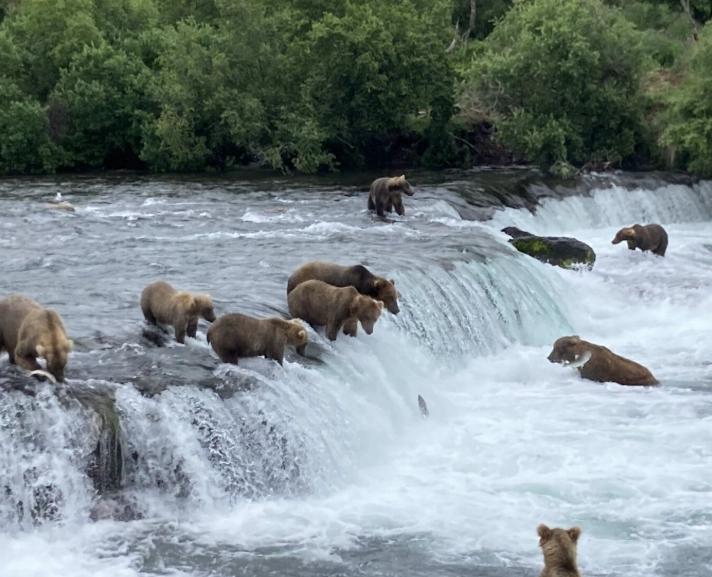
What is the Best Time to See Bears in Katmai?
This depends on what you want to see.
- Late June - July: The classic time. Sockeye salmon run peaks, and bears congregate at Brooks Falls in the highest numbers (sometimes 20+ at once). The action is non-stop. It's also the most crowded.
- August: Salmon are still running, but bears start to spread out along the river. You might see more mothers with spring cubs venturing to the falls. A great balance.
- September: My personal favorite. Crowds thin dramatically. The bears are in hyperphagia, desperately eating to fatten up. The light is golden, the bugs are gone, and you see behaviors like clamming on the tidal flats or digging for roots. Fewer bears at the falls, but more intimate encounters elsewhere.
The park's live bear cams are a fantastic tool. Watch them in the weeks before your trip. It gives you a real-time sense of bear activity and river conditions.
Essential Bear Safety Rules You Must Follow
This isn't optional etiquette; it's the law of the land for mutual survival.
The Big Three:
- Always stay at least 50 yards (half a football field) from bears. This includes on trails. If a bear is on the trail, you wait or turn back.
- Never run. Running can trigger a predator-prey response. Stand still, group up, and speak calmly.
- Never have food, drink, or packs outside the designated food cache areas. At Brooks Camp, this means the Visitor Center, lodge, or campground cache. Not on the picnic tables. Not on your back on the trail.
Rangers don't carry guns; they carry pepper spray and authority. They will issue citations or eject visitors who break these rules. Your compliance keeps the bears wild and the experience open for everyone.
Sample Itineraries for Your Katmai Adventure
Here’s what a realistic day looks like, based on staying at Brooks Camp.
A Perfect Day at Brooks Camp:
6:00 AM: Wake up. The early bird gets the bear. Light is magical, platforms are quiet.
6:30 AM: Quick breakfast at the lodge or campground. Pack lunch, water, rain gear.
7:00 AM - 12:00 PM: Morning session at the falls. Bears are often very active.
12:00 PM - 1:30 PM: Lunch back at camp at a designated eating area. Never eat on the trail or platforms.
1:30 PM - 6:00 PM: Afternoon exploration. Back to the falls, or hike the Dumpling Mountain Trail for an incredible俯瞰 view of Naknek Lake (be bear aware!).
6:00 PM onwards: Dinner, reviewing photos, maybe an evening ranger talk. Bears can be active along the beach near camp in the evening light.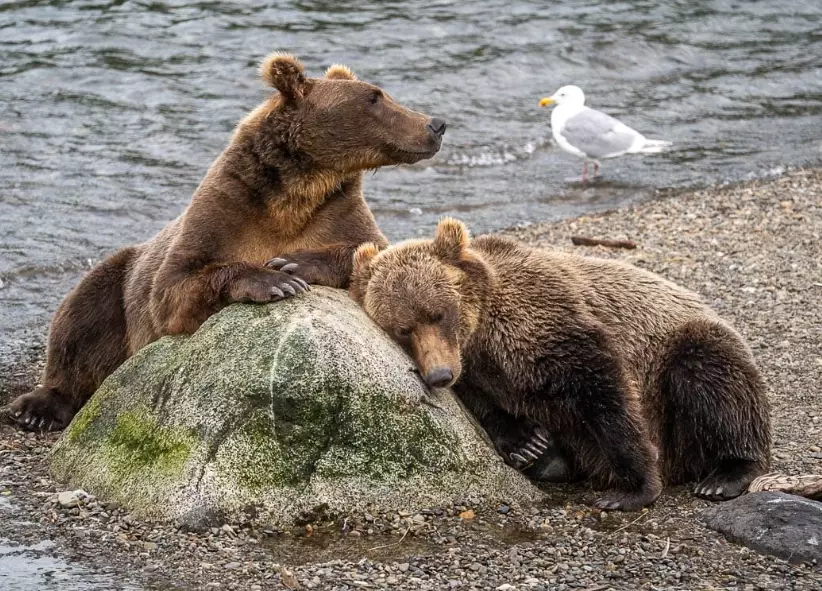
The Day-Trip Dash (From Anchorage/Homer):
This is exhausting but possible. You'll take an early charter flight directly to Brooks Camp, have 4-5 hours on the ground, and fly back in the evening. It's a whirlwind, and you're praying for good weather, but you get the iconic experience. Companies like Rust's Flying Service offer these packages.
Answers to Your Burning Questions
What is the absolute best time to see the most bears at Brooks Falls?
While July gets all the hype for the salmon run at the falls, early to mid-September is a secret weapon for serious photographers and those who dislike crowds. The bears are still very active, fattening up for hibernation, but the visitor numbers drop. The light is softer, and you might see different behaviors, like bears digging for roots or resting in the meadows. You trade the peak frenzy for a more intimate, atmospheric experience.
I'm a photographer. What's the one mistake everyone makes when trying to photograph bears at Brooks Falls?
They fixate on the bear catching a fish at the lip of the falls and forget the story. The real magic often happens downstream. Watch a bear carry its catch to a quiet spot, see the intense focus in its eyes as it defends the meal from jays or other bears, capture the water dripping from its jaws. The iconic leap is a split-second event; the consumption is a minutes-long drama. Position yourself to see both the main stage and the quieter backdrops along the riverbank.
How strict are the bear safety rules, and what happens if I accidentally get too close?
The rules are non-negotiable and rigorously enforced by rangers for your safety and the bears' welfare. The 50-yard minimum distance is a hard line. If you find yourself closer because a bear wandered near, stop moving, stay calm, and speak in a low, monotone voice to identify yourself as human. Do not run. Rangers would much rather you stood your ground calmly than bolted, which can trigger a chase. The system works on mutual respect; your compliance keeps the area open for everyone.
Is a day trip to Katmai for bear viewing worth it, or do I need multiple days?
A day trip from Anchorage or Homer is a marathon, but it absolutely can be worth it if your time is limited. You'll get 4-5 hours on the ground at Brooks Camp. The catch? You're at the mercy of Alaska's weather for flights. Multiple days are the gold standard. They buffer against flight cancellations, let you experience different times of day (early morning at the falls is sublime), and allow you to visit other areas like the Valley of Ten Thousand Smokes. One day is a thrilling snapshot; multiple days is an immersion.
On one trip in early September, I spent a whole afternoon watching a single bear, a large male with a notch in his ear, methodically fishing in a quiet channel away from the falls. No crowds, just the sound of his paws slapping the water. That memory is as strong as any from the crowded platform. That's the real gift of Katmai—it offers both the spectacle and the solitude, if you plan for it.
Start planning early, book everything you can the second it opens, and go with respect in your gut instead of just excitement. You'll come back changed.