In This Guide
- The Big One: America the Beautiful Pass – Is It Worth It For You?
- How Entrance Fees Work: Per Car, Per Person, or Something Else?
- Beyond the Gate Fee: The Hidden Costs (Reservations, Tours, Camping)
- Smart Strategies to Legitimately Reduce or Avoid Entrance Fees
- Your Burning Questions About National Park Entrance Fees, Answered
- Putting It All Together: A Sample Budget for a Classic Trip
Let's be real for a second. You're excited about hiking in Yosemite, staring in awe at the Grand Canyon, or spotting wildlife in Yellowstone. Then you start planning, and bam – you hit the question of national parks entrance fees. How much? Which pass? Is it per car or per person? Can you even avoid it?
It can feel like a confusing maze right before your adventure even begins. I've been there, scratching my head at the recreation.gov website at midnight.
The truth is, understanding the national park entrance fee system is the key to unlocking these incredible places without blowing your travel budget. And guess what? It's not as complicated as it seems once someone lays it out clearly. That's what we're doing here. No fluff, just the straight facts on costs, passes, and all the little loopholes that can save you a surprising amount of money.
Quick Reality Check: The national parks entrance fees you pay directly fund critical park operations. Think trail maintenance, visitor center staff, wildlife protection programs, and keeping those restrooms clean (thank goodness). According to the National Park Service (NPS), a significant portion of the fee revenue stays in the park where it was collected. So your fee isn't just a ticket – it's an investment in preserving the place.
The Big One: America the Beautiful Pass – Is It Worth It For You?
Almost every conversation about national park passes starts and ends with the America the Beautiful – The National Parks and Federal Recreational Lands Pass. It's the heavyweight champion. For a flat $80 (at the time of writing), it covers the entrance fees for you and everyone in your personal vehicle at all national parks and over 2,000 federal recreation sites for a full year.
But here's the personal take – it's not an automatic buy for everyone.
So, let's do the math. The classic break-even point:
- Scenario A (The Road Tripper): You're planning to visit Grand Canyon ($35/vehicle), Zion ($35/vehicle), Bryce Canyon ($35/vehicle), and Arches ($30/vehicle) in one trip. That's $135 in national park entrance fees already. The $80 pass is a no-brainer.
- Scenario B (The Weekend Explorer): You live near one national park and plan 3-4 weekend visits. If your local park charges $30 per vehicle, that's $90-$120. The pass still saves you money.
- Scenario C (The One-Park Wonder): You're taking a big vacation to, say, Yellowstone for a week. The pass costs $80, but Yellowstone's entrance fee is $35 for 7 days. You'd lose money unless you hit another fee site on the way.
You can purchase the pass online from the USGS Store, at any participating federal recreation site, or through many partner retailers.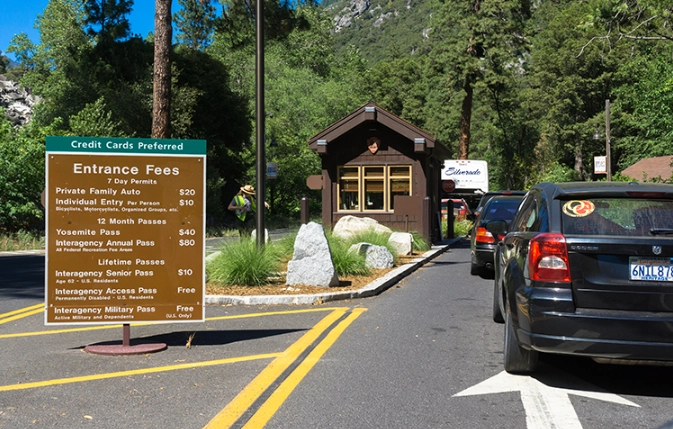
Who else qualifies for special passes?
Senior, Access, Military, and Volunteer Passes
The NPS offers several discounted or free passes for specific groups. These are golden tickets if you qualify.
- Annual Military Pass: Free for current U.S. military members and dependents. This is an incredible benefit. Just show your CAC or DD Form 1173.
- Senior Pass (Lifetime): For U.S. citizens or permanent residents aged 62+. It's $80 for a lifetime pass. Honestly, one of the best deals in travel if you're eligible.
- Access Pass (Lifetime): Free for U.S. citizens or permanent residents with a permanent disability. Documentation is required.
- Annual 4th Grade Pass: Every U.S. 4th grader (and their family) gets free access for the school year. A fantastic program to get kids outdoors.
- Volunteer Pass: Earned by volunteering 250+ hours with participating agencies.
The details and application processes for these are meticulously outlined on the official NPS Passes page. Always check there for the most current requirements and pricing.
How Entrance Fees Work: Per Car, Per Person, or Something Else?
Not all national parks entrance fees are structured the same. This is a major source of confusion. The fee structure usually depends on how most people arrive.
Pro Tip: The fee is typically for entrance, not for a specific number of days (with a few exceptions). A 7-day vehicle pass means you can come and go for a week. A single-day motorcycle fee is just for that day.
Here's the breakdown of the common fee types:
- Per Private Vehicle: This is the most common. The fee covers all occupants in a single, non-commercial vehicle. Perfect for families and groups.
- Per Person (Pedestrian/Cyclist): If you enter on foot, bike, or as part of a non-commercial group (like friends in multiple cars paying individually), you'll pay per head. Usually cheaper than the vehicle fee for a solo traveler.
- Per Motorcycle: A flat fee for the rider and passenger.
- Commercial Tour Fees: Structured differently for buses and vans with paying customers. If you're on a guided tour, this is usually baked into your tour cost.
- Annual Park-Specific Pass: Some of the most popular parks, like Yellowstone or Rocky Mountain, sell their own annual pass. This is good only for that one park. Useful if you're a local but often worse value than the America the Beautiful pass.
To give you a concrete picture, here's what fees looked like for some of the most visited parks. Remember, these can change, so always verify on the specific park's website before you go.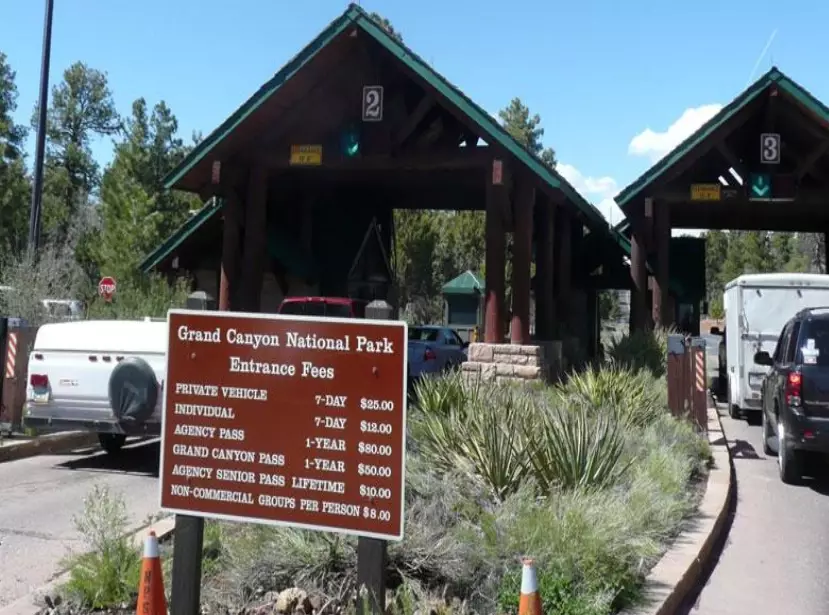
| National Park | Private Vehicle Fee (7 Days) | Per Person Fee (7 Days) | Motorcycle Fee (7 Days) | Annual Park Pass |
|---|---|---|---|---|
| Yellowstone | $35 | $20 | $30 | $70 |
| Grand Canyon (South Rim) | $35 | $20 | $30 | $70 |
| Zion | $35 | $20 | $30 | $70 |
| Yosemite | $35 | $20 | $30 | $70 |
| Great Smoky Mountains | FREE | FREE | FREE | N/A |
| Acadia | $35 (May-Oct) | $20 | $30 | $70 |
| Rocky Mountain (Timed Entry + Fee) | $35 (Peak Season) | $20 | $30 | $70 |
Notice Great Smoky Mountains? It's the most visited national park and has no entrance fee. It's a major exception, funded differently. Parks like Redwood National Park also have no entrance fee, though some associated state parks within them might.
Beyond the Gate Fee: The Hidden Costs (Reservations, Tours, Camping)
Okay, so you've budgeted for the national park entrance fee. You're not done. The biggest budgeting mistake is forgetting the add-ons. The entrance fee is just your key to the park; it doesn't cover everything inside.
This is where trips get expensive if you're not careful.
Watch Out For: The rise of timed entry reservation systems. Parks like Rocky Mountain, Arches, Glacier, and Yosemite (during peak season) now require you to book a separate timed entry permit in addition to paying the entrance fee. This is to manage crowding. These permits often cost $2 (a processing fee) and sell out months in advance. Missing this step means you can't enter during peak hours, even with your America the Beautiful pass.
Other common costs that sneak up on you:
- Camping Fees: Park campgrounds range from $20 to $50+ per night. These are separate from entrance fees and often require early booking on Recreation.gov.
- Guided Tours & Activities: Ranger programs are usually free (and awesome!). But things like boat tours (Yellowstone Lake, Jenny Lake), bus tours (Denali), or guided hikes can cost $30-$150 per person.
- In-Park Transportation: Some parks, like Zion and Denali, require you to use the park shuttle system to access certain areas. Sometimes it's free (Zion), sometimes there's a fee (Denali).
- Parking: At ultra-popular trailheads, parking can be a nightmare. You might end up paying for overflow parking outside the park or wasting hours circling.
My own painful lesson? Showing up to Arches without a timed entry ticket. Had to wait until 3 PM to enter, which threw off our whole hiking schedule for the day. A little planning would have saved a lot of frustration.
Smart Strategies to Legitimately Reduce or Avoid Entrance Fees
You want to save money. I get it. Let's talk about completely legal and ethical ways to minimize what you pay for national parks entrance fees.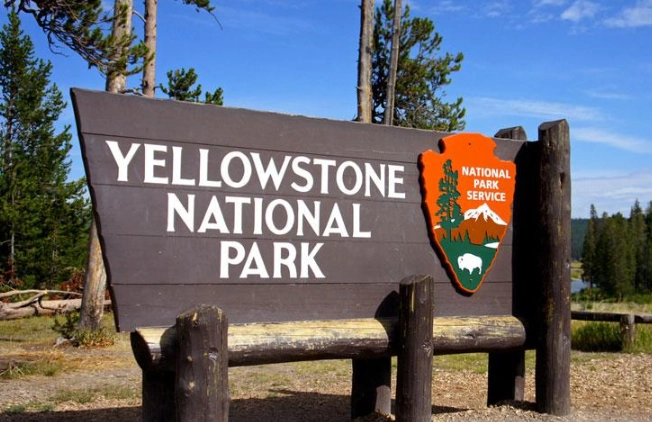
1. Target the Free Entrance Days
The NPS announces several Fee-Free Days each year. These are days when all national parks waive their entrance fees. Mark these on your calendar. They usually include:
- Martin Luther King Jr. Day (January)
- The first day of National Park Week (April)
- The anniversary of the Great American Outdoors Act (August)
- National Public Lands Day (September)
- Veterans Day (November)
A word of caution: These are the busiest days. I mean, wall-to-wall people busy. If you hate crowds, the savings might not be worth the hassle. It's a trade-off.
2. Visit Parks With No Entrance Fee
Some incredible national parks are always free. Building a trip around these can stretch your budget. Besides the Great Smoky Mountains, consider:
- National Monuments, Seashores, and Lakeshores: Many units of the National Park System that aren't called "National Park" are free. Think Bandelier National Monument, Canyon de Chelly National Monument, or Sleeping Bear Dunes National Lakeshore. They offer phenomenal experiences with zero entrance fees.
- State Parks Near National Parks: Often, the surrounding areas have stunning state parks with lower fees. Visiting Dead Horse Point State Park near Canyonlands gives you a similar iconic view for less.
3. Enter at Non-Peak Times
Many parks with entrance stations are only staffed during daylight hours. If you enter very early in the morning (for a sunrise hike) or later in the evening, the gate might be unattended, and you can drive right in.
Now, the ethical bit: If you're staying in the park for the next day, you should still pay the fee. The honor system is a real thing here. The fees keep the park running. But if you're just catching a sunset and leaving? Technically, you haven't incurred the fee. It's a gray area, but it's a known practice.
4. Go Car-Free on Per-Person Fee Days
If you're traveling solo or as a couple, compare the vehicle fee to the per-person fee. Sometimes, entering on a bike or paying as a pedestrian is cheaper. I've saved money by parking just outside a park entrance and walking in with my daypack.
Your Burning Questions About National Park Entrance Fees, Answered
Let's tackle the questions that pop up in forums and trip planning groups all the time. The stuff that's not always clear on the official sites.
Usually, yes. If you pass through an entrance station, you are required to pay the fee, even if you're "just passing through." Some parks, like Grand Teton, have highways that go through them where you might not pass a station, but if you stop at any pull-out or visitor center, you need a pass.
When you buy online, you get a temporary pass (a PDF) you can print and use immediately. Your physical pass arrives by mail in about 2-4 weeks. At the entrance station, show the printed copy (or the physical pass later) along with your photo ID. The ranger will check that the signature on the pass matches your ID.
No, not really. The pass is non-transferable. The rule is: The pass holder must be present in the vehicle and show ID. You can't lend it to a friend going on a separate trip. However, if you are in the vehicle, you can bring as many friends/family as you can fit. So you can be the designated pass-holder for your group's trip.
Often, yes. You still need to pay the entrance fee to access the park. Additionally, many parks require a separate (and often free) backcountry permit for overnight wilderness trips to manage impact. The permit is about safety and conservation, not revenue.
If the parks are separate and have their own entrance stations, you pay each park's fee. However, some parks are adjacent and covered by one fee. For example, the $35 fee for Grand Teton National Park also gets you into Yellowstone if you enter within 7 days. Always ask the ranger when you pay.
The lifetime Senior and Access passes are the primary discounts. They are such incredible value that there aren't really additional day-pass discounts. For foreign seniors, you'd need to pay the standard entrance fee or buy an America the Beautiful pass.
One more thing people forget.
You can usually buy the America the Beautiful pass at the park entrance. So if you get to your first park and realize, "Wow, I'm going to three more this trip," you can buy it on the spot and have the ranger apply it to your current entrance. Saves you from overpaying on day one.
Putting It All Together: A Sample Budget for a Classic Trip
Let's make this practical. Say you're planning a 10-day road trip from Las Vegas to hit the "Mighty 5" parks in Utah (Zion, Bryce, Capitol Reef, Arches, Canyonlands) plus the Grand Canyon's North Rim.
Option 1: Pay-as-You-Go
- Zion: $35
- Bryce Canyon: $35
- Capitol Reef: $20 (vehicle fee)
- Arches: $30 (Timed Entry + $2 reservation)
- Canyonlands: $30
- Grand Canyon North Rim: $35
- Total in Entrance Fees: ~$187
Option 2: America the Beautiful Pass
- America the Beautiful Pass: $80
- Arches Timed Entry Reservation: $2
- Total: $82
The choice is obvious for this itinerary. You save over $100 instantly. That's gas money, a few nice meals, or a cozy Airbnb upgrade.
Final, Non-Negotiable Advice: Always, always check the official NPS Find a Park page for your specific destination. Search for the park, go to "Fees & Passes," and read the latest updates. Fees change. Reservation requirements get added. A blog post (even this one) can become outdated. The NPS site is the single source of truth.
So there you have it. The maze of national parks entrance fees, demystified. It boils down to a simple decision: calculate the total cost of your planned park visits, and if it's over $80, buy the America the Beautiful pass. If not, pay per park. Factor in timed entry reservations, and don't forget the hidden costs of camping and tours.
With this knowledge, you can stop worrying about the cost of entry and start focusing on the real prize: finding that perfect hike, seeing that breathtaking vista, and making memories that have nothing to do with the price on the ticket.
Now go plan that trip.