Let's cut to the chase. Arches National Park in Utah is a place that looks impossible. Over 2,000 natural stone arches, hundreds of soaring pinnacles, and massive fins of rock all crammed into a landscape that feels more like Mars than Earth. It’s a photographer's dream, a hiker's playground, and for many, a bucket-list destination. But here's the thing everyone forgets to mention: it's also incredibly popular, deceptively rugged, and planning a trip here requires more than just showing up.
I've lost count of my visits over the years. I've seen Delicate Arch at sunset with a crowd of hundreds, and I've hiked the primitive trail behind Double O Arch in complete solitude at dawn. This guide isn't just a list of facts from the National Park Service website (though we'll cover those). It's the collection of lessons learned, the mistakes made, and the strategies developed to actually experience the magic of this place, not just check it off a list.
Your Arches Adventure Starts Here
Arches 101: Tickets, Location & Hours
First, the logistical bedrock. Arches is located just north of Moab, Utah—a fantastic adventure town that serves as your basecamp. The park's physical address is for the visitor center: Arches National Park, Moab, UT 84532.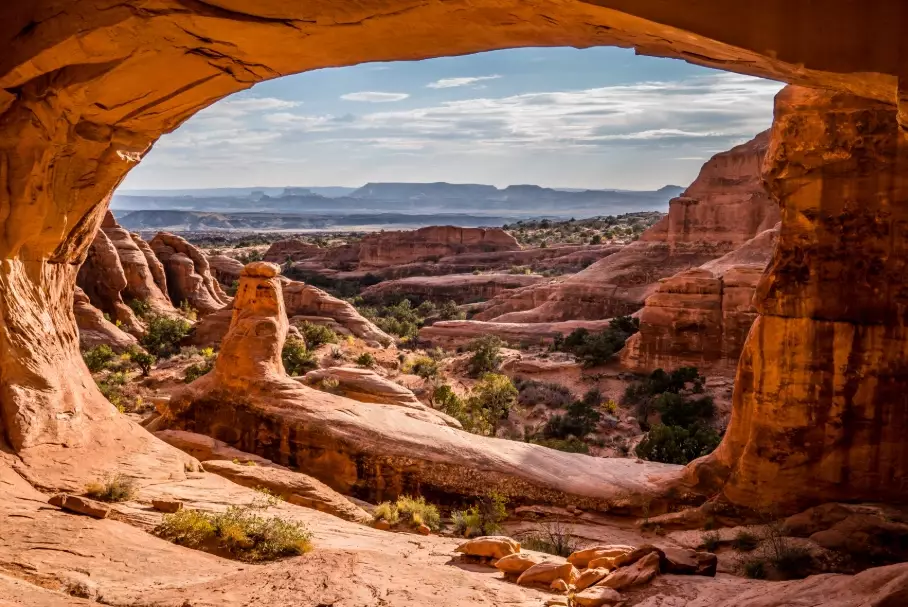
Key Park Information at a Glance
Entrance Fee: $30 per private vehicle (valid 7 days). The $80 America the Beautiful Annual Pass is a no-brainer if you visit more than 2-3 national parks in a year.
Visitor Center Hours: Typically 9 AM - 4 PM, with extended hours in peak season. Stop here for maps, permits, and last-minute advice from rangers.
Park Open 24/7: The park gates are open all day, every day. This is crucial for catching sunrise or stargazing.
The most critical piece of modern planning is the Timed Entry Ticket. From April 1 through October 31, you need a reservation to enter between 6 AM and 5 PM, in addition to your park pass. These slots on Recreation.gov sell out fast. Set a calendar reminder for the release date three months out, or try for the limited batch released at 6 PM MT one day before.
No reservation? You can enter before 6 AM or after 5 PM. Honestly, those are the best times to be in the park anyway.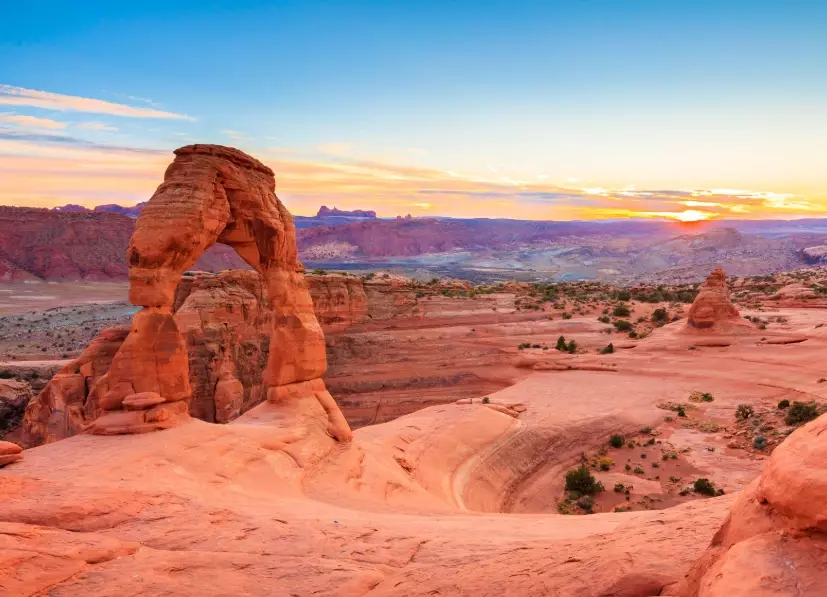
How to Get to Arches National Park and When to Visit
Moab is remote. The nearest major airport is in Salt Lake City (SLC), a 3.5 to 4-hour drive. Many fly into Grand Junction, Colorado (GJT), which is about 2 hours away. You will need a rental car. There's no real shuttle system inside the park.
Spring (April-May) and Fall (September-October) are the gold standards. Days are mild, wildflowers can bloom in spring, and the crowds, while present, are manageable compared to summer. Summer is brutal. I'm talking 100°F (38°C) in the shade, which is non-existent on the trails. If you go in summer, your entire schedule revolves around being active at dawn and dusk, hiding from the sun midday.
Winter is the park's secret season. Snow dusting the red rock is breathtaking. Crowds are minimal, and you can have many viewpoints to yourself. Just be prepared for cold temps and potential road closures during storms.
The Must-See Arches & Best Hikes
With over 2,000 arches, you can't see them all. Focus on the icons and a few personal favorites. Here’s a breakdown by effort and payoff.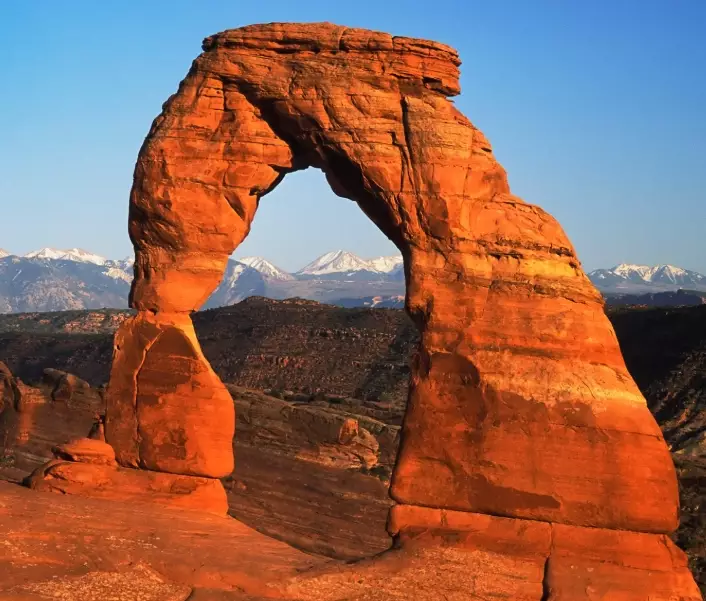
The Accessible Wonders (Easy to Moderate Hikes)
The Windows Section & Double Arch: This is your greatest bang-for-the-buck area. A flat, one-mile loop lets you walk right up to North Window, South Window, and Turret Arch. A separate 0.5-mile trail leads to the immense, awe-inspiring Double Arch. You can see four spectacular arches in under an hour of easy walking. It's perpetually busy, but for good reason.
Landscape Arch: A 1.6-mile round trip on a flat, well-graded trail in the Devils Garden area. This is the longest arch in North America (306 feet), and it’s shockingly delicate. Parts of it have collapsed in living memory. Seeing it feels urgent. From the same trailhead, a slightly steeper 0.4-mile spur leads to the beautiful, secluded Pine Tree and Tunnel Arches.
Balanced Rock: Not an arch, but a must-stop. It's a 0.3-mile loop right off the main road. It’s the perfect leg-stretcher and a great introduction to the park's bizarre geology.
The Iconic Challenge
Delicate Arch: The arch on the Utah license plate. The hike is 3 miles round trip with 480 feet of elevation gain on exposed slickrock. There's no shade. It's moderate, but the desert sun makes it feel harder. The final approach rounds a corner, and the arch appears, framed by the La Sal Mountains. It’s a moment you won't forget.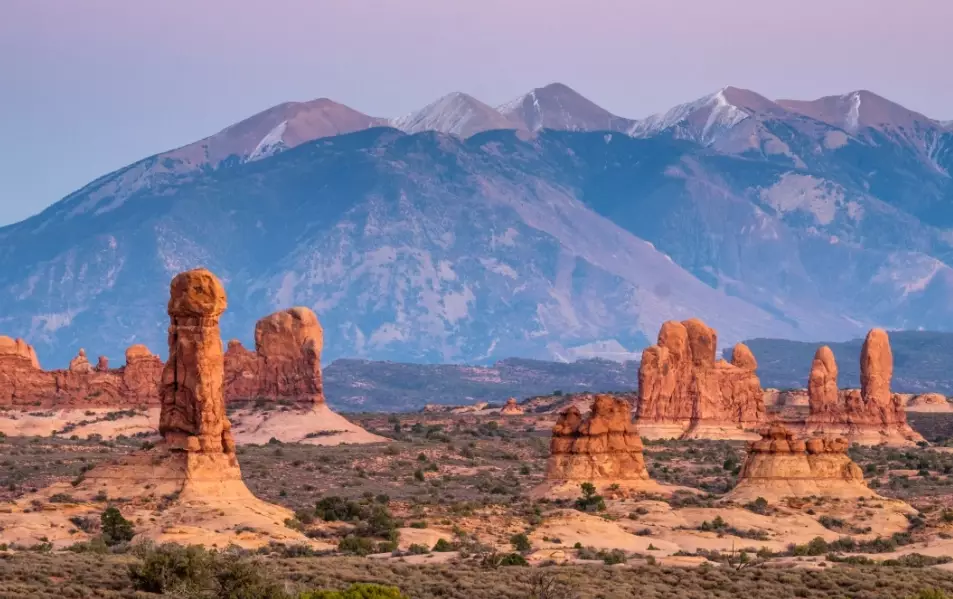
My advice: Hike it for sunset. The light is magical, and the arch glows. Bring a headlamp for the hike back. If you want solitude, go for sunrise—you'll share it with maybe a dozen other dedicated souls instead of hundreds.
For the Adventurous (Primitive Trails)
Devils Garden Primitive Loop: Starting from Landscape Arch, this trail gets serious. You'll scramble over slickrock fins, navigate narrow ledges (not for those with a fear of heights), and be rewarded with multiple arches like Partition and Double O. The full loop is about 7.2 miles. Do your research, carry at least 3 liters of water per person, and don't attempt it in the summer heat.
| Arch / Area | Hike Difficulty | Round-Trip Distance | Key Note |
|---|---|---|---|
| Delicate Arch | Moderate | 3 miles | Iconic view, best at sunset/sunrise. |
| Windows & Double Arch | Easy | 1-1.5 miles | Highest concentration of major arches. |
| Landscape Arch | Easy | 1.6 miles | See the longest arch in North America. |
| Devils Garden Primitive | Strenuous | 7.2 miles (loop) | For experienced hikers; brings solitude & adventure. |
| Park Avenue | Easy/Moderate | 2 miles (one-way) | Stunning canyon walk, less crowded. |
Desert Photography: Capturing the Light
The desert light changes everything. Midday is flat and harsh. The magic hours are sunrise and sunset.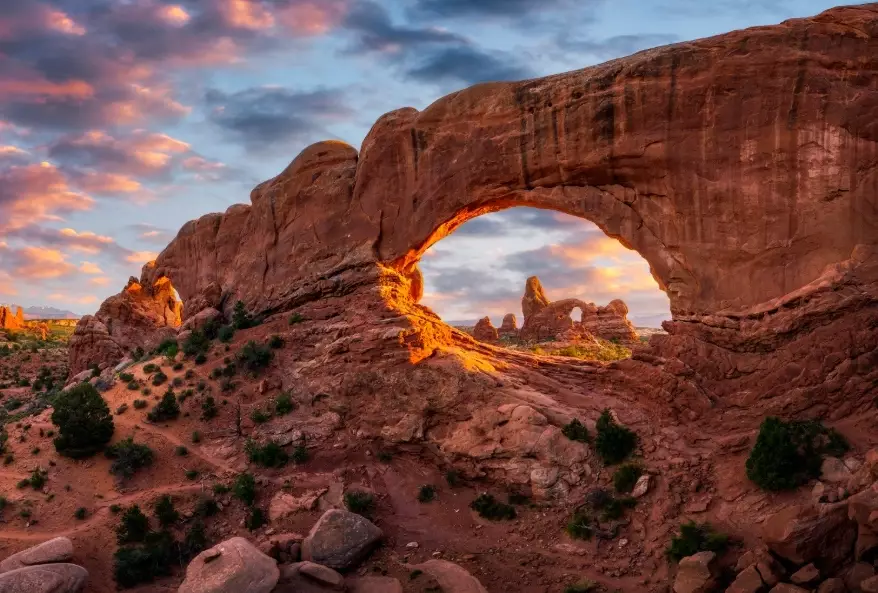
Sunrise: The east-facing arches light up. Turret Arch through the North Window is a classic sunrise shot. The light is clean and soft, and you'll have fewer people in your frame.
Sunset: This is when the west-facing rocks ignite. Delicate Arch is the premier sunset spot. The Windows also catch beautiful late light. Get to your spot at least 90 minutes before sunset to secure a position and watch the transformation.
Gear Talk: A wide-angle lens (16-35mm) is essential for capturing arches in their environment. A telephoto zoom (70-200mm) is surprisingly useful for compressing distant landscapes and isolating details in the fins. Always carry a sturdy tripod for those low-light moments. And for night photography? Arches is an International Dark Sky Park. The Milky Way framing an arch is a sight to behold.
Building Your Perfect Arches Itinerary
Here’s how to structure your time, whether you have one day or three.
The One-Day Power Trip
This is a sprint, not a stroll. Enter at 6 AM (no timed ticket needed).
Morning (6-11 AM): Head straight to the Windows Section for sunrise photography and an easy hike. Then drive to the Devils Garden Trailhead and hike to Landscape Arch and back while it's still cool.
Midday (11-3 PM): Have lunch back in Moab. Escape the heat. This is non-negotiable in summer.
Afternoon/Evening (3 PM onwards): Return to the park. Visit Balanced Rock and the viewpoints along the way. Then, start the hike to Delicate Arch about 2.5 hours before sunset. Enjoy the spectacle, hike back with headlamps.
The Ideal Two-Day Immersion
Day 1: Focus on the eastern side. Sunrise at the Windows/Double Arch. Hike Park Avenue. Explore the Courthouse Towers viewpoint. Afternoon in Moab. Sunset at the easy Upper Delicate Arch Viewpoint (a distant but clear view without the hike).
Day 2: Sunrise hike to Delicate Arch itself. Spend the late morning exploring the Devils Garden area, going beyond Landscape Arch to Double O Arch if you're up for it. Depart or catch one last sunset at Balanced Rock.
Pro Tips for a Smooth Visit
These are the things you learn the hard way.
Water is Everything: Carry at least one gallon (4 liters) per person, per day. I use a hydration bladder plus a spare Nalgene. You cannot over-hydrate.
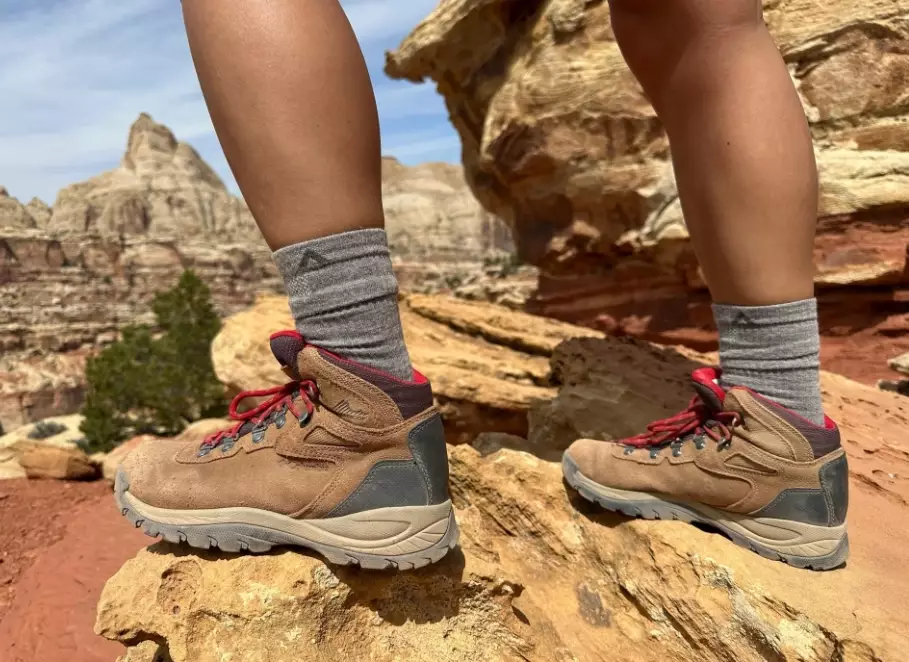
Footwear: Trail runners or hiking boots with good grip are mandatory. You'll be walking on sand, gravel, and slippery slickrock. Sandals won't cut it.
Leave No Trace: This is a fragile desert. Stay on marked trails. Don't climb on arches (it's illegal and damages them). Pack out all trash, including toilet paper if you venture into the backcountry.
Where to Stay: Moab has everything from campgrounds and motels to luxury resorts. Book months in advance for spring and fall. The Devils Garden Campground inside the park is spectacular but sells out within minutes of being released 6 months ahead. Consider Bureau of Land Management (BLM) camping outside town for a more rustic, often free, experience.
Cell Service: It's spotty to non-existent in the park. Download offline maps (Google Maps, AllTrails) and save this article before you go.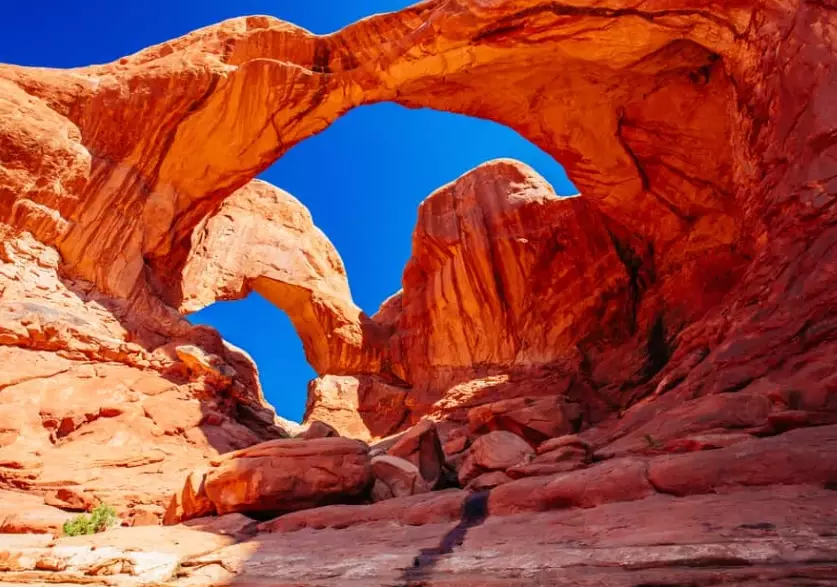
Answers to Your Burning Questions
Can I visit Arches National Park in one day?
You can, but you'll be rushed. A focused one-day itinerary should target 2-3 major arches. Prioritize the Windows Section and Double Arch for quick, high-impact views, then dedicate the afternoon to the Devils Garden Trailhead for Landscape Arch. Most visitors regret not allocating time for the 3-mile round trip hike to Delicate Arch, the park's icon. If seeing Delicate Arch is a priority, a one-day visit becomes a strategic sprint, not a relaxed exploration.
What is the best time of day for photography at Arches?
Sunset is the undisputed champion for warm, dramatic light. Delicate Arch glows fiery red. However, the secret many photographers miss is the hour after sunrise. The low eastern sun illuminates the faces of arches like Double O Arch and Turret Arch with a soft, clean light, and you'll face far fewer crowds. Midday light is harsh and creates deep shadows, making it the least ideal time for compelling photos.
Are dogs allowed on the hiking trails in Arches?
No. Pets are strictly prohibited on all hiking trails, in the backcountry, and anywhere off established roadways. They are only allowed in developed areas like parking lots, picnic areas, and the campground, and must always be on a leash. The desert environment is extreme—hot ground can burn paws quickly, and wildlife encounters are a real risk. For the safety of your pet, the fragile ecosystem, and other visitors, please use the excellent local kennel services in Moab.
Do I need a timed entry ticket for Arches National Park?
Yes, from April 1 through October 31. You must have both a park pass (or pay the entrance fee) and a Timed Entry Ticket reservation to enter between 6 AM and 5 PM. Reservations are released three months in advance on Recreation.gov, with a limited number available one day prior at 6 PM MT. This system is critical for managing congestion. Plan ahead—showing up without a reservation during these hours means you will be turned away.
Arches isn't a park you simply see. It's a place you feel. The sheer scale and absurdity of the geology forces a perspective shift. The planning, the early wake-ups, the sweat on the trail—they're all part of the ritual that makes standing beneath Delicate Arch or gazing at Landscape Arch so profoundly rewarding. Do your homework, respect the desert, and you'll walk away with more than just photos. You'll have stories from a truly otherworldly landscape.