Let's cut to the chase. Angels Landing in Zion National Park is a bucket-list hike for a reason. That final half-mile spine of rock, clutching chains bolted into the cliffside with 1,500-foot drops on either side, is the stuff of legend. It's also the source of a lot of anxiety, misinformation, and Instagram-fueled hype. I've done this hike multiple times over the years, in different seasons and conditions. This guide isn't just a rehash of the park brochure. It's the practical, sometimes blunt advice I wish I'd had before my first time up there.
What You'll Find in This Guide
The Angels Landing Hike: By the Numbers
Before you get romantic about it, know what you're signing up for.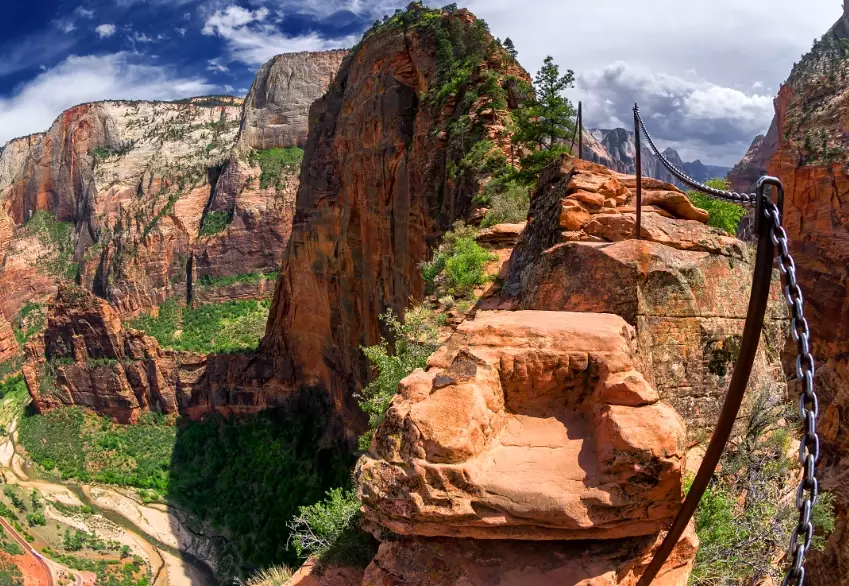
- Distance: 5.4 miles round trip out-and-back.
- Elevation Gain: About 1,500 feet. That's steep.
- Estimated Time: 3 to 5 hours for most people. Don't rush it.
- Difficulty: Strenuous. The NPS labels it as such, and they're not kidding. It's a combination of sustained cardio on the approach and serious exposure on the chains.
- Permit Required: Yes, for the chains section beyond Scout Lookout. More on that nightmare—er, process—below.
- Park Entrance: You need to pay the Zion National Park entrance fee ($35 per vehicle, valid 7 days) or use an annual pass.
- Getting There: From March to November, you must take the free Zion Canyon Shuttle from the Visitor Center. The trailhead is at stop #6, The Grotto. Check the National Park Service website for the most current shuttle schedules.
A Quick Reality Check
This hike demands respect. It's not a walk. People have died here, almost always from falls. The danger is real, but it's manageable with preparation, the right mindset, and obeying the rules (like staying on the trail and not hiking during thunderstorms). The biggest mistake I see? Underestimating the physical challenge of the first two miles and being too tired to focus safely on the chains.
The Non-Negotiable: How to Get an Angels Landing Permit
Since 2022, you need a permit to hike the chains section. This has dramatically improved the crowding (and danger) but created a new obstacle. There are two lotteries, and you should try both.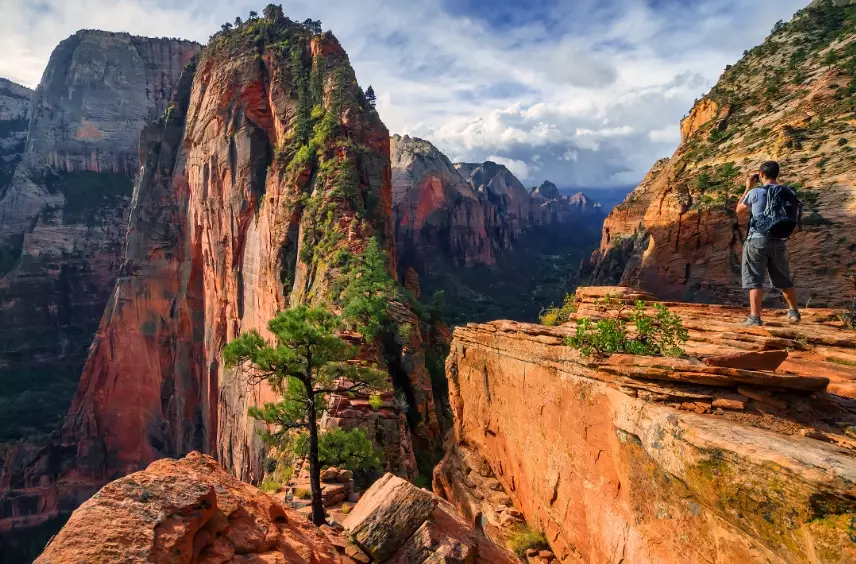
The Seasonal Lottery
This is for hikes several months in advance. You apply on Recreation.gov during a specific window (e.g., apply in January for March-May hikes). You pick multiple dates. Odds are low, maybe 10-30% depending on the season. It's a gamble, but if you win, your trip is set.
The Day-Before Lottery
This is your best shot for a spontaneous or flexible trip. The lottery opens at 12:01 AM MT and closes at 3:00 PM MT the day before you want to hike. You get results by 4:00 PM. My pro-tip? Apply for every single day you'll be in Zion. Applying for a block of 4 days gives you 4 separate chances, not one chance for a 4-day permit. It's a numbers game.
Permits cost $6 per person for the lottery application (non-refundable) and an additional $3 per person if you win. You'll show the digital permit (they check QR codes) at the start of the chains section.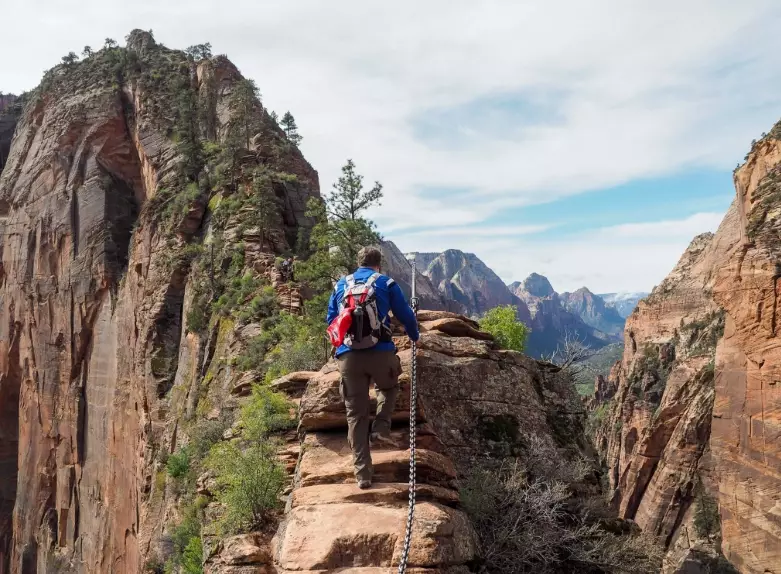
What to Pack (And What to Leave Behind)
Packing wrong can turn a tough hike into a miserable or dangerous one. Here’s the non-negotiable list.
| Item | Why It's Critical | Common Mistake |
|---|---|---|
| Water (3-4 Liters) | The switchbacks are a sun trap. Dehydration causes fatigue and poor judgment. | Bringing one small bottle. I've given water to unprepared hikers on the trail more than once. |
| Sturdy Hiking Shoes/Boots | You need grip on sandy rock and secure footing on narrow ledges. Ankle support helps on the uneven descent. | Wearing old running shoes or sandals. I saw a guy in Crocs once. Don't be that guy. |
| Gloves (Lightweight) | The chains can be hot, cold, or gritty. Gloves protect your hands and give a more secure grip. A game-changer. | Thinking you don't need them. Your hands will thank you. |
| High-Energy Snacks | Fuel for sustained effort. Think nuts, bars, jerky, fruit. | No snacks, leading to a "bonk" (sudden energy crash) at the worst moment. |
| Sun Protection | Hat, sunscreen, sunglasses. Much of the trail has zero shade. | Getting a brutal sunburn, which is distracting and painful. |
| Backpack | To carry all this, hands-free. A 20-30 liter daypack is perfect. | Trying to carry items in your hands. You need both hands free for the chains. |
Leave the bulky camera, the speaker blasting music (seriously, don't), and any unnecessary weight. Every ounce counts on those switchbacks.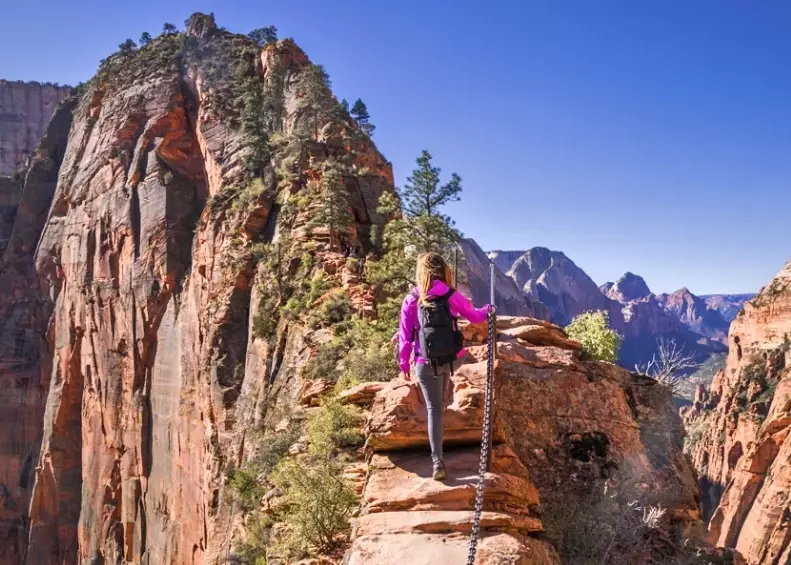
Safety, Fear of Heights, and Honest Self-Assessment
This is the most important section. The physical challenge is one thing; the mental challenge is another.
Fear of Heights (Acrophobia): If you have a serious fear, this hike might not be for you. But many people with a mild nervousness can do it. The key is to go at your own pace, focus on the rock in front of you (not the drop), and use the chains as a tool, not a crutch. If you get to Scout Lookout and look at the chains route and feel sheer panic, it's perfectly okay to stop. The views from Scout Lookout are incredible and an achievement in themselves.
Weather: Do not hike if thunderstorms are forecast. You are a lightning rod on that ridge. Also, avoid ice or snow unless you have serious mountaineering experience (crampons, ice axe). The park often closes the trail in winter conditions.
Crowds & Trail Etiquette: Even with permits, it can get congested. Uphill hikers generally have the right of way on the chains. Communicate. A simple "I'll wait here" at a wide spot prevents dangerous passing. Patience is a safety tool.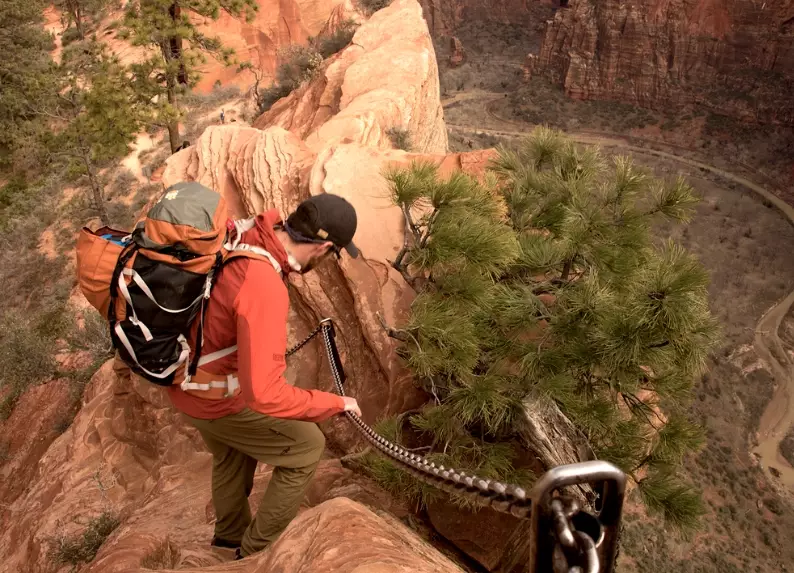
What the Hike is Actually Like, Step by Step
Let's break it down so there are no surprises.
Mile 0-2: The River Walk to Walter's Wiggles. You start flat along the Virgin River, then the climb begins in earnest. It's a well-paved but relentlessly uphill path with big switchbacks. This is your cardio warm-up. You'll hit a series of 21 tight switchbacks called Walter's Wiggles—a famous engineering feat. They're steep. If you're struggling badly here, reconsider the chains.
Scout Lookout: This is a large, sandy area with epic views and bathrooms. This is decision point #1. Look at the ridge. That's your path. This is where rangers often check permits. Take a break, hydrate, and be honest with yourself.
The Chains Section (0.5 miles one-way): The fun begins. You'll immediately need to use chains to ascend a narrow, exposed section. The rule: always keep one hand on the chain when you're on an exposed section. The trail weaves along the spine, sometimes wide, sometimes barely the width of your boots. There are carved footholds. Go slow. Let faster people pass at safe spots. The final push to the summit is steep but short.
The Summit: It's a relatively flat, rocky area with 360-degree views of Zion Canyon. It's spectacular. Find a spot, soak it in, eat your snack, and commit the feeling to memory. The hard part isn't over—you have to go back down the chains, which many find more psychologically challenging than going up.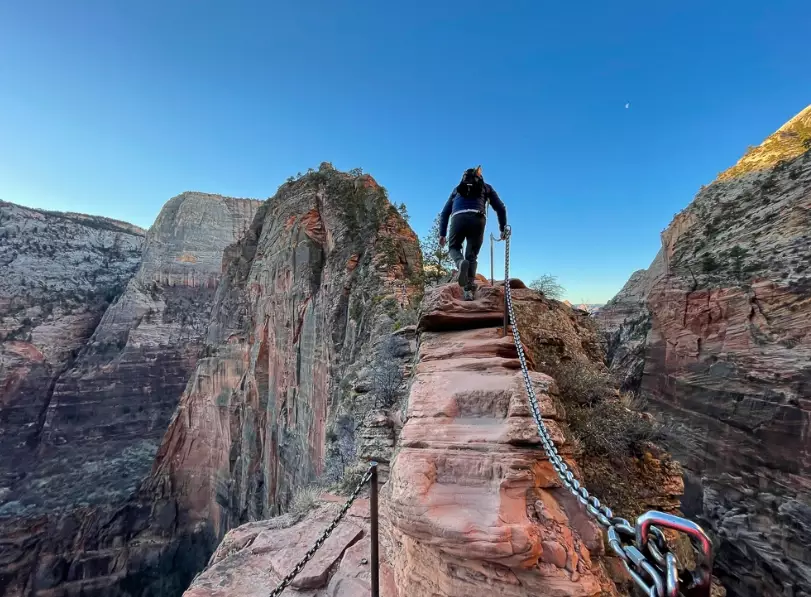
Answers to the Questions You're Actually Asking
Angels Landing is more than a hike; it's a test of preparation and personal limits. Respect the trail, respect the permits, and most importantly, respect your own comfort level. If you do it right, the feeling standing on that summit, knowing what you overcame to get there, is something you'll carry with you long after your boots are clean.