Quick Journey Guide
- First Things First: When to Go & The New Rules of the Road
- Getting There & Choosing Your Basecamp
- The Main Event: Driving the Going-to-the-Sun Road
- Hiking in Glacier: From Leisurely Walks to Leg Burners
- The Wildlife Question: Bears, Goats, and Safety
- What to Pack: The Non-Negotiables
- Answers to the Questions You're Actually Asking
- Final Thoughts Before You Go
Let's be real for a second. Planning a trip to Glacier National Park can feel overwhelming. You're probably staring at a dozen tabs right now—some about permits, others about bears, a few complaining about crowds, and maybe one with a stunning photo that made you book the flight in the first place. I've been there. My first trip was a mess of missed reservations and "I wish I'd known" moments.
This place isn't your average walk in the park. It's raw, it's rugged, and it demands a bit of respect. But oh man, is it worth it. We're talking about a million acres of pure Rocky Mountain drama, where glaciers (the few that are left) cling to razor-sharp peaks, wildflowers explode in meadows, and mountain goats stare you down from cliffs. This guide is everything I wish I'd known, stripped of the fluff and focused on what you actually need to know to have an epic time.
First Things First: When to Go & The New Rules of the Road
Timing is everything at Glacier. Get it wrong, and you're either shivering in snow or fighting for a parking spot at 5 AM.
The sweet spot? Late July through mid-September. That's when the high country is mostly snow-free, all the trails are open, and the famous Going-to-the-Sun Road is fully clear. But here's the catch—so is everyone else. This leads us to the single biggest change in visiting Glacier National Park in recent years: the vehicle reservation system.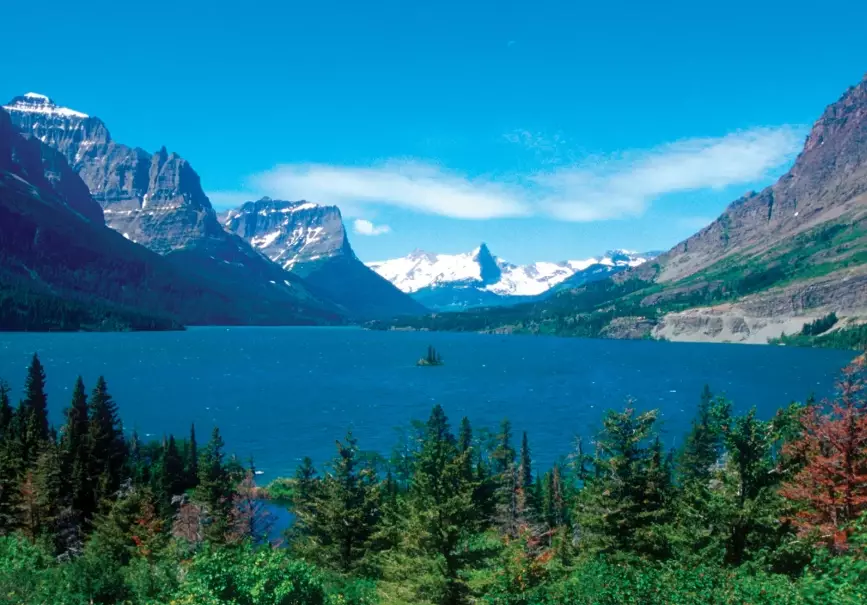
Heads Up: You can't just drive into most of Glacier National Park during peak season anymore. You need a separate vehicle reservation ticket for certain areas, on top of your park entrance pass. This isn't a suggestion; it's a requirement.
It's a pain, I won't sugarcoat it. The reservations for the popular "Going-to-the-Sun Road Corridor" and "North Fork" areas release months in advance and sell out in minutes. They also release a limited batch at 8 PM MDT the day before your visit. I've had more stress trying to snag one of these than buying concert tickets. But, and it's a big but, it has actually made the experience inside the park better. Less traffic, quieter trails. The official National Park Service page on vehicle reservations is your bible for this. Bookmark it.
So, is there a quieter time? Early June can be magical as things thaw, but the high trails are still snow-covered. September after Labor Day is my personal favorite—fewer people, cooler temps, and a chance of golden larch trees turning color.
Getting There & Choosing Your Basecamp
Glacier is in Montana's northwest corner. The nearest major airport is in Kalispell (FCA), about 30 minutes from the park's west entrance. It's a small airport, so flights can be pricey. Sometimes flying into Spokane, WA or even Calgary, Canada and driving a few hours can save money (and give you a gorgeous drive).
Where you stay defines your trip. The park is split by the Continental Divide, creating two distinct sides: the more developed, forested west and the wilder, wind-swept east.
Pro Tip: Don't try to stay in one place for your whole trip if you have 4+ days. Split your time between the west and east sides to cut down on insane daily driving. Trust me on this.
West Side: Gateway Towns & Classic Vibes
This is where most people start. The towns of Whitefish and Columbia Falls have all the amenities—hotels, grocery stores, gear shops, and restaurants. They're fun, lively, and a great base. Inside the park itself on the west side, you have the historic Lake McDonald Lodge—a classic Swiss-style chalet right on the lake's shore. The rooms are basic (think national park rustic), but you can't beat the location for early morning starts.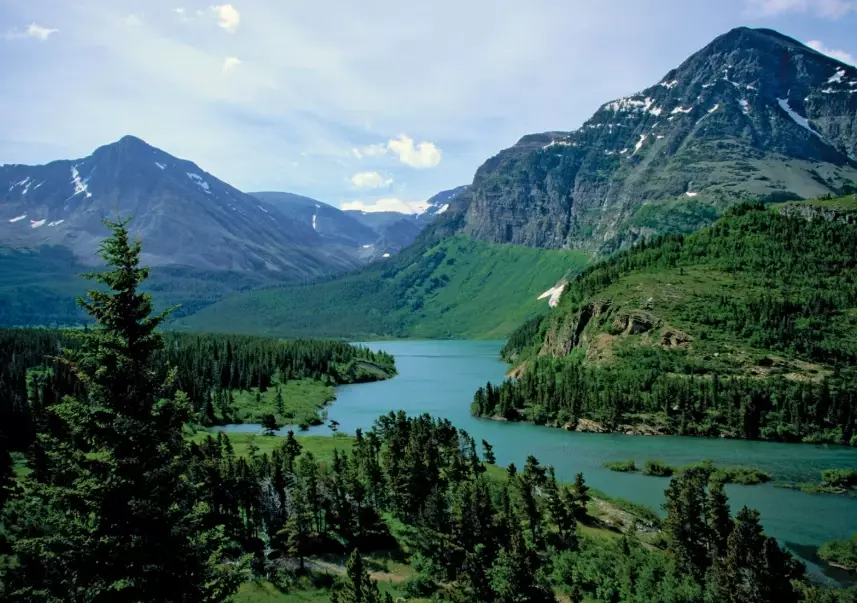
East Side: Big Skies & Raw Beauty
This side feels more remote. The tiny town of St. Mary is your hub here. The scenery is more dramatic right out of the gate, with views of the stark Lewis Range. The Many Glacier Hotel is the crown jewel here, a massive historic hotel sitting on Swiftcurrent Lake. It books up over a year in advance, no joke. If you can't get a room, try for a cabin at Swiftcurrent Motor Inn. The east side is the gateway to some of the park's best and most famous hikes.
Here’s a quick comparison to help you decide:
| Location | Vibe & Scenery | Best For... | Drawback |
|---|---|---|---|
| West Side (Whitefish/Columbia Falls) | Lush forests, Lake McDonald, gateway towns with amenities. | First-time visitors, families, those wanting dining/ shopping options. | Can feel crowded & touristy; longer drive to east-side trails. |
| West Side (Inside Park - Apgar/Lake McDonald) | Classic park atmosphere, on the water, immersive. | Waking up in the park, sunset views on Lake McDonald. | Limited services, books up extremely fast. |
| East Side (St. Mary/Many Glacier) | Dramatic, alpine scenery, feels more remote and wild. | Serious hikers, photographers, solitude-seekers. | Very limited services, longer drives for groceries/supplies. |
The Main Event: Driving the Going-to-the-Sun Road
This is the iconic 50-mile engineering marvel that crosses the park. It's not just a way to get from A to B; it's the centerpiece of any visit to Glacier National Park.
You'll drive from dense cedar forests, past weeping cliffs, up to the alpine tundra at Logan Pass (the highest point on the road at 6,646 feet), and back down the other side. The views are ridiculous. The road is narrow, with stone guardrails and sheer drop-offs. If you're afraid of heights, let someone else drive.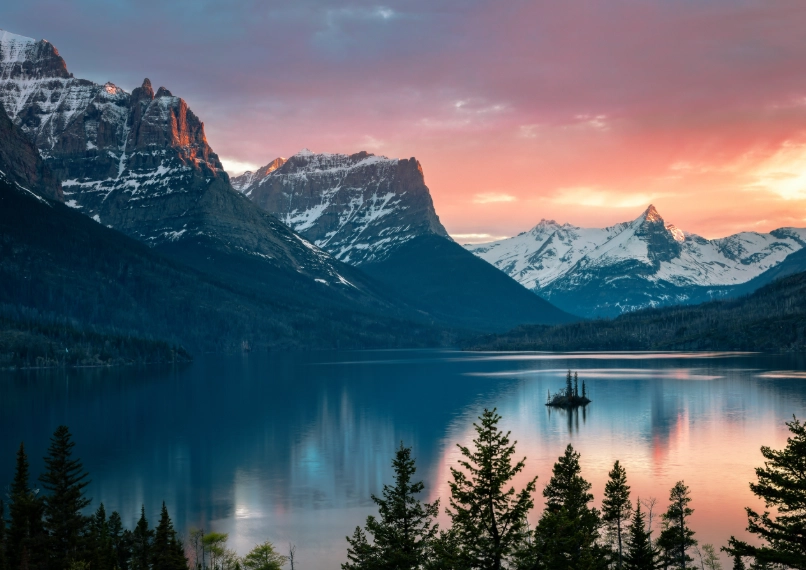
My best advice? Do it twice.
Drive it one way, stopping at every pullout that catches your eye. Then drive it back the other way on a different day. The light changes, the perspectives flip, and you'll see things you missed. Key stops you absolutely cannot skip include:
- Lake McDonald: The view from the lake's foot near Apgar is postcard-perfect. The water is often crystal clear and reflects the mountains.
- The Loop: A major hairpin turn offering one of the first big views of the Heavens Peak area.
- Logan Pass: The rooftop of the park. The parking lot is a zoo by 9 AM. Get here at sunrise or be prepared to circle. This is the trailhead for two legendary hikes (more on those next).
- Big Bend:
Wait, let me rephrase that. The parking lot at Logan Pass is a nightmare. I'm talking cars parked illegally for a mile down the road, people getting into arguments, rangers directing traffic. It's the one part of the Glacier National Park experience that genuinely sucks. Your best bet is to be in the lot by 7:30 AM, or come later in the afternoon when the early birds are leaving.
- Big Bend: A wide pullout with a stunning, head-on view of the Garden Wall.
- Jackson Glacier Overlook: Your best chance to see a glacier right from the road. It's a sad reminder of how much they've retreated, but it's powerful.
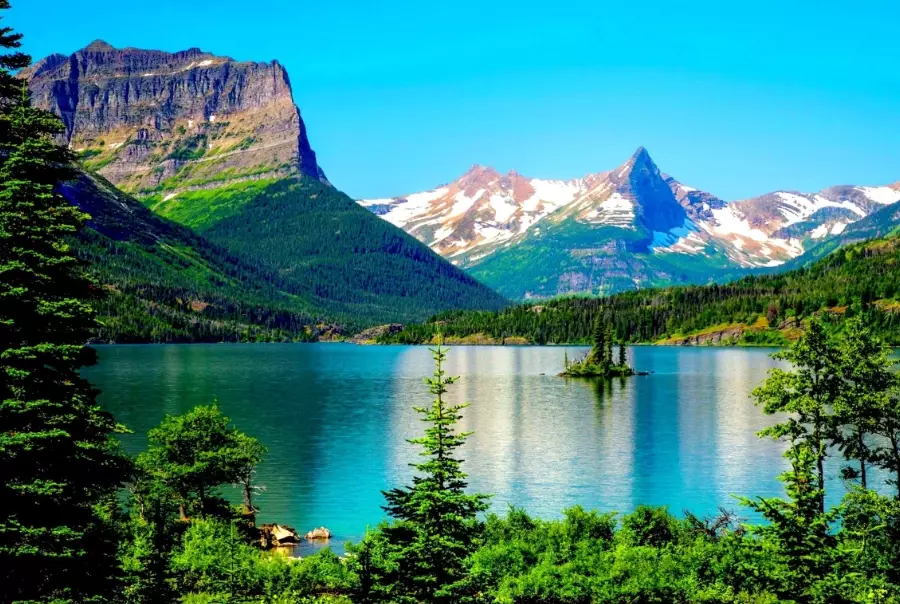
- St. Mary Lake & Wild Goose Island: The classic view you've seen in every photo. It's especially breathtaking at sunrise.
Hiking in Glacier: From Leisurely Walks to Leg Burners
This is why you come. To get your boots on the ground. The trail network in Glacier National Park is vast, but a few stand head and shoulders above the rest. Remember the golden rule: hike early. Not just to beat the crowds, but to avoid afternoon thunderstorms which are common in the mountains.
Top Tier Must-Do Hikes
If you only have time for a couple of big hikes, make it these. They are famous for a reason.
The Highline Trail (Logan Pass to Granite Park Chalet, ~11.8 miles one-way, moderate). Starting right from Logan Pass, this trail is pure magic. It contours along the Garden Wall, often with a sheer drop-off on one side and a cliff face on the other. You're in mountain goat and bighorn sheep territory the whole way. The views are non-stop, expansive, and utterly humbling. You can do an out-and-back for as long as you like, or arrange a shuttle to do the full point-to-point. The first half-mile along the ledge might get your heart racing, but it's wide and safe.
Grinnell Glacier (Many Glacier area, ~10.6 miles roundtrip, strenuous). This hike feels like a journey. You pass a series of stunning turquoise lakes (Josephine and Grinnell) before climbing up to the foot of the glacier itself. You can see the meltwater forming the lakes below. It's a steady climb, but the payoff is immense—touching ancient ice in a dramatic cirque. Keep an eye out for moose in the lower valleys.
My Take: I slightly prefer Grinnell Glacier over the Highline. It feels more like an accomplishment, a true destination hike. The Highline is about the continuous, mind-blowing scenery. You really can't go wrong with either.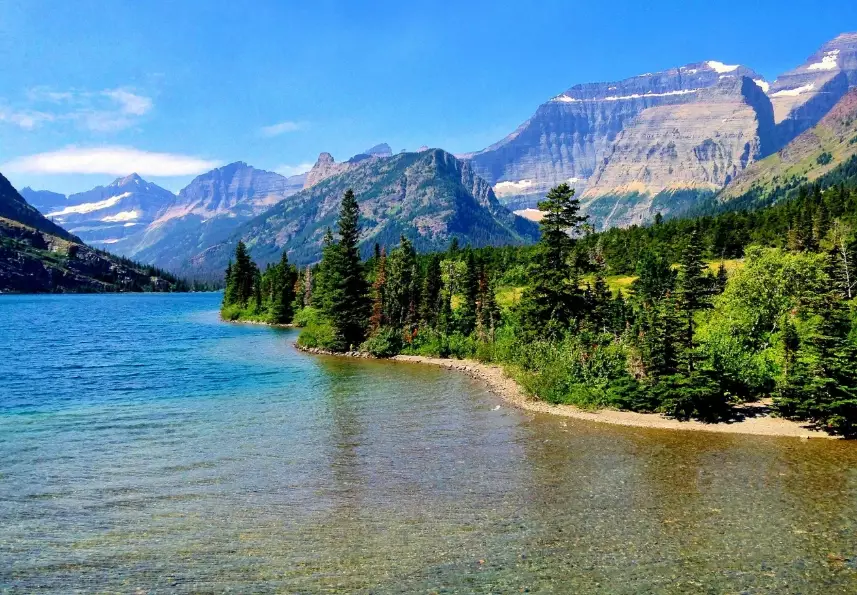
Fantastic Shorter & Family-Friendly Options
Not everyone wants an 11-mile epic. Glacier has plenty of incredible shorter trails.
- Avalanche Lake (4.6 miles roundtrip, moderate): A popular but beautiful hike through a deep, vibrant cedar forest to a lake fed by cascading waterfalls. The trailhead is on the west side of Going-to-the-Sun Road. Gets very busy.
- Hidden Lake Overlook (2.7 miles roundtrip, moderate): Starts at Logan Pass. A boardwalk trail across alpine meadows (often full of wildflowers and goats) to a viewpoint overlooking Hidden Lake and Bearhat Mountain. The full trail down to the lake adds significant distance and elevation loss (which you have to climb back up).
- St. Mary Falls & Virginia Falls (3.6 miles roundtrip, easy/moderate): A straightforward hike to two beautiful, powerful waterfalls. Great for a leg-stretcher or on a hot day.
The Wildlife Question: Bears, Goats, and Safety
Let's talk about the elephant in the room. Or rather, the bear. Glacier is home to both black bears and grizzly bears. The possibility of an encounter is real, but it shouldn't paralyze you with fear. It should make you smart and prepared.
"Being bear aware isn't about being scared; it's about being respectful and giving them space. They live here. We're just visiting."
First, always carry bear spray. Not in your pack, but on your hip or chest strap where you can grab it in under 2 seconds. You can rent it in any town near the park. Know how to use it (there's usually a safety clip).
Second, make noise. Especially in dense brush, near running water, or on windy days. Talk, sing, clap. A startled bear is a dangerous bear. Hiking in groups of 3 or more is highly recommended.
Third, know what to do. If you see a bear at a distance, enjoy the moment quietly, then back away slowly. Never run. If it's a close encounter, stand your ground, use your bear spray if it charges. The NPS Bear Safety page is essential reading.
Beyond bears, you'll likely see mountain goats (especially around Logan Pass), bighorn sheep, marmots, and maybe a moose. Use a zoom lens, not your feet, to get closer.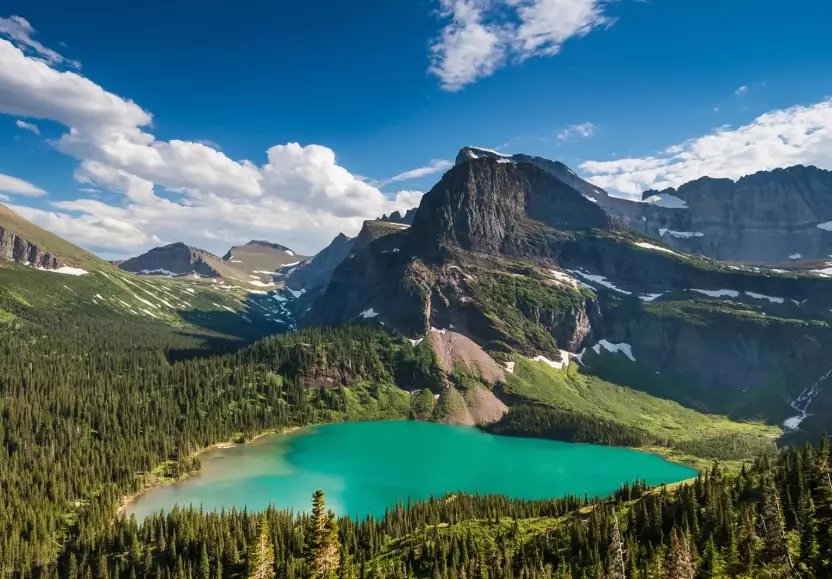
What to Pack: The Non-Negotiables
Montana weather is famously unpredictable. You can have sun, rain, hail, and a temperature drop of 30 degrees all in one afternoon hike. Packing right is critical.
Here’s my absolute must-pack list for a summer trip to Glacier National Park:
- Layered Clothing: A moisture-wicking base layer, an insulating mid-layer (fleece/puffy), and a waterproof/windproof outer shell. No cotton.
- Sturdy Hiking Boots/Shoes: Broken in. Blisters can ruin a trip.
- Daypack: Big enough for your layers, food, water, and the ten essentials.
- Bear Spray: I'm saying it again because it's that important.
- Water & Purification: At least 2 liters per person. A filter or purification tablets are great for refilling from streams.
- High-Energy Snacks: More than you think you'll need.
- Sun Protection: High-altitude sun is fierce. Hat, sunglasses, SPF 30+.
- Map & Compass/GPS: Cell service is non-existent on most trails.
- Headlamp: Just in case.
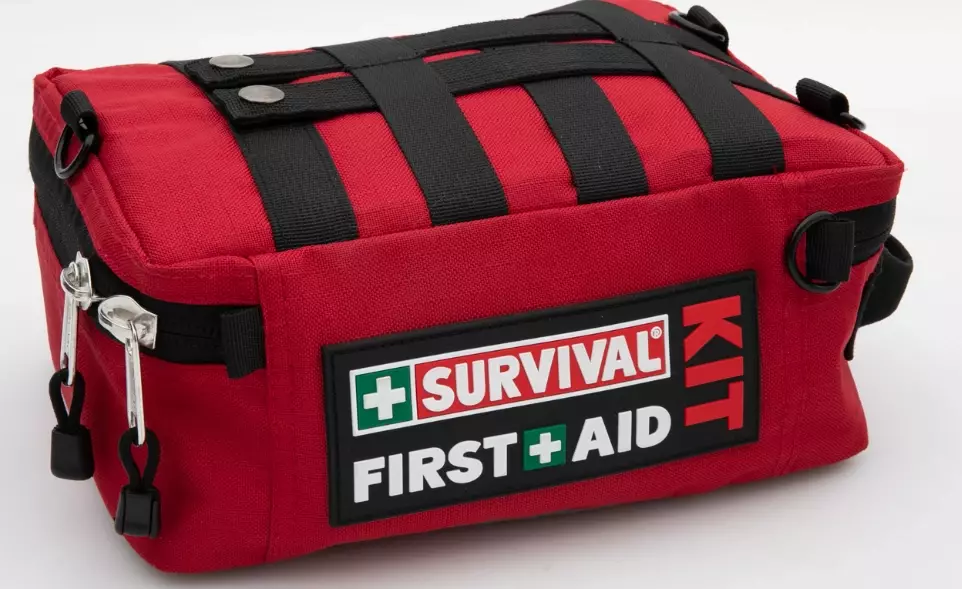
- First-Aid Kit: Include blister treatment.
Answers to the Questions You're Actually Asking
Final Thoughts Before You Go
Glacier National Park will challenge you a little. It'll ask you to wake up early, to plan ahead, to respect its rules and its wildlife. In return, it gives you a sense of scale and wonder that's hard to find anywhere else. It's a place that feels alive and ancient at the same time.
The crowds can be frustrating, the reservation system is a hassle, and the parking is maddening. I'm not going to pretend it's a wilderness solitude experience everywhere you go. But the moment you get a few hundred yards down a trail, or you catch that first morning light hitting a peak across the lake, all that stuff fades away.
Just go.
Be prepared, be flexible, and let the place do its thing. You'll come back with more than just photos. You'll come back with stories. And probably a strong desire to plan your next trip back before you've even left.