You've probably used the words interchangeably. I did too, for years. Then I found myself on day three of a muddy trail in Nepal, everything I owned on my back, staring at a pass that looked vertical, and I thought: This is not a hike. The difference between trekking and hiking isn't just pedantic; it's the gap between a satisfying day out and a life-changing expedition. It changes what you pack, how you train, and what you risk.
Let's cut through the confusion. Hiking is a day-long (or shorter) walk on trails, usually returning to a base. Trekking is a multi-day, self-sufficient journey through often remote terrain where you carry your shelter and survival. One is an activity; the other is a journey.
What's Inside?
The Core Differences: A Side-by-Side Look
This table isn't about ranking, it's about defining. Spot where your last adventure landed.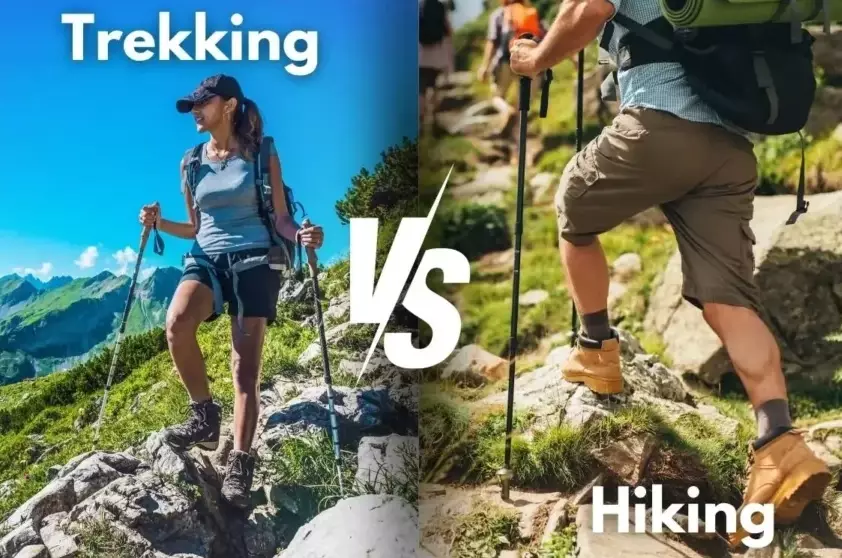
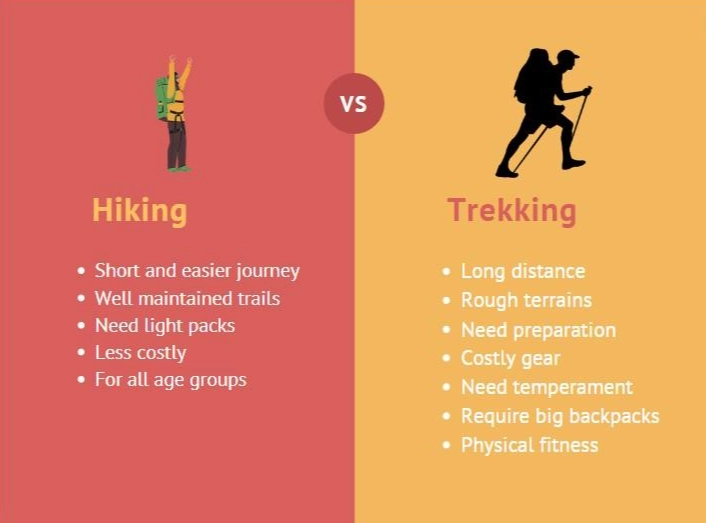
| Aspect | Hiking | Trekking |
|---|---|---|
| Primary Goal | Recreation, scenery, exercise. A return trip. | Journey, exploration, crossing a region. A point-to-point or loop journey. |
| Duration | Hours to a full day. You're home for dinner. | Multiple days to weeks. Your trail is your home. |
| Terrain & Trail | Well-defined, often marked trails. Can be steep, but generally accessible. | Can include unmarked sections, high passes, variable conditions (snow, river crossings). Remoteness is key. |
| Logistics | Simple. Pack a bag, drive, walk, return. | Complex. Requires route planning, permits, food resupply, accommodation/camping strategy. |
| Self-Sufficiency | Low. You carry day supplies. Help is relatively nearby. | High. You carry shelter, sleeping system, cooking gear, and multiple days of food. |
| Fitness Demand | Moderate to high, but recovery happens off-trail. | Sustained high. Requires endurance and the ability to perform repeatedly with a heavy pack. |
The blurry line? Overnight backpacking. I call it "trekking light." It's the essential bridge activity. You carry shelter and food, but maybe just for one night. It's the best training ground.
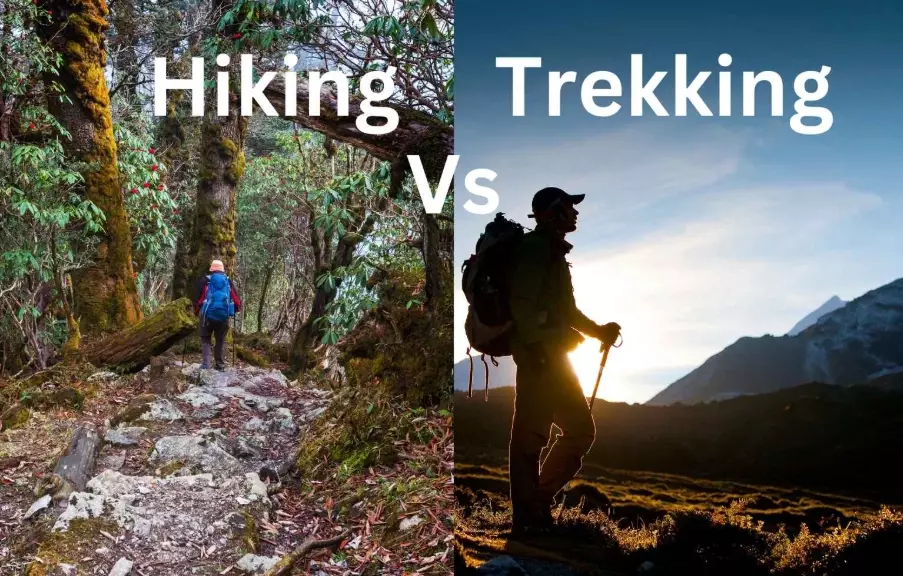
The Great Gear Divide
For hiking, gear is about comfort and safety. For trekking, gear is about survival and sanity. The weight of every item gets a mental cost-benefit analysis.
Hiking Gear: The Essentials
Your daypack checklist is straightforward: water (or a filter like a Sawyer Squeeze), snacks, a first-aid kit, a map/phone, a rain layer, and a headlamp just in case. Footwear can range from trail runners to boots, based on preference. The biggest error here is cotton clothing—it retains moisture and loses insulation. Stick to synthetics or wool.
Trekking Gear: The System
This is where you build a mobile home. It revolves around the "Big Three":
- Backpack (50-70 Liters): Not just a bigger bag. It needs a robust hip belt to transfer weight, a frame (internal or external), and accessible pockets. Try it on loaded.
- Shelter: A tent, tarp, or hammock. Weight matters, but so does weather protection and condensation management. A cheap tent in a storm is a miserable experience.
- Sleep System: A sleeping bag rated for the coldest expected temperature and an insulated sleeping pad (R-value matters for ground cold). This is non-negotiable for recovery.
Then layer on the rest: a stove (canister or multi-fuel), a water purification system (not just tablets), a detailed repair kit, and carefully planned food. Forget the bulky cans; think dehydrated meals, nuts, and calorie-dense bars.
My personal rule? Any trekking gear purchase should solve at least two problems. A puffy jacket provides warmth and can be a pillow. A trekking pole aids stability and can be part of a tent setup.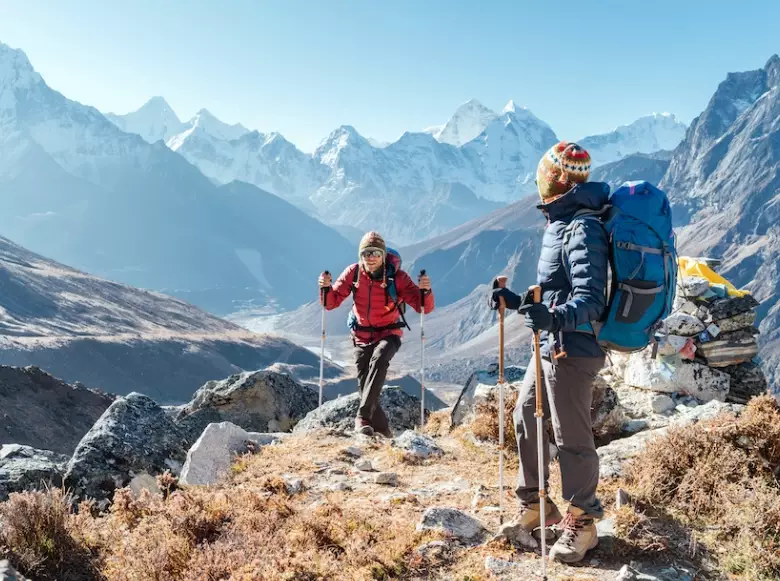
Planning & Mindset: From Outing to Expedition
Planning a hike is checking the weather and trailhead parking. Planning a trek is a project.
For a trek, you need a logistical map that goes beyond the trail. Mark water sources (and confirm they're seasonal). Identify possible camping spots (following Leave No Trace principles). Know your bail-out points. Research permit requirements—places like Everest Base Camp or the West Coast Trail require them months in advance.
Food resupply is a puzzle. Will you mail boxes ahead? Buy in towns? Carry it all? I once miscalculated and had to stretch two days of oatmeal over three. Not fun.
The mindset shift is profound. Hiking is escapism. Trekking is immersion. On a trek, you settle into the rhythm of the trail—the morning pack-up, the midday climb, the evening camp routine. There's a mental fortitude needed to handle discomfort, weather changes, and the simple fact that you can't just quit and go home. You have to walk out.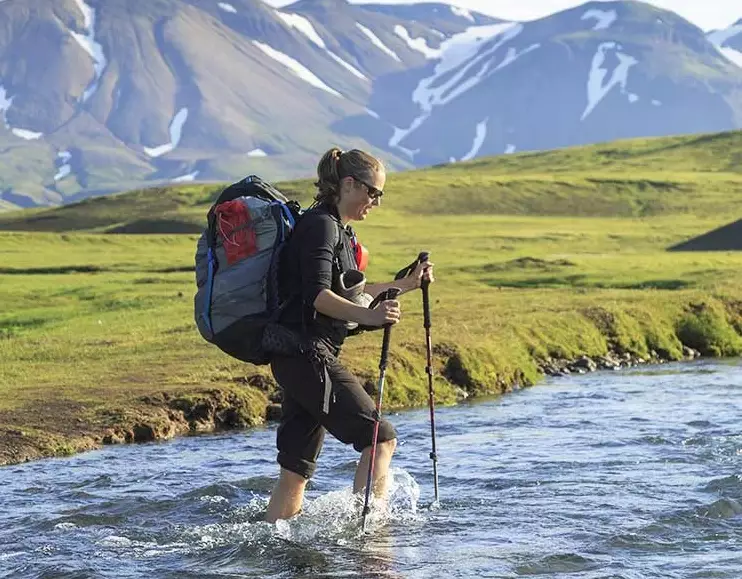
How to Choose: Which One is For You?
Don't pick based on what sounds cooler. Pick based on your reality.
Start with hiking if: You're new to the outdoors, building fitness, or have limited time. You want low commitment and high reward. Perfect your day system, learn to read a trail map, and build your leg strength.
Move towards trekking when: Day hikes feel like a warm-up. You're curious about spending nights out. You're willing to invest in gear and planning time. You feel drawn to the idea of a journey, not just a destination.
A practical test: Can you comfortably carry a 25-pound pack on a full-day hike? If not, focus on day hikes and gym work. That loaded pack feeling is non-negotiable.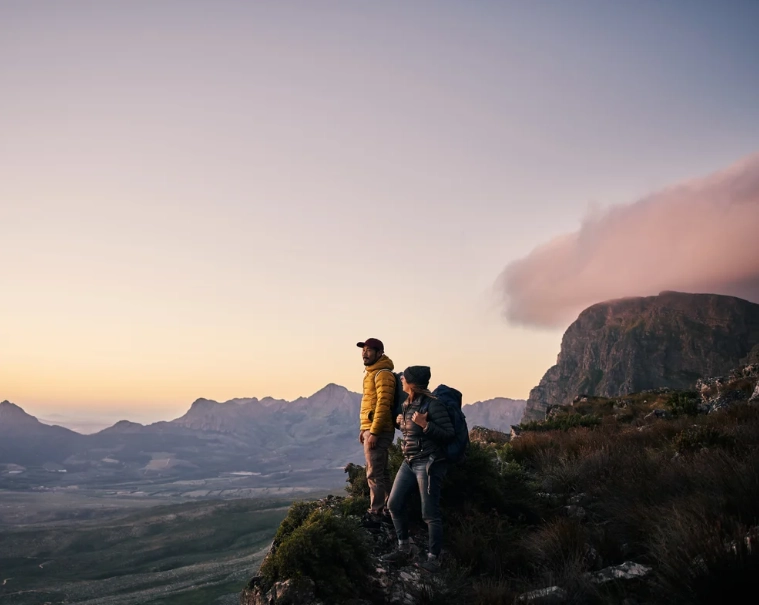
Putting It All Together: Real Trail Examples
Let's make this concrete.
The Hike: Half Dome, Yosemite National Park. It's a beast—14-16 miles, huge elevation gain, famous cables. It's a hard hike. But it's a day. You carry water, food, gloves. You start early, summit, and hike back down to a shower and bed. The planning is about permits (the cables require a lottery) and fitness.
The Trek: Everest Base Camp, Nepal. This is a classic trek. It's about 12 days point-to-point. You carry daily essentials, but a porter might carry your main pack (though I recommend carrying your own). You sleep in teahouses, so no tent needed. The challenge is altitude, sustained daily walking (4-8 hours), and the remote Himalayan environment. The planning involves flights to Lukla, guide services, acclimatization schedules, and gear for sub-freezing temperatures.
See the scale? One is a monumental day. The other is a life-list journey.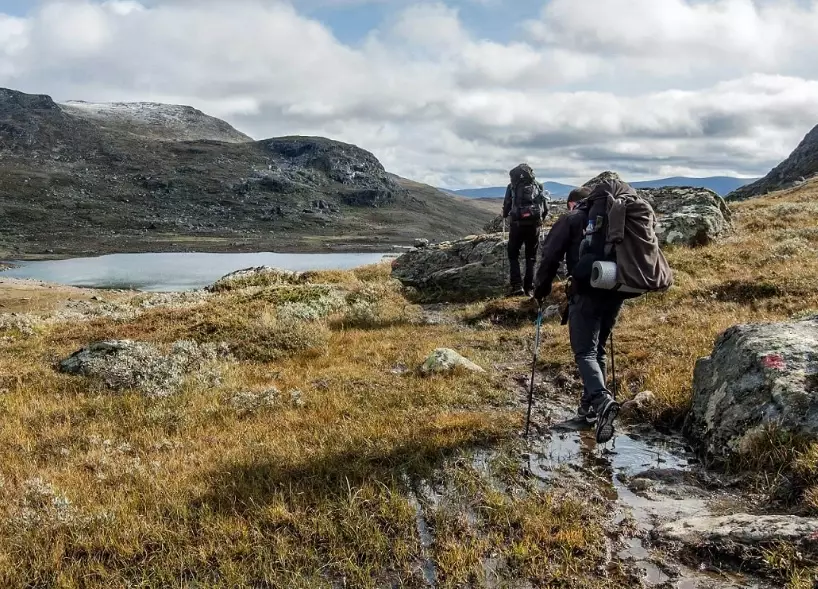
Your Trekking vs. Hiking Questions Answered
Can I go trekking as a complete beginner?
What is the single most important piece of gear that differentiates trekking from hiking?
How do I know if a trail is a hike or a trek?
Is trekking more dangerous than hiking?
So, what's your next move? If you're eyeing a trek, start with an overnight backpacking trip next weekend. Test your gear. See how you sleep. Feel the weight. If you're sticking to hikes, pick one with a bigger view, a steeper climb. Push your personal boundary.
Both paths lead to the same place: a deeper connection with the wild. One just takes a few more steps to get there.