Let's be honest. You search for Zion hikes, and you're bombarded with Angels Landing and The Narrows. Permit lotteries, terrifying chains, wading through rivers—it's enough to make you wonder if you can even enjoy this park. I've been guiding hikes in Southern Utah for over a decade, and I'm here to tell you about the trail most visitors completely overlook, the one that delivers the quintessential Zion experience without the stress: the Watchman Trail.
Starting right from the Zion Canyon Visitor Center, this 3.3-mile round trip is your perfect introduction. It's the hike I recommend to every first-timer, every family with antsy kids, every photographer chasing the golden hour, and anyone who just wants to breathe in the majesty of the canyon without elbowing through a crowd. It doesn't require a shuttle during peak season, doesn't demand a permit, and yet gives you a front-row seat to the park's iconic scenery.
Your Quick Trail Guide
Why Choose the Watchman Trail Over Others?
Most people treat the Watchman as a warm-up or a filler hike. That's their first mistake. They rush through it to get to the "big ones," missing its subtle genius.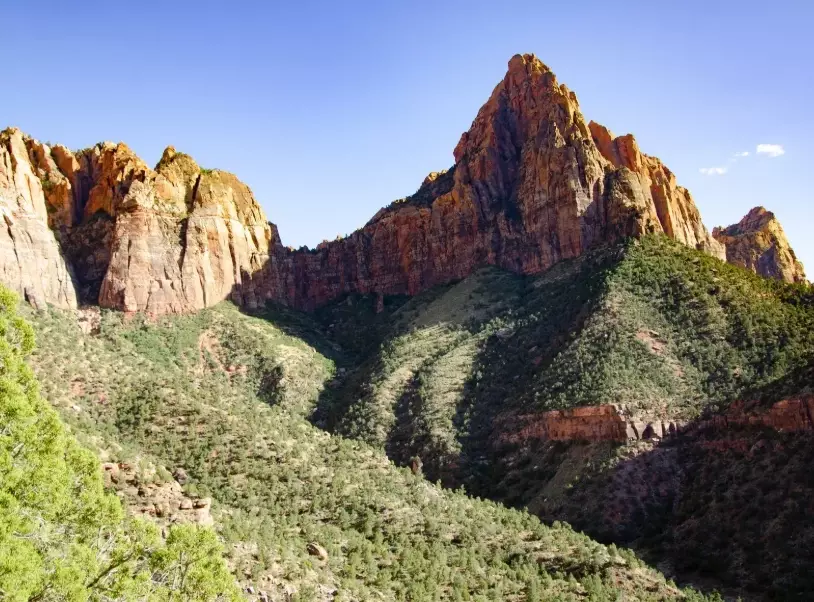
Here’s the thing: this trail is a masterclass in Zion geography. From the summit, you don't just see one famous rock formation—you see the entire southern amphitheater. The Watchman Spire dominates, but your view also includes the West Temple, the Altar of Sacrifice, and the winding Virgin River cutting through Springdale. You get context. You understand how the park fits together.
And then there's the logistics. From March to November, Zion operates a mandatory shuttle system for the main canyon. Lines at the Visitor Center can snake for an hour. But the Watchman Trailhead? It's a 2-minute walk from the main parking lot. No shuttle ticket, no wait. On a busy summer afternoon when Angels Landing is a conga line, you can have this panoramic view nearly to yourself if you time it right.
A Quick Comparison
Watchman Trail vs. Other Popular Zion Hikes:
- Angels Landing: Requires permit lottery, extreme exposure, very crowded. Watchman: No permit, moderate exposure, less traffic.
- The Narrows: Requires gear rental (water, weather-dependent), can be cold. Watchman: Standard hiking gear, accessible year-round.
- Emerald Pools: Often crowded, less dramatic summit payoff. Watchman: Better payoff view for similar effort.
It's the strategic choice for a guaranteed great experience.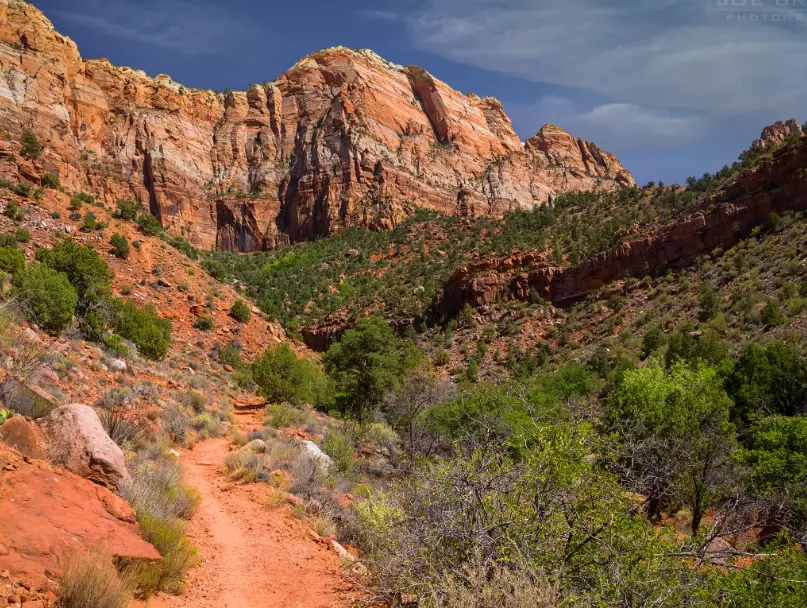
Everything You Need to Know Before You Go
Let's get down to brass tacks. This isn't just trail stats; it's the nitty-gritty that makes or breaks your day.
| Detail | Information |
|---|---|
| Trailhead Location | Zion Canyon Visitor Center, Springdale, UT 84767. Look for the signs near the shuttle stop #1. |
| Park Entrance Fee | $35 per private vehicle (valid 7 days). Consider the $80 America the Beautiful Annual Pass if visiting multiple parks. |
| Distance (Round Trip) | 3.3 miles / 5.3 km |
| Elevation Gain | Approximately 368 feet / 112 m |
| Estimated Hike Time | 1.5 to 2.5 hours at a leisurely pace with photos. |
| Trail Type | Out & back. Well-maintained dirt and rock path. |
| Parking | Main Visitor Center lot fills by 9 AM. Overflow lots in Springdale (free shuttle into park). |
| Best Time to Start | Sunrise (for light & solitude) or Late Afternoon (3 PM in summer, earlier in winter). |
Getting There & The Shuttle Situation
Drive to the Zion National Park Visitor Center. If the main lot is full—which it often is by mid-morning—don't panic. Park in Springdale. The town runs an excellent free shuttle that stops at multiple locations and drops you right at the park entrance. It's often faster than circling the packed park lot.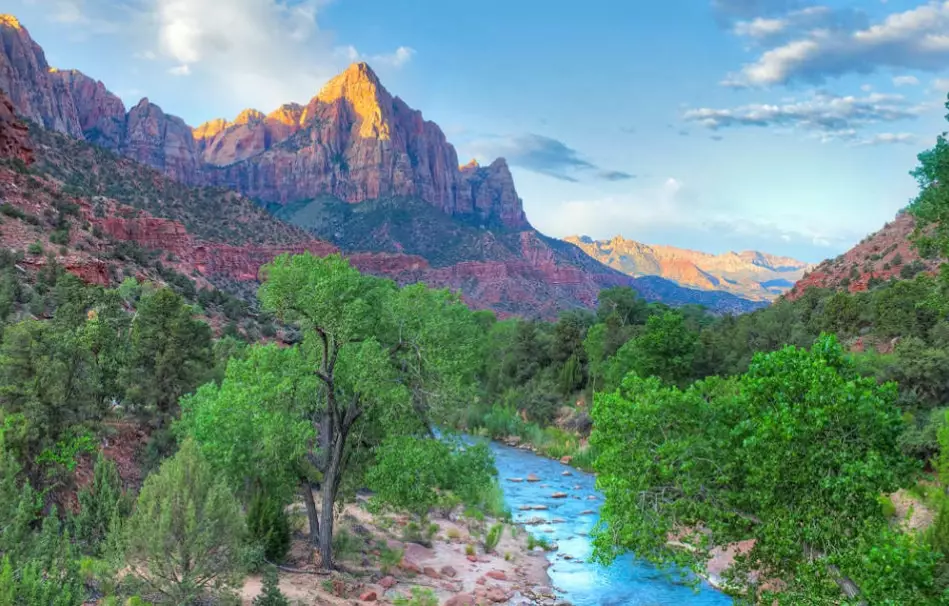
Remember: The Watchman Trail does NOT require the Zion Canyon Shuttle (the green buses that go up the scenic drive). This is its killer feature. You walk from your car at the Visitor Center directly onto the trail.
The Non-Negotiable Gear List
I've seen people attempt this in flip-flops. Please don't.
- Footwear: Sturdy hiking shoes or trail runners. The path is rocky and can be sandy.
- Water: At least 1 liter per person, 2 liters in summer. There is no water on the trail.
- Sun Protection: A wide-brimmed hat, sunglasses, and mineral-based sunscreen (the rock reflects UV). This is the most important item after water.
- Navigation: The trail is obvious, but having the official National Park Service map or the Gaia GPS app is smart.
One pro tip most blogs miss: bring a lightweight sitting pad. The rock at the summit is hard and can be cold in the morning or hot in the afternoon. A small pad lets you stay longer, soak in the view, and have a proper snack.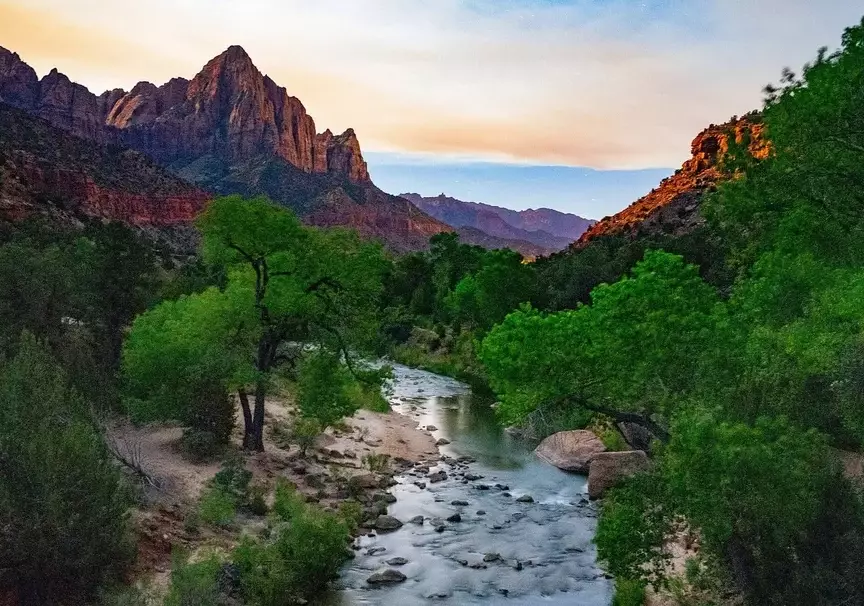
The Hike Itself: A Step-by-Step Experience
Let's walk it together. The trail starts across the road from the Visitor Center, near the shuttle departure area. You'll cross the Virgin River on a sturdy bridge—listen to the water, it's part of the soundtrack here.
The First Ascent: Into the Junipers
The initial climb is the steepest part, a series of well-graded switchbacks that get your heart going. You're immediately rewarded. Within 10 minutes, you get your first look back at the Visitor Center complex, the lawns, and the town of Springdale framed by cliffs. It's a perspective shift already.
The vegetation here is classic high desert: juniper, pinyon pine, and Mormon tea. Watch for rock squirrels and whiptail lizards darting across the path.
The Contour & The Canyon Vista
After the switchbacks, the trail levels out and contours along the side of the hill. This is where people relax. The walking is easy. To your right, the canyon opens up wider and wider. You'll see the road, the river, and the sheer walls of the lower canyon.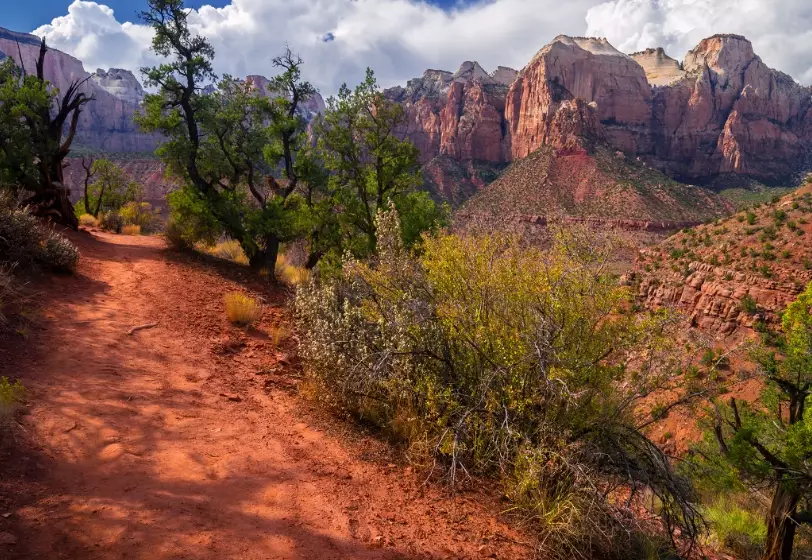
I once guided a photographer here who was disappointed it wasn't "steeper." Then we rounded a corner, and the full view of the Towers of the Virgin hit him. He didn't speak for five minutes, just set up his tripod. That's the moment this trail delivers.
The Final Push to the Viewpoint
The last section climbs gently to a broad, rocky plateau. This is the end. There's no sign, just a natural amphitheater of stone.
Here's my expert caution: The viewpoint has unfenced drop-offs. The rocks can be slippery if sandy. Sit down, move carefully, and keep a close eye on kids and pets (dogs are not allowed on this trail, by the way).
Now, look. Directly north is the Watchman Spire, glowing in the sun. To the west is the town. Follow the river south as it disappears into the canyon. This is your payoff.
Photography & Chasing the Perfect Light
If you want a postcard shot, timing is everything. Midday light flattens the red rock. The magic happens at the edges of the day.
Sunrise: This is the premier time. You'll hike in cool, blue twilight and watch the sun hit the peaks of the Watchman and West Temple first. The valley below will be in shadow, creating incredible depth. You'll likely have the summit to yourself. Set your white balance to "Daylight" or "Cloudy" to enhance the warm tones.
Late Afternoon/Sunset: The entire canyon faces west, making it a sunset paradise. The low sun casts long, dramatic shadows, highlighting every ridge and crevice. The red rock seems to ignite from within. After the sun dips below the horizon, stay for the alpenglow—the pinkish-red afterglow on the cliffs. It lasts about 15 minutes and is utterly magical.
A specific spot most miss: about 2/3 of the way up, there's a lone, gnarled juniper tree perfectly framed by the Watchman peak. It's a iconic compositional element. I've shot it in every season.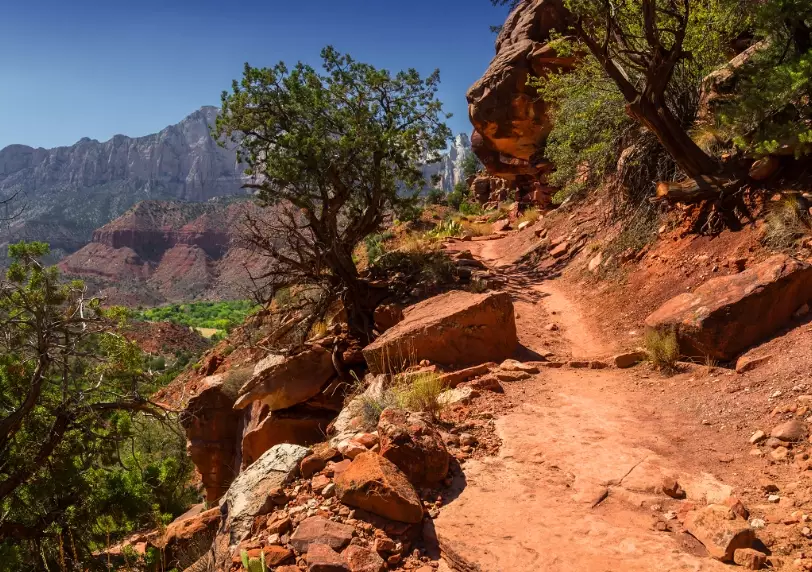
Your Watchman Trail Questions Answered
So, next time you're planning Zion and feeling overwhelmed by the famous names, remember the Watchman Trail. It's the accessible, reliable, and stunningly beautiful workhorse of the park. It's the hike that feels like a secret, even when it's right under everyone's nose. Lace up your shoes, fill your bottle, and go meet the Watchman. You won't regret it.