Your Quick Navigation
- Why Bother with a Summer in National Parks Anyway?
- Picking Your Park: It's Not Just About the Pretty Pictures
- The Master Plan: Your Blueprint for Success
- What to Actually Bring: The Non-Negotiable Packing List
- Once You're There: Maximizing the Magic
- Leaving It Better: The Sustainable Summer in National Parks
- Wrapping It Up: Your Mindset for the Adventure
Let's be real, summer in national parks is amazing, but it can be a bit of a zoo. I remember my first summer trip to Yellowstone. I pictured serene meadows and quiet geyser basins. What I got was a traffic jam of RVs and a struggle to find a parking spot at Old Faithful. It was still incredible, don't get me wrong, but I learned some hard lessons that day.
That's why I'm writing this. I want your summer in national parks to be all the good stuff—the jaw-dropping views, the crisp mountain air, the sense of adventure—without the headaches. This isn't a fluffy list of park names. It's a real, practical, from-the-trenches guide to making it happen.
We're going to talk about how to actually enjoy these places when everyone else has the same idea.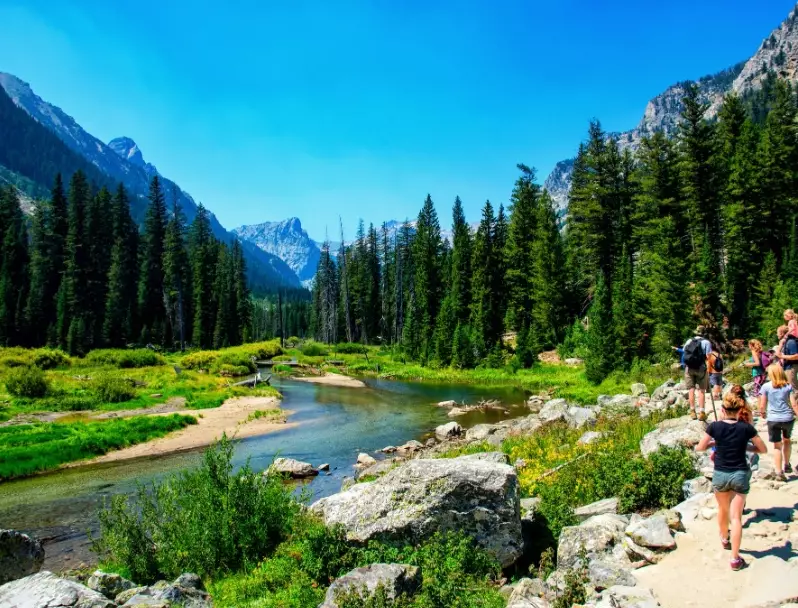
Key Takeaway: A fantastic summer in national parks is 10% inspiration and 90% smart planning. The season brings perfect weather, full access, and long days, but also maximum visitors. Your success hinges on how you navigate that reality.
Why Bother with a Summer in National Parks Anyway?
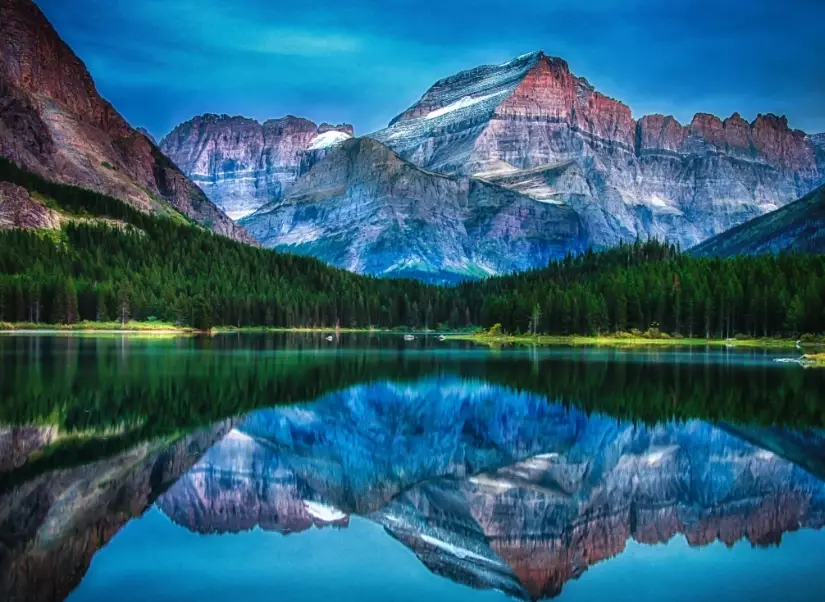
Okay, so it's crowded. Why go? Simple. Summer unlocks the parks. Think about it. High mountain passes in places like Glacier National Park or Rocky Mountain National Park are finally free of snow. All the roads are open (usually). Every trail, every campground, every visitor center is operating. The weather is (generally) predictable and warm, perfect for hiking, swimming, and stargazing. The days are gloriously long, giving you more time to explore.
It's also the most accessible time for families. Kids are out of school. Schedules align. Creating those memories of a summer in national parks with your family is a classic American experience for a reason. It just works.
But here's the flip side, the part nobody likes to talk about as much. The popularity is a double-edged sword. You'll compete for everything—lodging, campsites, parking, even a moment of solitude at a famous overlook. Some parks, like Arches, now have timed entry permits you must book months in advance. It's a whole new ball game.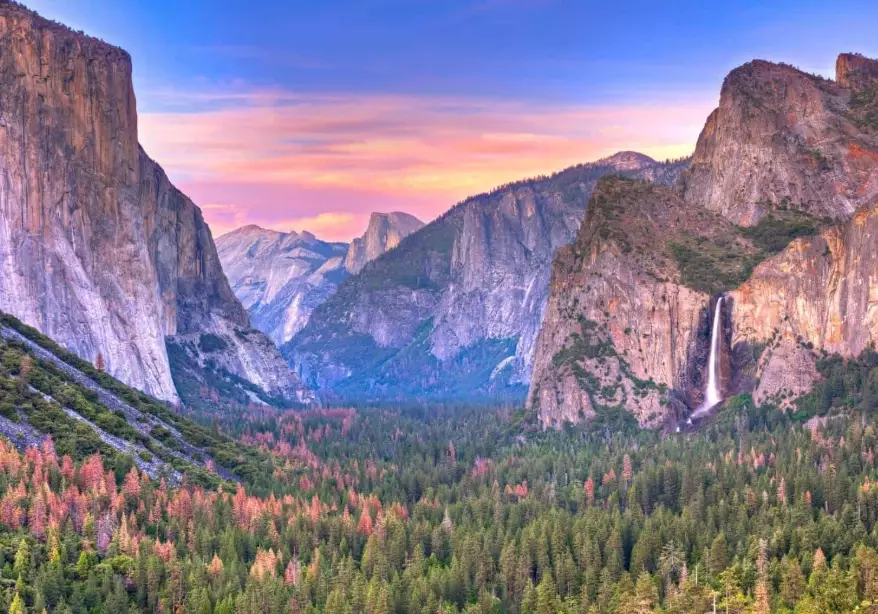
Picking Your Park: It's Not Just About the Pretty Pictures
This is where most people start and, honestly, where they can go wrong. Picking a park for your summer trip isn't just about choosing the most iconic one. You have to match the park to your tolerance for heat and crowds.
The Crowd-Pleasers (And How to Handle Them)
These are the big names: Yellowstone, Grand Canyon, Yosemite, Zion, Great Smoky Mountains. They're famous for a reason—they're utterly spectacular. A summer in these national parks is iconic, but you need a strategy.
- Yellowstone & Grand Teton: Massive, so crowds can spread out... but not at the major geyser basins or Jenny Lake. My strategy? Be in the park by 7 AM. Have breakfast at a picnic area. You'll see the best spots in relative peace.
- Yosemite Valley: Honestly, it can feel like a theme park in July. If you must see the Valley, stay nearby and use the shuttle system religiously. Better yet, spend time in the High Sierra (Tuolumne Meadows) where the crowds thin dramatically.
- Zion: The shuttle is not a suggestion; it's your lifeline. For Angels Landing, you need a permit lottery. The Narrows is cooler but can be packed. Consider neighboring Bryce Canyon or Cedar Breaks for a different, slightly less hectic vibe.
The Underrated Gems for a Summer Escape
Want to feel like you've discovered a secret? Consider these.
North Cascades National Park (Washington): Called the "American Alps." It's rugged, requires more hiking to see the best stuff, and therefore filters out many casual visitors. You get alpine glory without the Yosemite-level frenzy.
Great Basin National Park (Nevada): Far from any major city. Highlights include the stunning Lehman Caves (reserve a tour!) and a scenic drive to Wheeler Peak. The night skies are some of the darkest in the country. Crowds? What crowds?
Congaree National Park (South Carolina): A flooded forest. Summer is hot and humid, yes, but that's the ecosystem. The boardwalk hikes are easy and magical. It's a completely different experience from a mountain park.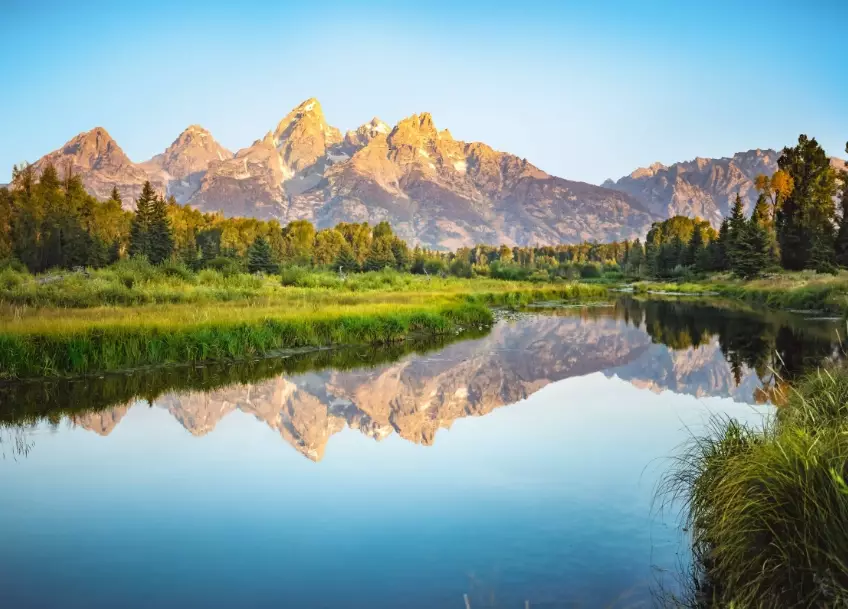
Personal Opinion: I think the desert parks in summer are underrated if you plan right. Yes, Death Valley or Arches are scorching at midday. But summer visitors forget the magic of early mornings and evenings. Seeing the sunrise at Zabriskie Point in Death Valley with only a handful of other people is a spiritual experience. You just have to be done with your major activity by 10 AM.
The Master Plan: Your Blueprint for Success
Winging a summer trip to a popular park is a recipe for disappointment. Here's the step-by-step, no-nonsense planning framework.
Step 1: Lock Down the Big Tickets (Like, Right Now)
Some things sell out the moment they become available, usually 4-6 months in advance.
- Lodging Inside the Park: Whether it's the historic Old Faithful Inn or a simple cabin, in-park lodging is gold. It saves hours of driving and lets you experience the park in the serene early mornings and evenings. Book the *second* your dates open on Recreation.gov or the park concessionaire's site.
- Campsites: Same story. Recreation.gov is your battleground. Know your dates, have backup dates, and be logged in and ready when the clock strikes the release time.
- Timed Entry Permits: Parks like Rocky Mountain, Arches, Glacier, and Yosemite (for certain areas) require these. They are non-negotiable. Check the National Park Service (NPS) website for your specific park to see if you need one.
Step 2: Build a Flexible Daily Rhythm
This is the secret sauce. Don't just have a list of places to see. Have a schedule that works with the park's rhythm.
The Perfect Summer in National Parks Day
- Dawn - 10 AM: Prime time. You're up, you're in the park, you're hiking or seeing the top attraction. The light is beautiful, the temperatures are cool, the wildlife is active, and the crowds are minimal.
- 10 AM - 4 PM: The "beware hours." This is when tour buses roll in, families arrive, and the sun is strongest. This is your time for: scenic drives (in your air-conditioned car), visiting visitor centers and museums, having a long lunch at a picnic area, or returning to your lodging for a siesta (a pro move).
- 4 PM - Dusk: Second prime time. Crowds start to leave. Go for another shorter hike, revisit a favorite spot with softer light, find a dinner spot, and get ready for stargazing.
Adopting this rhythm completely transforms your experience. You're not fighting the crowds; you're working around them.
What to Actually Bring: The Non-Negotiable Packing List
Forgetting something here can ruin your day. This isn't a weekend city break.
| Category | Essential Items | Why It's Critical |
|---|---|---|
| Hydration & Food | Reusable water bottles (at least 2 liters per person per day), water filtration/purification tablets, high-energy snacks (nuts, bars), a cooler. | Summer heat dehydrates you fast. Park water refill stations can be far apart. Snacks keep energy up on trails. A cooler lets you bring your own food, saving money and time. |
| Sun & Bug Defense | High-SPF sunscreen, wide-brimmed hat, UV-protection sunglasses, lightweight long-sleeve shirt, EPA-registered insect repellent (with picaridin or DEET). | Sunburn and bug bites are the two fastest ways to make a trip miserable. A long-sleeve shirt is better than constant sunscreen reapplication. |
| Footwear & Clothing | Broken-in hiking boots/shoes, moisture-wicking socks, layers (fleece, rain jacket), quick-dry pants/shorts. | Blisters ruin hikes. Mountain weather changes in minutes—from sunny to a cold downpour. Cotton kills (it stays wet and cold). |
| Tech & Navigation | Paper map and compass (yes, really), downloaded offline maps on your phone, power bank, headlamp. | Cell service is unreliable. A dead phone with no backup is dangerous. A headlamp is for sunset hikes, bathrooms at night, and emergencies. |
| The Extras | First-aid kit, multitool, binoculars, a physical guidebook, a sit pad (for rocky overlooks). | Small cuts happen. Binoculars bring distant wildlife and landscapes closer. A guidebook works without batteries. Comfort matters. |
See that "paper map" item? I learned its importance the hard way on a trail in Grand Canyon where my phone died and the trail markers were faint. A ranger later told me it happens weekly. Don't be that person.
Once You're There: Maximizing the Magic
You've arrived. You're planned. You're packed. Now, how do you squeeze every drop of joy from your summer in national parks?
Go Beyond the Postcard Shot
Everyone stops at the main overlook. Walk five minutes down the trail. I promise you, the view is often better and you'll leave 95% of the people behind. In the Grand Canyon, instead of fighting for a spot at Mather Point, walk the Rim Trail a half-mile in either direction. Solitude found.
Talk to a Ranger
This is maybe the best free advice you'll get. Stop at the visitor center, ask, "What's your favorite short hike that most people miss?" or "Where's a good spot to see wildlife this time of day?" They live there. They know.
Embrace the Junior Ranger Program (Even Without Kids)
Seriously. Pick up the booklet. It forces you to look at the park in a new way—to identify rocks, think about ecosystems, observe animal behaviors. It's a fantastic framework for engagement. I do it sometimes, and I'm not ashamed to admit it.
Plan for One Unforgettable Experience
One thing that will define the trip. It could be:
- A ranger-led night hike or astronomy program.
- A pre-dawn wake-up to see sunrise from a specific point.
- A longer, more challenging hike to a lake or peak.
- Renting a bike to cruise a park road like Zion Canyon Scenic Drive in the early morning before the shuttles start.
Book it, plan for it, build your day around it.
Leaving It Better: The Sustainable Summer in National Parks
Our parks are loved to death. A little mindfulness goes a long way.
Follow Leave No Trace: This isn't just about trash. It's about staying on trails to prevent erosion, keeping your distance from wildlife (for their safety and yours), and camping only in designated spots. The Leave No Trace Center for Outdoor Ethics has the seven simple principles.
Ditch the Plastic: Use reusable bottles, bags, and containers. Many parks have reduced or eliminated plastic water bottle sales.
Be Fire Smart: Check for fire restrictions. Use established fire rings. Keep fires small. Drown them out COMPLETELY until the coals are cool to the touch. Human-caused wildfires are a devastating reality.
Respect Wildlife: This is their home. Use binoculars or a zoom lens. If you're changing an animal's behavior (it stops eating, looks at you, moves away), you're too close. Feeding animals is illegal and makes them sick and dangerous.
The Crowd Paradox: Ironically, the desire to get that perfect, crowd-free photo is what leads people to trample fragile meadows or get dangerously close to animals. Sometimes the best way to protect the park is to put the camera down and just be there.
Your Summer in National Parks Questions, Answered
Wrapping It Up: Your Mindset for the Adventure
Planning a summer in national parks can feel like preparing for a military campaign. But once you're there, let go. The plan is a framework to remove stress, not a rigid script. Be flexible. If a trail is packed, choose another. If you see a pull-out that looks interesting, stop. Some of my best park memories are unplanned: watching a storm roll across the canyon, helping a ranger with a minor task, sharing trail tips with another hiker.
The goal isn't to conquer the park or collect photos. It's to connect with a place that has been set aside because it's extraordinary. To feel small in a good way. To remember what clean air smells like. To be reminded that the world is still full of wonder.
With the right preparation, your summer in national parks won't just be a vacation. It'll be a benchmark for adventure, a story you'll tell for years. Now go check those permit release dates. Your adventure is waiting.