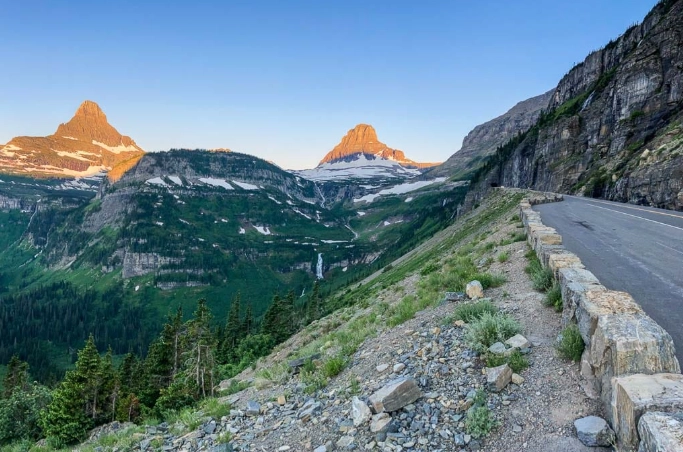
There's a world beyond the parking lot overlooks and crowded boardwalks. It's a world where the only sounds are your boots on the trail and the wind in the pines, where you earn every vista with sweat and miles. That's the magic of national parks backpacking. It's not just hiking; it's immersion. You don't see the park, you live in it for days at a time.
I've spent over a decade exploring these trails, from the misty forests of the Great Smoky Mountains to the volcanic ridges of Lassen. I've also made every mistake in the book—carried a pack that felt like a refrigerator, forgotten critical gear, and underestimated just how cold a desert can get at night. This guide is what I wish I'd known before my first trip.
Your Trail Map to This Guide
How to Plan Your First National Park Backpacking Trip
Jumping straight into a week-long trek in the remote wilderness is a recipe for misery. Start smart.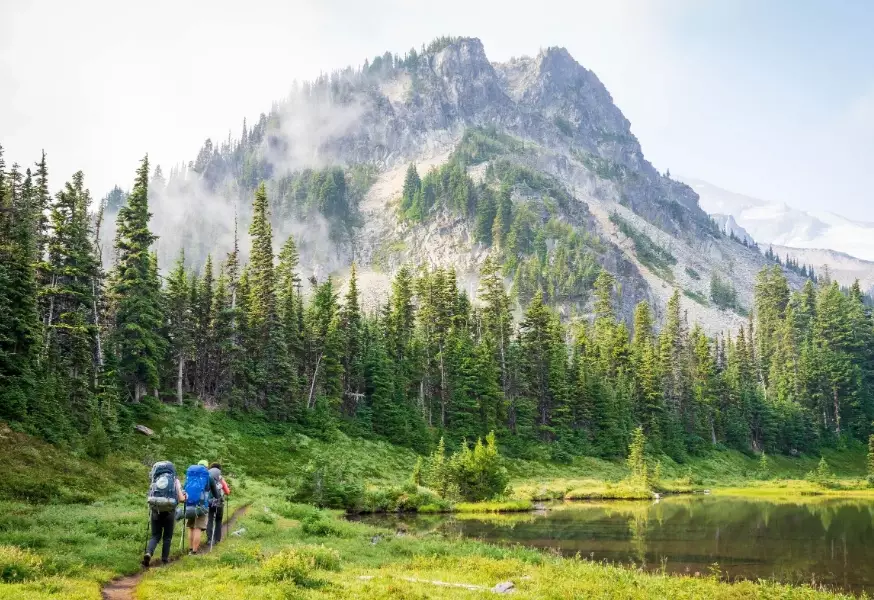
The Permit Puzzle: Your Golden Ticket
This is the gatekeeper. Most popular backcountry destinations in national parks require a permit. The system feels Byzantine, but it boils down to two types: Advance Reservations and Walk-Up/Walk-In.
For iconic trails like the Grand Canyon's Bright Angel or anything involving Yosemite's Half Dome, you're playing the lottery. Applications open months in advance on Recreation.gov. Mark your calendar. If you miss the window, all hope isn't lost. A significant number of permits are held back for walk-up distribution, usually one day before your hike starts. This means showing up in person, early, and being flexible with your route.
Choosing the Right Trail for Your Skill Level
Ignore the Instagram heroes. Be brutally honest about your fitness and experience. A good starter trip is 1-2 nights, under 20 total miles, with moderate elevation gain. Look for established loops or out-and-backs with reliable water sources.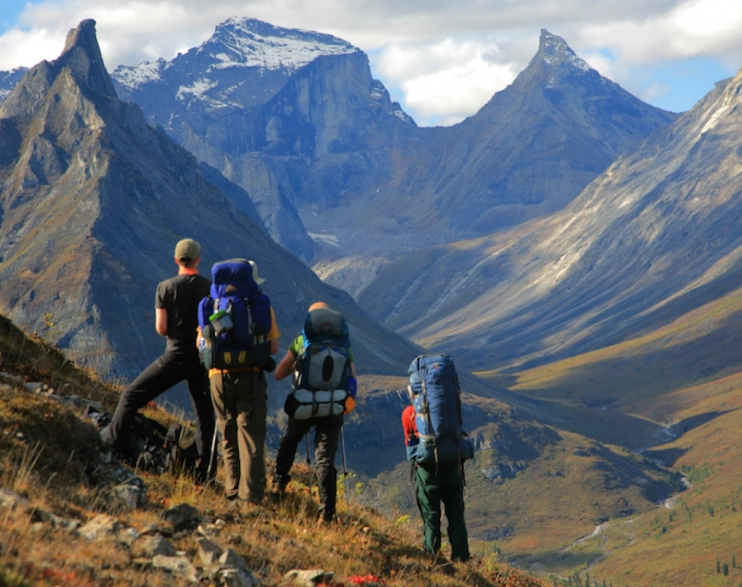
Parks like Great Smoky Mountains National Park or Shenandoah have fantastic beginner-friendly options with established backcountry campsites. The goal of your first trip isn't to conquer the hardest trail; it's to fall in love with the experience and come back wanting more.
Essential Gear for Backpacking National Parks
Let's be real: your backpack is your home. Every ounce matters. Forget the fancy gadgets for now—nail these big three, and you're 80% of the way there.
The Big Three: Pack, Shelter, Sleep System
This is where your budget should focus. A poorly fitting pack will ruin your trip. Go to a reputable outfitter, get measured, and try them on with weight. For a multi-day trip, a 65-75 liter pack is a sweet spot for most people.
Your shelter depends on the environment. A lightweight tent is the most versatile. In some dry parks, a tarp or even a bivy sack might work, but for a beginner, a trusty tent is security. Your sleeping bag's temperature rating is a survival rating, not a comfort rating. If you expect nights in the 40s (F), get a 20-30 degree bag. A sleeping pad is non-negotiable—it provides both cushion and critical insulation from the cold ground.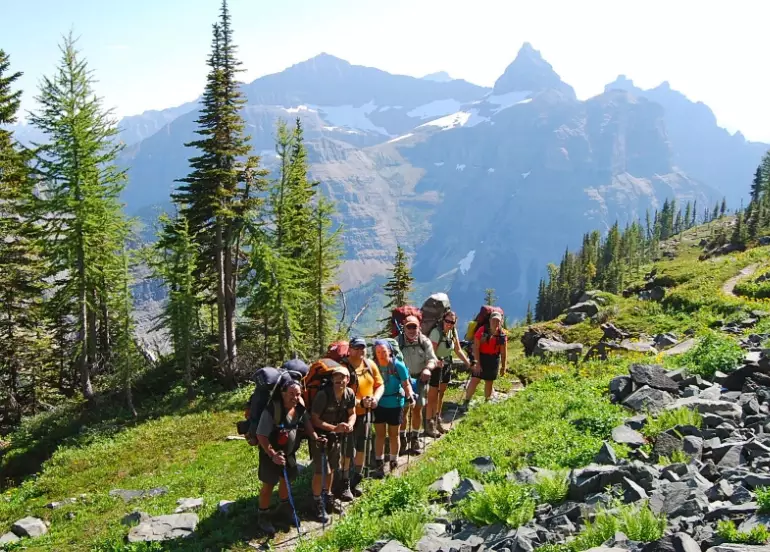
The Non-Negotiables (That Everyone Forgets)
| Item | Why It's Critical | Personal Pick / Note |
|---|---|---|
| Water Treatment | Giardia is a trip-ending gut bug. Never drink untreated water. | I use a Sawyer Squeeze filter. Simple, light, foolproof. Have backup purification tablets. |
| Bear-Resistant Food Canister | Required in most parks. Protects you AND the bears. Hanging is often banned. | BV500 or Bearikade. Renting is a great option for your first trip. |
| Headlamp | Not just a flashlight. Frees your hands for cooking, setting up tent in the dark. | Get one with a red light mode to preserve night vision and be courteous to others. |
| First-Aid Kit | For blisters, cuts, headaches. You are your own rescue team. | Build your own. Must-haves: leukotape for blisters, ibuprofen, antihistamine, gauze. |
| Map & Compass (Physical) | Electronics fail. Batteries die. Know how to use them. | USGS topographic map of your specific trail. Practice at home. |
I learned the headlamp lesson the hard way trying to cook dinner in a rainstorm with a cheap flashlight clenched in my teeth. Never again.
Three Epic National Park Backpacking Itineraries
To make this concrete, here are three classic trips that showcase different landscapes. These require planning and permits, but they're benchmarks for a reason.
1. Yosemite's High Sierra Camp Loop (Intermediate)
The Vibe: Alpine meadows, granite domes, and staggering vistas without having to carry a full week of food (if you time it with the camps).
Typical Route: Start at Tuolumne Meadows, loop through Vogelsang, Merced Lake, and Sunrise High Sierra Camps. ~50 miles over 5-6 days.
Permit Hack: The camps themselves are a lottery, but you can backpack the same trails and camp in the surrounding wilderness. It's harder logistically but easier to get a permit for. The real secret? Go in late September. Fewer people, no bugs, insane fall colors.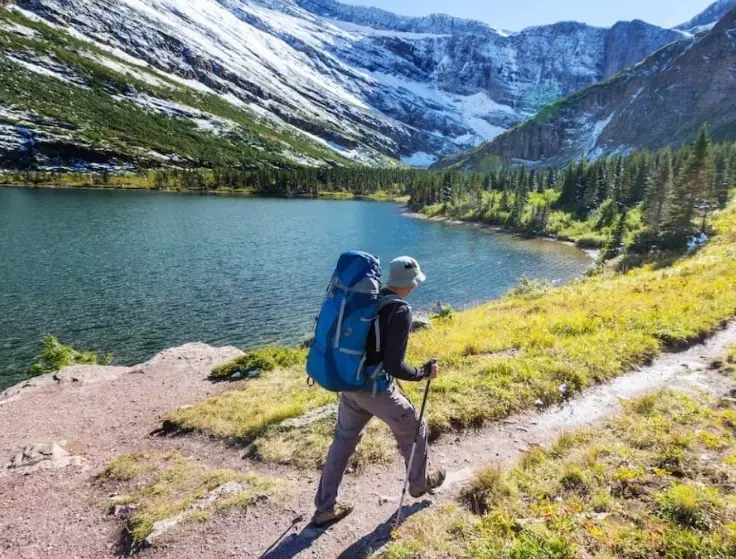
2. The Grand Canyon: Rim-to-Rim-to-Rim (Advanced)
The Vibe: A brutal, awe-inspiring pilgrimage through geologic time. Not for first-timers.
Typical Route: South Kaibab Trail down, North Kaibab Trail up, stay at Bright Angel Campground (Phantom Ranch). Reverse the next day. ~48 miles with over 11,000 ft of elevation change. Most do it in 2-3 nights.
Permit Hack: Applying for a Bright Angel Campground permit is highly competitive. Look into staying at Cottonwood Campground on the North Rim instead—it's often easier to get and breaks up the climb better.
3. Olympic National Park: Seven Lakes Basin (Beginner-Intermediate)
The Vibe: A mossy, mystical journey from temperate rainforest to rugged alpine tundra.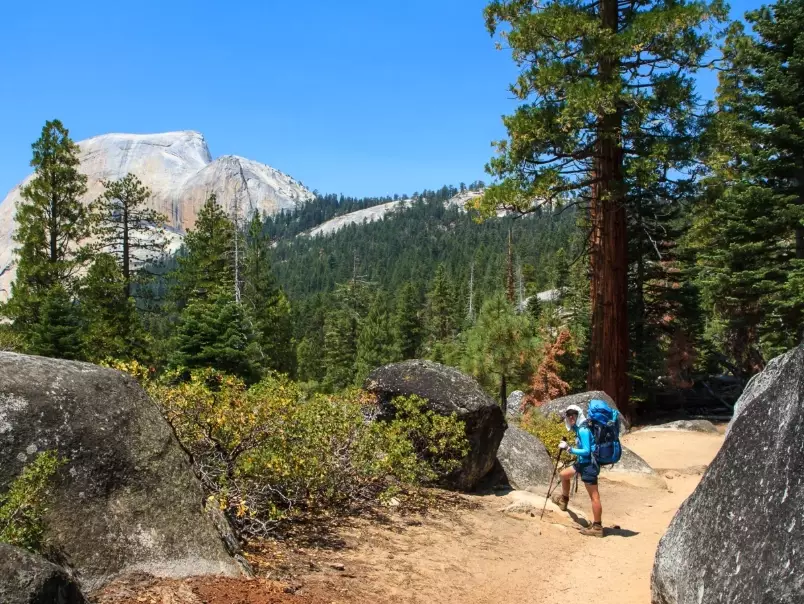
Typical Route: Sol Duc Trailhead to Seven Lakes Basin loop. ~19 miles as a loop, often done in 2-3 nights.
Why it's great for newer backpackers: Mileage is manageable, water is plentiful, and the payoff—subalpine lakes with views of Mount Olympus—is huge. Permits are required but can be easier to secure than the California classics.
Each of these trips has a distinct personality. Yosemite is the postcard, Grand Canyon is the epic challenge, Olympic is the moody, green dream.
Pro Tips for Safety and Leave No Trace
This isn't just about rules. It's about keeping the wilderness wild for the next person—and for yourself.
Leave No Trace Beyond the Basics
Everyone knows "pack it in, pack it out." The subtle stuff is what separates the tourists from the stewards.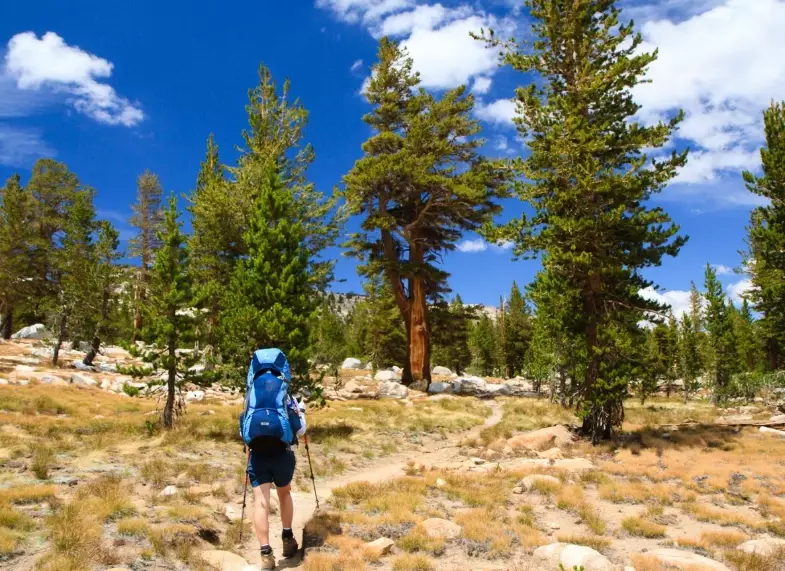
Camp on durable surfaces. In the alpine, that often means rock or bare dirt, not the fragile meadow that looks soft and inviting. A single night's tent can kill vegetation that took decades to grow.
Human waste. Dig a cat hole 6-8 inches deep at least 200 feet from water, trails, and camp. But in some high-use or sensitive areas, you might need to pack out your solid waste with wag bags. Check the specific park regulations—this is becoming more common.
The silent killer: social trails. Don't cut switchbacks. It causes erosion and creates ugly scars on the landscape. Stick to the main trail, even if it adds a few minutes.
Weather and Wildlife Realities
Mountain weather changes by the hour. That sunny morning can turn into a hypothermic afternoon with a sudden storm. Always have a warm layer and rain gear accessible in your pack, not buried at the bottom.
Wildlife isn't a zoo exhibit. Give all animals a wide berth. That includes "cute" marmots and squirrels who will chew through your pack for a salt lick. Store all smellables in your bear canister, 100%. No exceptions, not even for "just one night." I've seen a mouse gnaw through a backpack strap for a single energy bar wrapper.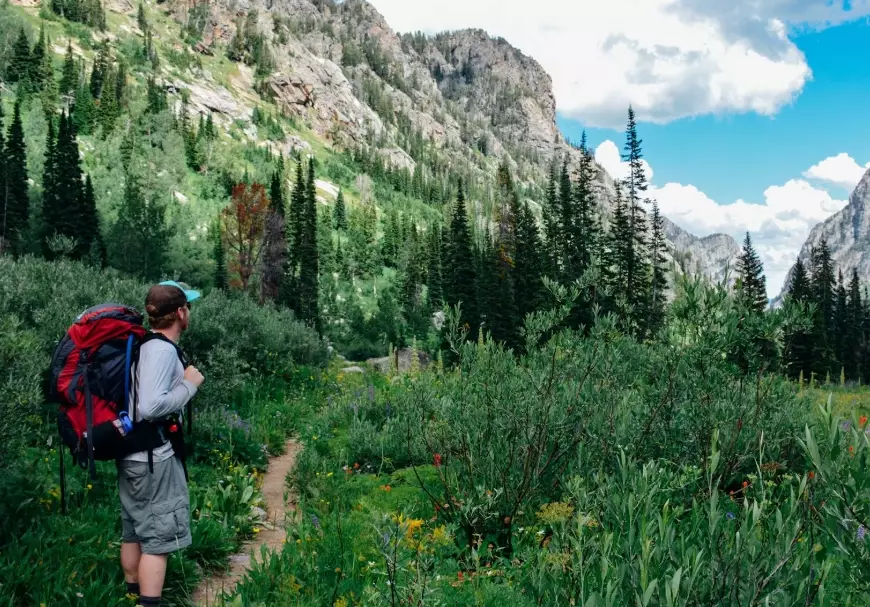
Your Backpacking Questions, Answered
The trail is calling. It's not always easy, and it requires real work. But the feeling of waking up in a silent wilderness, of sipping coffee as the sun hits a distant peak you'll hike to that day—that's a feeling you carry with you long after the blisters heal. Start planning, get your gear in order, and go find your own slice of the backcountry. See you out there.