Let's cut to the chase. You're here because you've lost something important before, or you're terrified of it happening. Your keys vanish into the couch abyss, your dog takes an unscheduled solo adventure, or your checked luggage decides to go on its own holiday. Your gut reaction might be to grab an Apple AirTag—they're cheap, sleek, and everyone talks about them. But then you hear about dedicated GPS trackers and wonder if that's the "better" tech. The truth is, asking if GPS is better than AirTags is like asking if a truck is better than a bicycle. It completely depends on what you need to move, and where.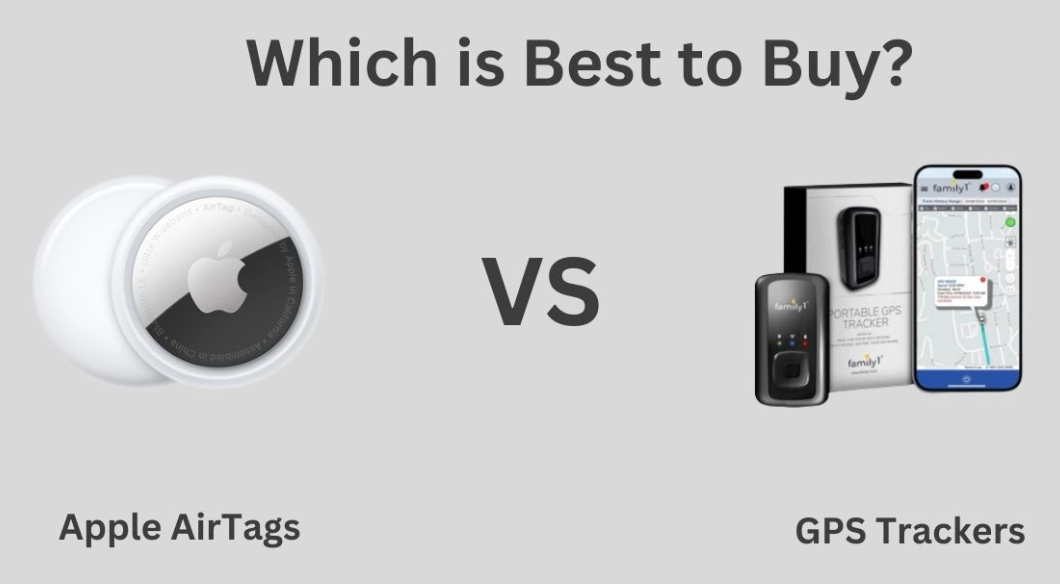
I've used both for years—AirTags on my keys and backpacks, and a rugged GPS unit on my dog's collar after a heart-stopping 3-hour search in the woods. That experience taught me more than any spec sheet. There's no universal winner. The "better" device is the one that matches your specific panic scenario.
What's Inside?
How They Actually Work: It's Not Magic
This is the most common point of confusion. People see a map on their phone and think "GPS." But how that location gets to your phone is totally different.
GPS Trackers talk to satellites. Literal satellites in space. A chip inside the device listens for signals from a network like the U.S. GPS, EU's Galileo, or Russia's GLONASS. It calculates its position (often within 5-15 meters) and then needs a way to send that data to you. This is the critical second step: cellular data. Almost all consumer GPS trackers have a SIM card and use mobile networks (like 4G LTE-M) to text its coordinates to a server, which then pings your app. Global coverage, but it needs cellular service and a paid subscription for that data plan.
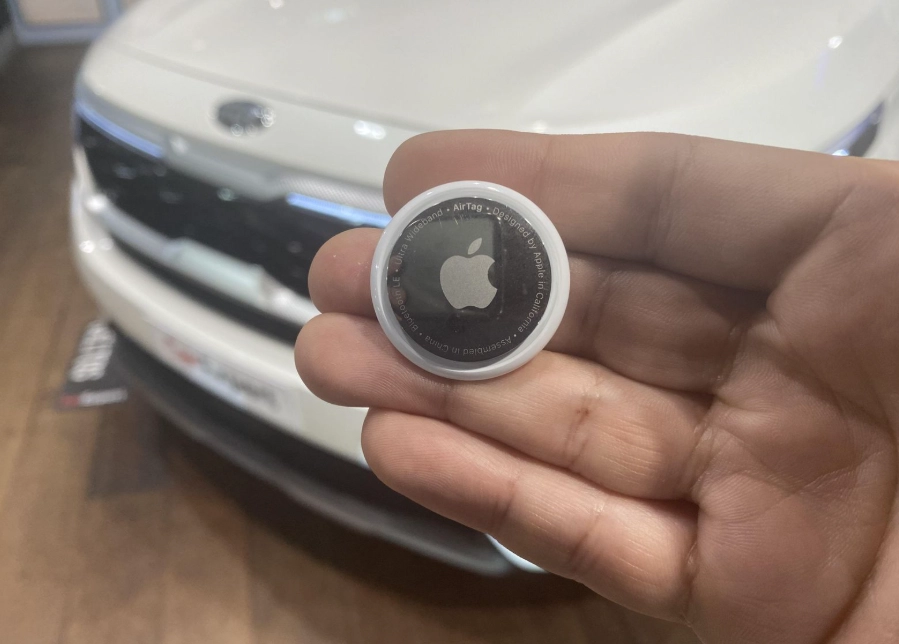
Apple AirTags (and similar Bluetooth trackers like Tile) are glorified Bluetooth beacons. They have no GPS chip and no cellular modem. They scream "I'm here!" via Bluetooth. If your lost item is within ~100 feet of your iPhone, you'll find it directly. The magic happens when it's out of your range. It then anonymously pings any passing iPhone, iPad, or Mac in the vast Find My network. That stranger's device securely relays the tag's location to the cloud, and you see it on your map. No subscription, but it's completely reliant on the density of Apple devices around your lost item.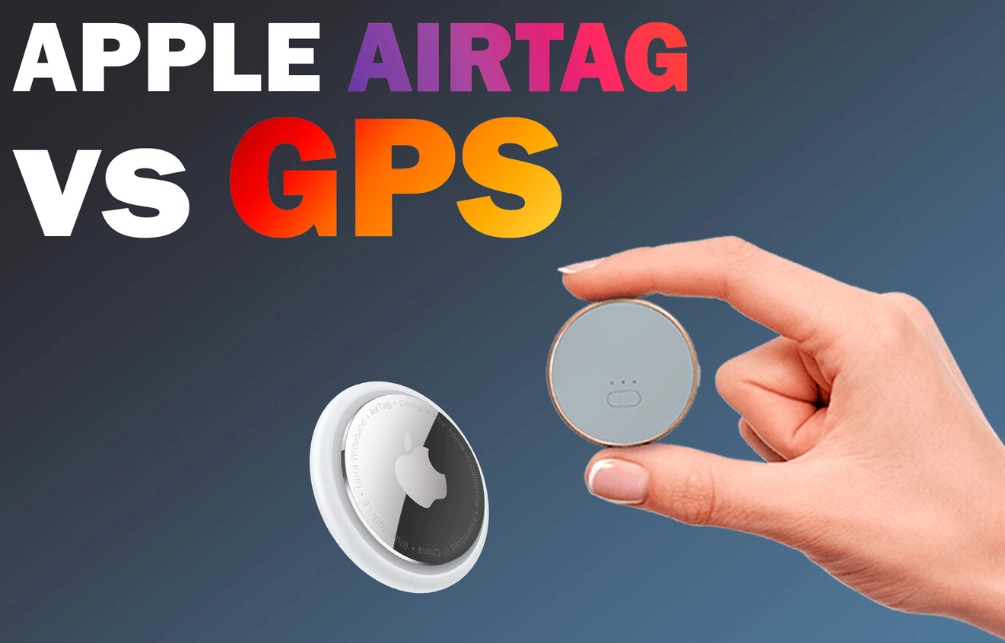
Here’s a snapshot of what this means in practice:
| Feature | Dedicated GPS Tracker (e.g., Jiobit, Tracki) | Apple AirTag |
|---|---|---|
| Location Technology | GPS/GNSS Satellites + Cellular Data | Bluetooth + Crowdsourced Find My Network |
| Effective Range | Global, anywhere with cellular coverage | ~100 ft (Bluetooth) / Global (with Apple devices nearby) |
| Real-Time Updates | Yes, configurable (e.g., every 60 seconds) | No, location is updated when an Apple device passes by |
| Precision Finding | ~5-15 meter accuracy on a map | ~1-3 meter accuracy with on-screen arrows (U1 chip) |
| Power Source | Rechargeable battery (days to weeks) or long-life cell (months) | User-replaceable CR2032 coin cell (~1 year) |
| Monthly Cost | Almost always required ($5 - $25/month) | None |
See the trade-off already? GPS gives you independence and real-time tracking, but you pay a monthly fee. AirTags are free to run but depend on the kindness of strangers' iPhones.
Picking Your Fighter: A Scenario-by-Scenario Guide
This is where we move from theory to your life. Let's match the tech to the problem.
For Keys, Wallets, Remotes Inside Your Home
The Winner: AirTag, no contest. This is its home turf. You just need that last-meter precision to find which couch cushion is the culprit. The AirTag's ultra-wideband Precision Finding (on newer iPhones) is fantastic here—it points you with arrows and distance. A GPS tracker here is massive overkill, like using a sledgehammer to crack a nut. Plus, you'd have to remember to charge it every week.
For Pets (Dogs & Cats)
This is the big one. My old dog, Scout, was a Houdini. A low fence was a suggestion. After the woods incident, I got a GPS tracker.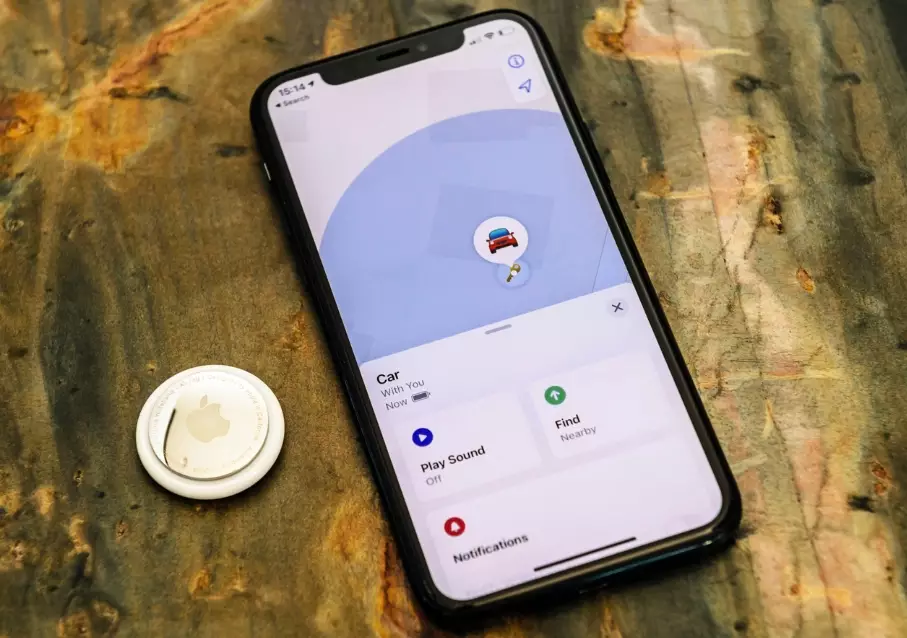
For escape-artist dogs in suburban/urban areas: A hybrid approach is my expert, non-consensus advice. Use a GPS tracker for live location and historical trails (so you can see where he's been roaming). But also clip an AirTag to the collar as a backup. Why? If the GPS battery dies or loses signal in a ravine, the AirTag might get a ping from a hiker's iPhone. I've seen this work. GPS brands like Whistle and Fi have integrated this concept.
For cats or dogs that mostly stay close: An AirTag on a pet-safe collar might be sufficient and far cheaper. But know its limits—if Mittens wanders into a rural area with few iPhones, you're blind.
For Luggage and Travel
I throw an AirTag in every checked bag and my carry-on. For luggage, the Find My network is usually perfect. Airports and cities are saturated with iPhones. You'll know if your bag made it to the carousel in Reykjavik or is still sitting in Chicago. The one-year battery is key for not worrying about charging while traveling.
A GPS tracker here is, again, overkill and a hassle. You'd need to ensure it's charged, has a global SIM/data plan, and you'd have to remember to turn it on/off to save battery. The AirTag is a "set it and forget it" solution.
For Vehicles, Boats, Equipment
The Winner: GPS Tracker. If your car is stolen or your trailer parked at a remote job site goes missing, you need guaranteed, real-time location, not hope that a thief has an iPhone in their car. GPS trackers designed for vehicles can be hardwired to the battery for constant power and offer features like geofencing (get an alert if it moves outside a defined area) and movement alerts. An AirTag hidden in a car is a decent, cheap supplement—I have one in my glove box—but a thief with an iPhone will be alerted to its presence, and if they're tech-savvy, they can find and discard it.
The Hidden Costs: Battery Life & Subscriptions
This is the deal-breaker for many.
AirTags: The upfront cost is low (~$29). The CR2032 battery lasts about a year and costs $5 to replace. No subscription. The total cost of ownership over 3 years is roughly $45.
GPS Trackers: The device itself is more expensive ($50 - $150+). Then comes the monthly subscription for cellular data, typically between $5 and $25. This fee is non-negotiable; it's how the tracker talks to you. Over 3 years, a $10/month plan adds $360 to the cost. The battery life varies wildly. Real-time tracking models need charging every 2-7 days. Some offer "battery saver" modes that report location less frequently (e.g., every 10 minutes) to extend life to 2-4 weeks.
That GPS subscription isn't just a cash grab—it's paying for a dedicated, reliable cellular data line. You're paying for certainty. The question is: how much is that certainty worth to you for this specific thing you're tracking?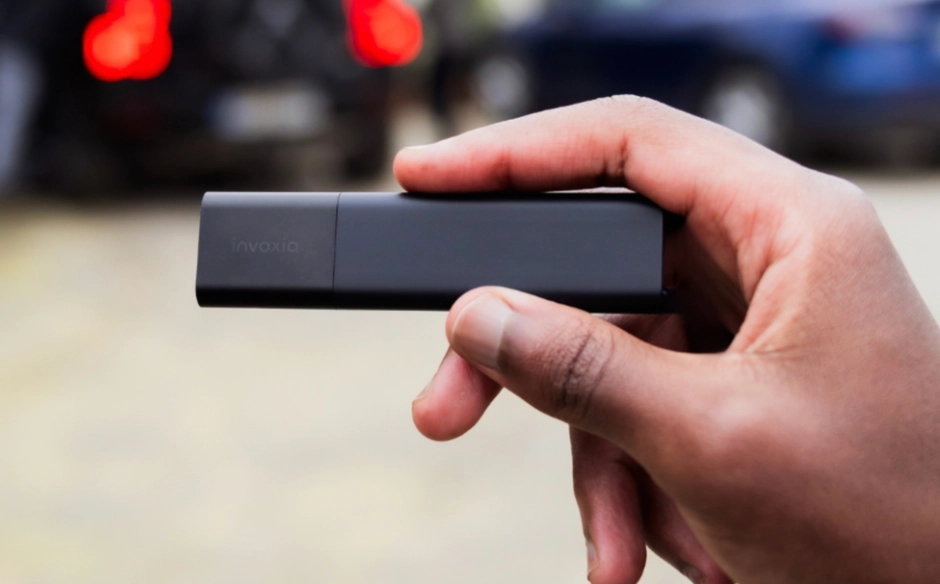
Privacy, Setup, and the Annoying Bits
Setup: AirTags win. Open the box, pull the tab, bring it near your iPhone—done. GPS trackers involve activating a SIM, setting up an app account, and often charging for a full hour first.
Privacy: This is fascinating. AirTags have faced scrutiny for potential stalking (hence the anti-stalking alerts). But for the owner, the system is incredibly private and anonymous—your location is never shared with the finder. GPS trackers are the opposite. You are the sole viewer of the location data (via your private app login), which can feel more secure for tracking high-value items or loved ones. There's no network of strangers involved.
One annoyance with AirTags: the obnoxiously loud beep it makes when separated from its owner for a long time. It's meant to alert people to an unwanted tracker, but it can also scare off a lost pet or let a thief know to look for it. There are hacks to disable the speaker, but they void the warranty and involve careful disassembly.
The Final Decision Matrix
Stop thinking "which is better." Start asking:
- What am I tracking? (Keys, dog, car?)
- Where will it likely get lost? (In your house, the neighborhood, a national forest?)
- Do I need to see it move in real-time, or just its last known location?
- Am I willing to pay a monthly fee for peace of mind?
My rule of thumb after a decade of using this gear:
Use AirTags for "where did I leave it?" problems (items in urban areas, luggage, finding stuff in your own home).
Use a GPS tracker for "where is it going?" problems (pets that roam, vehicles, high-value assets in rural areas, monitoring movement patterns).
For my most important tracking job—my new dog—I use a GPS tracker with a subscription. The $15/month is my insurance premium against that sinking feeling of a lost pet. For everything else, it's AirTags all the way.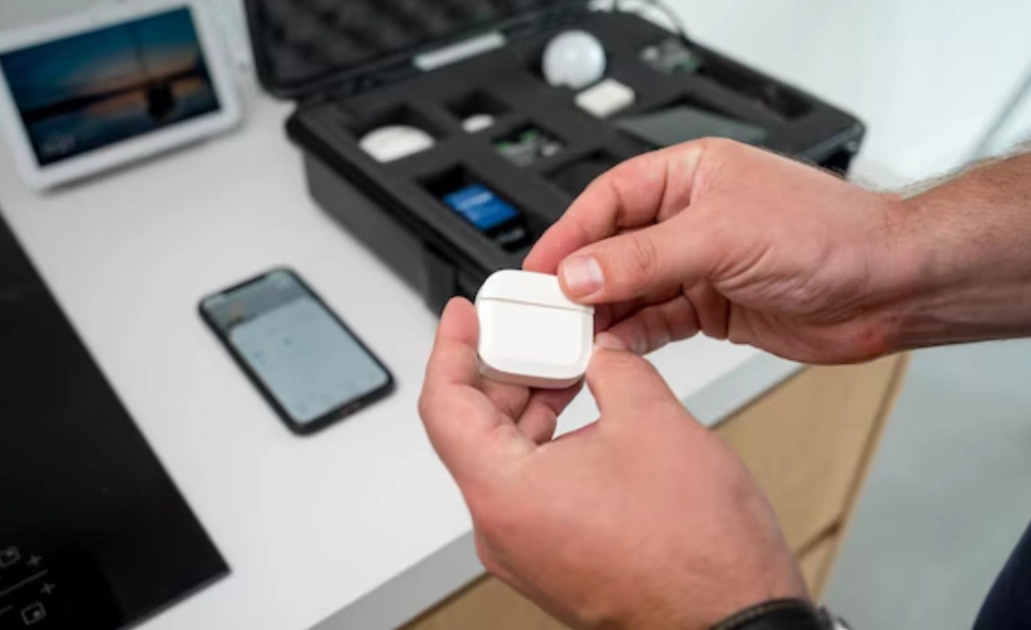
Your Tracking Questions, Answered
Can I use an AirTag to track my car if it's stolen?
You can try, and it might work initially. But consider it a backup, not your primary plan. A professional thief will likely have an iPhone, which will eventually alert them to the unwanted AirTag. They will then search the car and toss it. A hidden, hardwired GPS tracker provides a far more reliable and stealthy solution for vehicle recovery.
How long does a GPS tracker battery last on a dog?
It depends entirely on the update frequency. For real-time tracking (updates every 60 seconds), expect 1-3 days. Most people don't need that. In "activity mode" (updates every 5-15 minutes during movement), you might get 5-10 days. If you only need a daily location check-in, some can last 2-4 weeks. Always check the "battery saver" specs for the specific model.
Will an AirTag work in a rural area with few people?
This is its Achilles' heel. No. If your item is lost in a field, forest, or remote road with no passing iPhones, the AirTag will only show its last known location when it was still in range of a device. It becomes a very expensive Bluetooth tag. In this scenario, a GPS tracker with its own satellite and cellular link is the only thing that will work.
 Are there any GPS trackers that don't require a subscription?
Truly subscription-free GPS trackers are rare and have major caveats. Some use global satellite networks like Iridium for true off-grid tracking (great for backcountry expeditions) but have huge upfront costs and pay-per-message fees. Others might use local radio frequencies (like LoRaWAN) with limited range. For mainstream, reliable, cellular-network-based tracking, a monthly fee is standard. It's the cost of the data connection.
Is it wrong to put an AirTag in my kid's backpack?
Legally and ethically, it's a gray area that depends on context and the child's age. For a young child, many parents see it as a safety measure. However, be aware of the same anti-stalking notification issue. If their backpack is with a friend who has an iPhone for a few hours, that friend's phone might get an alert. For older children and teens, it's crucial to have an open conversation about privacy and trust. A better tool for family location sharing might be a simple GPS-enabled phone or a dedicated family safety device like the AngelSense or Jiobit, designed specifically for this purpose with appropriate privacy controls.