You've decided to go for a hike. Great choice. But between the stunning photos on social media and the reality of a muddy, steep trail lies a gap often filled with blisters, wrong turns, and that "I should have brought more water" feeling. I've been there. After over a decade of hiking everything from local nature loops to multi-day backcountry treks, I've collected a toolkit of strategies that go beyond the basic "bring water and wear good shoes." This guide is that toolkit. We're skipping the fluff and getting into the specifics that make a hike safer, more comfortable, and infinitely more rewarding. Let's start with the most overlooked part: the plan.
Your Trail Map to This Guide
The Foundation: Pre-Hike Planning and Preparation
This is where most mistakes happen before you even lace up your boots. A good hike is won in the planning stage.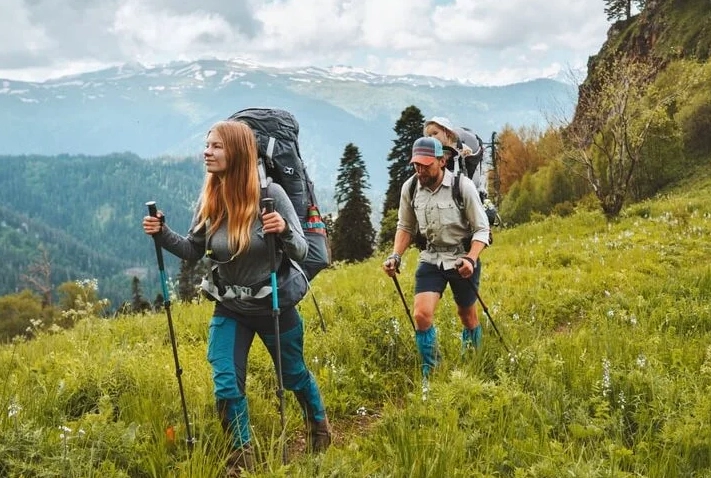
Research the trail like you're investigating a mystery. Don't just look at the distance and elevation gain on AllTrails. Read the recent comments. Are people mentioning downed trees, high water crossings, or confusing junctions? Check the official land manager's website—like the National Park Service or US Forest Service—for alerts on closures, fire restrictions, or permit requirements. A permit isn't just bureaucracy; it's a tool to manage overcrowding and protect the trail.
Here's a trick I use: I look at the hike's profile (the elevation graph) and mentally break it into sections. Where's the steepest climb? That's where I'll plan my first short break. Is there a long, gentle descent at the end? That's where fatigue sets in and attention wanders, increasing the chance of a twisted ankle.
Check the weather, but check it right. Looking at the forecast for the nearest town is useless if your trailhead is 3,000 feet higher. Use a service that provides mountain-specific forecasts, like NOAA's point forecast. Pay attention to the hourly forecast for your planned summit time. That sunny 70-degree day at the trailhead can be a windy, 45-degree affair at the peak.
Tell someone your plan. Every time. I text a friend or family member the trail name, my planned route, my car's description and license plate, and my expected return time. I also tell them when they should start to worry and who to call (usually the local county sheriff's search and rescue, not 911 first). It feels overly cautious until the one time you need it.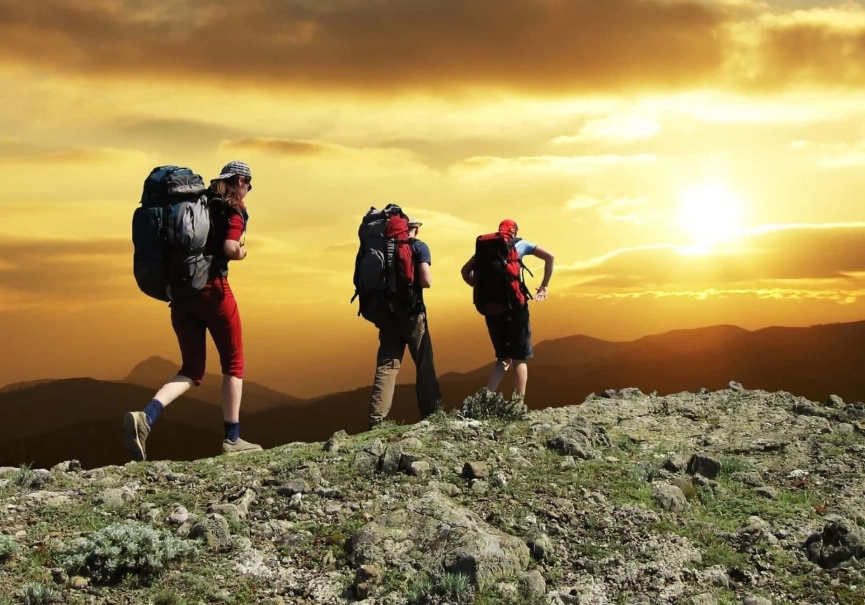
Gear Up Smartly: What to Pack (and What to Skip)
You don't need the fanciest gear, but you do need the right gear. This isn't about brand names; it's about function.
Footwear: Your Most Critical Gear
The biggest debate: boots vs. trail runners. After years in heavy boots, I've shifted almost entirely to trail runners for anything under 15 miles without a massive pack. They're lighter, dry faster, and cause less fatigue. The trade-off is less ankle support and protection. If your trail is rocky, has lots of ankle-twisting roots, or you're carrying significant weight, a mid-height boot is still the wiser choice.
Socks are not an afterthought. Merino wool is magic. It wicks moisture, resists odor, and provides cushion. Avoid cotton at all costs—it holds moisture and is the primary culprit for blisters. A thin liner sock under a hiking sock can be a game-changer for friction-prone feet.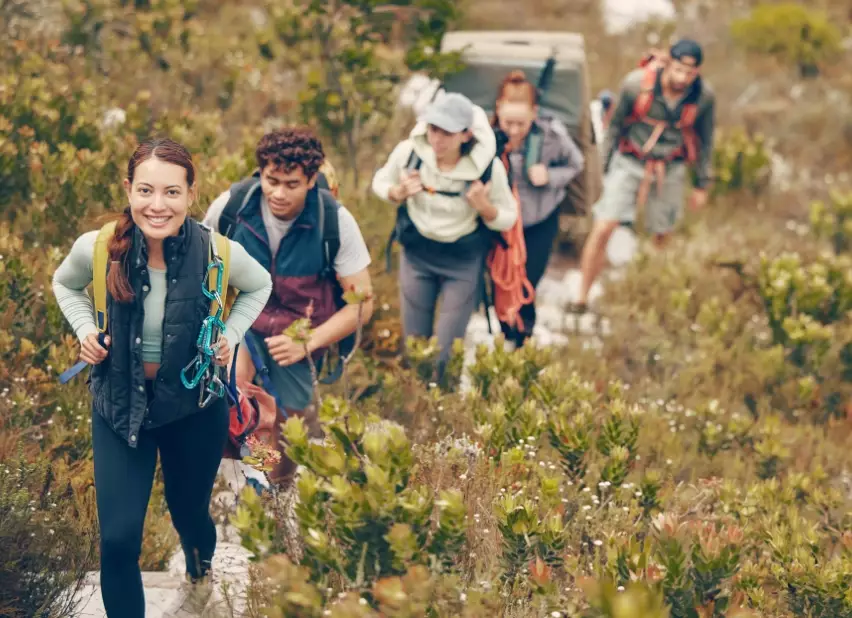
Pro Trick: How to Break in Hiking Boots Without Blisters
Wear them around the house for a few hours each day for a week. Then, take them on short, easy walks in your neighborhood. Focus on areas of tightness or rubbing. Use a hairdryer to gently warm stiff spots (not to melt them) while flexing the boot to help it mold to your foot. This process is non-negotiable.
The Layering System: Master Temperature Control
Forget the heavy jacket. Think in layers you can add or remove as you heat up and cool down.
Base Layer: Merino wool or synthetic. Again, no cotton. This layer manages sweat.
Mid Layer: A fleece or lightweight puffy for insulation when you stop moving.
Shell Layer: A waterproof, breathable rain jacket. It's your windbreaker and emergency shelter.
Always in the Pack: A warm hat and lightweight gloves. They weigh nothing and save you from misery if the weather turns.
The Daypack: Organizing Your Essentials
Your pack should carry the Ten Essentials, a concept developed by mountaineers that is just as vital for a day hike. I organize mine in waterproof bags or ziplocks:
Navigation: Physical map and compass (and know how to use them), plus a charged phone/GPS as a backup.
Sun Protection: Sunglasses, sun-protective clothes, and broad-spectrum sunscreen.
Insulation: That extra mid-layer and shell.
Illumination: A headlamp with extra batteries. Not a flashlight—you need your hands free.
First-Aid Supplies: A kit tailored to blisters, cuts, and allergies.
Fire: Lighter, waterproof matches, and firestarter.
Repair Kit and Tools: Duct tape wrapped around a trekking pole, a multi-tool, and some cord.
Nutrition: An extra day's worth of calorie-dense food (nuts, bars, jerky).
Hydration: More on this below.
Emergency Shelter: A lightweight emergency bivvy or space blanket.
For hydration, I prefer a hydration bladder (like a CamelBak) for easy sipping while walking, plus a spare liter of water in the pack. For water purification on longer hikes, a Sawyer Squeeze filter is reliable and simple.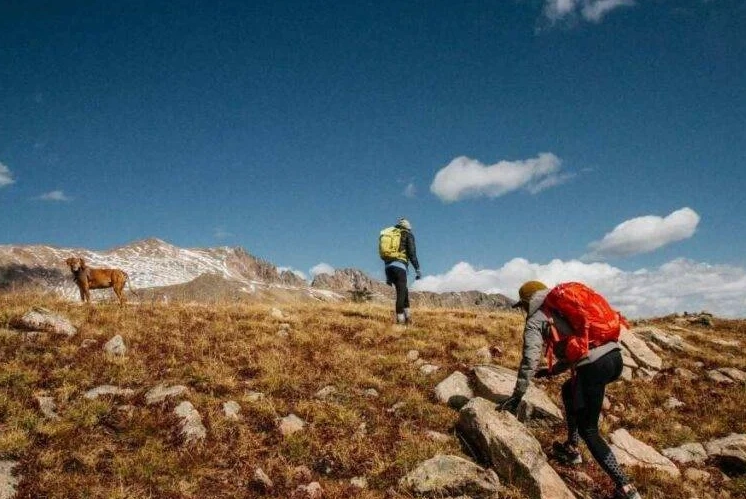
On the Trail: Techniques for Safety and Enjoyment
You're on the trail now. This is where the planning and gear pay off.
Pacing and Rhythm
Start slow. Embarrassingly slow. Your first 15 minutes should feel easy. This lets your muscles warm up and your cardiovascular system ease into gear. Find a sustainable rhythm where you can breathe comfortably—you should be able to hold a conversation. A common mistake is charging up the first hill and burning out your legs for the rest of the day.
Take short, frequent breaks (5 minutes every 45-60 minutes) rather than one long lunch break. This keeps your muscles from stiffening up. On a break, take off your pack, have a snack, and drink some water.
How to Navigate a Trail Without Getting Lost
Trails are marked, but not always clearly. At every junction, stop. Look for the trail marker (a blaze on a tree, a cairn of rocks). If you haven't seen a marker in 10-15 minutes, pause and check your map or app. Don't just assume you're on the right path because it looks worn—that could be a game trail.
Turn around and look behind you frequently. The trail looks very different on the return trip, and familiarizing yourself with key landmarks (a distinctive bent tree, a rock formation) can prevent that panicky "have I passed the turn?" feeling.
Uphill and Downhill Techniques
Uphill: Take smaller steps. Use your toes to push off, not just your calves. Lean slightly forward from the ankles. If it's steep, use a "rest step": pause briefly with your weight on your back leg, letting your front leg relax for a second before taking the next step. It feels slow but is incredibly efficient.
Downhill: This is where most knee pain and falls happen. Keep your knees slightly bent to act as shock absorbers. Take shorter, controlled steps. Don't lock your knees or lean back too far. If it's very steep or loose, zigzag across the trail to reduce the grade. Trekking poles are worth their weight in gold here, saving your knees and providing stability.
Speaking of trekking poles, most people use them wrong. They're not for leaning on heavily. Adjust them so your forearm is parallel to the ground when the tip is on the trail. Plant the pole opposite your forward foot for a natural rhythm. On steep downhills, lengthen them slightly; on steep uphills, shorten them.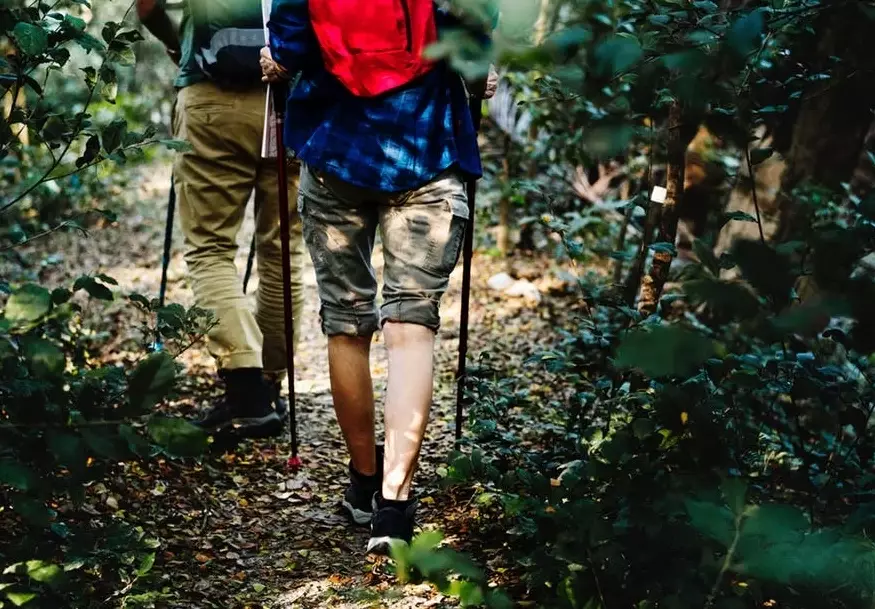
Leave No Trace (Beyond the Basics)
We all know "pack it in, pack it out." But here are subtler points:
Waste: For solid human waste, dig a cathole 6-8 inches deep at least 200 feet from water, trails, and campsites. Pack out your toilet paper in a zip-top bag. It's not gross; it's responsible.
Trail Etiquette: Hikers going uphill have the right of way. It's harder to restart a climb. Step to the downhill side of the trail to let them pass.
"Leave What You Find": This includes pretty rocks and wildflowers. The ecosystem needs them, and the next hiker deserves to see them too.
After the Hike: Recovery and Gear Care
What you do after matters for how you feel tomorrow and how long your gear lasts.
As soon as you get to the car, change into dry clothes and shoes. It feels amazing and prevents chafing. Stretch your calves, quads, and hamstrings gently while your muscles are still warm.
At home, empty your pack completely. Dry out any damp gear—tent out the sleeping bag, hang the pack, air out the boots (remove the insoles). Clean out your water bladder with a bit of baking soda to prevent mold. Check your first-aid kit and restock anything you used.
Hydrate and eat a meal with protein and carbs to help your muscles repair. An Epsom salt bath can work wonders for soreness.
Your Hiking Questions, Answered
The best hiking tip is simply to start. Don't get paralyzed by gear lists or difficulty ratings. Pick a short, well-reviewed trail, tell someone where you're going, pack more water and food than you think you need, and go. Pay attention to how your body feels, what you wished you had, and what you didn't use. That experience is the real trick—it's what turns a walk in the woods into a lifelong passion. See you on the trail.