You're planning a trip. The photo shows an incredible summit view. The description says "challenging terrain." You're excited, but a nagging question pops up: is this mountain climbing or hiking? Booking the wrong guide, bringing the wrong gear, or simply having the wrong expectations can turn an epic adventure into a miserable—or dangerous—situation. I've seen it happen.
The confusion is everywhere. Social media tags a walk-up trail as "climbing a mountain," while a technical ridge scramble gets called a "hike." As someone who's spent over a decade guiding and exploring both disciplines, let me clear this up. The difference isn't just about altitude or steepness. It's a fundamental shift in terrain, gear, required skills, and most importantly, your relationship with risk.
What's Inside This Guide?
Defining the Terrain: Where Does the Trail End?
This is the most tangible difference. Think of it as a spectrum.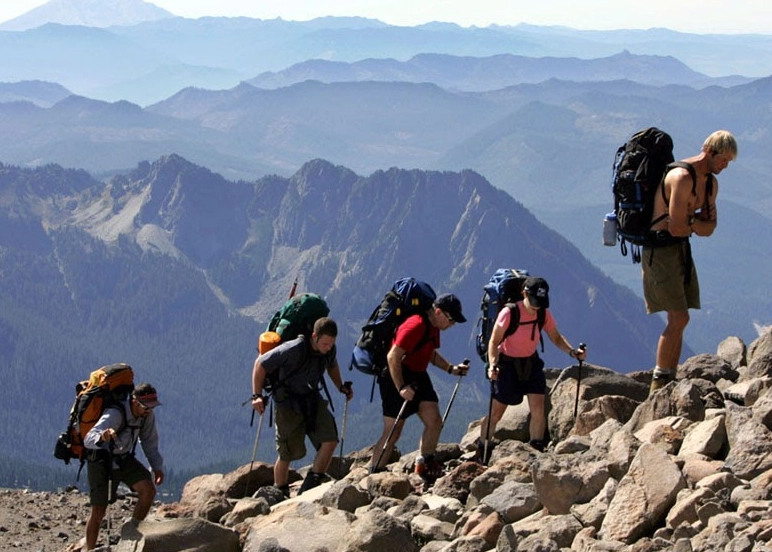
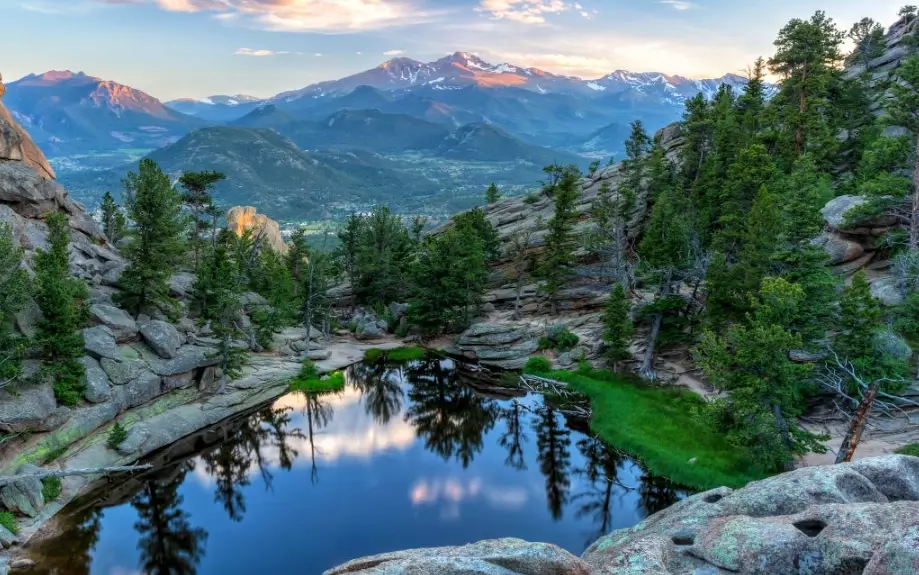
Hiking primarily happens on established trails. Even if it's rugged, rocky, and gains thousands of feet, you're following a defined path. Your hands are mostly free, used for balance or holding trekking poles. The trail might be hard to find in places, but the intent of the route is walkable terrain. Think of the switchbacks up Yosemite's Half Dome (before the cables) or the long ascents on the Appalachian Trail.
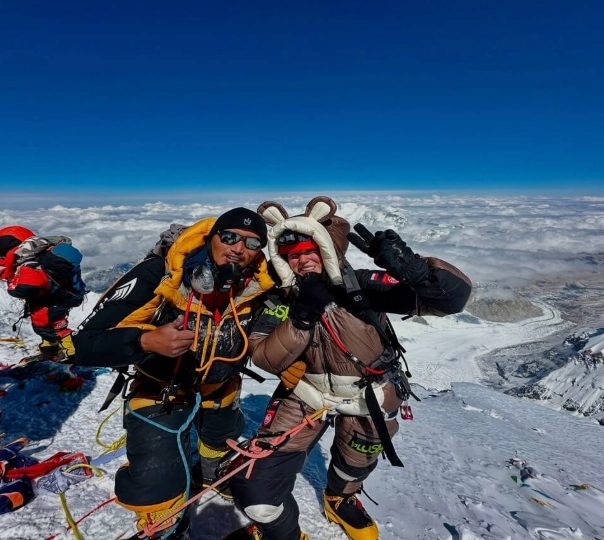
Mountain Climbing (or Mountaineering) begins where the maintained trail ends and the technical terrain begins. This is where you need your hands for progress—this is called "scrambling" at the easier end. It progresses to:
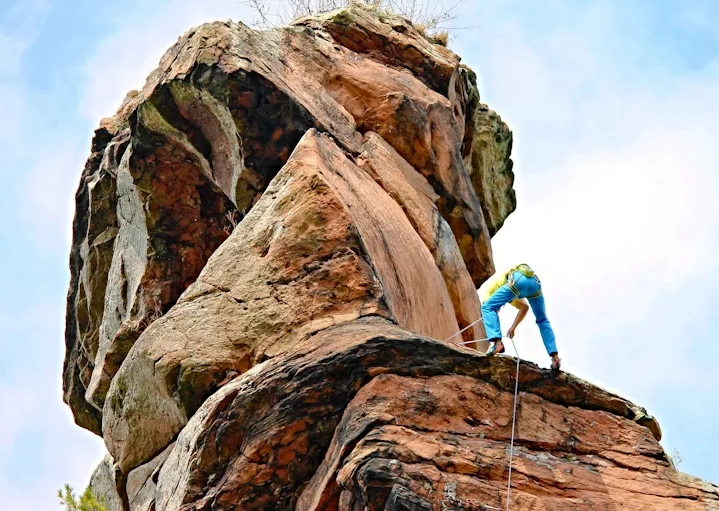
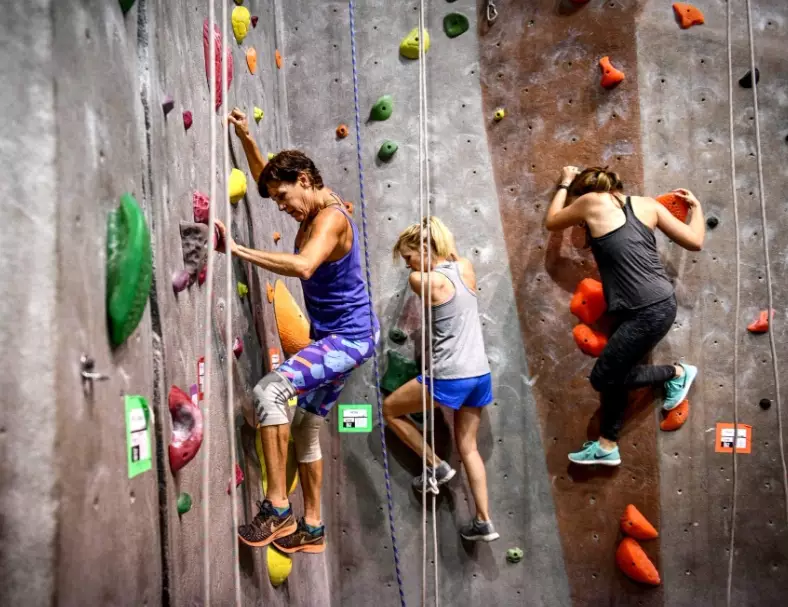
Rock Climbing: Using ropes, harnesses, and protection to ascend vertical or near-vertical rock faces on the mountain.
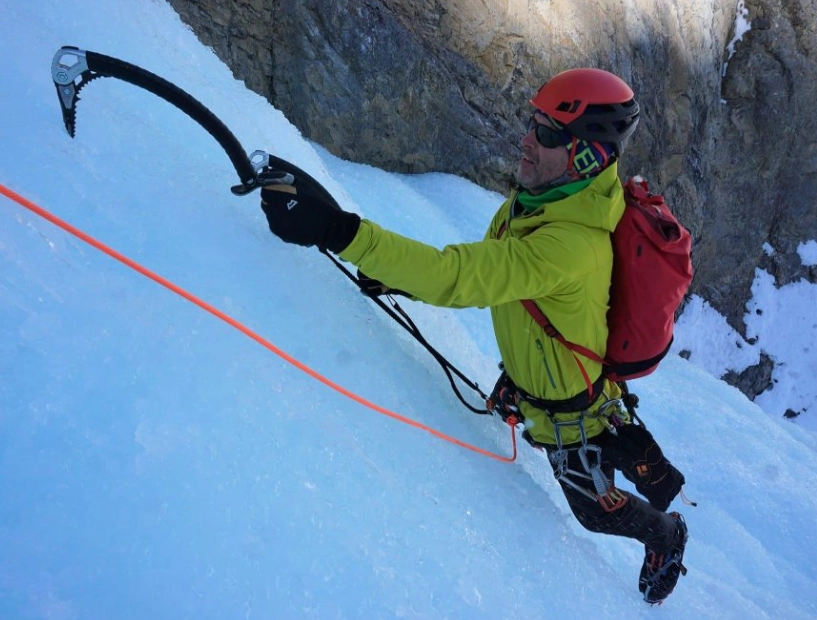
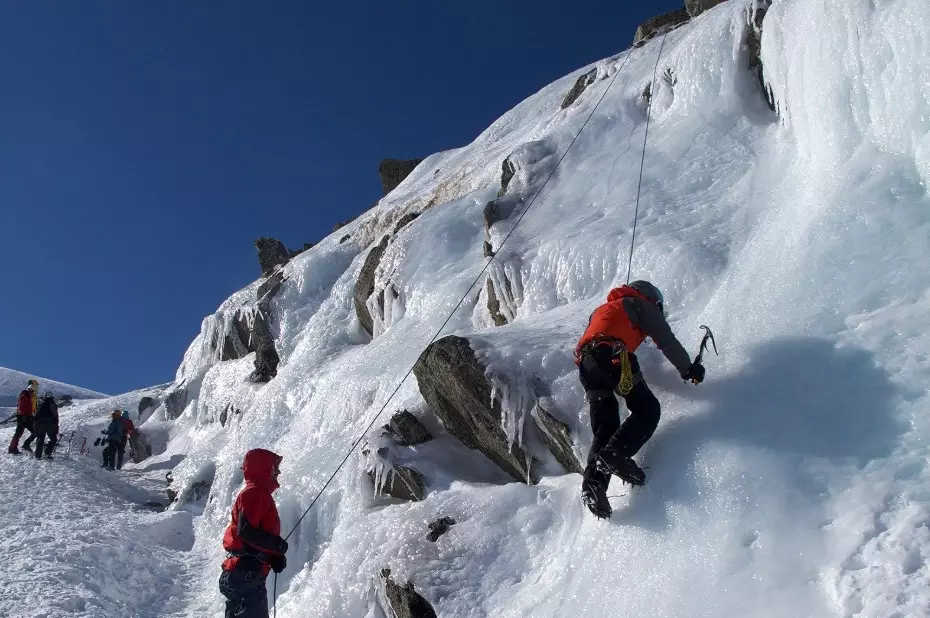
Snow & Ice Climbing: Traveling across or up steep snowfields, glaciers, or ice walls. This requires an ice axe, crampons, and knowledge of avalanche safety and crevasse rescue.
Often, a mountain climb will mix all of these: a hike to a base, a scramble up a ridge, a technical rock section, and a snow traverse to the summit. The classic route up Washington's Mount Rainier via the Disappointment Cleaver is a textbook example of mountaineering.
The Gear Divide: From Daypacks to Harnesses
You can tell a lot by what's in someone's pack. The gear shift is dramatic and non-negotiable.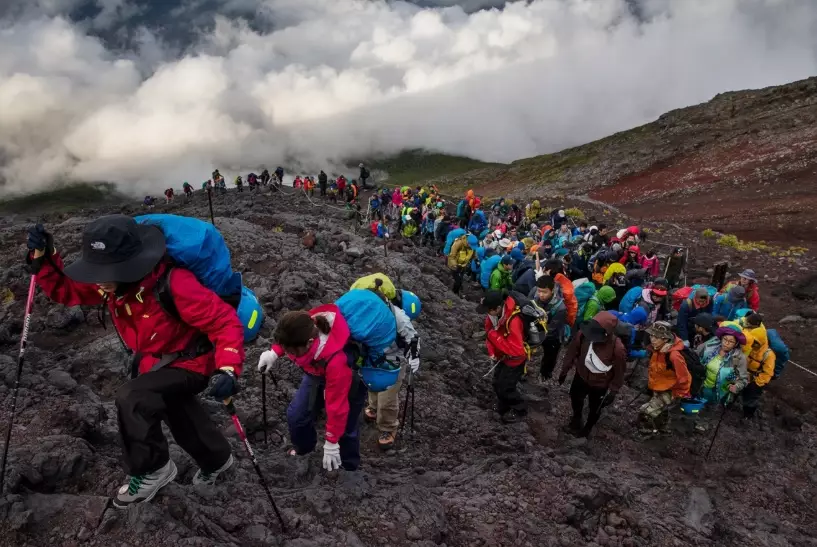
| Item | Hiking Focus | Mountaineering Focus |
|---|---|---|
| Footwear | Hiking Boots/Shoes: Flexible, comfortable for miles, good tread. Waterproof is a bonus. | Mountaineering Boots: Stiff, insulated, crampon-compatible (B2/B3). Prioritizes support and security over comfort on flat ground. |
| Pack | Daypack (20-35L): For layers, food, water, first-aid. Lightweight. | Mountaineering Pack (40-60L+): Haul capacity for ropes, harness, hardware, extra insulation. Often has gear loops and reinforced construction. |
| Key Tools | Trekking poles, map, headlamp, sun protection. | Ice axe, crampons, helmet, harness, rope, carabiners, belay device, avalanche transceiver (if in snow). |
| Clothing | Layering system for variable weather. Quick-dry materials. | All of the above, plus heavier insulation for extreme cold/wind, and waterproof shell that can withstand abrasion from rock and ice. |
| Safety Systems | First-aid kit, emergency shelter, communication device. | All hiking items, plus technical safety systems: crevasse rescue kit, pulley systems, knowledge to use them. |
A subtle but critical point: in mountaineering, your gear isn't just something you carry; it's an active part of your safety system. A crampon isn't for comfort; it's to prevent a fatal slip. You need to know not just how to wear it, but how to self-arrest with your ice axe if you do fall. I learned this the hard way on a cold morning in the Rockies, practicing self-arrests until my arms shook. That practice felt tedious until the day a minor slip on a snowfield turned into a non-event because muscle memory kicked in.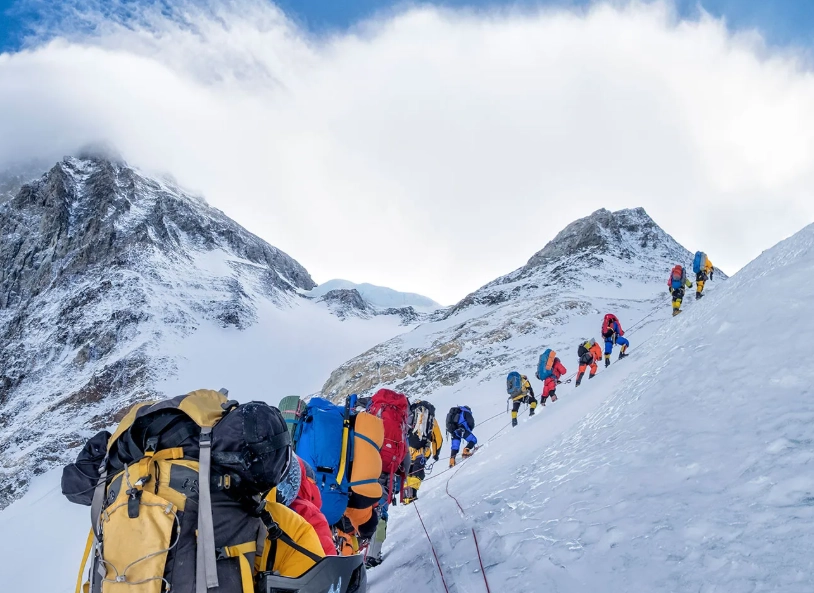
Skill Check: What You Actually Need to Know
Hiking skills are largely about navigation, endurance, and wilderness savvy. Can you read a topo map? Pace yourself? Filter water? Recognize weather changes? These are vital.
Mountaineering includes all those hiking skills, then adds a heavy layer of technical and judgment-based competencies:
Technical Rope Skills
Belaying, rappelling, setting up anchors, moving on a rope team. This isn't optional. On glaciated terrain, you rope up to catch a partner if they fall into a hidden crevasse.
Glacier Travel & Crevasse Rescue
Knowing how to walk roped up, probe for crevasses, and—most importantly—execute a rescue to haul someone out if they fall in. This is a complex, multi-step procedure you must be able to perform under stress.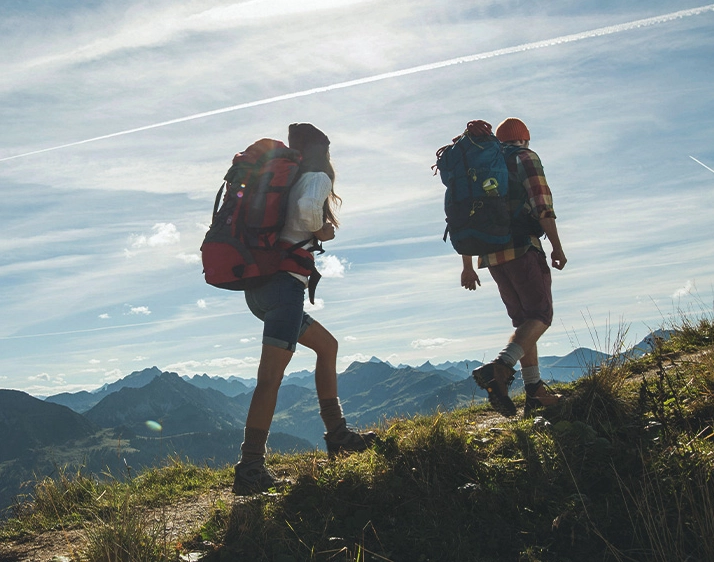
Snow & Ice Craft
Using crampons efficiently (French, German, and American techniques), chopping steps with an ice axe, assessing snow stability for avalanche risk.
Vertical Rock Climbing Techniques
For routes with rock climbing sections, you need the movement skills and gear-placement knowledge of a climber.
You can't YouTube these skills the night before. They require formal instruction and practice. Organizations like the American Mountain Guides Association (AMGA) or local alpine clubs are the best places to start.
The Mindset Gap: Preparedness vs. Risk Assessment
This is the invisible line, the one that separates a great hiker from a competent mountaineer.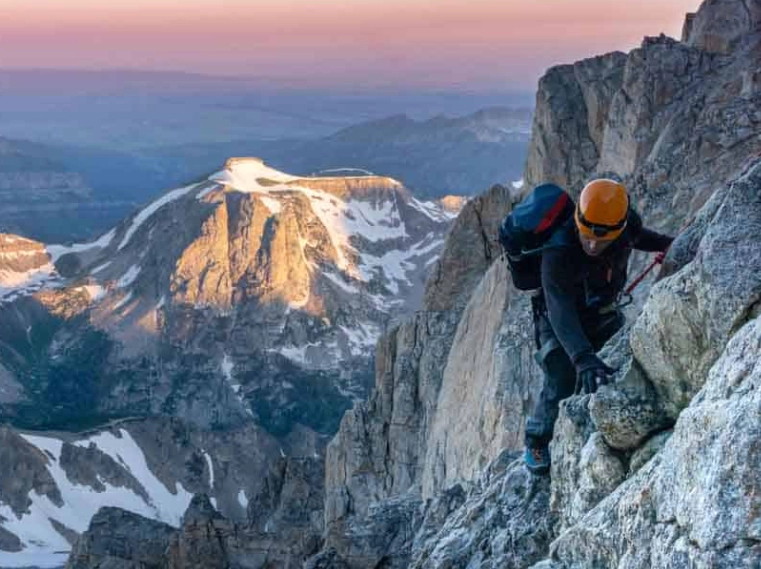
A hiker's mindset is centered on preparedness. Did I pack enough water? Do I have a rain jacket? Is my GPS charged? The goal is to be ready for expected challenges and minor mishaps.
A mountaineer's mindset is centered on continuous, dynamic risk assessment. You're managing "objective hazards"—dangers you can't control, only avoid.
You're constantly reading the mountain: Is the snow on that slope warming up and becoming avalanche-prone? Are rocks loosening in the afternoon sun? Is that cloud formation building into a storm faster than forecasted?
The most critical mountaineering skill is the discipline to turn around. Summit fever kills. A hiker might push through fatigue to reach a viewpoint. A mountaineer must turn back if the avalanche risk spikes, even if the summit is only an hour away. Success isn't just tagging the top; it's the entire team returning safely. I've turned back more times than I've summited, and those decisions are never easy, but they're the ones I'm most proud of.
How to Choose: Is Your Next Trip Hiking or Climbing?
Let's get practical. Look at your dream trip and ask these questions:
1. What does the route description REALLY say? Avoid vague terms like "challenging." Look for specifics.
- Hiking Indicators: "Well-maintained trail," "switchbacks," "class 1" or "class 2" terrain.
- Mountaineering Indicators: "Class 3 scramble or higher," "glacier travel," "requires ice axe & crampons," "rope recommended," "exposure" (this means steep drop-offs).
2. What are the objective hazards? Check resources like the American Alpine Club's accident reports or local ranger stations. Is there avalanche terrain? Crevasses? Significant rockfall? If yes, it's climbing terrain.
3. What is the required gear list? If the list includes helmet, harness, ice axe, crampons, or rope, it's a climb. Don't think you can skip them.
Scenario: Mount Rainier The Skyline Trail to Panorama Point? That's a strenuous hike. The Muir Snowfield? A long, serious hike on snow. The Disappointment Cleaver route to the summit? That's full-on mountaineering requiring glacier travel skills, a guide or significant experience, and a permit.
Scenario: The Colorado 14ers Mount Bierstadt via the standard route? A hike. The Capitol Peak "Knife Edge"? A technical climb with serious exposure, despite being on the same list of 14,000-foot peaks.
Your fitness gets you to the base. Your skills and judgment get you up and down safely. Be honest with your assessment.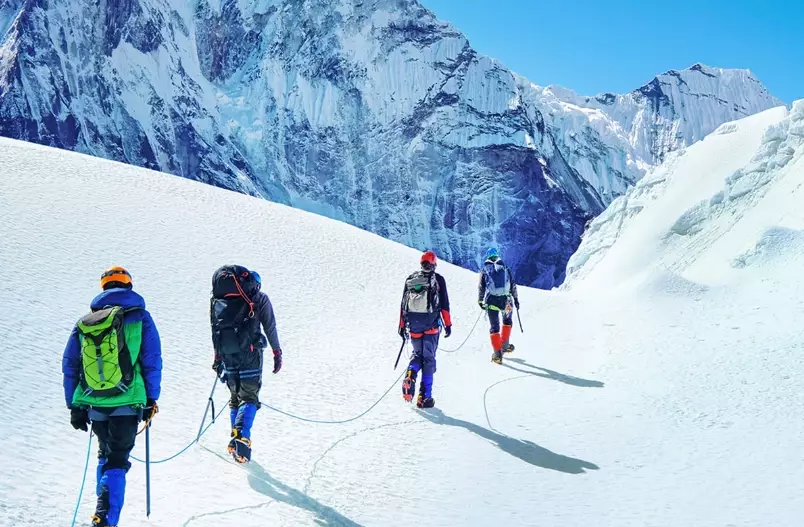
Your Questions, Answered
So, is it mountain climbing or hiking? Listen to the route, look at the gear list, and most importantly, audit your own skills honestly. Both offer profound connection with the mountains. One asks you to walk through them. The other asks you to engage with them, technically and mentally, on a much deeper level. Choose the one that matches not just your ambition, but your preparation. The mountain will be there another day if you need more time to get ready.