In This Guide
- The Official National Parks Free Days Calendar (What It Really Means)
- How to Actually Plan for a Free Day (And Not Hate It)
- Which Parks Are Best (and Worst) for Free Days?
- The Annual Pass: The Smarter Alternative to Chasing Free Days?
- Frequently Asked Questions (The Stuff You're Secretly Searching)
- Your Action Plan: Making the Most of Your Free Day
Let's be real for a second. You've seen the breathtaking photos of Yosemite's waterfalls, the otherworldly landscapes of Arches, and the deep blue hues of Crater Lake. You want to go. But then you check the park entrance fee, and suddenly that dream trip feels a bit...heavier on the wallet. A family of four heading to Yellowstone? That's $70 just to drive through the gate. It adds up.
But here's the good news you might have heard whispers about: the National Park Service sets aside several days each year where the entrance fee is waived. Zero dollars. Zip. Nada. These are the coveted national parks free days.
Sounds perfect, right? Well, it is and it isn't. I've planned trips around these days for years, and I've learned the hard way that just showing up on a free day can be a recipe for frustration—think traffic jams longer than the hiking trails. This guide isn't just a list of dates. It's the strategy guide I wish I had. We'll dive into the official schedule, the unspoken rules, the parks that are actually worth it on these crowded days, and how to have an amazing experience without paying the fee or losing your sanity.
The Core Concept: On designated National Park Service free entrance days, the standard entrance fee for a vehicle, individual, or motorcycle is waived. This applies to all 400+ National Park Service sites that normally charge an entrance fee. It's a huge opportunity, but it comes with a big asterisk that most blogs don't mention.
The Official National Parks Free Days Calendar (What It Really Means)
The National Park Service announces these days well in advance. While the specific dates shift slightly each year, they consistently align with significant American holidays and commemorative days. For planning purposes, you can reliably expect them around these themes.
Good: Off-season crowds in many parks. Watch out: Weather closures in mountainous or northern parks.
Good: Spring beauty, wildflowers. Watch out: Can be very busy, as it's a known annual event.
Good: Summer weather. Watch out: Peak season crowds are already high; free day amplifies it.
Good: Full summer access. Watch out: Heat in desert parks, thunderstorms in others.
Good: Often the best weather of the year; shoulder season. Watch out: Still very popular.
Good: Stunning fall colors in many parks, thinner crowds. Watch out: Early sunsets, variable weather.
| Typical Free Day Theme | What It Celebrates | Why It's a Good/Bad Day to Go |
|---|---|---|
| Martin Luther King Jr. Day (January) | A day of service and remembrance. | Good: Off-season crowds in many parks. Watch out: Weather closures in mountainous or northern parks. |
| First Day of National Park Week (April) | Kicks off a week celebrating parks. | Good: Spring beauty, wildflowers. Watch out: Can be very busy, as it's a known annual event. |
| Juneteenth National Independence Day (June) | Commemorates emancipation. | Good: Summer weather. Watch out: Peak season crowds are already high; free day amplifies it. |
| Great American Outdoors Act Anniversary (August) | Celebrates conservation funding. | Good: Full summer access. Watch out: Heat in desert parks, thunderstorms in others. |
| National Public Lands Day (September) | The nation's largest volunteer day for public lands. | Good: Often the best weather of the year; shoulder season. Watch out: Still very popular. |
| Veterans Day (November) | Honors military veterans. | Good: Stunning fall colors in many parks, thinner crowds. Watch out: Early sunsets, variable weather. |
The absolute best source for the current year's confirmed dates is always the official National Park Service website. Bookmark it. I check it every January when planning my year.
Now, here's the first major caveat.
Free Entrance ≠ Free Everything. This is the biggest point of confusion. The waiver is for entrance fees only. It does not cover:
- Camping fees (these can be $20-$30+ per night and book up fast).
- Tour fees (like guided cave tours at Carlsbad Caverns).
- Concessionaire fees (like boat rentals or shuttle tickets in Zion).
- Parking fees in specific lots outside the main gate.
So your trip isn't completely free, but knocking off that per-vehicle cost is a massive head start.
How to Actually Plan for a Free Day (And Not Hate It)
I made every mistake in the book on my first few free day visits. I rolled up to Arches National Park at 10 a.m. on a free Saturday in April. The line of cars stretched back onto the highway. The ranger at the gate politely informed me the park was already full and would likely reopen for entry in... three to four hours. I spent my free day in a gas station parking lot. Learn from my pain.
The Golden Rule: Arrive Stupidly Early or Strategically Late
Gates open at sunrise, sometimes earlier. Aim to be in line at least 30-60 minutes before that. Yes, it's dark. Yes, it's cold. But you'll drive right in while everyone else is sleeping. The alternative is the "late afternoon gamble." Many families leave parks between 2-4 p.m. to head home. Arriving after 3 p.m. can sometimes mean shorter lines, though you'll have less time inside.
Sunrise is your best friend.
Have a Backup Plan (A Non-Negotiable)
What if your first-choice park is full? You need a Plan B. This is where knowing your surrounding area is key.
- Target Lesser-Known Parks: Instead of Zion, consider Cedar Breaks National Monument. Instead of the Great Smoky Mountains (which is always free, by the way), look at Big South Fork National River.
- Look to National Forests or BLM Land: These surround many national parks and offer stunning, crowd-free hiking. The Dixie National Forest around Bryce Canyon is a perfect example.
Reserve Everything You Can, in Advance
For parks that have moved to a timed entry reservation system (like Arches, Rocky Mountain, or Glacier during peak season), the free day does not waive that requirement. In fact, those reservations vanish even faster when the date is free. Log on exactly when reservations open (usually 90 days in advance, at 8 a.m. MT) and secure your spot. No reservation, no entry, free day or not.
Which Parks Are Best (and Worst) for Free Days?
Not all parks are created equal when it comes to handling the free day surge. Some have infrastructure that can cope. Others... well, they turn into a parking lot.
Parks That Can Handle the Crowds (Better):
- Yellowstone: It's massive. While Old Faithful will be a zoo, you can escape to the Lamar or Hayden Valley for relative solitude.
- Death Valley: Also enormous. Badwater Basin might be busy, but you can find empty vistas on many side roads.
- Great Smoky Mountains: Since it's always free, a free day doesn't create a unique spike. Crowds are just the usual high level.
Parks That Become Overwhelmed (Tread Carefully):
- Zion: Limited parking, shuttle-dependent. A free day here can be a logistical nightmare unless you arrive at the crack of dawn.
- Arches: Limited road and parking capacity. It fills by 8 a.m. on a normal Saturday; a free day is next-level.
- Rocky Mountain (Bear Lake Corridor): The most popular area requires timed entry. If you don't have one, your free day access is severely limited.
The Annual Pass: The Smarter Alternative to Chasing Free Days?
Let's have an honest conversation. If you plan to visit more than two major national parks in a year (or one park twice), the America the Beautiful Annual Pass is almost certainly a better financial and mental investment than orchestrating your life around national park free entrance days.
It costs $80 (as of this writing) and covers entrance fees for your entire carload at all fee-charging sites for a full year. No stress about dates. No rushing. You can go on a random Tuesday in October when the aspens are gold and the crowds are gone. The peace of mind is worth every penny.
Think of it as buying back your flexibility.
It's available to anyone, but there are also free or discounted passes for seniors (the $20 Lifetime Senior Pass is an incredible deal), active military, and 4th graders (through the Every Kid Outdoors program). You can get them at any park entrance station or online via the USGS store.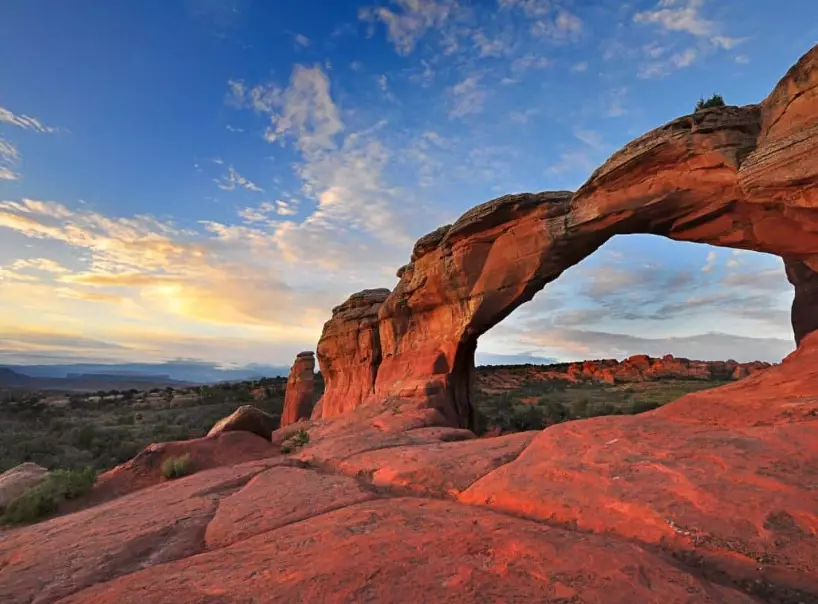
Frequently Asked Questions (The Stuff You're Secretly Searching)
Your Action Plan: Making the Most of Your Free Day
- Confirm the Dates: Go to NPS.gov and get the official list for the year.
- Pick Your Park Strategically: Avoid the hyper-congested icons if you dislike crowds. Choose a larger park or a less famous one.
- Check for Reservations: Does your target park require a timed entry permit? If yes, set a calendar reminder to book it the second it becomes available.
- Plan to Arrive EARLY: I can't stress this enough. Pack breakfast and coffee for the car. Plan to be at the gate before official opening time.
- Pack for Self-Sufficiency: Bring all your food, water, and gas. Concession lines will be long. Have a full tank of gas before you enter.
- Embrace the Spirit: These days are meant to encourage visitation and celebrate shared heritage. Be patient with rangers and other visitors. It's busy for everyone.
The bottom line? National parks free days are a fantastic perk, a gift from the public to itself. But they are not a secret. Treat them like a popular concert or sporting event—plan with military precision, manage your expectations, and have a backup plan. Or, consider investing in an annual pass to reclaim your freedom. Either way, the goal is the same: to get out there and experience the incredible landscapes that belong to all of us.
Now you're equipped with more than just dates. You have a strategy. Go enjoy your parks.