Quick Navigation
- The Bear Basics: Know Who You Might Meet
- Your Pre-Hike Homework: Don't Skip This Part
- The Core Rules: The Non-Negotiables
- Bear Spray: Not Optional Equipment
- The Food Situation: A Bear's Main Interest
- The Moment of Truth: What To Do If You See a Bear
- If Things Escalate: Defensive vs. Predatory Encounters
- Your National Parks Bear Safety Checklist
Let's be real for a second. The thought of running into a bear is probably the number one thing that makes even experienced hikers a little nervous. I get it. I've been there, heart pounding in my ears at the slightest rustle in the bushes. But here's the thing: fearing bears shouldn't stop you from experiencing the incredible wilderness of our national parks. Respecting them? Absolutely. Being smart? One hundred percent. But pure fear? Nah, we can move past that with some solid knowledge.
This guide isn't about scaring you. It's about empowering you. We're going to strip away the myths and Hollywood drama and talk about real, practical national parks bear safety. This is the stuff you need to know before you lace up your boots, the strategies to use on the trail, and the clear-headed actions to take if things get... interesting. Consider this your friendly, slightly weathered trail buddy giving you the straight talk.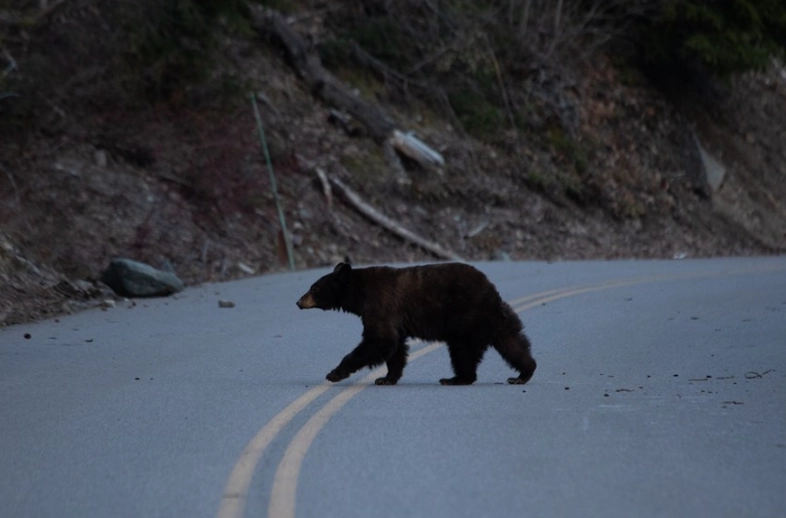
The Bear Basics: Know Who You Might Meet
First off, not all bears are the same. Treating a black bear like a grizzly is a mistake, and vice versa. Your entire bear safety strategy starts with knowing the difference.
I remember my first summer working in Glacier National Park. A veteran ranger told me, "If a black bear charges, you stand your ground. If a grizzly charges, you might play dead. Get it wrong, and you're in for a bad day." That stuck with me. The National Park Service Bear Safety page is my go-to for the official, always-updated rundown on species and regions. It's boring but essential reading.
Why does this matter so much? Because your reaction depends on it. A one-size-fits-all approach to national park bear safety is a good way to make a risky situation worse.
Your Pre-Hike Homework: Don't Skip This Part
Good bear safety starts at home, or at least at the park visitor center. Rolling up to a trailhead without a clue is asking for trouble.
Check for Recent Activity
Always, and I mean always, check the trailhead bulletin boards and talk to a ranger. They'll tell you if there's been recent activity—sightings, carcasses, aggressive behavior. I've turned around from planned hikes more than once because a ranger said, "Yeah, we've got a sow with cubs feeding on berries right along that ridge." No shame in it. It's just smart.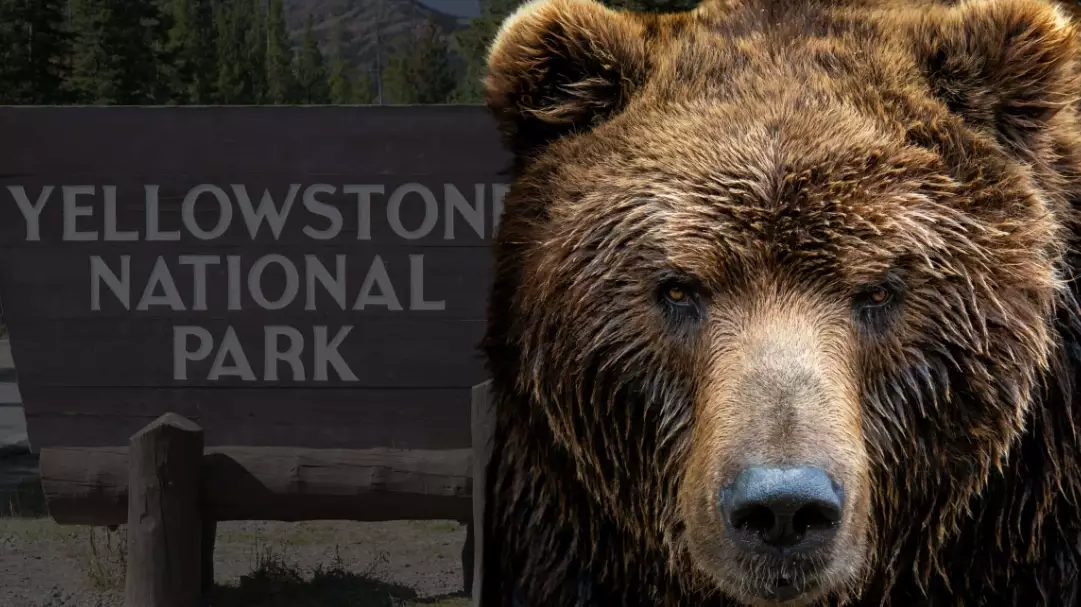
The Art of Making Noise
The goal isn't to surprise a bear. Most negative encounters happen because you startle them. So you need to make noise. But not just any noise.
Clapping and yelling "Hey bear!" works. Talking loudly with your group works even better—it sounds more like human conversation. Bear bells? Honestly, most seasoned folks I know think they're pretty useless. The sound doesn't carry far, and in windy conditions or near streams, they're worthless. A bear's hearing is good, but it's not magic. Relying on a little jingle bell for your national parks bear safety is like bringing a squirt gun to a firefight. Just talk.
The Core Rules: The Non-Negotiables
These aren't suggestions. They're the rules of the road in bear country.
Give them space. Use binoculars or a long lens. If you're changing a bear's behavior—if it stops feeding, looks at you, moves away—you're too close. The Yellowstone National Park bear management site recommends staying at least 100 yards (the length of a football field) from bears. For black bears, 50 yards is the minimum. It's not just for your safety; it's to let the animal live its life without stress.
Hike in groups. This is huge. Statistics consistently show groups of three or more are far less likely to have a serious encounter. More people mean more noise and a larger, more intimidating presence. Solo hiking in dense bear country? You need to be extra vigilant with your noise-making.
Keep kids close and dogs leashed. A running child or dog can trigger a bear's chase instinct. Most national parks require dogs to be leashed at all times, and in bear country, this rule is sacred. Your off-leash dog might run up to a bear and then lead it right back to you. Seen it almost happen. Not pretty.
Bear Spray: Not Optional Equipment
If you remember one thing from this guide, let it be this: carry bear spray and know how to use it. It's more effective than a gun for stopping an attack. Period. The data from places like the Interagency Grizzly Bear Committee backs this up overwhelmingly.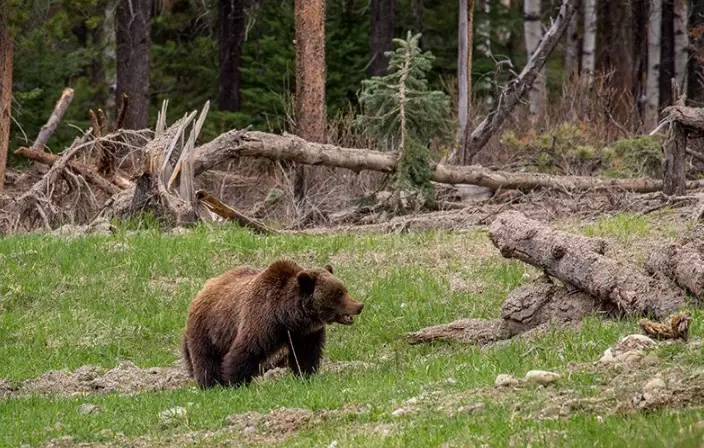
How to Use It (Seriously, Practice)
Don't just buy it and throw it in your bag. Take it out in your backyard (downwind!).
- Remove the safety clip. It's usually a little red or black tab.
- Aim slightly down (the spray comes out in a cloud). You're not trying to hit the bear in the eyes; you're creating a barrier.
- Spray in 2-3 second bursts. A full can gives you about 7 seconds total.
- It has a range of about 25-30 feet. Don't wait until the bear is 5 feet away.
Keep it accessible—on your hip belt or chest strap, not buried. And check the expiration date. The propellant weakens over time.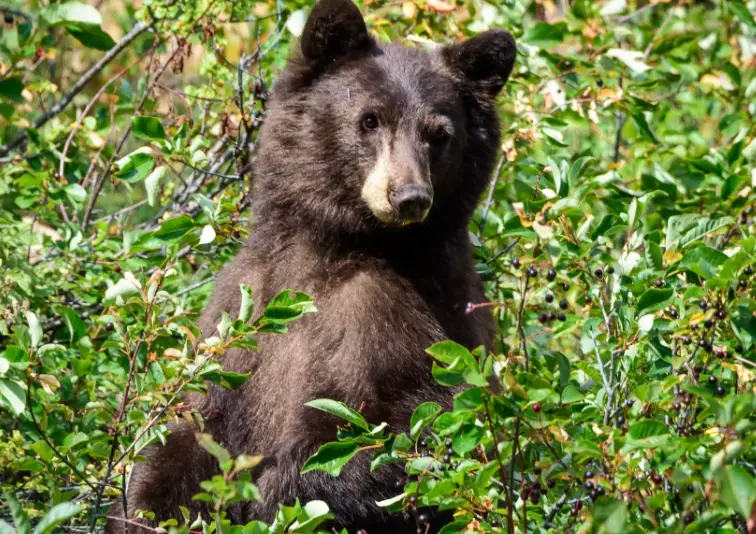
| Feature | What to Look For | Why It Matters |
|---|---|---|
| EPA Rating | Must be registered as bear deterrent (not self-defense pepper spray) | Guarantees proper concentration and spray pattern for bears |
| Size | 7.9 oz or larger (8-10 second spray) | Gives you enough for multiple bursts or a prolonged charge |
| Holster | Buy one with a quick-release holster | Seconds count. Fumbling in a pack is not an option. |
| Expiration Date | Typically 3-4 years from manufacture | Old spray may fail to deploy or have weak range |
The Food Situation: A Bear's Main Interest
Bears have a nose that's astronomically better than a bloodhound's. They can smell food from miles away. Your job is to manage those smells.
On the Trail
No snacks in your pockets. Keep all food, wrappers, toothpaste, sunscreen, and even gum in your bear-resistant food canister (bear can) or Ursack. I'm a fan of hard-sided canisters in heavy grizzly country—they're bulky and annoying, but they work. Hang your pack? The classic bear hang is tough to do perfectly. In many high-traffic areas, hangs are ineffective because bears have learned to defeat them. Canisters are becoming the mandated standard.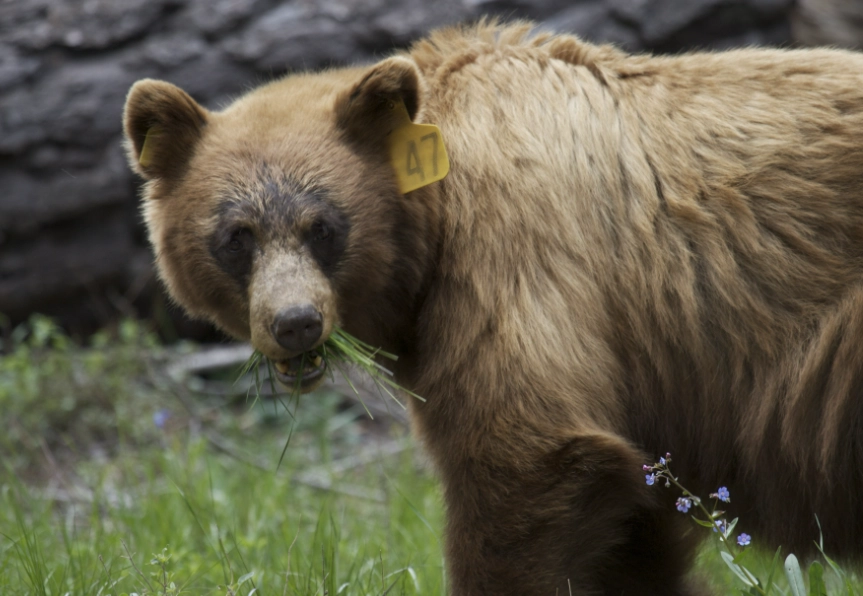
At Camp
This is critical. Your campsite should have three distinct zones:
- The Kitchen: Where you cook, at least 100 yards downwind from your tent.
- The Food Storage: Where you store all smellables (food, toiletries, trash), another 100 yards from your tent and kitchen. Use the provided bear boxes or your canister.
- The Sleeping Area: Your tent. This should be a scent-free zone. No snacks, no lip balm, no clothes you cooked in. I even stash my toothpaste and hand sanitizer with the food.
It sounds like a hassle. It is. But waking up to the sound of a bear nosing around your camp kitchen 100 yards away is a whole lot better than having it rip into your tent because you left a granola bar in your pocket.
The Moment of Truth: What To Do If You See a Bear
Okay. You've done everything right, but there it is. Stay calm. Easier said than done, I know.
If the Bear Is Unaware of You
Quietly back away. Give it a wide berth. Don't run. Don't make sudden movements. Just slowly create distance. This is the best-case scenario and the one you want to engineer.
If the Bear Is Aware of You but Not Advancing
Talk calmly in a low, monotone voice. "Hey bear, easy bear, just passing through." Sound human. Gather your group together (look bigger). Slowly ready your bear spray, but keep it at your side. Back away slowly, diagonally if possible—never turn your back. Avoid direct eye contact, which they can perceive as a challenge.
If Things Escalate: Defensive vs. Predatory Encounters
This is where knowing your bear behavior is critical. Most attacks are defensive. The bear feels threatened (you surprised it, you're near its cubs or food).
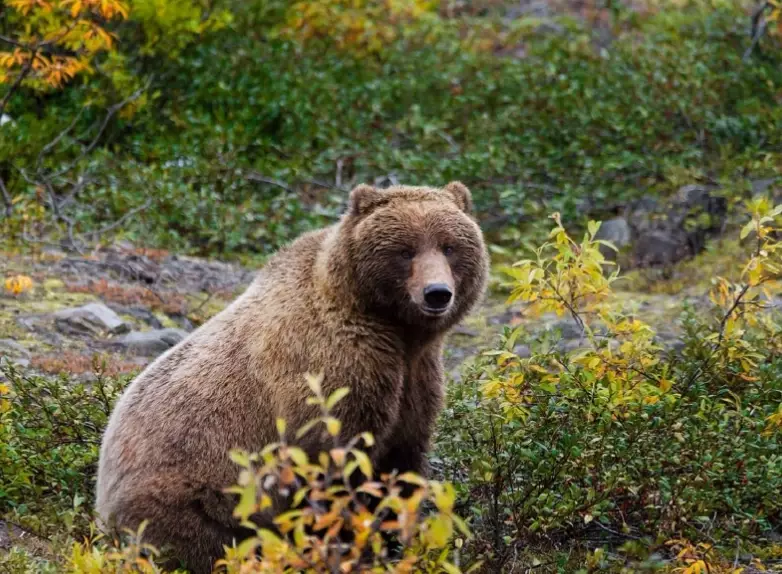
Defensive Charge (Usually Grizzlies)
It might huff, pop its jaws, lower its head, and charge. Often a bluff. Do not run.
- Stand your ground. Use your spray if it comes within range.
- If it makes contact, play dead. Lie flat on your stomach, hands clasped behind your neck, elbows out to protect your face. Spread your legs to make it harder to flip you over. Do not fight back. The bear is trying to neutralize a threat. Once it thinks you're no longer a threat, it will often leave.
- Stay still until you are absolutely sure the bear is gone. They sometimes linger nearby.
Predatory Behavior (More Common with Black Bears)
This is scarier because it's rare. The bear is stalking you, following you with its head up, ears forward. It sees you as food.
- Do not play dead.
- Try to look as big and intimidating as possible. Shout, yell, act aggressively.
- Use your bear spray.
- Fight back with everything you have. Use rocks, sticks, trekking poles, your hands. Aim for the face and muzzle. Convince the bear you're not worth the trouble.
It's a terrifying mental flowchart to have to run through in the moment, which is why practicing the scenarios in your head beforehand is part of good national parks bear safety prep.
Your National Parks Bear Safety Checklist
Print this. Tape it to your gear box.
- Research bear activity in your specific park.
- Rent or buy an EPA-approved bear spray and holster.
- Pack a bear-resistant food canister if required or recommended.
- Plan to hike in a group of 3+.
- Tell someone your plans and return time.
- Make constant noise (talk, call out).
- Carry bear spray accessible on your person.
- Stay alert, especially near streams, berry patches, and blind corners.
- Keep kids and pets physically close and under control.
- Set up distinct cooking, food storage, and sleeping zones.
- Store ALL smellables properly immediately after use.
- Never eat or store food in your tent.
Look, the wilderness is unpredictable. That's part of its magic. Proper national parks bear safety isn't about eliminating every risk—that's impossible. It's about stacking the odds overwhelmingly in your favor through knowledge, preparation, and respect for the animal. It lets you swap out that nervous fear for a confident awareness. So go enjoy those mountains, those forests, those epic views. Just do it with your head on a swivel and your bear spray on your hip. Happy trails.