Let's cut to the chase. A national parks pass is the single best tool for saving serious money on outdoor adventures in the United States. But here's the thing most blogs don't tell you: picking the wrong pass, or using it incorrectly, can leave money on the table or even get you turned away at the gate. I've seen it happen. After a decade of road-tripping and guiding, I've learned the nuances the hard way so you don't have to. This isn't just about the $80 America the Beautiful Pass. It's about understanding the entire ecosystem of passes—senior, military, access, volunteer—and matching the right one to your specific travel plans.
The goal? To make your pass pay for itself, often in a single trip, and unlock over 2,000 federal recreation sites from coast to coast.
Your Pass to This Guide
What is the America the Beautiful Pass?
This is the flagship. The America the Beautiful – The National Parks and Federal Recreational Lands Annual Pass. For $80, it covers entrance, standard amenity, and day-use fees for the pass holder and accompanying passengers in a single, private, non-commercial vehicle. If you're hiking or biking in, it covers the pass holder plus three adults.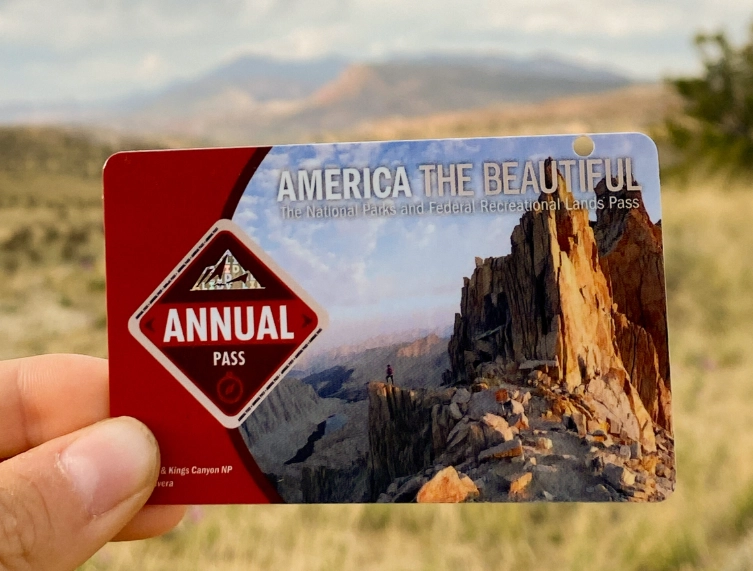
What most people miss is the sheer scope. It's not just for the 63 major National Parks like Yellowstone or Yosemite. It's valid at sites managed by the National Park Service, U.S. Fish & Wildlife Service, U.S. Forest Service, Bureau of Land Management (BLM), Bureau of Reclamation, and the Army Corps of Engineers. That means national monuments, wildlife refuges, national grasslands, and many dam recreation areas.
It's a no-brainer for anyone planning to visit more than two or three major fee areas in a year. But the value multiplies when you explore lesser-known federal sites.
Other Annual Passes: Senior, Access, Military & More
The $80 pass gets the spotlight, but the federal pass program has crucial options for specific groups. Getting the right one can save you even more.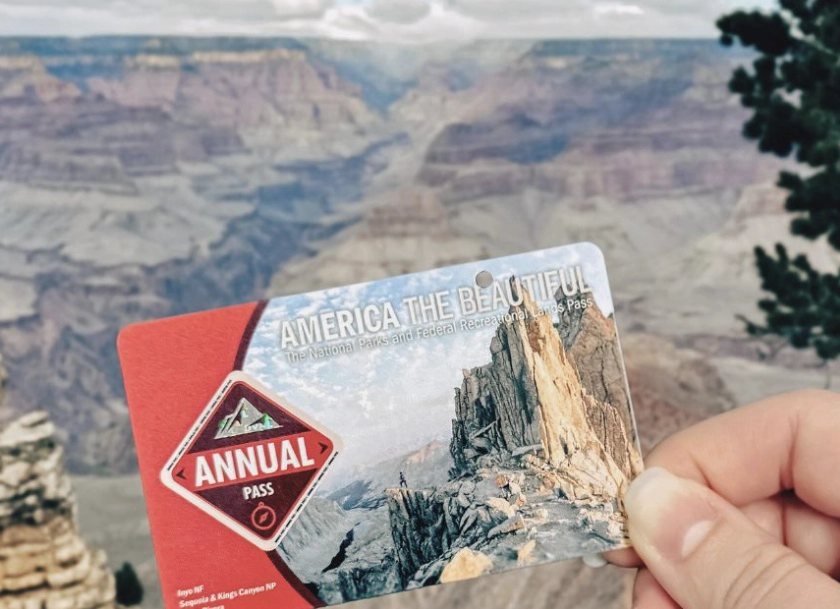
| Pass Name | Cost | Who Qualifies | Key Details & Nuances |
|---|---|---|---|
| America the Beautiful Annual Pass | $80 | Anyone | The standard. Covers vehicle or 4 adults. Best for frequent travelers. |
| Senior Pass | $20 (Lifetime) $80 (Annual) |
U.S. citizens/permanent residents age 62+ | Must provide proof of age & residency. The lifetime pass is an incredible deal. Note: The annual option is for those who don't want the upfront lifetime cost. |
| Access Pass | Free (Lifetime) | U.S. citizens/permanent residents with a permanent disability | Documentation of permanent disability required. Available only in person at a federal site. Provides a 50% discount on some expanded amenities like camping. |
| Military Pass | Free (Annual) | Current U.S. military members, dependents, Gold Star Families, & veterans | Requires CAC card, DoD ID, or Veteran Health Identification Card (VHIC). Must be obtained in person at a federal site. |
| Volunteer Pass | Free (Annual) | Individuals with 250+ volunteer hours on federal lands | Awarded by the participating agency. Great for dedicated volunteers. |
| 4th Grade Pass | Free (Annual) | U.S. 4th graders (including home-school) | Part of the Every Kid Outdoors program. Must obtain via the program's website and print a paper voucher to exchange. |
A common error I see with the Senior and Access passes: people think they can mail in an application. Since 2020, you can only get these by presenting your documentation in person at a federal recreation site that charges an entrance fee. Don't waste time with the mail-in process; go straight to the gate.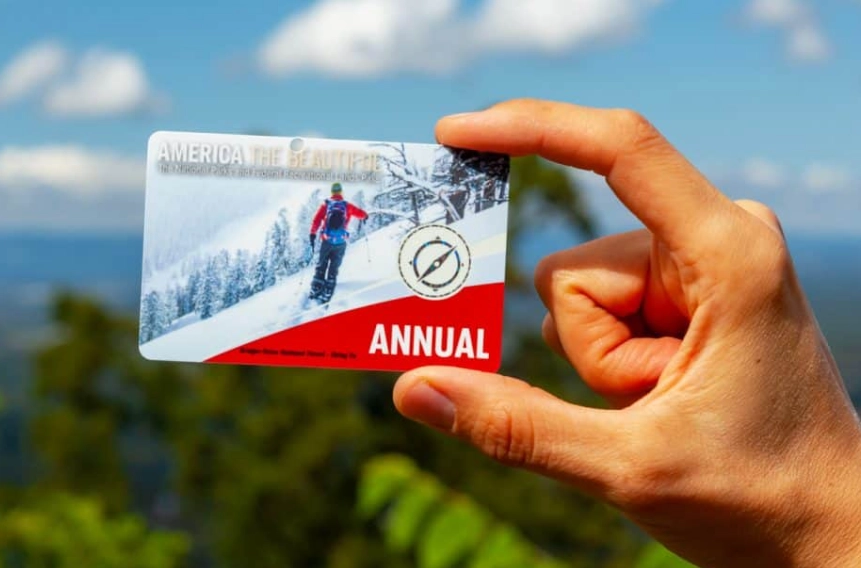
How to Choose the Right National Parks Pass for You
This is where strategy comes in. Don't just buy the $80 pass because it's the most advertised. Ask yourself these questions:
- How many fee-area trips am I planning this year? List them. Check their entrance fees on the official National Park Service website. If the total exceeds $80, the annual pass wins.
- Am I traveling alone or with a family/group? The pass covers a vehicle. If you're a solo traveler meeting friends across the country, the per-vehicle benefit is huge when you're together. If you're always solo and hiking in, the value is less per visit but still adds up.
- Do I qualify for a specialized pass? Check the table above carefully. A 63-year-old U.S. citizen should get the $20 lifetime Senior Pass, not the $80 annual one.
Let's walk through a real scenario.
Scenario: A family of four (two adults, two teens) plans a summer road trip: Rocky Mountain NP ($35), Arches & Canyonlands NPs (combined $55 for the two Utah parks), and a stop at Dinosaur National Monument ($25).
Cost without a pass: $35 + $55 + $25 = $115.
Cost with America the Beautiful Pass: $80.
Savings: $35. The pass pays for itself on this one trip. Any other federal site visit within the pass year is pure bonus.
Where and How to Buy Your Pass
You have options, each with pros and cons.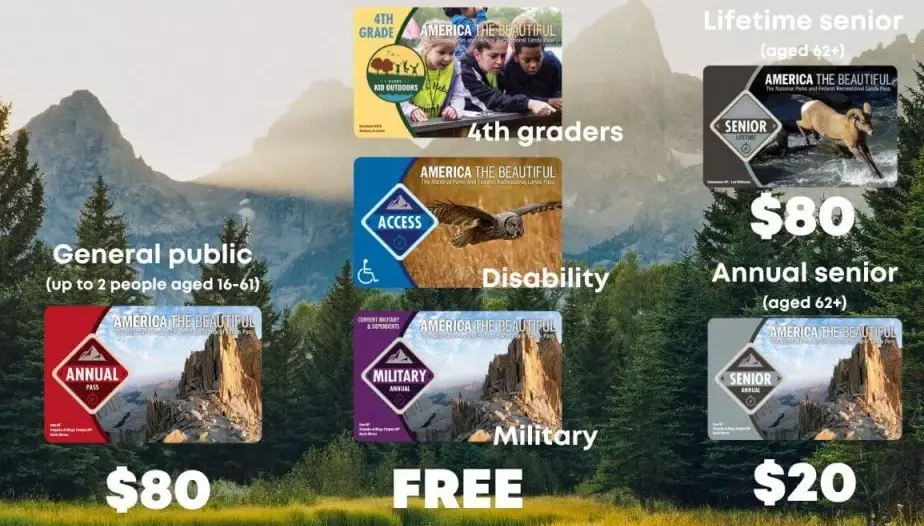
1. Online (Before Your Trip)
The official source is the USGS Online Store. You'll pay the $80 plus about $8 for shipping and handling. You receive a physical pass in the mail in 1-2 weeks. Pro: It's in hand before your trip, avoiding entrance station lines. Con: The shipping fee and wait time. You can also buy from authorized retailers like REI, which sometimes have them in stock for immediate pickup.
2. In Person at a Federal Recreation Site
You can buy the standard $80 pass at any participating federal site that charges an entrance fee. This includes most national park entrance stations, visitor centers, and some forest service offices. Pro: Immediate. Con: You might wait in a long line during peak season. This is the only way to obtain the Senior, Access, and Military passes.
3. By Phone or Mail
Available for the standard $80 pass only. It's slower and involves mailing forms and checks. I rarely recommend this method unless you have no other choice.
My advice? If you know you'll need the standard pass, buy it online a few weeks before your first trip. The peace of mind and time saved is worth the shipping fee.
Using Your Pass: Rules and Common Mistakes to Avoid
You've got the pass. Now, use it right. Here are the pitfalls I've witnessed.
1. The Pass Must Be Signed. It is not valid until the pass holder signs it on the front. This seems obvious, but rangers check. No signature, no entry.
2. It Covers the Pass Holder + Vehicle (or +3 Adults). For vehicle entry, everyone in your car is covered. For walk-up entry, it's the pass holder plus three other adults (children under 16 are typically free anyway). A fifth adult would need to pay.
3. It Does NOT Cover Everything. This is critical. The pass covers standard entrance and day-use fees. It generally does not cover:
- Camping fees (though Senior/Access passes get 50% off)
- Tour fees (e.g., cave tours at Mammoth Cave)
- Parking fees for concession-run lots (common in cities like San Francisco for the Golden Gate NRA)
- Ferry fees to islands (e.g., to Ellis Island or the Statue of Liberty)
- Special use permit fees
Always check the specific park's "Fees & Passes" page.
4. It's Valid at Participating Sites, Not All. While it covers over 2,000 sites, a few don't participate or only offer a discount. A notable one is the US Forest Service run Mount St. Helens National Volcanic Monument, which only gives a 50% discount with the pass. Always verify.
5. Passes Are Non-Transferable. You cannot lend your signed pass to a friend for their separate trip. If the pass has two signature lines (for a co-holder like a spouse), only those two individuals can use it, and they must be present.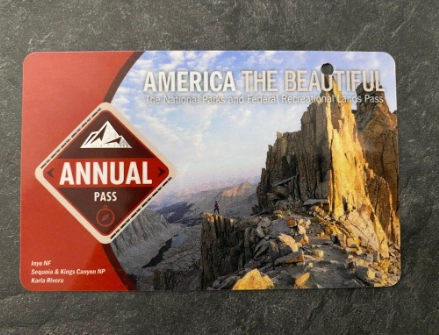
Your National Parks Pass Questions Answered
The right pass transforms your approach to exploring public lands. It shifts your mindset from "Is this visit worth the fee?" to "Where should we explore next?" It pays for itself with surprising ease, and the real value is the freedom it grants you to discover not just the famous parks, but the hidden gems managed by the Forest Service and BLM that often have no one else in sight.
Do the math for your plans, check your eligibility, and get the right pass. Then go use it. A lot.