Quick Navigation
- What Makes a Park "Top Rated" Anyway?
- The Heavy Hitters: America's Most Celebrated Parks
- The Underrated Contenders (That Deserve Your Attention)
- Planning Your Visit: It's All in the Details
- Comparing the Top Tier: A Quick-Reference Table
- Answering Your Burning Questions (The Real Stuff)
- Beyond the Checklist: Finding Your Own Top Rated Experience
Let's be honest. When you search for "top rated national parks," you're not just looking for another boring list. You want the real story. What's it actually like to be there? Which ones are worth the long drive or the expensive flight? I've been asking myself these questions for years, ever since my first trip to Yellowstone ended up being mostly about sitting in traffic behind RVs.
That trip taught me a lesson. The most popular parks, the ones that always top the lists, they come with crowds. But does that mean you should skip them? Absolutely not. It just means you need a better plan. This guide is that plan. We're going beyond the ratings to talk about what makes these places truly special, and how you can experience them without the headache.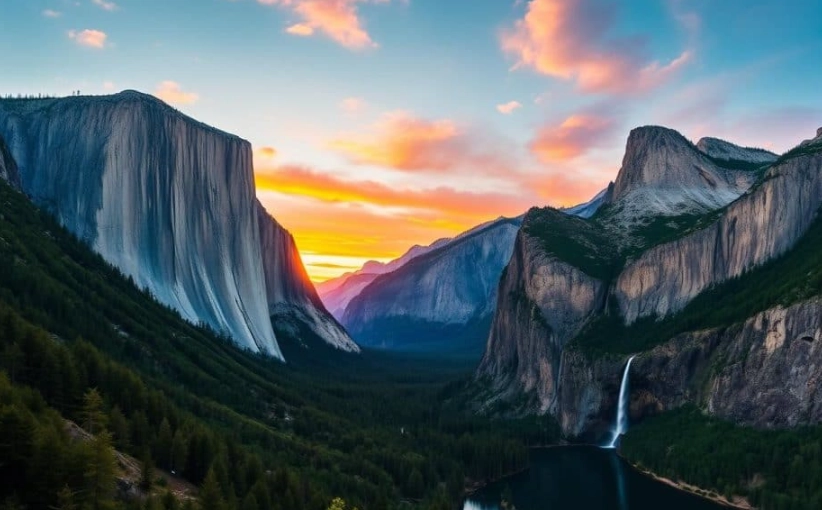
What Makes a Park "Top Rated" Anyway?
Before we dive in, let's clear something up. Rating a park is subjective. For some, it's about jaw-dropping scenery you can see from your car. For others, it's about challenging backcountry trails where you won't see another soul for days. The National Park Service (NPS) doesn't give out official star ratings. So these "top rated" lists are a mashup of visitor surveys, expert opinions, and pure popularity.
I think a top rated national park needs to check a few boxes. First, it has to have that "wow" factor—something unique you can't find anywhere else on Earth. Second, it needs to be accessible enough for most people to enjoy a piece of it (even if just the main overlook). And third, it has to be managed well. Clean facilities, helpful rangers, and a sense that the place is being protected for the future.
Some parks are legends for a reason. They've earned their spot. Others are hidden gems that only appear on savvy travelers' radars. We'll cover both.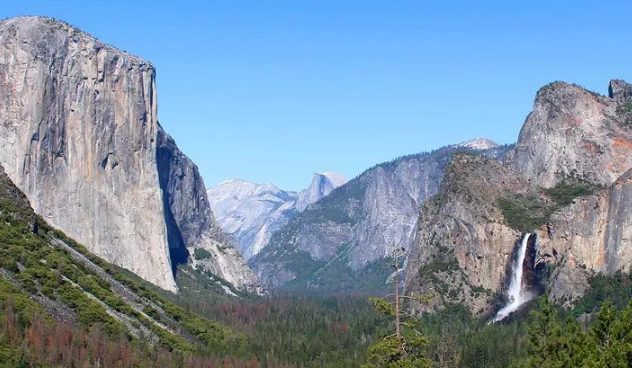
The Heavy Hitters: America's Most Celebrated Parks
These are the names you know. They're on postcards, in documentaries, and for many international visitors, they are America's landscape. Visiting them is a rite of passage. But with great fame comes great crowds. Let's break them down.
Yellowstone National Park
The world's first national park. It's almost a cliché to call it a top rated national park, but clichés exist because they're true. Nowhere else has the concentration of geothermal wonders—geysers, hot springs, mud pots. Old Faithful is cool, but honestly, it's a bit of a letdown after waiting 90 minutes in a crowd. The real magic is in places like the Grand Prismatic Spring. The colors are unreal. From the ground, it's impressive. But if you hike up the Fairy Falls trail to the overlook? That's when your jaw drops.
Yosemite National Park
Yosemite Valley is both its greatest asset and its biggest problem. The view of El Capitan and Half Dome from Tunnel View is arguably the most famous vista in the country. It's also where everyone and their uncle is trying to take the same photo. The valley floor in summer can feel like a outdoor mall. It's stressful.
But here's the secret: Yosemite is huge. The valley is less than 1% of the park. Drive up to Tuolumne Meadows (once Tioga Road opens, usually late May/June). The air is cooler, the crowds thin out, and the granite landscapes are just as dramatic. For a truly top rated national park experience, you have to escape the core. Even a short hike up the Mist Trail past the bridge takes you away from 80% of the people.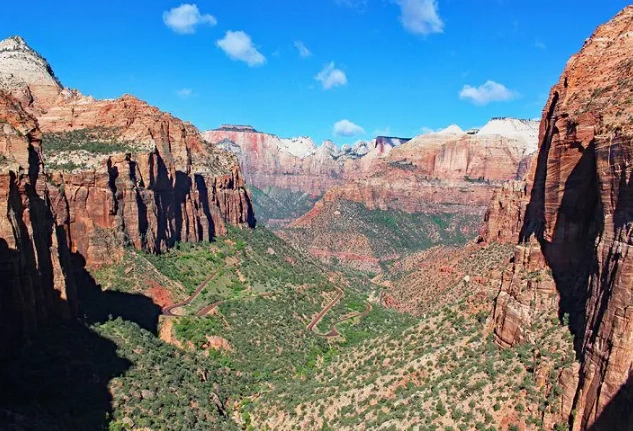
Grand Canyon National Park
Pictures do not prepare you. The scale is incomprehensible until you're standing on the edge. Most visitors go to the South Rim, stare for an hour, buy a t-shirt, and leave. That's a shame. To rate this park highly, you need to engage with it. Walk even a mile down the Bright Angel Trail. The perspective changes completely. You stop seeing a flat painting and start seeing a world of layers, shadows, and depth.
The North Rim is quieter, higher, and feels more remote. It's open seasonally and gets a fraction of the visitors. If you hate crowds, this is the move.
The Underrated Contenders (That Deserve Your Attention)
Now for the fun part. These parks often fly under the radar but consistently deliver mind-blowing experiences that make seasoned travelers rank them among the very best. They're where you go to find solitude and scenery that feels undiscovered.
North Cascades National Park
Called the "American Alps," and for good reason. Jagged, snow-capped peaks, over 300 glaciers, and emerald-green lakes. The crazy part? It's one of the least-visited national parks. Why? It lacks one single, iconic, easy-to-reach landmark. Its beauty is in the vast, rugged wilderness. The main highway (SR 20) cuts through it, offering stunning drives, but to really experience it, you need to hike.
I spent three days backpacking there once and saw more mountain goats than people. The trail to Cascade Pass is a classic, offering views that rival anything in the Rockies. If you're looking for a top rated national park experience without the Disneyland feel, this is it.
Great Sand Dunes National Park
This place is just weird in the best way possible. Imagine the tallest sand dunes in North America piled up against the rugged Sangre de Cristo Mountains. You can hike them, sandboard down them, and at certain times of year, even splash in a seasonal creek that flows at their base. It feels like another planet.
It's not just a pile of sand. The diversity is shocking. One minute you're in a desert, the next you're in a pine forest, and the next you're in alpine tundra. It's a relatively small park, so it's easy to experience fully in a day or two. A perfect pick for a unique, family-friendly adventure that's not on everyone's list (yet).
Planning Your Visit: It's All in the Details
Loving a park and having a good trip are two different things. A bit of planning turns a stressful slog into a smooth adventure. This is where most generic lists fail you.
Timing is Everything
Visiting a top rated national park in peak season (July-August) is like going to a popular concert. You get the show, but you also get the lines, the high prices, and the packed spaces. Shoulder seasons are king. Think late May/early June or September/October. The weather is often still great, crowds are lower, and wildlife is more active.
Zion in October? Gorgeous. Acadia in late September? The foliage is insane. Even Yellowstone in September is transformed—the crowds are gone, the elk are bugling, and the geyser steam hangs thick in the crisp air.
Winter is a whole other world in many parks.
Yosemite Valley under snow is magical and quiet. Yellowstone's geothermal features steam dramatically against the white backdrop. Just be prepared for road closures and limited services.
Where to Stay: Inside vs. Outside
This is a major decision. Staying inside the park (at a lodge, campground, or historic hotel) lets you experience the park in the early morning and late evening light, when it's most beautiful and the day-trippers have left. The catch? It's expensive and books up a year in advance for popular parks.
Staying in a gateway town is more flexible and often has more dining options. But you'll waste time driving in and out each day, especially during peak traffic hours. My rule of thumb: if you can swing it, stay inside the park for at least one night. Waking up there is worth the hassle and cost.
Comparing the Top Tier: A Quick-Reference Table
Okay, let's get practical. Here’s a side-by-side look at some of these top rated national parks to help you match a park to your travel style. This isn't about ranking one over another, but about seeing their personalities.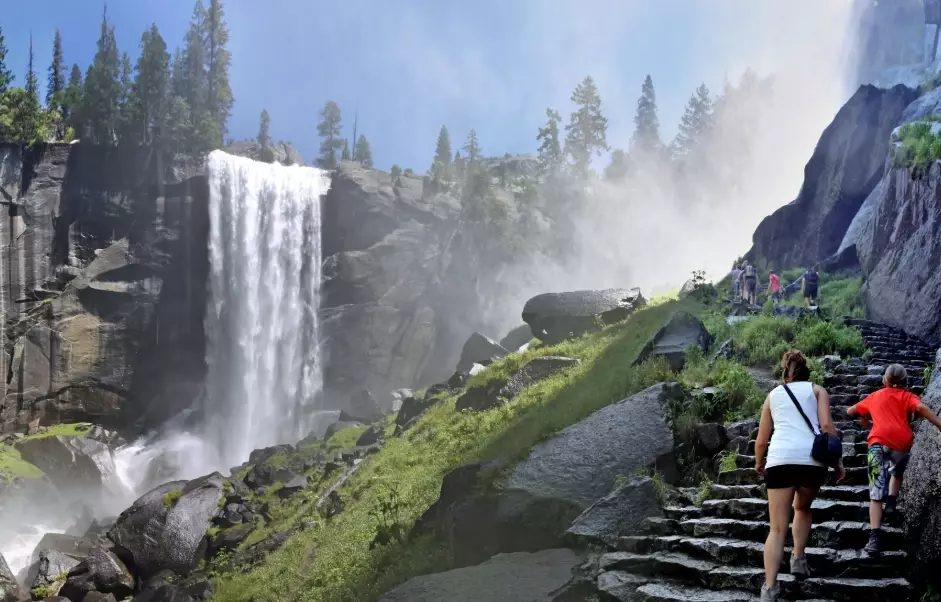
| Park | Best For | Not-So-Great For | Can't-Miss Feature | Best Time to Avoid Crowds |
|---|---|---|---|---|
| Yellowstone | Geothermal wonders, wildlife viewing, family road trips | Solitude, quick visits (it's massive) | Grand Prismatic Spring (view from the overlook) | September, early June |
| Yosemite | Iconic granite vistas, big wall climbing, waterfall season | Peace & quiet in the Valley, summer visits | Tunnel View at sunrise, hiking in Tuolumne Meadows | Weekdays in May, October |
| Grand Canyon | Mind-bending scale, historic lodges, desert hikes | People with a fear of heights, intense summer heat | Hiking a mile down Bright Angel Trail for perspective | North Rim (seasonal), South Rim in winter |
| Zion | Spectacular canyon hikes, scenic drives, rock formations | Avoiding shuttle buses, peak season crowds | Angels Landing (permit required) or The Narrows | November, February |
| Great Smoky Mountains | Accessibility, biodiversity, fall colors, history | Wilderness solitude (it's the most visited) | Clingmans Dome at sunrise, Roaring Fork Motor Trail | Weekdays, late winter |
| North Cascades | Alpine scenery, backpacking, glacier views, solitude | Iconic, easy-access photo ops, limited services | Driving Highway 20, hiking to Cascade Pass | July-October (short season) |
Answering Your Burning Questions (The Real Stuff)
You've got questions. I've made the mistakes so you don't have to. Here's the real talk you won't find on the official brochures.
Beyond the Checklist: Finding Your Own Top Rated Experience
Here's my final thought. Chasing the "top rated national parks" list can become a trophy hunt. I've been guilty of it. Ticking boxes, snapping the same photo as everyone else, and moving on. But the best moments never come from the checklist.
They come from the unplanned stuff. The bison jam in Yellowstone that forces you to stop and just watch. The sudden afternoon thunderstorm in the Grand Canyon that paints the rocks in impossible colors. The quiet moment on a less-traveled trail in Acadia when you realize you're completely alone with the sound of the ocean.
So use this guide. Pick a park that speaks to you—whether it's the geothermal drama of Yellowstone or the silent dunes of Great Sand Dunes. Plan enough to be comfortable, but leave room for spontaneity. Talk to a park ranger. They'll always point you to something cool that's not in the guidebook.
The parks are there to be experienced, not just visited. Whether you're gazing at a top rated national park's most famous view or discovering a hidden corner all your own, that's when the magic happens. Now go out and find it.