Winter climbing isn't just summer climbing with more clothes on. It's a different beast entirely. The rock is replaced by ice or a brittle mix of rock and frost. The air bites. The days are short. And honestly, it's absolutely brilliant. If you're tired of the indoor wall and want to trade grippy plastic for the surreal beauty of frozen waterfalls and snow-plastered alpine ridges, you're in the right place. This isn't a list of vague suggestions—it's a practical guide to where you should go, when, and exactly what you need to know to pull it off. We're covering everything from roadside ice in Canada to committing mixed climbs in Scotland, based on two decades of shivering on sharp ends.
Your Winter Climbing Quick Guide
The Top Winter Climbing Spots Broken Down
Forget just names on a map. Let's talk specifics—what you'll actually climb, the vibe, and the crucial details most blogs gloss over.
1. The Canadian Ice Mecca: Banff & Canmore, Alberta
This is the global epicenter for pure waterfall ice climbing. Drive down the Icefields Parkway (Highway 93) and you'll pass hundreds of documented climbs. The concentration is insane.
What you're climbing: Long, sustained pillars and curtains of blue ice. Classics like The Professor Falls (WI4+) and Weeping Wall (WI5) are rites of passage. The climbing is physical, steep, and incredibly rewarding. For mixed climbers, there's also fantastic terrain like the Shadows area near Lake Louise.
The crucial beta everyone misses: Everyone obsesses over temperature, but wind is the real game-changer here. A -5°C day with a 40km/h wind off the glaciers feels and performs like -20°C. Check the Environment Canada forecast for the specific alpine area, not just Banff town. Also, the sun hits different walls at wildly different times. A climb in the shade at 10 AM can be a dripping horror show by 2 PM. Local guidebooks have sun diagrams—use them.
Logistics: Fly into Calgary (YYC). Canmore is generally cheaper and more climber-centric for lodging than Banff. You need a Parks Canada pass for your vehicle. Guide services like Yamnuska Mountain Adventures are top-tier if you're new to the area or want to push your grade safely.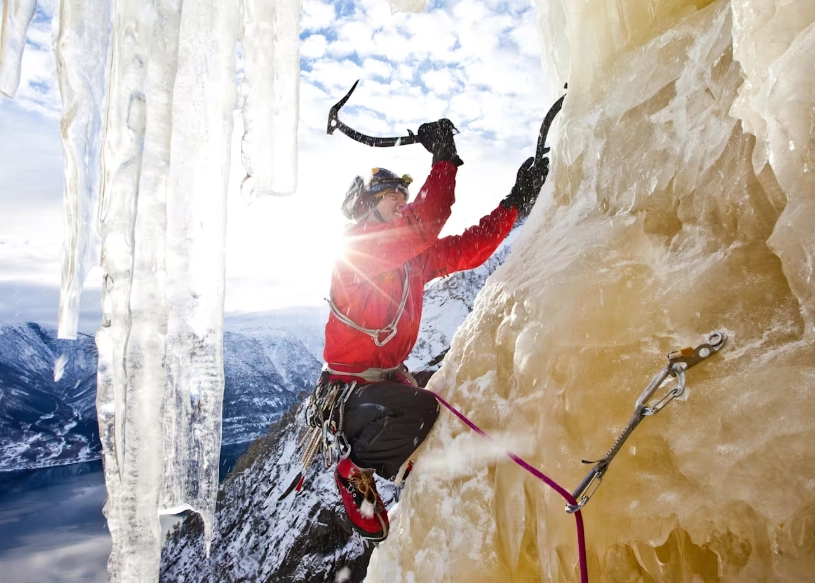
2. The Mixed Climbing Laboratory: Scottish Highlands
Scotland doesn't have big waterfalls. What it has is some of the most complex, technical, and historically significant winter mountaineering and mixed climbing on the planet. This is where tools and crampons meet rock, moss, and turf.
What you're climbing: Mixed routes. Think Ben Nevis with its epic gullies and ridges like Tower Ridge (Grade III/IV). Or the Northern Corries of the Cairngorms, packed with shorter, harder technical testpieces. The conditions are everything—you need "in" conditions where the turf is frozen solid and the rock is iced up. When it's good, it's magical. When it's not, it's a wet, dangerous slog.
The local secret: Newcomers fixate on the grade of the climb (like V,5 or IV,6). Experienced hands look at the approach and descent grade first. A technically "moderate" route with a Grade II approach in full winter conditions across avalanche-prone terrain is a far bigger day out than a hard technical climb with a 20-minute walk-in. The Scottish Mountaineering Club guides are bible.
Logistics: Base in Fort William for Ben Nevis, or Aviemore for the Cairngorms. You'll rely on the Mountain Weather Information Service and Scottish Avalanche Information Service forecasts religiously. Hiring a guide from a company like Glenmore Lodge is highly recommended to learn the unique skills and judgment needed.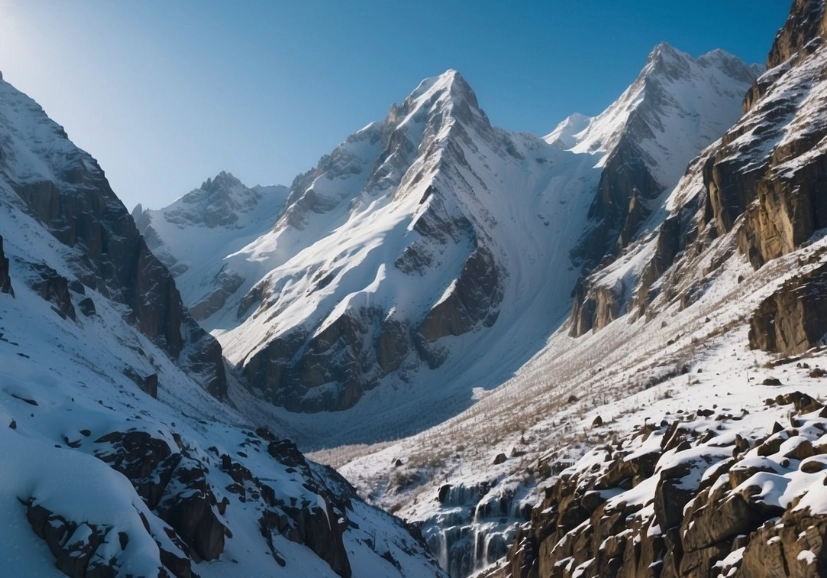
3. The Alpine Arena: Chamonix-Mont-Blanc, France
Winter in Chamonix is for alpinists. The scale is breathtaking, and the commitment level is high. This is about climbing frozen couloirs, tackling mixed ridges, and moving fast in a serious mountain environment.
What you're climbing: Alpine classics in their most demanding form. The Cosmiques Arête on the Aiguille du Midi is a famous intro. The Contamine-Mazeaud on the Mont Blanc du Tacul is a steeper mixed testpiece. This isn't cragging—it involves glacier travel, often predawn starts, and constant assessment of objective hazards like serac fall and avalanche risk.
The reality check: Chamonix in winter is brutally cold at altitude. The lift systems run but on reduced schedules, and storms can shut everything down for days. Your success is 70% weather window, 20% fitness, 10% technique. Having a flexible schedule is non-negotiable. And you must be proficient with avalanche transceiver, probe, and shovel—not just own them.
Logistics: Stay in Chamonix town. You need a valid passport for the lifts (they check). The Compagnie des Guides de Chamonix is the historic and authoritative guiding service. Book mountain huts (like the Cosmiques) well in advance, even in winter.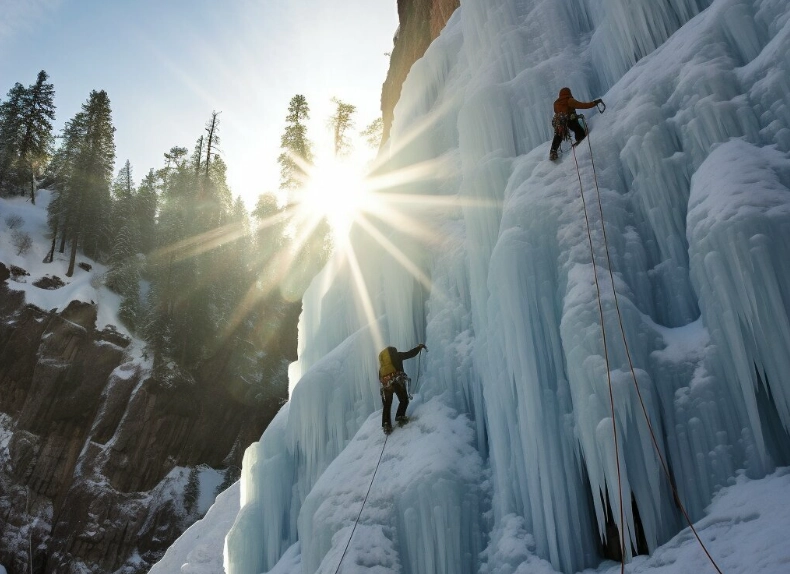
Quick Comparison: Still deciding? Here’s the vibe of each major zone at a glance.
| Destination | Best For | Season Window | Typical Climb Style | Commitment Level |
|---|---|---|---|---|
| Canadian Rockies | Pure waterfall ice, predictable ice forms | Dec - Mar | Single to multi-pitch icefalls | Moderate (roadside to 1hr approach) |
| Scottish Highlands | Technical mixed climbing, mountaineering | Jan - Mar (condition-dependent) | Gullies, ridges, mixed faces | High (long approaches, complex weather) |
| Chamonix, Alps | High-altitude alpine & mixed routes | Dec - Apr | Alpine ridges, couloirs, serac ice | Very High (glacier travel, avy terrain) |
| Ouray, USA | Ice park climbing, skill development | Jan - Feb (park season) | Bolted ice & mixed in a gorge | Low (park setting, walk-in) |
| Rjukan, Norway | Reliable ice, steep & long routes | Nov - Mar (in the shade) | Long ice cascades in a deep gorge | Moderate |
How to Choose Your Winter Climbing Destination
Picking a spot isn't about what's "best"—it's about what's best for you right now.
Ask yourself these questions:
- What's your actual skill level? Be brutally honest. Leading WI3 confidently is different from following WI4. If you're new, a place with an ice park (like Ouray, Colorado) or easy-access top-roping areas is a smarter investment than jumping straight into the Canadian backcountry.
- What's your tolerance for uncertainty? Scotland's conditions are fickle. You might get skunked. The Alps can be storm-bound. The Canadian Rockies and Norway's Rjukan offer more predictable ice formation, but can be bitterly cold.
- What's your budget? Chamonix and Banff are expensive. Travel, lodging, food, guides, park passes—it adds up. Scotland can be done more cheaply if you're self-sufficient and camping/hostelling.
- Are you going with a guide? If yes, your options explode. A guide can safely take you into terrain you'd never manage alone. Factor guide costs (€400-600/day) into your planning from the start.
My advice? Start with a focused ice climbing trip to a reliable area like the Rockies or Rjukan to build core skills. Then, maybe try Scotland with a guide to learn mixed. Save the high Alps for when you have a solid partnership and significant alpine experience.
Essential Gear for Winter Climbing Success
You can't just layer up your summer kit. Winter demands specialized equipment. Here’s the non-negotiable list, plus one item most people get wrong.
The Big Three: Boots: Fully insulated, single or double boots (e.g., La Sportiva G5, Scarpa Phantom Tech). Your summer rock shoes are useless. Cold feet are a show-stopper. Tools: Proper ice climbing axes, not alpine axes. Leashless is standard now for most technical ice and mixed. Petzl Nomic, Black Diamond Fuels—something with a pronounced curve. Crampons: Vertical front points (mono or dual) that are sharp. Dull crampons are a major cause of slips. Check the fit with your boots before the trip.
The Clothing System (Layering is Law): - Base Layer: Merino wool or synthetic. No cotton, ever. - Mid Layer: Fleece or lightweight synthetic puffy for active insulation. - Shell Layer: A waterproof, breathable, and hooded hard shell jacket and pants. Pit zips are a lifesaver. - Belay Parka: A big, warm, down or synthetic puffy you throw on the second you stop moving. This is critical. - Gloves: A system: thin liners for dexterity, thick insulated gloves for climbing/belaying, and over-mitts for belays or brutal cold.
The Item Everyone Skimps On: Socks. Don't wear two pairs of thick socks—it cuts circulation and makes your feet colder. One good pair of medium-weight merino wool socks is perfect. Bring multiple pairs to always have a dry set.
Planning and Logistics: Beyond the Climb
Failing to plan is planning for a miserable, expensive time.
Accommodation: Book early, especially near national parks or during festivals (like the Ouray Ice Festival). Climbers' hostels and Airbnb often have gear-drying rooms—a key feature to look for.
Transport: You'll need a car in most places. A 4x4 or AWD with winter tires is often mandatory, not a suggestion. Chains might be required in the Alps or Rockies.
Food & Water: You burn calories like crazy. Pack high-energy snacks (nuts, chocolate, jerky). Use insulated bottles or thermos flasks—hydration bladders freeze solid. A small stove for a hot brew at the belay is a luxury that feels essential.
Guidebooks & Apps: Get the current local guidebook. Digital apps like FATMAP or The Mountain Project are useful supplements, but paper doesn't run out of batteries in the cold.
Winter Climbing Safety and Reading Conditions
Winter introduces a new set of objective hazards. Managing them is your primary job.
Avalanches: This is the biggest killer. You must know how to read avalanche forecasts (like from Avalanche Canada or the EAWS in Europe), understand terrain traps (gullies, bowls), and carry and know how to use beacon, probe, and shovel. Taking an Avalanche Skills Training (AST) 1 course is the bare minimum for any backcountry winter travel.
Hypothermia & Frostbite: They creep up. Watch your partner for slurred speech, clumsiness, or apathy. Check each other's faces for white, waxy patches (frostnip). Keep moving, eat often, and don't hesitate to add that belay parka.
Cornices & Falling Ice: Be wary of overhanging snow cornices on ridges. Give suspected icefalls a wide berth on the approach. The sound of ice falling is a warning to move quickly or rethink.
The best safety tool is a conservative mindset. Turning around is always a valid, and often wise, decision. The mountain will be there another day.
Your Winter Climbing Questions Answered
Is winter climbing in Scotland only for mixed climbing experts?
Not at all. While Scotland is famous for hard technical mixed, there's a huge range of winter mountaineering at lower grades. Routes like the Aonach Eagach ridge (Grade II) or many of the classic gullies on Ben Nevis (Grade I-III) are primarily about snow and ice climbing with some simple mixed moves. The key is having solid movement on snow and ice in your crampons, good ropework, and the judgment to assess conditions. Going with a guide is an excellent way to access this terrain safely and learn the skills.
What's the biggest mistake beginners make with winter climbing gear?
They overdress for the climb itself. You generate a massive amount of heat while swinging tools and kicking steps. If you start the climb in your belay parka and heavy gloves, you'll be soaked in sweat within ten minutes. That moisture then freezes when you stop, leading to rapid heat loss. The trick is to start cold—just your base layer and shell, maybe a light mid-layer. You should feel slightly chilly at the base. You'll warm up fast. Your heavy gloves and huge puffy are for when you're stationary, belaying or rigging anchors.
How do I know if the ice is thick enough to climb safely?
There's no absolute rule, which is why local knowledge is gold. General signs of good ice: it's blue or greenish and looks dense, not white and bubbly (aerated, weaker). A solid *thunk* with your tool is better than a hollow *crunch*. For anchor building, you generally want ice thicker than your forearm. The biggest red flag is water visibly flowing behind or over the ice—this means it's actively forming, unstable, and could delaminate. When in doubt, find a different route or walk away. Many popular areas have online condition reports from local guiding companies or climbing shops—check them.
Can I rent technical ice climbing gear at these destinations?
Yes, in most major hubs. Towns like Canmore, Chamonix, Fort William, and Ouray have dedicated gear shops that rent boots, crampons, axes, and helmets. However, I strongly advise against renting everything unless it's a last-minute decision. Ill-fitting boots are torture. Unfamiliar tools can feel awkward. If you're serious about the trip, buy or borrow your core personal gear (boots, harness, helmet) well in advance and practice with it. You can rent the more specialized items (specific tools, avalanche kit) locally. Always call the rental shop ahead to confirm availability, especially during peak season.
So there you have it. The world of winter climbing is vast, challenging, and unbelievably rewarding. It demands more—more preparation, more gear, more respect for the environment. But the payoff is a sense of adventure and landscapes so starkly beautiful they'll stick in your memory long after your toes have thawed out. Pick your objective wisely, prepare meticulously, and go experience the silence and focus that only a frozen climb can offer.