You've seen the signs at every trailhead. You know the mantra. But let's be honest—most of us think Leave No Trace begins and ends with carrying our trash out. I did too, for years. Then I spent a season working as a backcountry ranger in the Rockies. I saw the orange peels "thoughtfully" tossed into the bushes, the social trails cutting across fragile meadows, and the fire rings built right next to alpine lakes. That's when it clicked. Leave No Trace isn't just a rule; it's a mindset, a complete ethic for moving through wild places so they stay wild for the person behind you.
This guide isn't a lecture. It's the stuff I wish someone had told me before my first big backpacking trip. We'll move past the basics and into the nitty-gritty that actually preserves national parks.
What You'll Find in This Guide
- Principle 1: The Foundation Everyone Skips (Plan Ahead)
- Principle 2: Where You Walk and Sleep Matters
- Principle 3: The Unsexy Truth About Waste
- Principle 4: Why You Shouldn't Build That Cairn
- Principle 5: Campfires Aren't Always a Good Idea
- Principle 6: Wildlife Encounters Gone Wrong
- Principle 7: The Human Factor
- Your Leave No Trace Questions, Answered
Principle 1: Plan Ahead and Prepare
This sounds bureaucratic. It's not. It's the most powerful principle. Poor planning leads to rushed decisions, which lead to LNT failures.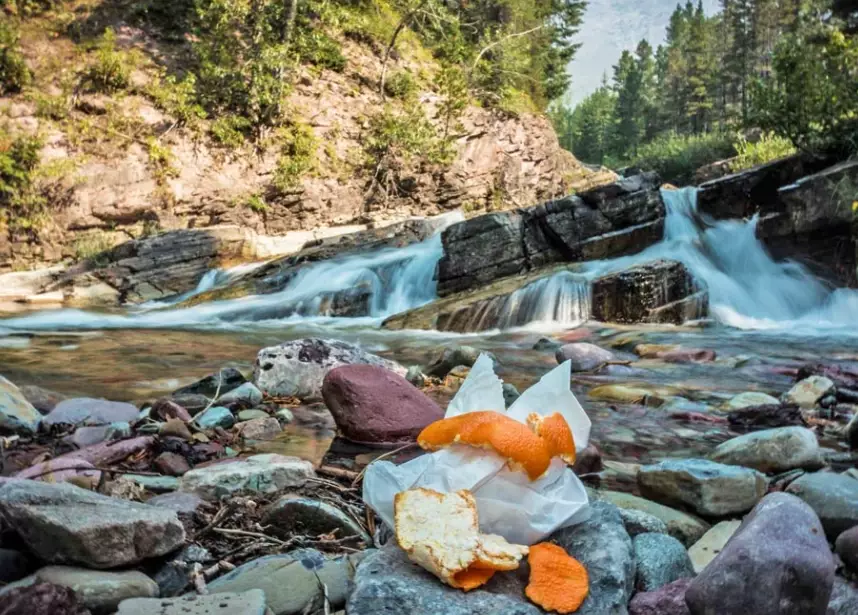
The Permit Puzzle
Getting a backcountry permit isn't just red tape. It's a direct tool for limiting impact. Parks like Yosemite, Zion, and Rocky Mountain National Park use them to disperse use. Know the system. Apply early. Have backup dates. The National Park Service website for your destination is the only source of truth here.
Weather and Terrain
Checking the forecast isn't just for comfort. Hiking off-trail to avoid mud or snow is a major cause of erosion and new trail creation. If you know a storm is coming, you're less likely to make a bad call that damages the landscape.
Pro Tip: Your gear list is part of planning. Bringing the right stove means you won't be tempted to make an illegal fire. Packing a trowel and wag bags means you'll handle human waste correctly. Preparation happens at home.
Principle 2: Travel and Camp on Durable Surfaces
Durable means it can handle foot traffic without lasting damage.
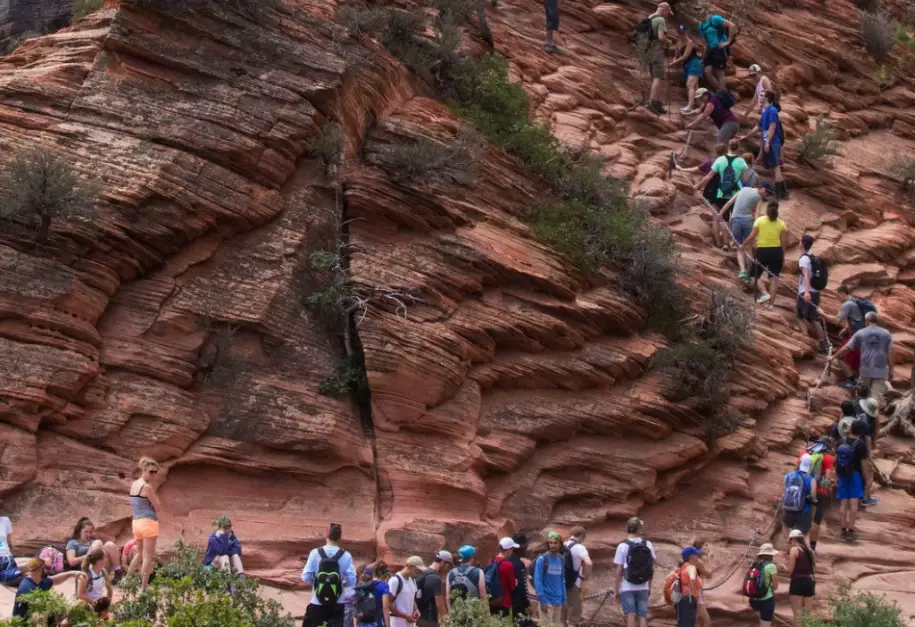
On the trail: This is simple. Stay on the darn trail. Every shortcut, every puddle-avoiding sidestep, kills vegetation and starts erosion. In popular parks, a single social trail can widen into a scar visible for decades.
Finding a campsite: This is trickier. In established campgrounds, use the designated site. In the backcountry, the rule is different. You want to find a spot that shows no previous use if possible—on rock, sand, dry grass, or snow. If you must use an existing site, don't make it bigger. The goal is to concentrate impact, not spread it.
In desert parks (think Arches or Canyonlands), the cryptobiotic soil is the ultimate non-durable surface. That black, crusty stuff is alive—a community of organisms that prevents erosion. One footstep can destroy decades of growth. Stay on rock or in washes.
Principle 3: Dispose of Waste Properly
If there's one principle people mess up, it's this one. It's more than just trash.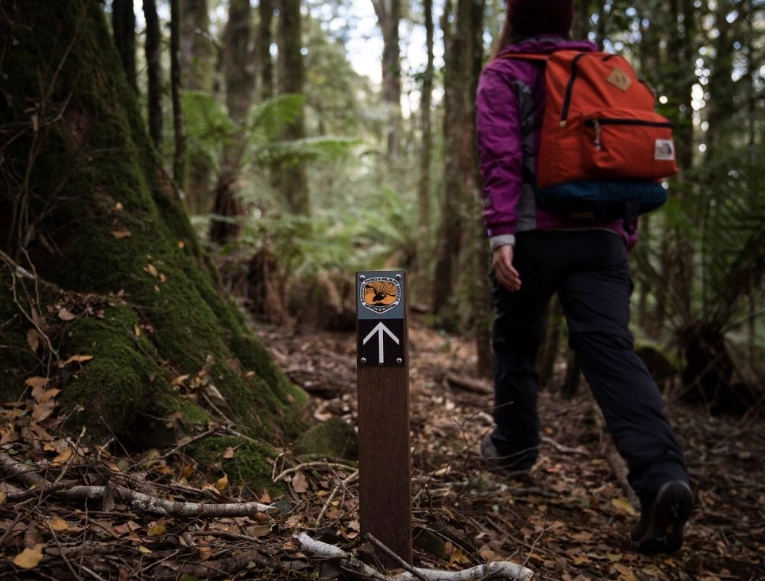
Human Waste: The Cat Hole
This is the real test. You need a small trowel. Find a spot at least 200 feet (about 70 adult paces) from water, trails, and camp. Dig a hole 6-8 inches deep in organic soil. That's the depth where decomposition happens fastest. Cover it completely. Pack out your toilet paper in a zip-top bag. In river corridors (like the Grand Canyon) or alpine zones, you often have to pack out everything in provided wag bags. It's not glamorous, but it's essential.
Wastewater and Food Scraps
Strain your dishwater through a bandana or fine mesh. Pack out the food bits. Scatter the strained water over a wide area, at least 200 feet from water sources. Soap, even biodegradable soap, pollutes. Use it sparingly and far from lakes and streams.
Principle 4: Leave What You Find
This is about resisting the collector's impulse. That pretty rock, that cool antler, that wildflower—they are part of the ecosystem. Picking flowers removes seeds. Removing rocks disturbs insect and small animal habitats.
And for the love of all that is wild, do not build cairns (rock stacks) for fun. In many areas, rangers build specific, official cairns to mark otherwise invisible trails across slickrock. Your artistic stack can lead someone dangerously off-route.
Don't carve your name into trees. Don't dig trenches around tents. Just… leave it.
Principle 5: Minimize Campfire Impacts
I get it. A campfire feels primal. But in many national parks, especially in the West, fires are often prohibited above a certain elevation or during dry seasons. Why? Wood is a limited resource, fire scars last forever, and the risk of wildfire is real.
Always use an established fire ring if fires are allowed. Keep it small. Burn only small sticks you can break by hand. Burn everything completely to ash, put it out with water (not dirt), and scatter the cool ashes. The best practice? Embrace the stove. A lightweight gas stove has zero impact, cooks faster, and leaves no trace.
Principle 6: Respect Wildlife
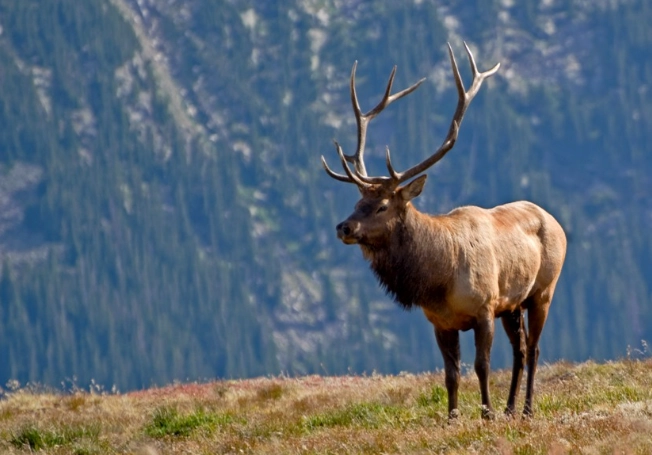
This isn't just about safety; it's about their well-being. Observe from a distance. Never feed an animal. Not a squirrel, not a chipmunk, certainly not a bear. Fed animals become aggressive, get sick from human food, and often have to be killed by rangers.
Use a zoom lens, not your feet, to get closer. In places like Yellowstone or Glacier, you are required to stay at least 100 yards from bears and wolves, and 25 yards from all other animals. Store your food perfectly (bear canister or locker, no exceptions). Your carelessness can be a death sentence for an animal.
Principle 7: Be Considerate of Other Visitors
Sound carries in the mountains. Your bluetooth speaker ruins the natural soundscape for everyone else. Keep voices down, especially at camp. Yield to uphill hikers (they have the momentum disadvantage). Step off the trail to take a break.
And on narrow trails, groups traveling with pack stock (horses, mules) have the right of way. Hikers should step off on the downhill side and remain quiet and still as they pass—spooking a 1,200-pound animal helps no one.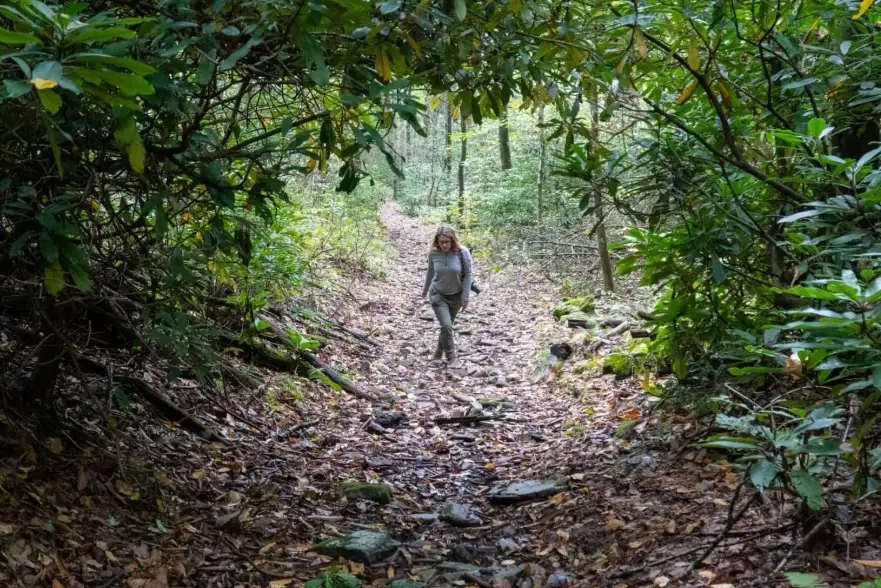
Your Leave No Trace Questions, Answered
Here are the questions I've been asked most often, on the trail and online.
Leaving no trace isn't about perfection. It's about intention. It's about asking, "If everyone did what I'm about to do, would this place still be pristine?" Your choices matter. The parks are under enough pressure. Let's be part of the solution, one mindful step at a time.