Washington state holds a secret. Well, three of them. Tucked into its western and northern corners are three national parks that feel like they belong on three different continents. You've got a moss-drenched rainforest, a volcano that defines the skyline, and a range of jagged peaks so remote they're called the "American Alps." I've spent over a decade hiking, camping, and frankly, getting lost in these places. This isn't just a list of parks. It's a breakdown of how to actually experience them, what most guides won't tell you, and how to avoid the crowds that can overwhelm the postcard spots.
In this article, you'll find:
Washington's Three National Parks at a Glance
Before we dive deep, here’s the lay of the land. These parks aren't neighbors. Driving from Olympic to North Cascades can take over 6 hours. Each has a distinct personality and demands a different approach.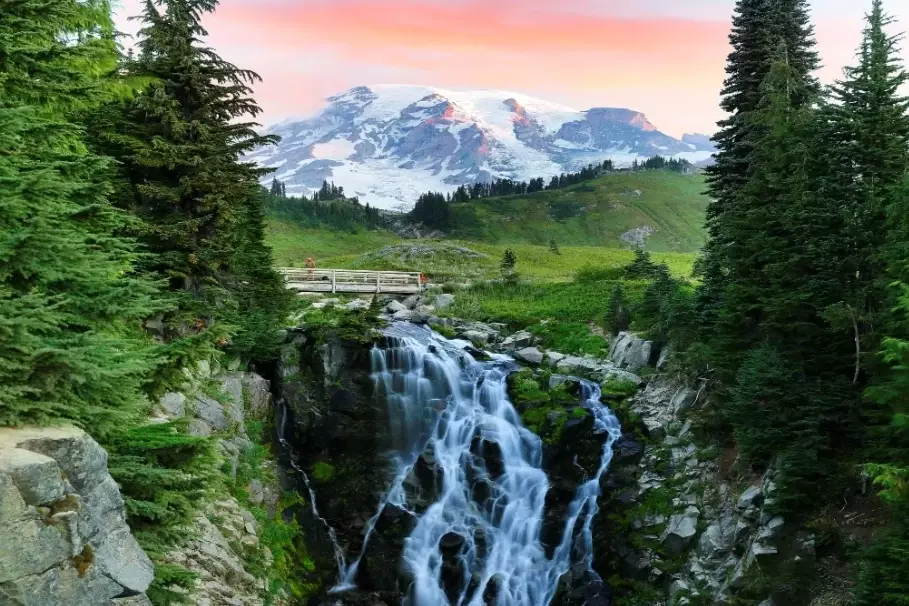
| Park | Signature Experience | Best For | Entrance Fee (Vehicle) | Nearest Major City | Open Year-Round? |
|---|---|---|---|---|---|
| Olympic National Park | Hoh Rain Forest, Ruby Beach, Hurricane Ridge | Ecological diversity, coastal storms, solitude | $30 (7-day) | Seattle, WA (~2.5-3 hrs to Port Angeles) | Mostly (some roads close in winter) |
| Mount Rainier National Park | Paradise & Sunrise wildflower meadows, Skyline Trail | Iconic mountain views, day hiking, photography | $35 (7-day) | Seattle, WA (~2 hrs to Nisqually Entrance) | No (Paradise & Sunrise roads close Nov-May) |
| North Cascades National Park | Diablo Lake Overlook, Cascade Pass, hiking | Backpacking, alpine scenery, avoiding crowds | Free (Park Complex); $5 for Ross Lake Rec Area | Seattle, WA (~2 hrs to Marblemount) | Mostly (Hwy 20 closes seasonally) |
The "open year-round" note is crucial. Rainier's high country is snowed in for most of the year, while Olympic's coast is moody and magnificent in the winter. Your season dictates your destination.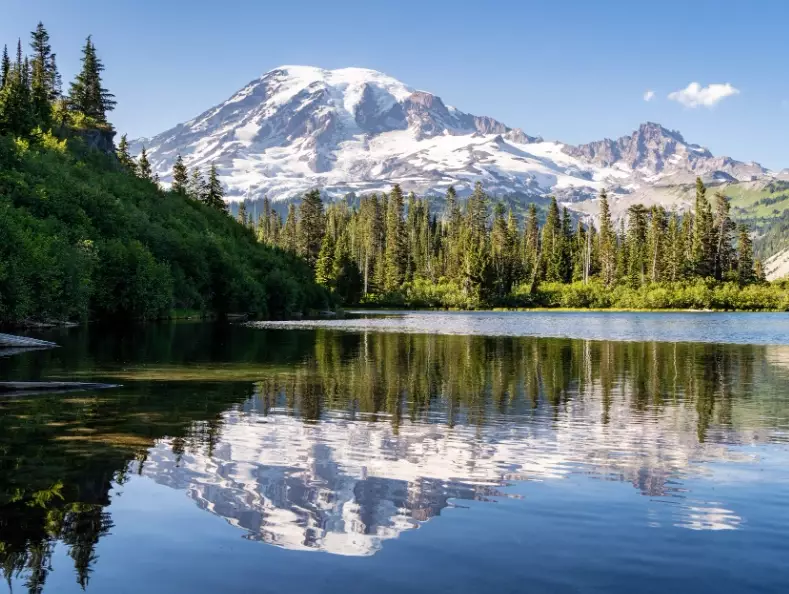
Olympic National Park: Where Mountains Meet the Sea
Olympic is less of a single park and more of a collection of worlds. You can stand on a driftwood-strewn beach in the morning, hike through a silent, primeval rainforest by noon, and be above the treeline in subalpine meadows by evening. It's unreal.
Key Areas & How to Visit
The Pacific Coast: Start at Rialto Beach (near Forks) for a walk to Hole-in-the-Wall. Ruby Beach further south has those iconic sea stacks. Check tide charts religiously. A rising tide here isn't an inconvenience; it's a trap.
The Hoh Rain Forest: The Hall of Mosses trail (0.8 miles) is the famous one, but it's a zoo by 10 AM. Go at sunrise or do the Spruce Nature Trail (1.2 miles) instead—it's just as lush and often quieter. The Hoh Rain Forest Visitor Center is your info hub. No gas or food nearby, so come prepared.
Hurricane Ridge: The mountain heart of the park. The road up from Port Angeles offers jaw-dropping views. In summer, wildflowers erupt. In winter, it's a snowshoeing and skiing paradise. The road often has closures, so always check the National Park Service website for Olympic before you go.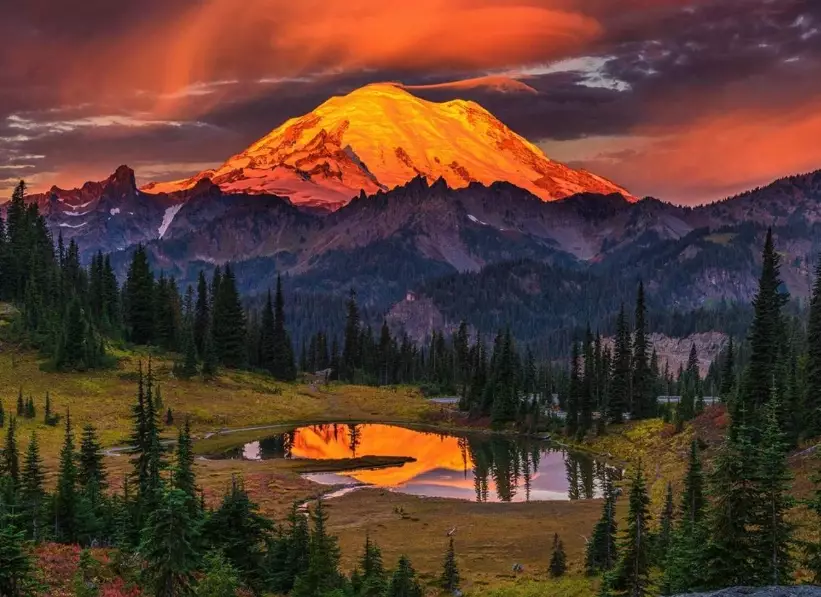
Mount Rainier National Park: The Mountain is Out
In Seattle, when the sky clears, everyone says, "The mountain is out." That's Rainier. It dominates everything. This park is all about getting up close to that 14,411-foot glaciated volcano.
Paradise vs. Sunrise: Picking Your Base
These are the two main visitor hubs, on opposite sides of the mountain.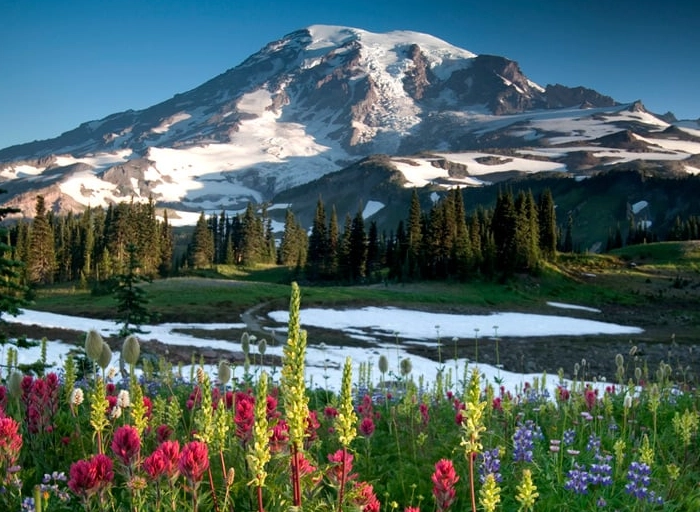
Paradise (South Side): More famous, more developed, more crowded. The Henry M. Jackson Visitor Center is here. The Skyline Trail loop (5.5 miles) is the must-do hike, offering relentless, in-your-face views of the mountain. Parking fills by 9 AM on a summer weekend. I mean it. Get there early or take the shuttle from Ashford.
Sunrise (Northeast Side): Higher elevation, a bit more raw. Sunrise is the highest point in the park that can be reached by vehicle. The view from the Sunrise parking lot is one of the best in the entire park. There are also some great trails that start from the Sunrise parking lot, like the Sunrise Trail to Mount Baker, which is a great day hike. The Sunrise Visitor Center is smaller and less crowded than the Paradise Visitor Center. The Sunrise area is also a great place to see wildflowers in the summer. The Sunrise area is only open from late June to early October, depending on snow conditions.
North Cascades National Park: The Wild One
This is the park for purists. It's rugged, remote, and doesn't have a single iconic "front door" like Paradise or the Hoh. Most of the park is designated wilderness, accessible only on foot. The North Cascades Highway (State Route 20) cuts through the park complex, offering some of the most dramatic roadside scenery in America.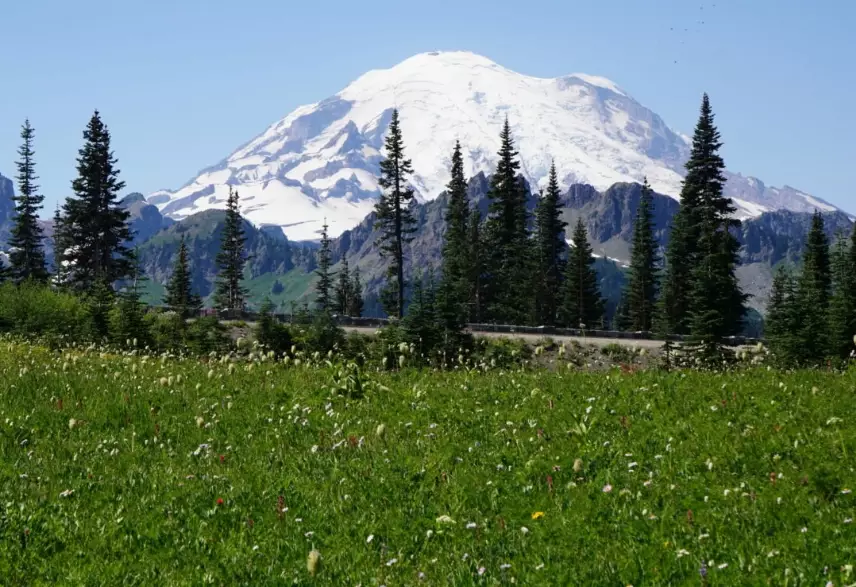
Must-See Stops & Trailheads
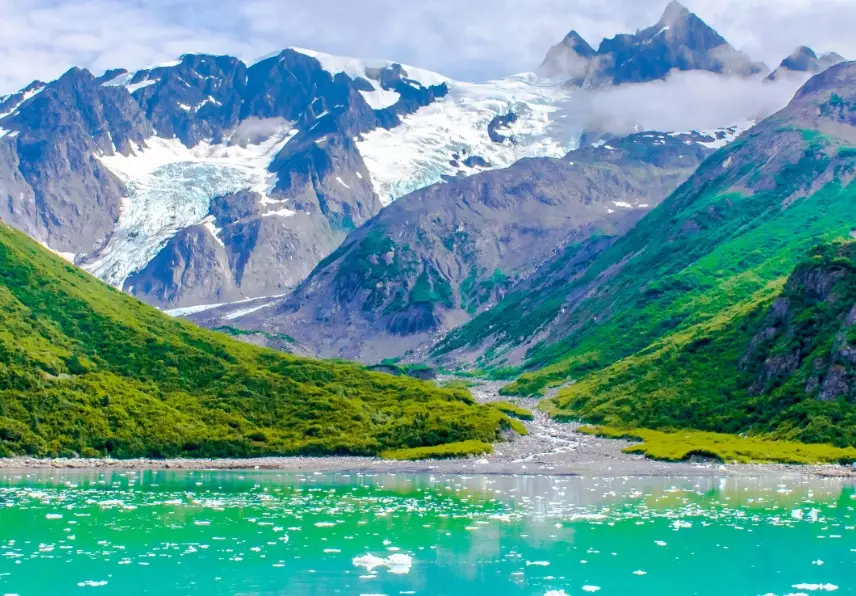
Diablo Lake Overlook: You've seen the photos. The turquoise water, caused by glacial flour, is unreal. The overlook is right off Highway 20. For a closer look, hike the 7.2-mile (round trip) Diablo Lake Trail.
Cascade Pass: This is the classic North Cascades hike. It's a 3.7-mile climb (one way) to a stunning alpine pass with views of glaciers and peaks. The trailhead is at the end of a rough, long gravel road. Check conditions before you go.
Ross Lake: A huge, beautiful reservoir. You can access it via a short hike from the highway, or by taking a boat from the Ross Lake Resort. The resort is only accessible by boat or by hiking in.
The visitor centers here (in Sedro-Woolley and Newhalem) are more like backcountry information stations. Come here for trail conditions and permits, not for big exhibits.
How to Plan Your Washington National Parks Trip
Here's the reality most blogs gloss over: you can't do it all in one go without exhausting yourself. Choose based on your time and interests.
If you have 3-4 days: Pick one park. Dive deep. For a first-timer with limited time, I'd recommend Mount Rainier. You get the biggest payoff for the least logistical headache.
If you have 5-7 days: Do a two-park combo. The most logical is Olympic and Mount Rainier. You can fly into Seattle, drive to Rainier for 2 days, then take the ferry across Puget Sound to the Olympic Peninsula for 3 days. This gives you a fantastic mix.
If you have 7-10 days: You could attempt a loop of all three, but be prepared for a lot of driving. A better 10-day trip might be: 3 days in North Cascades, 2 days traveling/scenic driving, 2 days in Rainier, 3 days in Olympic.
Booking: Lodging inside the parks (like the Paradise Inn at Rainier or Lake Crescent Lodge in Olympic) books up almost a year in advance for summer. Look at gateway towns: Port Angeles or Forks for Olympic; Ashford or Packwood for Rainier; Marblemount or Winthrop for North Cascades. Campgrounds also require reservations months ahead through Recreation.gov.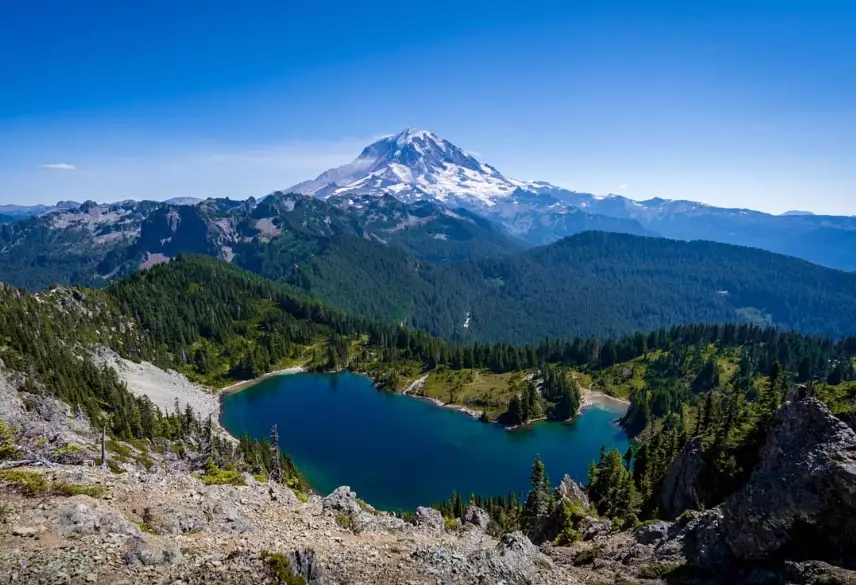
Common Mistakes (and How to Avoid Them)
After a decade of guiding trips here, I see the same errors over and over.
Mistake 1: Underestimating distances and drive times. Google Maps lies. Mountain roads are slow. A 100-mile drive can take 3 hours. Pad your schedule.
Mistake 2: Showing up without a backup plan. Trails close due to bears, wildfires, or weather. Roads close for snow (even in June!). Have a Plan B hike or destination for each day.
Mistake 3: Ignoring the tide charts on the coast. This is a safety issue. People get stranded or swept away. Know the high and low tides for any beach hike.
Mistake 4: Thinking you don't need a wilderness permit. If you plan to camp in the backcountry in any of these parks, you need a permit. Period. Quotas fill fast. Research and reserve early.
Mistake 5: Only visiting in July/August. Yes, it's the warmest, but it's also the most crowded. June and September can be glorious with fewer people. Winter in Olympic and Rainier (at lower elevations) is a magical, quiet season.
Your Questions, Answered
What is the best Washington national park for a first-time visitor?
Mount Rainier is the most accessible and iconic for a first visit. The Paradise and Sunrise areas offer stunning, relatively close-up views of the mountain with a network of well-maintained trails for all levels. You get that classic "national park" feel with a developed visitor center, historic lodge, and guaranteed wow-factor scenery, making it easier to plan a rewarding day trip or weekend.
How many national parks are in Washington state?
Washington state is home to three magnificent national parks: Olympic National Park, Mount Rainier National Park, and North Cascades National Park Complex. Each offers a dramatically different landscape, from temperate rainforests and glacier-capped peaks to rugged alpine wilderness.
Do I need a permit to visit Washington's national parks?
You need a park entrance pass for all vehicles, typically $30-$35 for a 7-day pass. For backcountry camping in any of the three parks, a wilderness permit is mandatory. The biggest hurdle is for popular areas like Mount Rainier's Camp Muir or the Enchantments in the nearby Alpine Lakes Wilderness, which require highly competitive lottery permits. Always check Recreation.gov months ahead for specific trailhead quotas.
Can you visit all three Washington national parks in one week?
It's possible but rushed, turning your trip into more driving than experiencing. The parks are far apart. A better approach is a 7-10 day loop focusing on two parks deeply, like Olympic and Rainier, saving North Cascades for a dedicated trip. Trying to squeeze in all three often means you only see the roadside viewpoints and miss the hikes that make these places special.
The soul of Washington's parks isn't found in ticking off a list. It's in the quiet of an ancient forest, the chill of glacial air, and the scale of a mountain that reminds you how small you are. Pick one, go deep, and let the landscape dictate the pace. You'll leave already planning your return.