Quick Navigation
- Top Tier: The Heavy Hitters for Stargazing National Parks
- Beyond the Big Names: Hidden Gems for Stargazing
- Your Practical Toolkit: How to Actually Do This
- Stargazing National Parks: A Quick Comparison Table
- Taking Pictures? A Few Straightforward Astrophotography Tips
- Answers to the Questions You're Actually Asking
- The Bigger Picture: Why This Matters
Let's be honest. Most of us have never really seen the night sky. Not truly. What we see from our backyards or city rooftops is a pale, washed-out imitation, a handful of stars struggling against the orange glow of streetlights. It's like listening to a symphony through a tin can telephone.
Then you go to a real stargazing national park.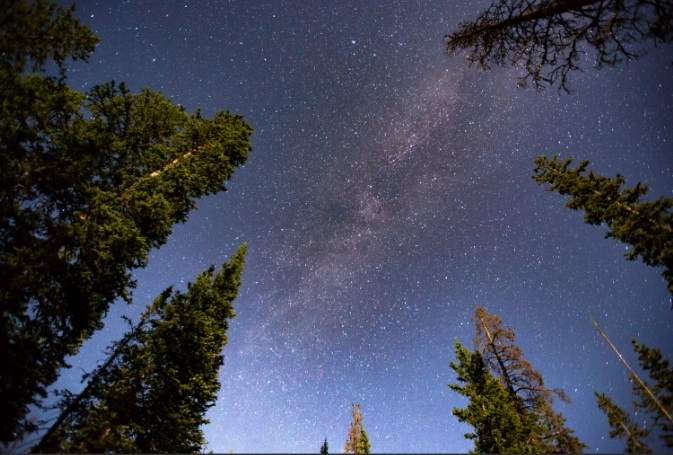
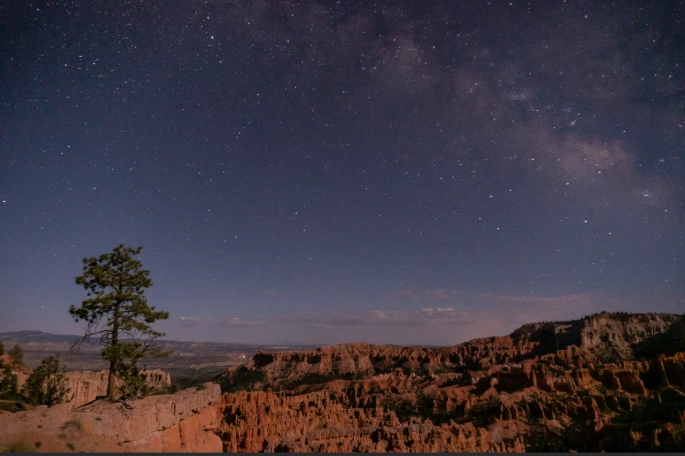
I remember my first time. It wasn't even planned. I was camping in Bryce Canyon, dead tired, and stumbled out of my tent around 2 AM. I looked up and literally froze. My brain short-circuited. That wasn't a sky; it was a texture. The Milky Way wasn't a faint smudge; it was a raging river of light, so bright it cast faint shadows on the red rock. I saw satellites zipping by like cosmic fireflies. I saw colors in the stars I didn't know existed. I just stood there, jaw on the ground, for probably twenty minutes. It was humbling. It was terrifying in the best way possible. It rewired something in my head.
That's what these places offer. It's not just a hobby; it's an experience that sticks with you. This guide isn't about dry facts. It's about how to actually go out and get your mind blown by the cosmos in the best national parks for stargazing across the country.
Top Tier: The Heavy Hitters for Stargazing National Parks
Some parks are just built different. They have the altitude, the dry air, the sheer remoteness, and the park rangers who are just as excited about the stars as you are. Here are the ones that consistently deliver life-changing skies.
Bryce Canyon National Park, Utah
I mentioned my experience, so let's start here. Bryce sits at over 8,000 feet, which means you're above a lot of the atmosphere's gunk. The air is dry and clear. But the real magic is the contrast. You stand on the rim, looking over these insane, fiery orange hoodoos, and above them is this impossibly deep black velvet sky packed with stars. The park's astronomy programs are legendary—some of the best in the entire system. They have dedicated astronomers and dozens of telescopes set up on summer nights.
Great Basin National Park, Nevada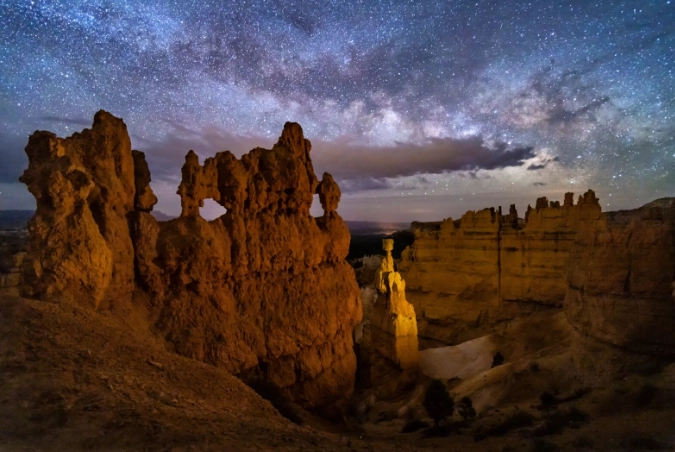
If you want raw, untamed darkness, this is your spot. It's one of the most remote parks in the lower 48. No major cities for hundreds of miles means the sky is about as pristine as it gets. The Milky Way here is so vivid it looks like you could reach out and stir it with your hand. They have a fantastic Astronomy Festival every September. The best part? You can take the Wheeler Peak Scenic Drive up to 10,000 feet for an even clearer view.
What's the catch? Services are minimal. You need to be self-sufficient. But that's the price of admission for a sky like that.
Big Bend National Park, Texas
They boast the darkest measured skies in the continental United States. Let that sink in. The darkest. It's a Gold-Tier International Dark Sky Park. The horizon is vast and empty, giving you a full 360-degree dome of stars. The park offers regular night sky programs, and the lack of light pollution is almost disorienting in the best way.
Beyond the Big Names: Hidden Gems for Stargazing
Everyone knows the Utah parks or Yosemite (which is also fantastic, by the way). But the crowds can be intense. If you want an epic sky with a side of solitude, consider these.
- Black Canyon of the Gunnison National Park, Colorado: The name says it all. It's incredibly deep and narrow, so when you're on the rim, you feel like you're perched on the edge of the universe. Their night sky programs are intimate and incredibly detailed.
- Theodore Roosevelt National Park, North Dakota: The badlands landscape under a starry sky is surreal. You half expect to see dinosaurs silhouetted against the Milky Way. The peace and quiet here is profound.
- Congaree National Park, South Carolina: A different vibe entirely. Stargazing from a boardwalk deep in a flooded cypress forest? The sounds of frogs and insects, the still water reflecting the stars… it's a uniquely atmospheric experience for an East Coast park.
Your Practical Toolkit: How to Actually Do This
Okay, you're convinced. Now what? Showing up unprepared is a surefire way to have a miserable time. Here’s the real-world, no-BS guide to planning your trip.
When to Go: It's Not Just About Summer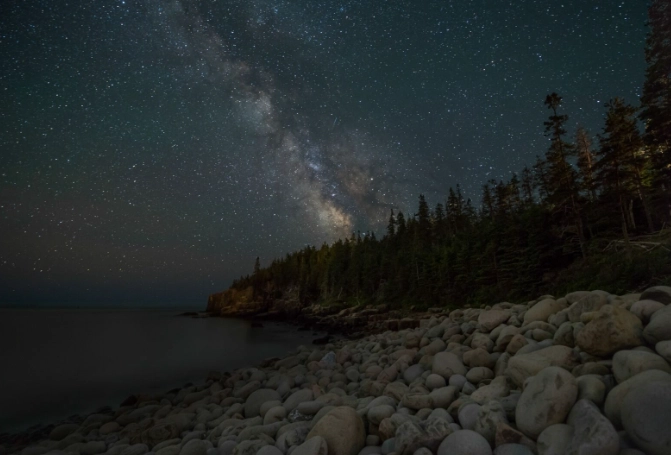
Summer is obvious. Warm nights, Milky Way core is visible. But it's also peak tourist season and, in some parks, monsoon season (afternoon clouds can ruin a night).
Don't sleep on the shoulder seasons. Spring and Fall offer cooler, clearer air. The Milky Way is still visible early in the night in spring and late at night in fall. And the crowds are thinner.
Winter is the secret weapon for hardcore stargazers. The air is crystal clear, the crowds are nonexistent, and the winter constellations (Orion, Taurus) are spectacular. The catch? It's brutally cold and nights are very long. You need serious gear and grit.
The Essential Gear List (Not What You Think)
Forget fancy telescopes for your first trip. They're complicated and frustrating. Here’s what you actually need:
- Red Light Headlamp: White light destroys your night vision and annoys everyone around you. A red light preserves it. This is non-negotiable. Get one with a red light mode.
- Warm Layers. So. Many. Layers.: I cannot stress this enough. Desert and mountain temperatures plummet at night. Think thermal base layer, fleece, puffy jacket, beanie, gloves. You will thank me.
- A Good Camp Chair or Blanket: Your neck will get sore looking up. A reclining chair is a game-changer.
- Binoculars (Optional but Awesome): A simple pair of 7x50 or 10x50 binoculars will reveal craters on the moon, Jupiter's moons, and star clusters. Way easier than a telescope.
- Star Chart App: Apps like SkySafari or Star Walk are fantastic. You can point your phone at the sky and it'll tell you what you're seeing. Just remember to put it on night mode (red screen)!
How to Find the Perfect Spot Inside the Park
Don't just pull over at the first viewpoint. Talk to a ranger at the visitor center. They know the current conditions and the best, most accessible spots that night. Look for places with:
- A wide, open view of the sky (few trees).
- Distance from any building or parking lot lights.
- Safe, stable footing (scrambling on rocks in the dark is a bad idea).
Stargazing National Parks: A Quick Comparison Table
To help you choose, here’s a breakdown of some top contenders based on key factors. Remember, "best" depends on what you're looking for.
| National Park | Dark Sky Status | Best For | Biggest Challenge | Can You See Milky Way Core? (Summer) |
|---|---|---|---|---|
| Bryce Canyon, UT | International Dark Sky Park | Ranger Programs, Epic Landscape Contrast | Extreme Cold, High Altitude | Yes, Spectacularly |
| Great Basin, NV | International Dark Sky Park | Raw Darkness, Solitude | Extreme Remoteness, Few Services | Yes, Arguably the Best |
| Big Bend, TX | Gold-Tier International Dark Sky Park | Darkest Measured Skies, Vast Horizons | Extreme Heat (daytime), Remote | Yes |
| Acadia, ME | International Dark Sky Park | East Coast Accessibility, Ocean Views | Weather (Fog, Clouds), Summer Crowds | Yes, but lower on horizon |
| Death Valley, CA | International Dark Sky Park (Gold Tier) | Low Latitude (Great Southern Sky), Unique Landscape | Extreme Heat, Vast Distances within Park | Yes |
Taking Pictures? A Few Straightforward Astrophotography Tips
You'll want to capture this. Good news: modern cameras and even smartphones can do a lot.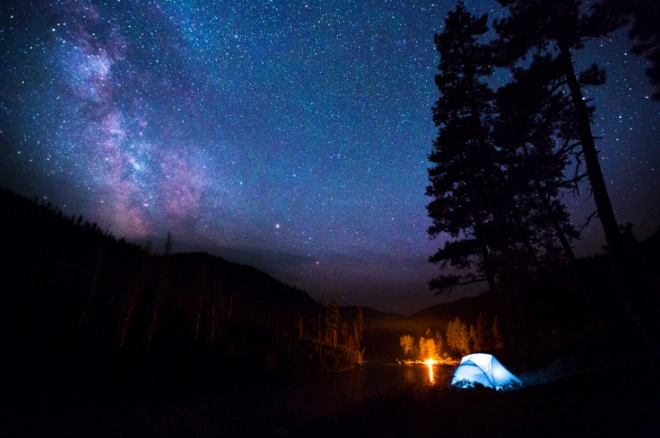
For DSLR/Mirrorless Users: Use a wide, fast lens (f/2.8 or lower). Put the camera on a sturdy tripod. Manual mode. Set ISO between 1600-3200. Set aperture as wide as it goes (lowest f-number). For shutter speed, use the "500 Rule": 500 divided by your lens's focal length. For a 20mm lens, that's 500/20 = 25 seconds max before stars start to trail. Experiment!
For Smartphone Users: Use Night Mode or a dedicated astrophotography mode (like on newer Pixels or iPhones). Prop it against a rock or use a mini tripod. Use a timer to avoid shake. The results might surprise you.
Answers to the Questions You're Actually Asking
Let's cut through the noise. Here are the real questions people have before they go.
The Bigger Picture: Why This Matters
Visiting these parks isn't just a cool vacation. It's an act of connection. You're witnessing the same sky every human ancestor ever saw. You're also supporting the National Park Service's Night Sky Program, which is fighting to protect this disappearing resource from light pollution. When you go, you're voting with your feet for darkness.
The experience of a true dark sky in one of these protected national parks for stargazing is becoming rarer every year. It's a resource as precious as clean water or clean air. It reminds us of our place in the universe—not at the center, but as part of something vast and beautiful and ancient.
So pick a park. Check the moon phase. Pack your warmest clothes and a red light. And go get humbled. You won't regret it.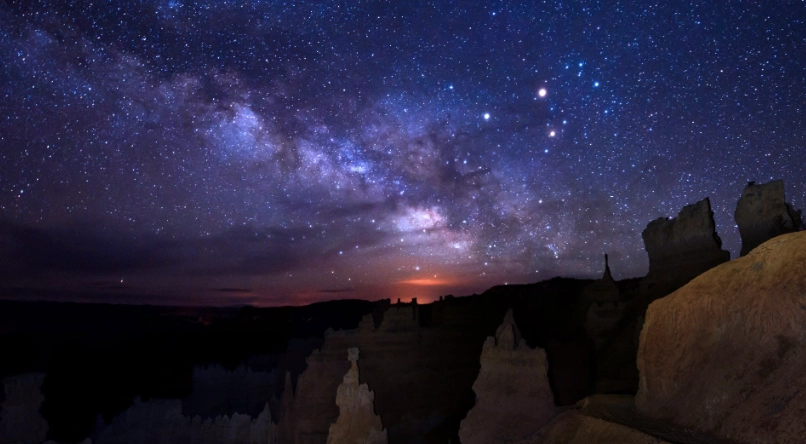
1. Bryce Canyon for the full package (easy programs, stunning setting).
2. Great Basin for the pure, unadulterated wow factor.
3. Big Bend if you want to claim you've seen the darkest sky possible.
Just go. The stars are waiting.