Quick Trail Guide
- What Makes a National Park Great for Hiking?
- The Contenders: National Parks with the Best Hiking Trails
- Beyond the Big Names: Honorable Mentions for Epic Hiking
- How to Choose Your Perfect National Park Hike
- Gear Up & Plan Smart: Hiking These Parks Right
- Your National Park Hiking Questions, Answered
- The Final Step: Lacing Up Your Boots
Let's cut right to the chase. You're here because you want to know which national parks offer the absolute best hiking experiences. Not just a nice walk in the woods, but the kind of trails that stick with you for years—the ones that make your legs burn, your jaw drop, and your camera run out of memory. I've been there, staring at a map, overwhelmed by options, wondering if I'm picking the right park for my precious vacation days.
The truth is, "best" is subjective. What's a dream hike for a seasoned backpacker might be a nightmare for a family with young kids. A quiet, solitary path for one person could feel lonely to someone who enjoys the camaraderie of a well-traveled trail. So instead of just throwing a list at you, I want to walk you through what makes each of these parks special for hiking. We'll talk about the iconic routes, the hidden gems, the crowds (oh, the crowds), and the practical stuff you really need to know before you go. I'll also share a few things I wish someone had told me before my first big national park hiking trip.
What Makes a National Park Great for Hiking?
Before we dive into specific parks, let's set the stage. When I judge the best national parks for hiking, I'm looking at a few key things. Trail diversity is huge—does the park have easy nature walks, moderate day hikes, and challenging multi-day backcountry routes? Scenery is obviously a factor, but it's more than just a pretty view. It's about the variety of landscapes you pass through on the trail itself. Then there's the infrastructure. Well-marked trails, accessible trailheads, and useful resources matter more than you think when you're tired and just want to find your car. Finally, there's that intangible feeling. Does the hiking experience feel unique? Does it connect you to the place in a way that just driving through never could?
With that framework in mind, here are my top picks for national parks that deliver an unforgettable hiking experience.
The Contenders: National Parks with the Best Hiking Trails
This isn't a ranked list in the traditional sense. It's more of a guide to match the park to the hiker. Each one excels in different ways.
Yosemite National Park, California
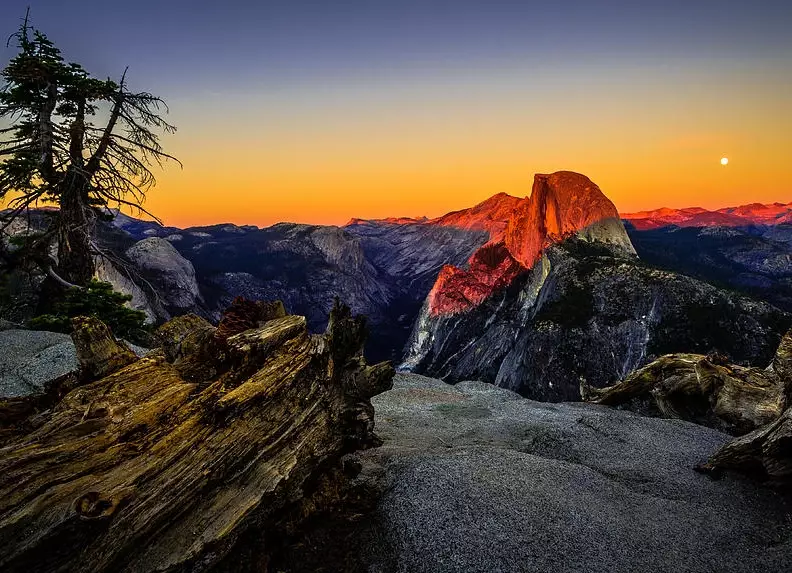
Yosemite is the celebrity of the national park system, and for good reason. The hiking here is legendary. You're talking about trails that weave past waterfalls taller than skyscrapers and under the gaze of granite monoliths like El Capitan and Half Dome.
The Mist Trail to Vernal and Nevada Falls is a rite of passage. It's steep, it's wet (you will get soaked if the water is flowing), and the stairs are relentless. But turning the corner and seeing Nevada Fall thunder down is a moment you won't forget. For the ultimate challenge, the Half Dome Cables route is a 14-16 mile beast that requires a permit (and a serious dose of courage for the final ascent). The view from the top? Unreal. It feels like you're on the spine of the world.
For authoritative planning info, always check the official Yosemite National Park website. Their trail condition reports and permit details are gospel.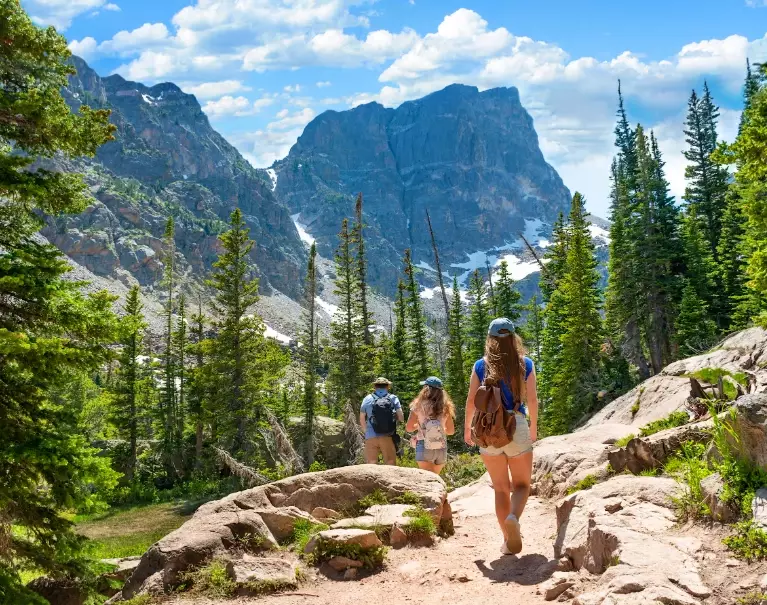
Zion National Park, Utah
Zion is a hiking park. While you can drive through some areas, the real magic is found by foot, deep within its narrow, soaring canyon walls. The hiking here is an immersive, almost otherworldly experience.
The Angels Landing chain section is famous for a reason—it's thrilling, exposed, and not for the faint of heart. The permit system has made it more manageable, but it's still a strenuous climb. For me, the real showstopper is The Narrows. Hiking in the Virgin River, surrounded by thousand-foot walls just 20 feet apart, is something you can't do anywhere else. It's cold, slippery, and requires planning (check water levels!), but it's a total blast.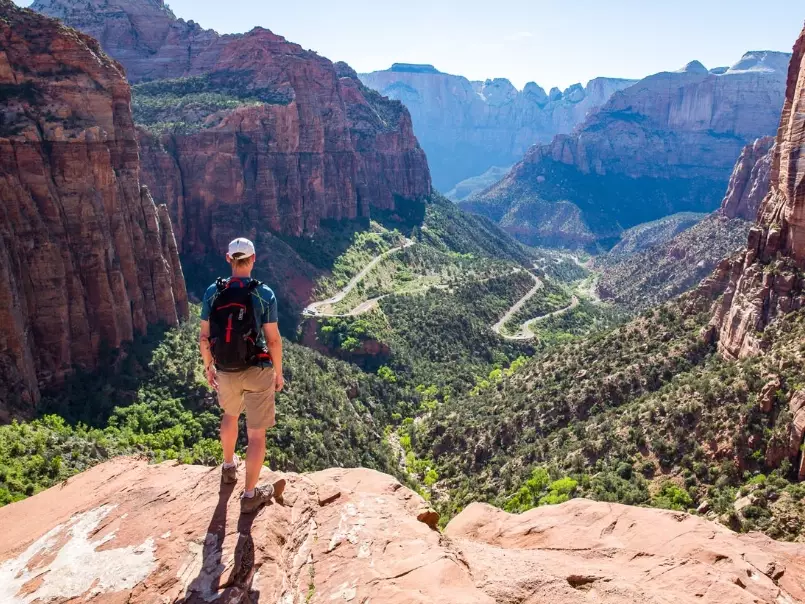
Hiking The Narrows feels less like a walk and more like an exploration. You're not just looking at the canyon; you're inside it, part of the river's flow. It's a completely different way to experience a landscape.
Don't overlook the Observation Point trail (via the East Mesa Trailhead if the main route is closed) or the Emerald Pools for something a bit easier. The park's mandatory shuttle system in the main canyon from spring to fall is actually a blessing—it reduces traffic chaos. Plan around it.
Glacier National Park, Montana
If your idea of the best hiking involves high alpine passes, wildflower meadows, glacial lakes, and a real chance of seeing a bear, Glacier is your place. The scale here is immense, and the trails are built for long, glorious days of walking.
The Highline Trail starting from Logan Pass is iconic. It contours along the Garden Wall with dizzying drops and non-stop views. You might share the path with mountain goats. The Grinnell Glacier trail is another classic—a steady climb past sapphire lakes to the shrinking ice of the glacier itself. It's a stark and beautiful lesson in climate change.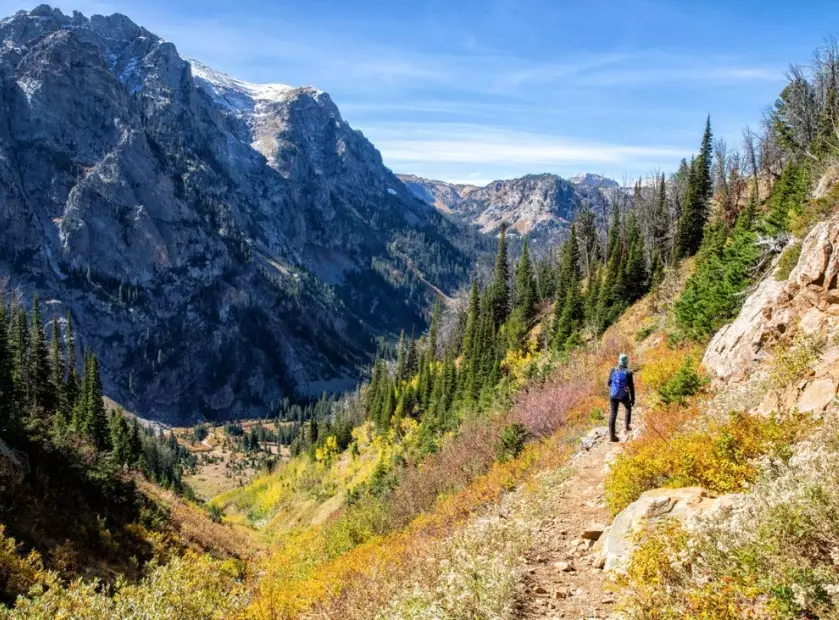
The logistical key is Going-to-the-Sun Road. It's spectacular but opens late and closes early (often just June-Oct). Your entire hiking itinerary hinges on its status. Check the National Park Service page for Glacier for the most current road and trail conditions.
Great Smoky Mountains National Park, Tennessee/North Carolina
Don't let the gentle name fool you. The Smokies are a hiker's paradise, boasting over 800 miles of trails, from easy walks to old-growth forests to lung-busting climbs to fire towers on windy balds. It's the most visited national park, but the crowds thin dramatically once you get more than a mile from a parking lot.
The diversity is its strength. You can hike to towering waterfalls like Ramsey Cascades, explore the history of the Appalachian Trail as it crosses through the park, or seek out solitude in the park's vast backcountry. The Alum Cave Trail to Mount LeConte is a personal favorite—a creative, varied route with cliffs, caves, and a historic lodge at the top (make reservations way in advance if you want to stay).
The magic here is often in the details: the smell of damp earth and spruce, the way the mist hangs in the hollows (giving the mountains their "smoky" name), and the incredible biodiversity. It's a park best experienced at walking pace.
Rocky Mountain National Park, Colorado
This is the park for those who want to hike above tree line. The Trail Ridge Road gets you high, but the trails let you stay there, wandering across tundra where the air is thin and the views stretch forever. The sense of accomplishment when you summit one of its peaks is hard to beat.
The Sky Pond hike via the Glacier Gorge trailhead is a masterpiece. It passes Alberta Falls, The Loch, and involves a fun, slightly scrambly section up Timberline Falls before spitting you out at the dramatic Sky Pond basin. For a bigger challenge, Longs Peak (the park's only 14er) is a grueling, pre-dawn start kind of day that demands respect and preparation.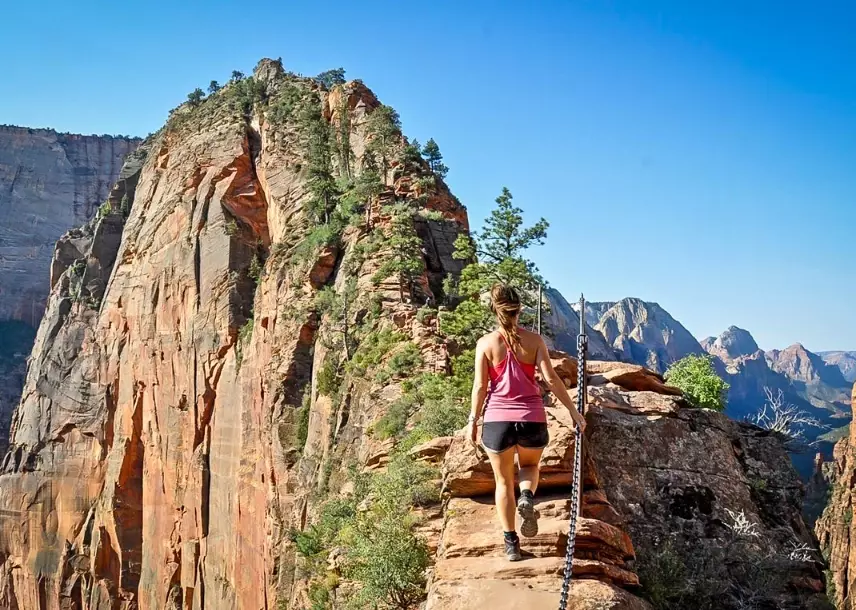
The park's official NPS site is crucial for understanding the timed entry permit system during peak season. This isn't a suggestion; it's a requirement to even enter the park during certain hours. Plan your reservation well ahead of time.
Beyond the Big Names: Honorable Mentions for Epic Hiking
The parks above get most of the headlines, but the quest for the best national parks for hiking doesn't stop there. A few others deserve a shout-out for truly unique experiences.
Acadia National Park, Maine: For coastal hiking with a side of lobster. The Precipice Trail (if open) is a thrilling iron-rung climb, while the Ocean Path offers easier, stunning views of the Atlantic crashing against pink granite. Hiking here feels crisp and invigorating.
Olympic National Park, Washington: Where else can you hike in a temperate rainforest (the Hoh River Trail), on a rugged wilderness coast (the Ozette Loop), and in alpine mountains (Hurricane Ridge) all in the same park? It's a logistical puzzle but incredibly rewarding.
Grand Teton National Park, Wyoming: Often overshadowed by Yellowstone next door, the Tetons are a pure mountain playground for hikers. The Cascade Canyon Trail feels like walking into a postcard, with the jagged peaks looming directly overhead. It's less crowded than many parks on this list and feels wonderfully wild.
How to Choose Your Perfect National Park Hike
Okay, so you've got the list. How do you pick? Ask yourself these questions:
- What's your fitness level? Be brutally honest. A 5-mile flat walk is different from 5 miles with 2,000 feet of elevation gain.
- What season are you going? Yosemite's high country is snowed in until July. The Smokies can be oppressively humid in August. Zion's Narrows is closed if there's flash flood risk.
- Do you hate crowds? If the answer is yes, you need to strategize: go offseason, hike at dawn, or pick the less-famous trails in popular parks.
- What's your goal? A summit photo? A swimming hole? Solitude? Wildlife spotting? Match the park's strength to your desire.
To help visualize the differences, here's a quick comparison of some key hiking aspects:
| Park | Signature Hike Vibe | Crowd Level (Peak Season) | Best For | Permit/Reservation Note |
|---|---|---|---|---|
| Yosemite | Iconic, dramatic, strenuous | Extremely High (Valley) | Waterfall lovers, peak baggers | Half Dome & wilderness permits competitive |
| Zion | Immersive, unique, adventurous | Very High (Canyon) | Slot canyons, thrilling chains/water walks | Angels Landing lottery, Narrows gear rental |
| Glacier | Alpine, vast, wildlife-filled | High (Logan Pass/Sun Road) | High altitude scenery, glacier views | Vehicle reservation for Sun Road, backcountry permits |
| Great Smoky Mountains | Diverse, wooded, historic | High (near roads), Low (backcountry) | Forest immersion, waterfall chasing, solitude | Parking fills early at popular trailheads |
| Rocky Mountain | High altitude, peak-focused, clear-air views | High | Above-treeline hiking, lake-filled basins | Timed Entry Permit required in summer |
Gear Up & Plan Smart: Hiking These Parks Right
The right gear can turn a miserable slog into a great day. For these national parks with the best hiking, don't skimp.
- Footwear is Everything: Sturdy, broken-in hiking boots or shoes. Trail runners might work for dry trails, but ankle support is king on rocky, uneven terrain.
- The Ten Essentials: Not a suggestion. Map, compass, water, food, rain layer, first aid, knife, fire starter, headlamp, sun protection. Add a satellite messenger (like a Garmin inReach) for remote backcountry.
- Park-Specific Stuff: Microspikes for early/late season hikes on snow/ice (common in Glacier, Rocky, Yosemite high country). Trekking poles for saving knees on descents. A dry bag and neoprene socks for Zion's Narrows.
Planning is 80% of the success. Book accommodations (inside or near the park) months in advance. Understand the permit systems—they exist to protect the experience and are not optional. Check for trail closures (fires, landslides, bear activity happen).
The best hike isn't the hardest or most famous one. It's the one that's right for you, on the day you're there, with the right preparation. Sometimes that's a quiet 3-mile loop that nobody talks about, and it's perfect.
Your National Park Hiking Questions, Answered
The Final Step: Lacing Up Your Boots
So, there you have it. A deep dive into what makes a national park great for hiking and a look at some of the top contenders. The "best" national parks for hiking are the ones that call to you, that match the adventure you're seeking, and that you prepare for properly.
My final piece of advice? Don't get so obsessed with checking off a famous trail that you forget to look around. Stop often. Listen. Feel the sun or the mist. The trail is the means, not just the end. The real magic of hiking in these incredible places is the connection it fosters—to the land, to the effort, and to the simple, profound act of moving through a beautiful world on your own two feet.
Now, go check those permit websites, dig out your boots, and start planning. Your trail is waiting.