Quick Navigation
- Why Climbing is a Nutritional Nightmare (and What to Do About It)
- Your Climbing Nutrition Game Plan: Before, During, After
- Beyond Macros: The Micronutrient & Hydration Deep Dive
- Supplements for Climbers: What's Worth Your Money?
- Putting It All Together: A Sample Climbing Day on a Plate
- Common Climbing Nutrition Questions (The Stuff You Actually Google)
- The Mental Game: Food and Focus
Let's be honest. We spend hours researching beta, watching technique videos, and agonizing over the perfect shoe. But when it comes to what we put in our bodies to actually power those tiny crimp pulls and desperate heel hooks? A protein bar on the drive to the crag, if we're lucky. Maybe a sad banana. I've been there, staring at the wall feeling weak and pumped after two tries, blaming my technique or strength, when really, my climbing nutrition strategy was just... nonexistent.
It's a weird blind spot. We treat our bodies like high-performance machines on the wall but forget they need high-performance fuel. This isn't about getting ripped abs for the 'gram (though that might be a side effect). This is about sending your project. It's about having energy for that last go when everyone else is packing up. It's about recovering faster so you can climb again tomorrow without feeling like you got hit by a truck.
And it's not as complicated as the internet makes it seem. You don't need a PhD in biochemistry. You just need to understand how your body works when you're climbing and what it's screaming for. This guide is going to ditch the bro-science and the fad diets. We're talking practical, actionable stuff you can use today. What to eat the night before a redpoint burn. What to sip on during a long bouldering session. How to actually rebuild your muscles after you've destroyed them. We'll cover it all, from the big picture right down to the snacks in your crash pad.
Why Climbing is a Nutritional Nightmare (and What to Do About It)
First, you gotta understand the beast. Climbing isn't a steady-state jog. It's not a pure powerlifting session either. It's this weird, beautiful mix of explosive power, insane endurance, and razor-sharp focus. Your energy systems are getting whiplash.
Think about a hard boulder problem. You're resting, heart rate low (aerobic system). You pull on, explosive move to a crimp (phosphagen system, pure ATP). You lock off, feet cut, shaking (glycolytic system, burning glycogen fast). You hit the jug and shake out (back to aerobic recovery). All in 10 seconds. Your body is flipping switches like a mad scientist.
Now imagine doing that for 4 hours on a sport route. Or for a whole weekend at the crag. The nutritional demands are all over the place. You need quick energy, sustained energy, muscle repair, and brain function, all at once. A generic "healthy diet" often misses the mark for the specific demands of climbing nutrition.
So, let's break down what you actually need. The core pillars of any effective climbing diet.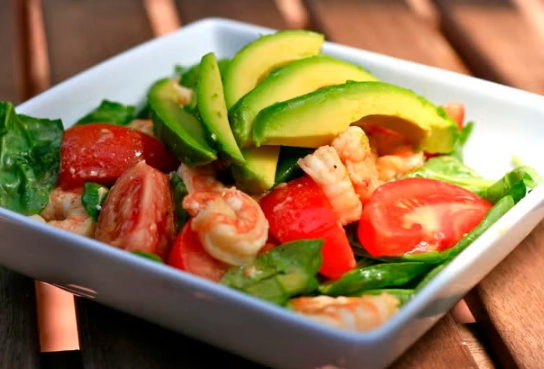
The Big Three: Carbs, Protein, Fat for Climbers
Forget cutting carbs. Just stop. For climbers, carbohydrates are king. They're your primary fuel source, stored as glycogen in your muscles and liver. When you're powering through a crux, you're burning glycogen. Low glycogen means early pump, weak grips, and a one-way ticket to Flapper Town.
But not all carbs are created equal. Timing is everything.
- Complex Carbs (Slow-Release): Your foundation. Oats, sweet potatoes, brown rice, quinoa, whole-grain bread. Eat these in the hours and meals leading up to your session. They top up your glycogen stores nice and slow, providing a steady energy base.
- Simple Carbs (Fast-Release): Your tactical weapon. Fruit (bananas, dates), white rice, honey, sports drinks, even gummy bears. These are for during your climb, when you need a quick hit of glucose to the muscles and brain to fight the pump or refuel between burns.
Protein is the repair crew. Every time you load a tendon, strain a ligament, or micro-tear a muscle fiber (which is what makes you stronger), protein provides the amino acids to fix it. Skimp on protein, and you don't recover. You just stay broken.
Aim for a consistent intake throughout the day, not just one massive steak dinner. The body can only use so much at once for synthesis. A good target for active climbers is around 1.6 to 2.2 grams of protein per kilogram of body weight per day. That means if you weigh 70kg (154 lbs), you're looking at 112-154 grams daily.
Fats got a bad rap for years. They're crucial for hormone production (testosterone, which aids recovery and strength), joint health, and absorbing fat-soluble vitamins (A, D, E, K). They're your long-burn energy source. Avocados, nuts, seeds, olive oil, fatty fish like salmon. Don't fear them. Just don't eat a giant handful of nuts right before you try your project—fat digests slowly and can sit heavy in your gut.
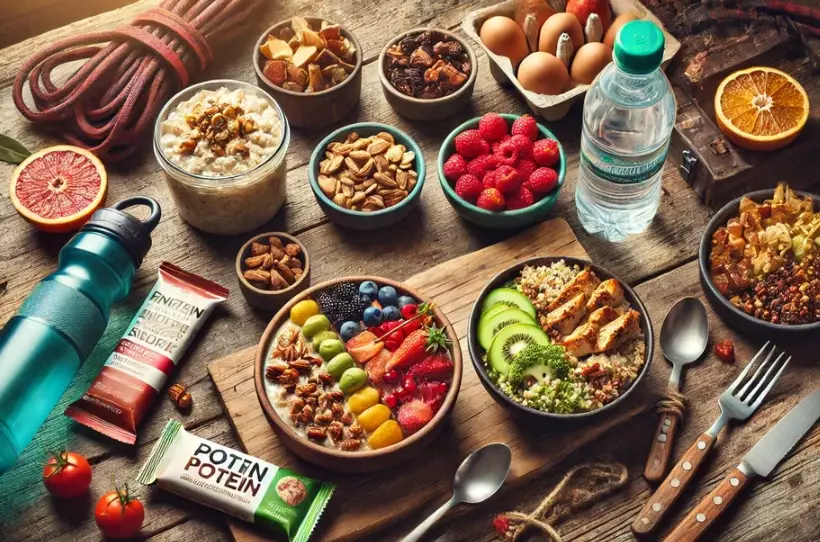
Your Climbing Nutrition Game Plan: Before, During, After
This is where theory meets the rock. Let's map it out.
Fueling Up: The 24-Hour Pre-Climb Window
The meal the night before matters more than the breakfast of the day of. That's when you're doing your major glycogen loading for the tank. This isn't a pasta binge. It's a deliberate meal rich in complex carbs and some protein.
Dinner Example: Grilled chicken or tofu with a large serving of sweet potato and a side of broccoli. Maybe some brown rice.
Morning of, you want something easily digestible that tops off your stores without making you feel bloated. Eat this 2-3 hours before you start climbing.
Breakfast Example: Oatmeal with banana and a scoop of protein powder. Or scrambled eggs on whole-wheat toast with some avocado.
What if you're a dawn patroller hitting the boulders at 6 AM? Don't skip. Have a small, liquid-based meal 30-60 minutes prior. A smoothie with banana, berries, protein powder, and a bit of oats works perfectly.
On-the-Wall Nutrition: The Session Saver
This is the most neglected part of climbing nutrition. You're burning through glycogen and fluids constantly. If you wait until you're thirsty or hungry, you're already behind.
Think of it as sipping and snacking consistently. Every 20-30 minutes, take a few sips of water. Every 45-60 minutes, or especially after a hard burn, have a small, fast-digesting carb snack.
Great On-The-Go Climbing Snacks:
- Medjool dates (nature's power gel)
- Bananas
- Rice cakes with a thin spread of honey or jam
- Homemade energy balls (oats, nut butter, honey)
- Dried fruit like mango or apricots
- Even simple sports chews or gels if you're on a multi-pitch and need compact calories
For hydration, water is fine for shorter sessions. For long, sweaty days (3+ hours), consider an electrolyte mix. You lose salts (sodium, potassium, magnesium) when you sweat, and plain water can't replace those. Low electrolytes lead to cramps and worse fluid absorption. A pinch of salt and a squeeze of lemon in your water bottle can work in a pinch.
The Golden Hour: Post-Climb Recovery Nutrition
The 60 minutes after you drop off the rope or step off the pad are critical. Your muscles are like sponges, desperate to soak up nutrients to start the repair process. Your goal here: carbs to replenish glycogen and protein to repair muscle, fast.
This is where a recovery shake or a ready-made snack shines because you can get it in quickly, even before the post-climb burger and beer (which, let's be real, is often the real reward).
Ideal Post-Climb Combo (within 60 mins): A 3:1 or 4:1 ratio of carbs to protein. Example: A smoothie with a banana, a cup of berries, a scoop of protein powder, and some milk or yogurt. Or chocolate milk (seriously, it's a classic for a reason).
Then, follow up with a solid meal 1-2 hours later. This should be a balanced plate with a good protein source, plenty of veggies, and quality carbs.
| Time Phase | Primary Goal | Food Focus & Examples | Key Nutrient |
|---|---|---|---|
| 24-2 Hours Before | Top off glycogen stores, ensure hydration | Complex carbs, moderate protein, low fat. Oatmeal, sweet potato, chicken & rice. | Complex Carbohydrates |
| During Session | Maintain blood sugar, delay fatigue, hydrate | Fast-digesting carbs, electrolytes. Dates, bananas, sports drink, rice cakes. | Simple Carbohydrates + Electrolytes |
| Within 60 Min After | Jumpstart muscle repair, replenish glycogen | Fast carbs + protein. Recovery shake, chocolate milk, banana with protein. | Carbohydrates + Protein |
| 1-2 Hours After (Meal) | Sustained recovery, overall nourishment | Balanced meal: Protein, colorful veggies, quality carbs. Salmon, quinoa, roasted veggies. | Complete Protein + Micronutrients |
Beyond Macros: The Micronutrient & Hydration Deep Dive
Okay, you've got carbs, protein, and fat down. But your body runs on more than just fuel. It needs the spark plugs and oil, too—the vitamins and minerals. For climbers, a few are superstars.
- Iron: Carries oxygen in your blood. Low iron = low endurance and constant fatigue. Especially important for female climbers. Find it in red meat, spinach, lentils, fortified cereals. Pair plant-based iron (non-heme) with vitamin C (bell peppers, citrus) to boost absorption.
- Calcium & Vitamin D: Bone health. We fall. We take whippers. Strong bones are non-negotiable. Dairy, leafy greens, fortified plant milks for calcium. Get some sun for Vitamin D, or consider a supplement if you live somewhere gloomy, but get your levels checked first.
- Magnesium: Involved in over 300 reactions, including muscle relaxation and nerve function. Helps with sleep and cramping. Nuts, seeds, dark leafy greens, dark chocolate (the good kind).
- Zinc: Supports immune function and protein synthesis. Found in meat, shellfish, legumes, seeds.
The best way to get these? Eat the rainbow. A variety of colorful fruits and vegetables covers a huge spectrum of micronutrients. If your diet is beige (pasta, bread, chicken), you're missing out.
Hydration: It's Not Just Water
Dehydration drops your strength by a noticeable margin. It also impairs cognitive function—bad for reading routes or making safe decisions. Weigh yourself before and after a long, sweaty session. For every pound lost, drink about 16-20 oz (500-600ml) of fluid to rehydrate.
Your pee should be light straw-colored. Dark yellow? You're behind. Crystal clear? You might be overdoing it and flushing electrolytes.
For resources on general sports nutrition principles that underpin this, reputable organizations like the American College of Sports Medicine (ACSM) and the International Olympic Committee (IOC) have published consensus statements that are worth a look for the science-curious.
Supplements for Climbers: What's Worth Your Money?
The supplement aisle is a minefield of hype. Let's clear it up. Supplements supplement a good diet, they don't replace one. Get your basics right first.
Here's my personal tier list, based on evidence and practicality:
Tier 1 (Strong Evidence, High Practical Value):
- Protein Powder (Whey, Plant-based): Not magical, just convenient. It's hard to hit high protein targets with whole food alone, especially post-climb. A scoop in a shake or oatmeal is an easy win.
- Creatine Monohydrate: The most researched supplement in sports science. It helps replenish the phosphagen system (that explosive power system). For bouldering and short, powerful moves, it can increase power output and may even have cognitive benefits. The loading phase is optional; just 3-5g daily works fine. It can cause slight water weight gain, which some climbers irrationally fear, but the strength benefits outweigh it for most.
- Caffeine: A proven performance enhancer. It increases alertness, reduces perceived effort, and can improve power output. A coffee 60 mins before climbing, or a caffeine gel before a redpoint, works. But more is not better—nerves and jitters will ruin your technique. And don't rely on it for every session, or you'll build a tolerance.
Tier 2 (Situation-Dependent):
- Electrolyte Tablets/Powders: Essential for long, hot days where you're sweating buckets. Prevents cramps and aids hydration.
- Vitamin D: If you have a documented deficiency or get no sun. Crucial for immune function and bone health.
- Omega-3s (Fish Oil): Good for overall inflammation and joint health. Helpful if you don't eat fatty fish regularly.
Skip the Hype (Save Your Cash):
Branched-Chain Amino Acids (BCAAs) are mostly useless if you're eating enough protein. Testosterone boosters? Almost universally ineffective and potentially risky. Any "proprietary blend" with a fancy name and outrageous claims? Run. The U.S. Food and Drug Administration (FDA) doesn't regulate supplements like drugs, so quality and purity vary wildly. Stick to reputable brands that use third-party testing (look for NSF Certified for Sport or Informed-Sport logos if you're competitive).
Putting It All Together: A Sample Climbing Day on a Plate
Let's make this concrete. Here’s what a solid day of climbing nutrition might look like for a climber with a full Saturday at the crag.
- 7:00 AM (Breakfast - 2.5 hrs before): Bowl of oatmeal made with milk, topped with sliced banana, a handful of blueberries, and a sprinkle of chia seeds. A glass of water.
- 9:30 AM (Arrive at crag): Sip water immediately.
- 10:30 AM (After first few warm-ups): A few sips of electrolyte drink. Eat one Medjool date.
- 11:45 AM (Between project attempts): Half a banana. More water.
- 1:00 PM (Lunch break): Whole-wheat wrap with turkey/chickpeas, hummus, spinach, and grated carrot. An apple. Keep hydrating.
- 2:30 PM (Mid-afternoon fuel): A homemade energy ball or a small pack of dried mango.
- 4:00 PM (Final efforts): A few gummy bears or a honey packet for a quick sugar hit before a last redpoint go.
- 5:00 PM (Immediate recovery - in the car): A ready-to-drink protein shake or a small bottle of chocolate milk.
- 7:30 PM (Dinner): Grilled salmon or tempeh, a large serving of quinoa, and a big salad with mixed greens, peppers, and avocado with an olive oil & lemon dressing.
See? No weird foods. No starving. Just consistent, smart fueling.
Common Climbing Nutrition Questions (The Stuff You Actually Google)
Q: I'm trying to lose weight for climbing. How do I do it without losing strength?
A: This is tricky. A slight calorie deficit is fine, but be aggressive and you'll lose muscle and power. Focus on nutrient density. Cut out empty calories (sugary drinks, processed snacks) first. Increase protein intake to preserve muscle. Time your carbs around your climbing sessions (eat most of them before/after) and have lighter meals on rest days. Lose weight slowly, like 0.5-1 lb per week max. Crash dieting is a fast track to injury and poor performance.
Q: Is a vegan/vegetarian diet good for climbing?
A: Absolutely. Some of the world's best climbers are plant-based. The key is planning. You need to be diligent about getting complete protein (combining grains and legumes helps), iron, zinc, calcium (from fortified plant milks or leafy greens), and Vitamin B12 (supplement is a must for vegans). It can be a very anti-inflammatory, recovery-friendly way to eat. Check out resources from the Physicians Committee for Responsible Medicine for plant-based sports nutrition guidance.
Q: What should I eat for a multi-pitch or big wall climb?
A: This is where practicality rules. Weight, packability, and ease of eating with one hand are key. Think: wraps, bagels with nut butter, trail mix (heavy on the dried fruit and salty nuts), jerky, cheese, energy bars that won't melt, and gels/chews for quick hits on crux pitches. Hydration is even more critical—use a hydration bladder and consider electrolyte tabs.
Q: I always get pumped. Can food help?
A: Indirectly, yes. Being well-fueled with carbs means your glycolytic system (the one that produces lactic acid) is more efficient and you have more glycogen to burn. Electrolytes like potassium and magnesium aid in muscle contraction/relaxation. But let's be real: getting pumped is primarily a technique, efficiency, and endurance issue. Food won't fix bad footwork, but it will ensure your body has the resources to perform at its current capacity.
The Mental Game: Food and Focus
We don't talk about this enough. Climbing is a brain game. Fear, anxiety, sequencing—it's all mental. Nutrition plays a role here too.
Blood sugar crashes cause brain fog, irritability, and increased anxiety (the "hangry" lead head is real). A steady supply of glucose keeps your prefrontal cortex—the part responsible for decision-making and emotional regulation—online.
Omega-3 fats are linked to brain health. Being properly hydrated improves reaction time and focus. Even something as simple as having a familiar, comforting snack can provide a psychological boost when you're nervous at the chains.
Think of your climbing nutrition plan as part of your pre-send ritual. It's one more thing you can control in an uncontrollable environment.
So, where do you start? Don't overhaul everything Monday. It's overwhelming.
Pick one thing.
Maybe it's packing two extra snacks and a bigger water bottle for your next session. Maybe it's making a post-climb recovery shake a non-negotiable habit. Maybe it's adding one more vegetable to your dinner.
Small, consistent changes in your climbing nutrition habits compound over time. You'll feel the difference in your energy, your recovery, and eventually, in your sends. It's not magic. It's just giving your body the tools it needs to do the incredible things you're asking it to do on the rock.
Now go eat something good, and go climb.