Quick Guide to Elk in the Rockies
- Meet the Rocky Mountain Elk: More Than Just a Big Deer
- The Rut: The Noisy, Dramatic Heart of Elk Season
- Where to See Elk in the Rocky Mountains: The Top Spots
- How to Watch Elk Responsibly: A Non-Negotiable Guide
- Photographing Elk in the Rockies: Beyond the Snapshot
- Frequently Asked Questions About Elk in the Rocky Mountains
- The Bigger Picture: Conservation and Coexistence
Let's talk about elk. More specifically, let's talk about elk in the Rocky Mountain region. If you've ever been lucky enough to hear that eerie, high-pitched bugle echo through an autumn valley, you know it's a sound you don't forget. It's wild, it's powerful, and it's the soundtrack to fall in the high country. But there's so much more to these animals than just a cool call. I've spent countless hours, over many seasons, trying to spot them, understand them, and photograph them. Sometimes it's magical, and sometimes it's just a lot of waiting in the cold. But I keep going back.
This guide isn't just a list of facts. It's the stuff I wish I knew before my first trip to see elk in Rocky Mountain country. We'll cover where to go, what to expect, how to stay safe (for you and for them), and how to make the most of your experience. Whether you're a seasoned wildlife watcher or just curious, there's something here for you.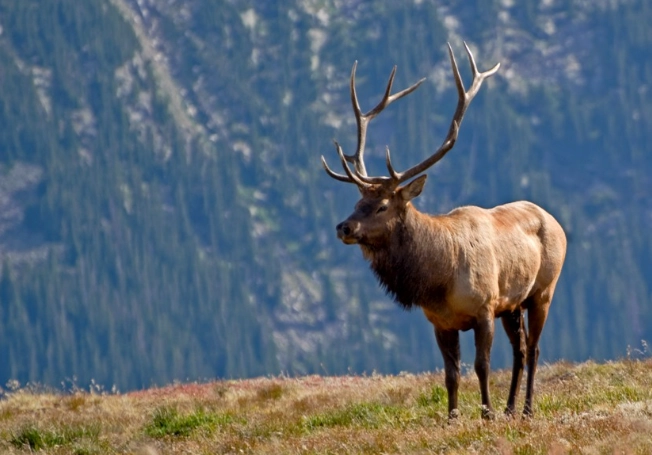
Meet the Rocky Mountain Elk: More Than Just a Big Deer
First off, let's clear something up. What we're talking about here is the Rocky Mountain elk (Cervus canadensis nelsoni), one of several subspecies in North America. They're the ones you're most likely to see from Arizona up through Colorado, Wyoming, Montana, and into Canada. They're not just oversized deer with fancy antlers. Their social structure, migration patterns, and that famous bugle are complex and fascinating.
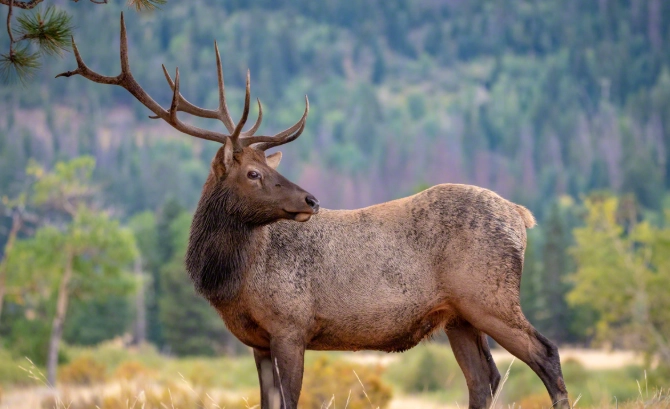
An adult bull (male) is a seriously impressive animal. We're talking 700 pounds or more, with a set of antlers that can spread five feet wide. Cows (females) are smaller, lack antlers, and are usually surrounded by calves and other cows in bigger herds. Seeing a massive bull up close is breathtaking, but honestly, I find the social dynamics of the cow herds just as interesting to watch.
Why Are They Here? A Look at Elk Habitat
Elk are creatures of edge habitats. They love the transition zones—where meadows meet forests, where aspen groves border pine trees. This gives them open space to graze on grasses and plants (they're primarily grazers, not browsers like deer) and quick cover to hide in if needed. The Rocky Mountains, with their complex mosaic of alpine meadows, river valleys, and dense conifer forests, are basically elk paradise.
Their lives are dictated by seasons. In summer, they follow the retreating snowline up to high mountain meadows. Come fall, they descend for the rut (mating season). Winter finds them in lower valleys where snow is shallower and food is somewhat easier to find. This annual migration is a key part of their survival, and disrupting these corridors is a major conservation issue. Organizations like the U.S. Forest Service work on managing these landscapes for elk and other wildlife.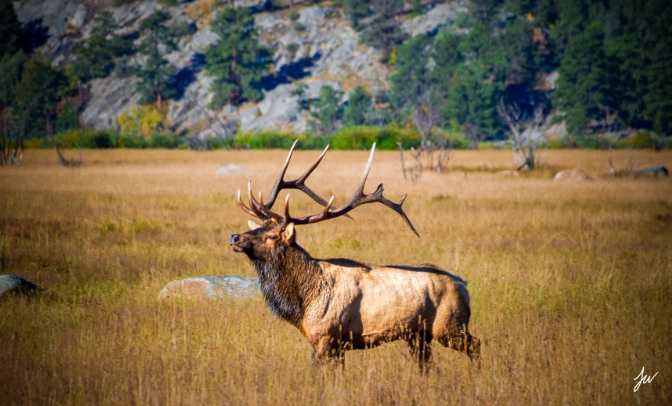
The Rut: The Noisy, Dramatic Heart of Elk Season
If there's one time everyone wants to see elk in the Rocky Mountains, it's during the rut, roughly from mid-September to mid-October. This is when the bulls bugle, fight, and gather harems of cows. The energy in the mountains changes. The air gets crisp, the leaves turn, and the woods sound like they're full of screaming aliens.
But why all the noise? The bugle serves a few purposes. It's a challenge to other bulls, a show of fitness to attract cows, and a way to keep a harem together. A full bugle often ends in a series of deep grunts. It's a bizarre, spine-tingling sound. You haven't really experienced fall in the Rockies until you've heard it.
Top Behaviors to Watch For During the Rut:
- The Bugle: The iconic sound. Bulls will often bugle from a prominent spot in a meadow.
- Harem Herding: A bull constantly moving, nudging, and rounding up his group of cows. He looks stressed. He is stressed.
- Sparring and Fighting: Not all clashes are full-on, antler-crashing battles. Often, it's shorter sparring matches to establish dominance. But when two big bulls really go at it, the sound is like wooden baseball bats cracking together. It's intense.
- Wallowing: Bulls will urinate in muddy pits and then roll in it. It sounds gross (and it is), but it's thought to help spread their scent and make them look more imposing.
It's easy to get caught up in the drama, but remember this is serious, exhausting business for the bulls. They barely eat for weeks. By the end of the rut, they're spent, and they'll drop their antlers in the spring to start the process over.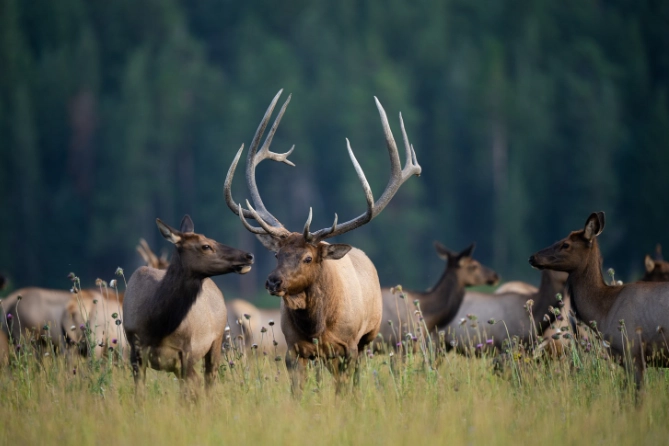
Where to See Elk in the Rocky Mountains: The Top Spots
Okay, so you're convinced. Where do you actually go? The truth is, elk are widespread, but some places offer reliably good viewing with better accessibility. Here’s a breakdown of some of the most famous—and a few less crowded—locations for spotting elk in Rocky Mountain landscapes.
| Location (State) | Best Time to Visit | What Makes It Special | Viewing Tip |
|---|---|---|---|
| Rocky Mountain National Park (CO) | Sept-Oct (Rut), Dawn/Dusk | Iconic. High density of elk, especially in the Estes Park area. Easily accessible meadows. | Horseshoe Park and Moraine Park are rut hotspots. Can be VERY crowded. |
| Yellowstone National Park (WY/MT) | Fall (Rut) & Early Winter | See massive herds against geothermal features. Northern range is legendary. | Lamar Valley and Mammoth Hot Springs. Watch for wolves and bison too. |
| Grand Teton National Park (WY) | Fall & Winter | Stunning backdrop of the Teton Range. Elk use the National Elk Refuge in winter. | Antelope Flats Road. In winter, sleigh rides on the Refuge offer close views. |
| Banff & Jasper (AB, Canada) | Late Spring & Fall | Canadian Rockies scenery. Elk (called "wapiti" here) in valley bottoms. | Bow Valley Parkway in Banff. Maligne Canyon area in Jasper. Watch for bears. |
| San Juan Mountains (CO) | Fall | Less crowded than RMNP. Huge, rugged wilderness. Great for backcountry viewing. | Areas around Creede and the Alpine Loop. Requires more exploration and a good map. |
| Bitterroot Valley (MT) | Fall & Early Winter | A major migration corridor. Working ranches and wildlife. | Drive along US-93. Respect private property. The Montana FWP has good local info. |
My personal take? Rocky Mountain National Park is the classic for a reason, but the congestion in fall can feel like a wildlife traffic jam. If you want a more solitary experience, look to national forests or Bureau of Land Management (BLM) land adjacent to these parks. The elk don't know the boundary lines, and often you can find them with far fewer people around.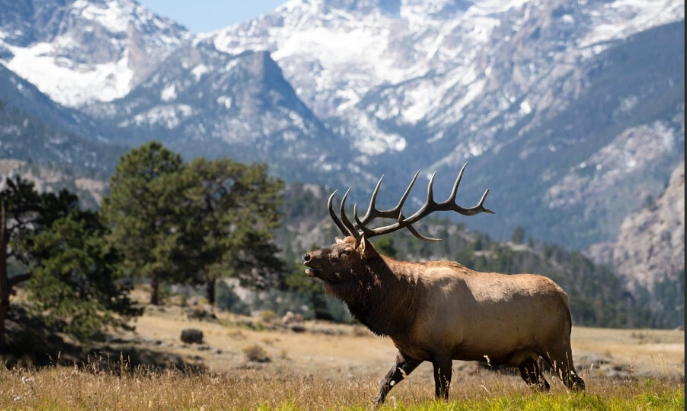
How to Watch Elk Responsibly: A Non-Negotiable Guide
This might be the most important section. Loving wildlife means not loving it to death. Our actions have real consequences for elk. Stress from human disturbance can cause them to burn precious energy, abandon good feeding areas, or even separate calves from their mothers.
Here’s the golden rule: Your presence should not change the animal's behavior. If the elk stops grazing and looks at you, you're too close. If it moves away, you're definitely too close.
The Essential Safety & Etiquette Checklist:
- Distance is Everything: Use the "rule of thumb." Hold your thumb up at arm's length. If you can cover the entire animal with your thumb, you're probably at a safe distance. For elk, that's often 75-100 feet or more. For a rutting bull, make it farther.
- Never Feed Wildlife: This cannot be stressed enough. It's illegal in national parks and harmful everywhere. It teaches elk to associate people with food, leading to aggressive behavior and often the animal's death.
- Stay in Your Car (When Possible): In many park viewing areas, your car acts as a blind. Elk are often more tolerant of vehicles than of people on foot. Roll down the window and listen.
- Keep Noise Down: Talk softly. Don't yell to get their attention (yes, I've seen it). The goal is to observe, not interact.
- Respect Closures: Seasonal area closures, especially in spring for calving and in winter for critical feeding grounds, exist for the animals' survival. Obey them.
I get the temptation to get that perfect shot. But a slightly more distant, authentic photo of a relaxed elk is worth more than a close-up of a stressed animal you had to harass to get. The Colorado Parks and Wildlife viewing guidelines are a fantastic resource that applies broadly.
Photographing Elk in the Rockies: Beyond the Snapshot
So you want to bring home more than a blurry dot in a landscape? Elk photography is challenging but rewarding. Light, weather, and the elk's cooperation are all variables you can't control. That's part of the fun, and the frustration.
First, gear. You don't need the most expensive camera, but a DSLR or mirrorless camera with a telephoto lens (200mm minimum, 400mm or more is ideal) will make a world of difference over a phone camera. A sturdy tripod is your friend, especially in low dawn light.
What to Focus Your Lens On (Pun Intended):
Everyone wants the bull bugling at sunrise. Try looking for these other moments too:
- Details: The texture of wet antler velvet in September. The steam from a breath on a cold morning. A calf's spotted coat.
- Behavior: A cow grooming her calf. Two bulls sparring. The entire herd moving like a river through golden grass.
- Habitat: Place the elk in its environment. A lone elk in a vast, snowy meadow tells a story of winter survival.
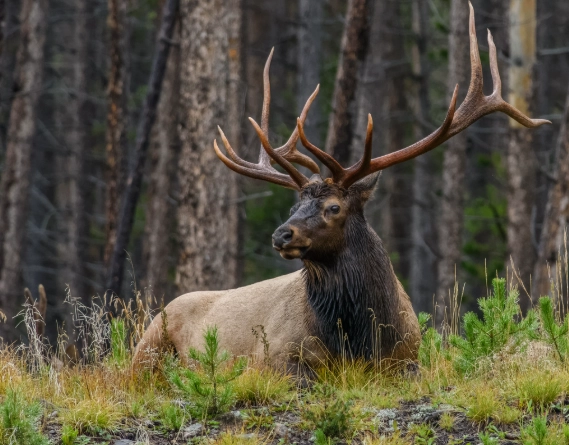
Patience, again, is key. Set up in a likely area before sunrise or stay late until sunset. The best light and the most active elk happen at the edges of the day. And for heaven's sake, turn off your flash. It spooks animals and ruins the natural light.
Frequently Asked Questions About Elk in the Rocky Mountains
Let's tackle some of the common questions I hear, and some you might not have thought to ask.
The Bigger Picture: Conservation and Coexistence
Seeing elk is a privilege, and it's one that requires healthy landscapes. Elk face challenges like habitat fragmentation from roads and development, competition with livestock on public lands, and the impacts of climate change on their seasonal habitats.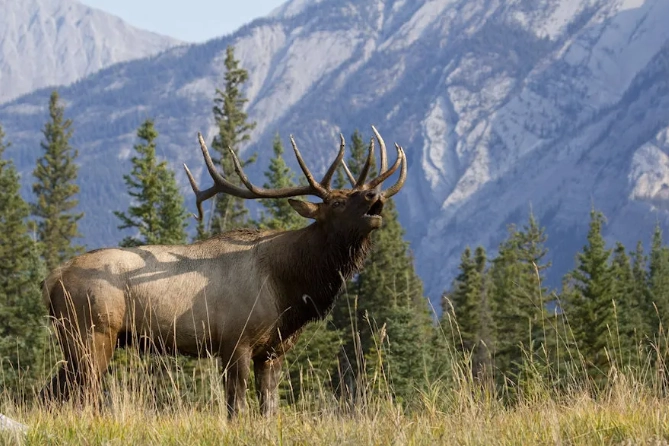
What can you do? Support conservation organizations that work to protect migration corridors. Be a responsible visitor and advocate for sound wildlife management policies. When you visit, spend money in local communities that value living near wildlife—it gives them an economic incentive to protect it.
Understanding the life of an elk in Rocky Mountain country isn't just about knowing where to look. It's about understanding our role in the system. We are visitors in their home. The goal is to leave it, and them, as we found them—wild, resilient, and continuing the ancient rhythms of life in the high country.
So get out there. Pack your binoculars, your patience, and your respect. Listen for that bugle. Watch for those dark shapes in the meadow at last light. It's an experience that sticks with you, a connection to a wilder part of the world that, thankfully, still exists right here in the Rocky Mountains.