Explore the Parks: A Quick Guide
- The Heavy Hitters: States with the Most National Parks
- The Complete List: National Parks by State
- How to Use This "By State" Info for Actual Trip Planning
- States with Only One National Park (The Solo Acts)
- Common Questions About National Parks by State
- The Not-So-Obvious Stuff: Crowds, Seasons, and Alternatives
- Wrapping It Up: Your Next Step
Let's be honest. Trying to figure out which national parks are where can feel like a puzzle. You hear about Yellowstone or the Grand Canyon all the time, but what about the hidden gems in your own backyard? Or maybe you're planning a big road trip and want to string together a few parks without driving across the entire continent.
That's exactly why a guide to national parks by state is so useful. It's not just a list—it's a starting point for your next adventure. I remember trying to plan a Southwest trip a few years back. I knew I wanted to see a few big names, but I had no clue how close some of them were to each other, or that a smaller, less crowded park was just a short detour away. A simple state-by-state breakdown would have saved me hours of staring at a giant map.
So, let's break it down. The United States has 63 official national parks. They're spread across 30 states and two U.S. territories. Some states, like Alaska and California, are jam-packed with them. Others have just one. And a bunch have none at all, though they might have national monuments, seashores, or battlefields which are also worth your time.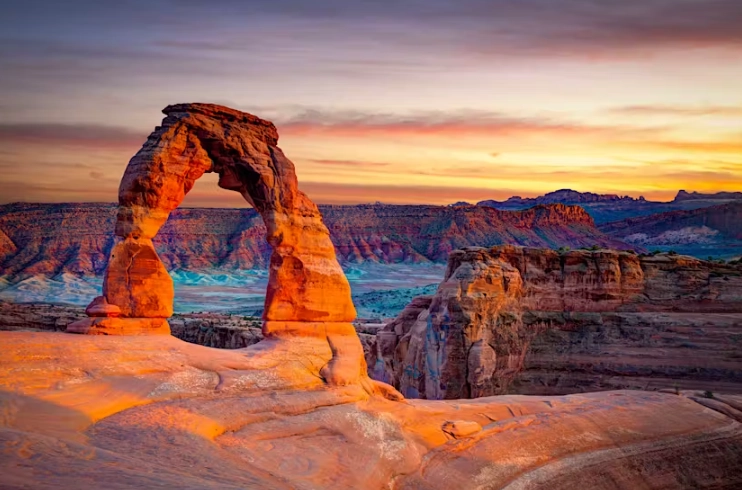
The Heavy Hitters: States with the Most National Parks
If you're looking for variety, you'll want to focus on a few key states. These are the powerhouses of the national park system.
Alaska takes the crown with 8 national parks. This makes sense when you think about its sheer size and wild landscapes. We're talking about places like Denali, home to North America's tallest peak, and Wrangell-St. Elias, a park so massive it's bigger than Yellowstone, Yosemite, and Switzerland combined. The catch? Many of Alaska's parks are remote. You can't just drive up to a visitor center for most of them. Access often requires small planes, boats, or serious backcountry hiking. It's for the true adventurer.
Right behind is California with 9 national parks. The range here is insane. You have the scorching desert landscapes of Death Valley (the hottest, driest, and lowest national park), the iconic granite cliffs of Yosemite, the ancient giant sequoias in Sequoia and Kings Canyon, and the rugged Pacific coastline of Channel Islands. You could spend a lifetime exploring California's parks and still not see it all. The downside? Some, especially Yosemite Valley, can feel overwhelmingly crowded, almost like a natural theme park at peak season.
Utah is the other big player, boasting 5 national parks famously known as "The Mighty 5." What's fantastic about Utah is how relatively close they are to each other, making a phenomenal road trip. In one loop, you can see the otherworldly arches of Arches National Park, the deep canyons of Canyonlands, the towering hoodoos of Bryce Canyon, the sprawling red rock of Capitol Reef, and the sheer Navajo sandstone cliffs of Zion. Each has a distinct personality.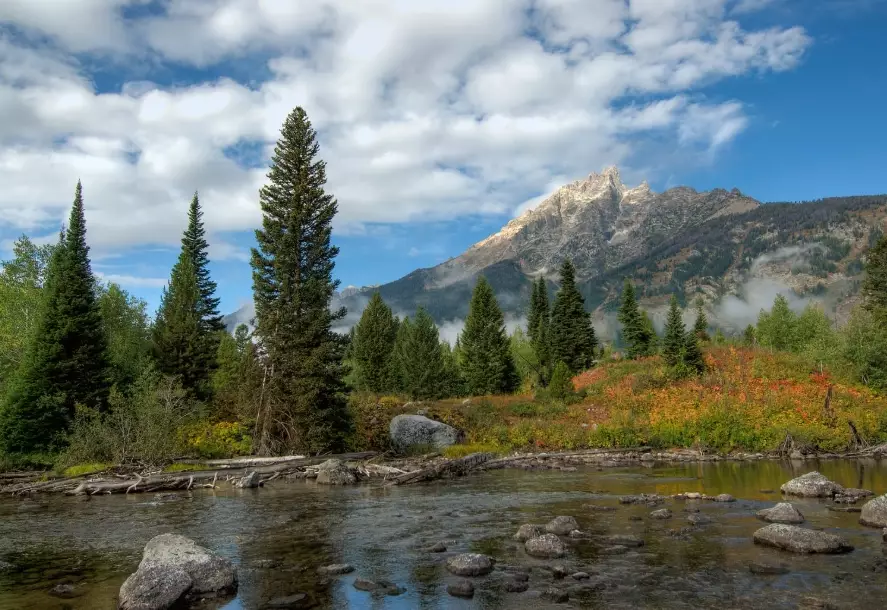
The Complete List: National Parks by State
Here’s the full rundown. This is the core of what you're looking for when you search for "national parks by state." I've included the year it became a national park, which sometimes tells a fun story about how America's appreciation for different landscapes has evolved.
| State | National Park(s) | Year Established as Park | Notable Feature |
|---|---|---|---|
| Alaska (8) | Denali, Gates of the Arctic, Glacier Bay, Katmai, Kenai Fjords, Kobuk Valley, Lake Clark, Wrangell-St. Elias | 1917 - 1980 | Vast wilderness, glaciers, wildlife |
| California (9) | Channel Islands, Death Valley, Joshua Tree, Kings Canyon, Lassen Volcanic, Pinnacles, Redwood, Sequoia, Yosemite | 1890 - 2013 | Extreme diversity: deserts, mountains, giant trees, coastlines |
| Utah (5) | Arches, Bryce Canyon, Canyonlands, Capitol Reef, Zion | 1919 - 1971 | Spectacular red rock formations and canyons |
| Colorado (4) | Black Canyon of the Gunnison, Great Sand Dunes, Mesa Verde, Rocky Mountain | 1906 - 2004 | From ancient cliff dwellings to towering dunes |
| Washington (3) | Mount Rainier, North Cascades, Olympic | 1899 - 1968 | Glacier-capped volcanoes, temperate rainforest |
| Hawaii (2) | Haleakalā, Hawai'i Volcanoes | 1916 - 1961 | Active volcanoes, unique ecosystems |
| Montana (2) | Glacier, part of Yellowstone | 1910 | Going-to-the-Sun Road, pristine lakes |
| Wyoming (2) | Grand Teton, most of Yellowstone | 1872 - 1929 | World's first national park, iconic mountain range |
| Arizona (3) | Grand Canyon, Petrified Forest, Saguaro | 1919 - 1994 | One of the Seven Natural Wonders, ancient fossils, giant cacti |
| Florida (3) | Biscayne, Dry Tortugas, Everglades | 1934 - 1992 | Marine ecosystems, crocodiles, remote fort |
The table above covers the states with multiple parks. But what about the states with a single, standout national park? This is where a list of national parks by state gets really interesting for trip planning. You might be near one without even realizing it.
Think about Maine's Acadia—the only national park in the Northeast. It's a masterpiece of rocky coastline and mountain vistas. Or South Dakota's Badlands, with its surreal, eroded landscapes that feel like another planet. Texas has Big Bend, a huge, remote park on the Mexican border with incredible night skies. Michigan's Isle Royale is the least visited park in the lower 48, a secluded island wilderness in Lake Superior perfect for backpackers and kayakers.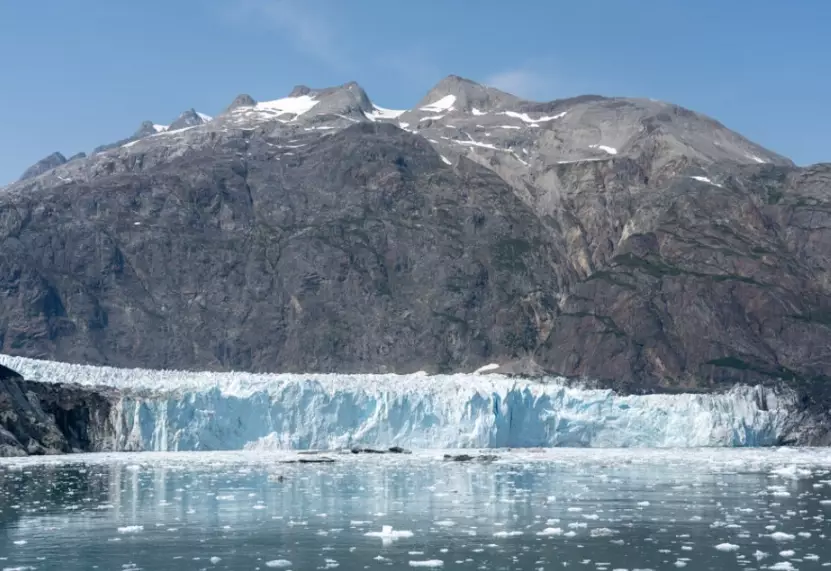
How to Use This "By State" Info for Actual Trip Planning
Okay, so you have the list. Now what? How do you turn a simple breakdown of national parks by state into a real itinerary?
Strategy 1: The Deep Dive
Pick one state with multiple parks and explore it thoroughly. Utah is perfect for this. Fly into Las Vegas or Salt Lake City, rent a car, and spend 10-14 days hitting The Mighty 5. You get minimal driving between parks and maximum scenery. California's parks are more spread out, so you'd likely need to focus on a region, like the Sierra Nevada (Yosemite, Sequoia, Kings Canyon) or the desert (Joshua Tree, Death Valley).
Strategy 2: The Regional Loop
Combine parks from neighboring states. The classic example is the Southwest loop: Grand Canyon (AZ) + Zion & Bryce (UT) + maybe even dip into Mesa Verde (CO) or Petrified Forest (AZ). Another great one is the Pacific Northwest: Olympic, Mount Rainier, and North Cascades in Washington, with the option to extend down to Crater Lake in Oregon (though Oregon, surprisingly, has no "National Park"—Crater Lake is a National Park, but it's the only one in the state).
Strategy 3: The Thematic Trip
Group parks by what you want to see. A "Volcanoes and Lava" trip could include Hawai'i Volcanoes (HI), Lassen Volcanic (CA), and Craters of the Moon National Monument (ID). A "Canyons and Deserts" trip is self-explanatory with the Utah/Arizona parks.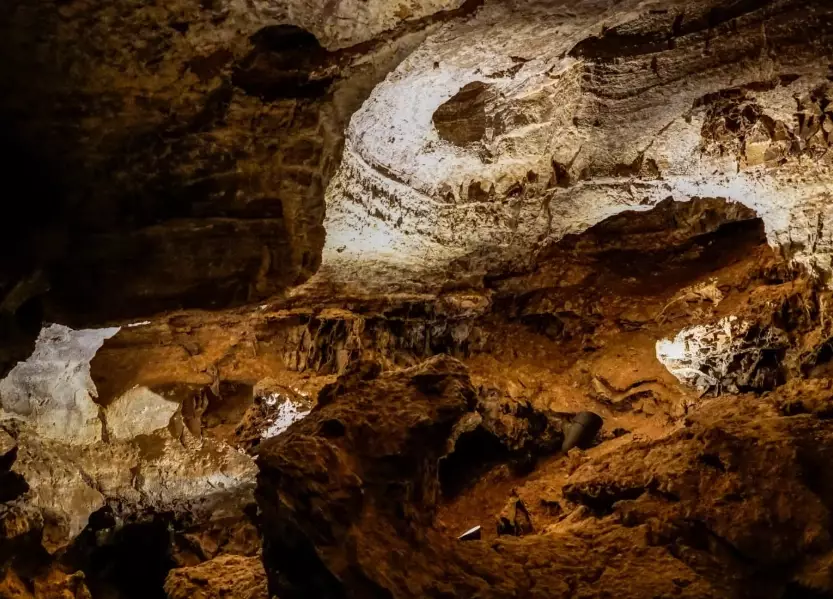
States with Only One National Park (The Solo Acts)
These parks often become the defining natural landmark for their entire state. They're usually must-sees.
- Acadia National Park (Maine): Famous for Cadillac Mountain, the first place the sun hits the U.S. each morning. Amazing for fall foliage.
- Badlands National Park (South Dakota): Right off I-90, it's an easy stop. The layered rock formations are stunning at sunrise/sunset.
- Carlsbad Caverns National Park (New Mexico): Not a surface park. You descend into an enormous, fantastical underground world. The bat flight at dusk is a major draw.
- Congaree National Park (South Carolina): Protects the largest intact old-growth bottomland hardwood forest in the U.S. It's flat, swampy, and full of giant trees. A very different feel from mountain parks.
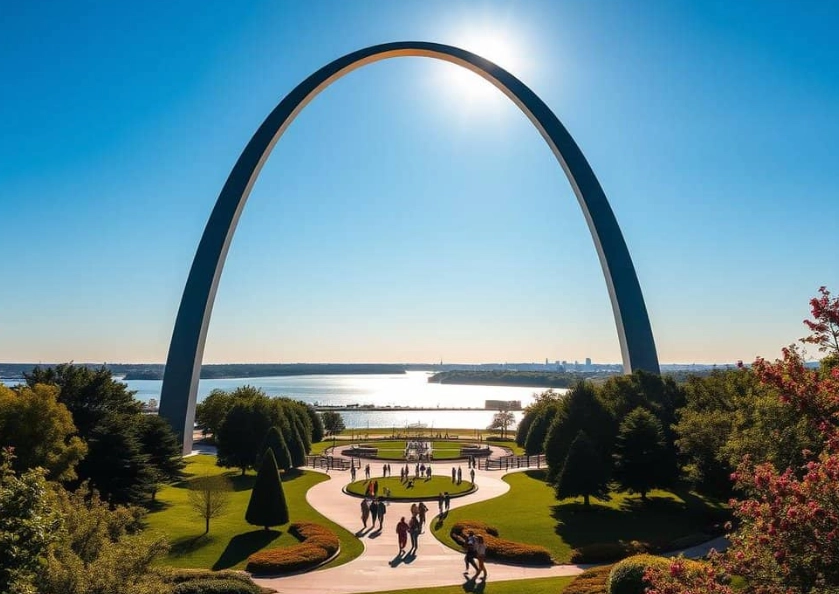
- Gateway Arch National Park (Missouri): Yes, it's a park! The smallest one. It commemorates westward expansion. It's urban and historical, not wilderness.
- Great Smoky Mountains National Park (North Carolina/Tennessee): The most visited national park in the country, thanks to its location and free entry. Misty mountains, diverse wildlife, and deep Appalachian history.
- Indiana Dunes National Park (Indiana): A relatively new park (2019) on the shore of Lake Michigan. It combines beautiful beaches with unique dune ecosystems surprisingly close to Chicago.
- Isle Royale National Park (Michigan): As mentioned, it's remote. Access is by ferry or seaplane. It's a backpacker's paradise with moose and wolves.
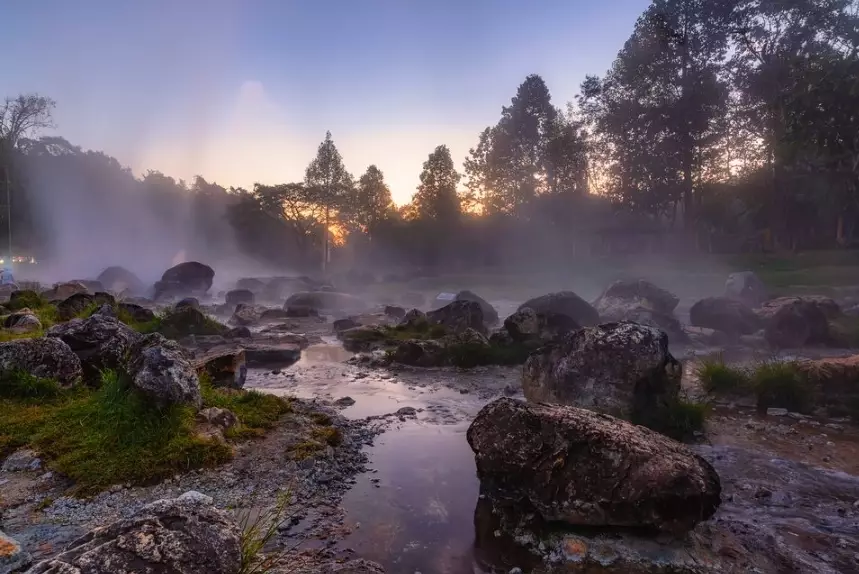
- Hot Springs National Park (Arkansas): Another historical park. The focus is on the historic Bathhouse Row where you can still soak in the thermal waters. It's literally within a city.
- Wind Cave National Park (South Dakota): Often overshadowed by nearby Badlands and the Black Hills. It features one of the world's longest and most complex caves with a unique "boxwork" formation, plus a great bison herd on the surface.
See what I mean? Knowing which park belongs to which state helps you mentally map the country's natural wonders. You start to see patterns—the desert parks in the Southwest, the volcanic parks along the Pacific Ring of Fire, the mountain parks in the Rockies.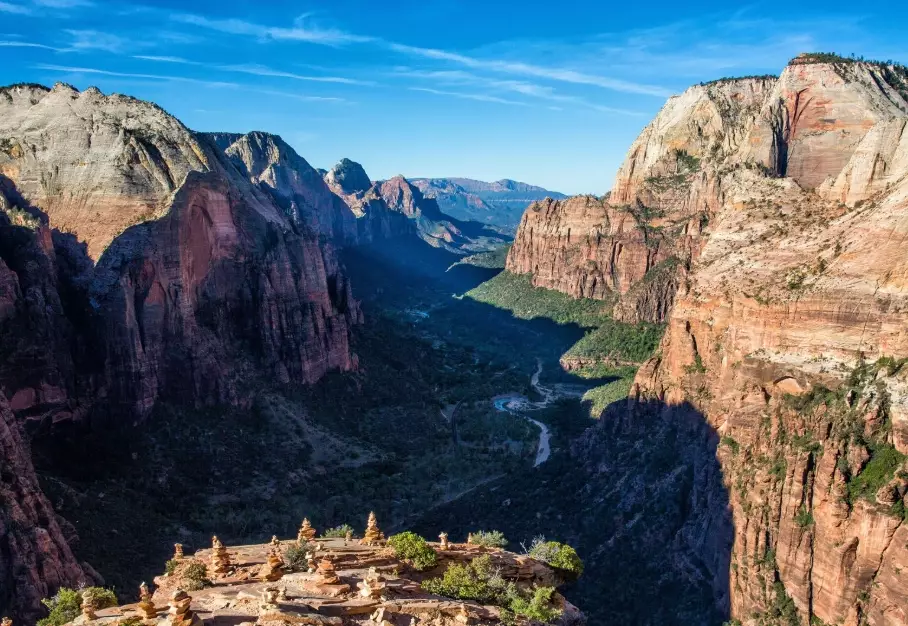
Common Questions About National Parks by State
Let's tackle some of the things people really want to know when they dig into this topic. These are the questions I had, and ones I see pop up all the time in forums and comment sections.
The Not-So-Obvious Stuff: Crowds, Seasons, and Alternatives
A simple list of national parks by state doesn't tell you the whole story. Let's get into the nitty-gritty that can make or break a trip.
Crowds: The most famous parks in the most accessible states get swamped. Yosemite Valley in summer, Zion's Angels Landing trail, the South Rim of the Grand Canyon—these places can feel more like a queue than a wilderness. My personal least favorite park experience was at Arches on a July afternoon. The line of cars waiting to get in was miles long, and the main viewpoints were packed. We ended up leaving early out of frustration.
The solution? Go to the less famous parks in a state. In Utah, everyone goes to Zion and Arches. But Capitol Reef is stunning and gets a fraction of the visitors. In California, instead of fighting the crowds in Yosemite Valley, consider Lassen Volcanic or the remote parts of Kings Canyon. Use the state list to identify the secondary options.
Seasons: This is huge. Death Valley in July is life-threateningly hot. Glacier National Park's famous Going-to-the-Sun Road is closed by snow from October to June most years. Great Smoky Mountains is gorgeous in fall, but the traffic is bumper-to-bumper. Always, always research the best time to visit for the specific park and activity you want. A state-by-state guide gives you the names, but you have to dig deeper on timing.
Alternatives (National Monuments, etc.): Sometimes, the neighboring National Monument is just as cool and way less crowded. Instead of Bryce Canyon, check out Cedar Breaks National Monument (like a mini-Bryce). Instead of only focusing on Colorado's four national parks, explore the incredible Black Canyon of the Gunnison's sister, Curecanti National Recreation Area, or the stunning Colorado National Monument. The Bureau of Land Management (BLM) and U.S. Forest Service manage lands with comparable beauty, often right next door.
Wrapping It Up: Your Next Step
So, you've got your list of national parks by state. You've seen which states are the major players and which have a single star attraction. You've thought about crowds and seasons.
What now?
Pick a region that calls to you. Maybe it's the red rock country of the Southwest, or the misty peaks of the Pacific Northwest. Use the state breakdown to anchor your plan. Choose one or two "anchor" parks from the list, then research what's around them—other parks, monuments, state parks, cool towns.
And remember, the National Park Service website is your bible for each park. It has current conditions, alerts about closures, permit requirements, and suggestions for hikes suited to different abilities.
Exploring the national parks by state is a fantastic way to see America. It takes you to places you'd never otherwise go, from the tropical waters of Dry Tortugas to the silent forests of Isle Royale. Use this guide as your starting map, then go get lost in the good way. Just maybe not literally lost—bring a good map, too.