Quick Navigation
Let's be honest, we all dream of having a national park mostly to ourselves. The idea of standing on a cliff edge with no one else in sight, or hearing nothing but the wind and your own footsteps on a trail, is pretty powerful. But with over 400 national park sites, where do you even begin to find these hidden gems? The famous ones are, well, famous for a reason—they're incredible. But they can also feel like a well-organized outdoor theme park during peak season.
That's where this list comes in. We're not just talking about parks with slightly shorter lines. We're talking about the truly least crowded national parks, places where visitor numbers are measured in the tens of thousands per year, not millions. These are destinations for those who value solitude and a raw, unfiltered connection with nature above all else.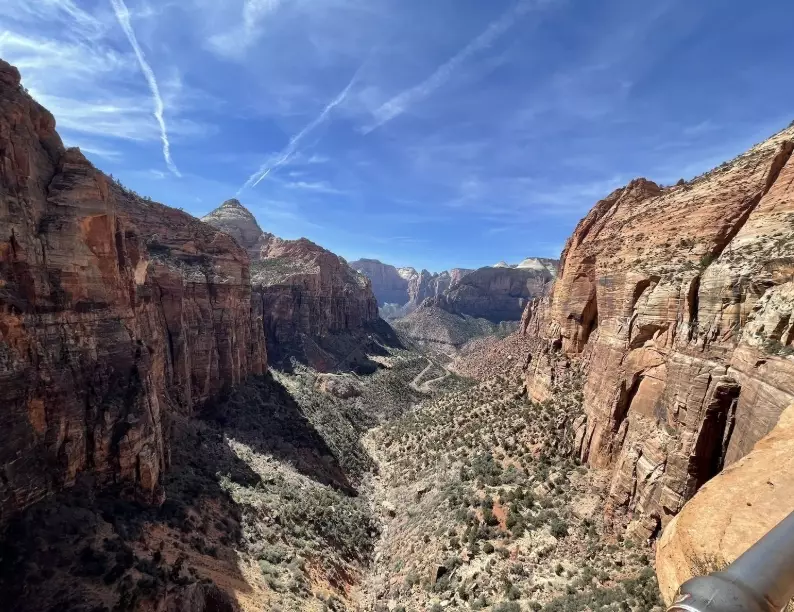
Why seek out the least visited parks? It's not just about avoiding crowds. It's about a different kind of experience. The trails feel more wild. Wildlife acts more naturally. You can find a campsite without a six-month reservation. The pace slows down. You notice more. For me, the magic of a place like Isle Royale isn't just the moose—it's the profound quiet that lets you hear your own thoughts.
What Makes a Park "Least Crowded"?
It's not just about raw visitor numbers, though that's a big part of it. Accessibility plays a huge role. A park that requires a long drive down a dirt road, or better yet, a boat or seaplane ride, is naturally going to filter out the casual visitor. Remoteness is the ultimate crowd-control measure.
Seasonality matters too. Some of these parks are essentially closed or extremely challenging for half the year due to snow. Their short, sweet summer season is when they see most of their visitors, but even then, the numbers are shockingly low compared to a Great Smoky Mountains.
I also think a park's "marketing" affects it. Some parks lack that one iconic, Instagram-famous landmark. They offer subtle beauty—ancient forests, vast silent deserts, complex mountain ranges—that doesn't always translate to a quick social media post, but rewards the patient traveler immensely.
The Top Contenders for Solitude
Based on the latest annual visitation data from the National Park Service, here are the parks that consistently see the fewest feet on their trails. Remember, low numbers mean you need to be more self-sufficient. Services are limited. Cell service is often non-existent. That's the trade-off.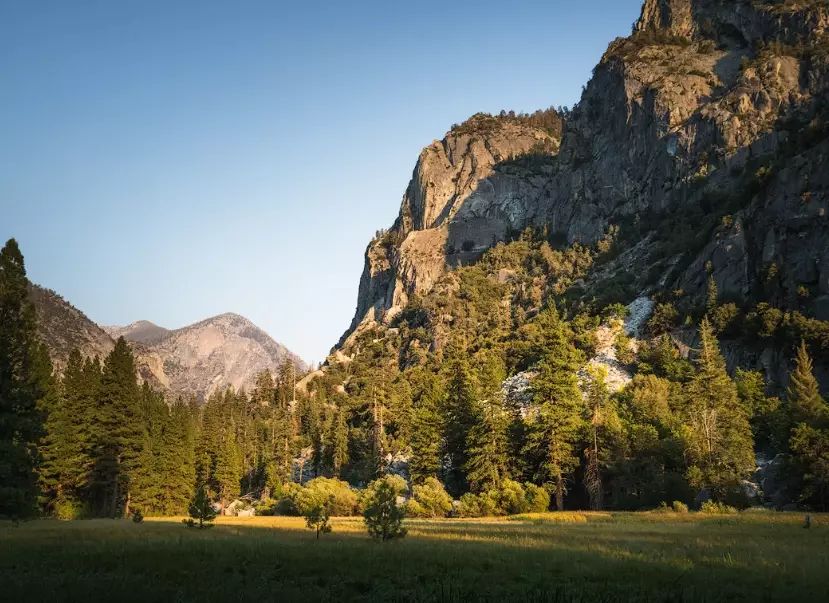
| Park Name | Location | Annual Visitors (Approx.) | Why It's Less Crowded | Best Time to Visit |
|---|---|---|---|---|
| Gates of the Arctic | Alaska | Under 10,000 | No roads, no trails, no facilities. Pure wilderness access only by plane. | June - August |
| Isle Royale | Michigan (Lake Superior) | 25,000 | Island accessible only by ferry or seaplane. Long, rugged backpacking trips are the norm. | July - September |
| North Cascades | Washington | 30,000 | Proximity to Seattle is deceptive. It's a rugged, trail-focused "American Alps" with limited roadside attractions. | July - October |
| Great Basin | Nevada | 140,000 | Remote location far from major cities. The star attraction (Lehman Caves) has limited tour capacity. | May - September |
| Congaree | South Carolina | 250,000 | Often overlooked between beach and mountain destinations. Its beauty (floodplain forests) is subtle and requires boardwalk exploration. | Fall, Winter, Spring (Summer is hot/buggy) |
See the pattern? Inaccessibility, remoteness, and a focus on challenging recreation. If you're looking for a scenic drive with a gift shop at the end, these aren't your parks. But if you want to feel like an explorer, read on.
Deep Dives into Hidden Havens
Great Basin National Park: A Desert Secret
Nevada's only national park is a masterclass in contrasts, and it's one of the best least crowded national parks in the Lower 48. You drive for hours through vast, empty sagebrush valleys, then suddenly you're climbing into mountains covered in ancient bristlecone pines, some of the oldest living things on Earth.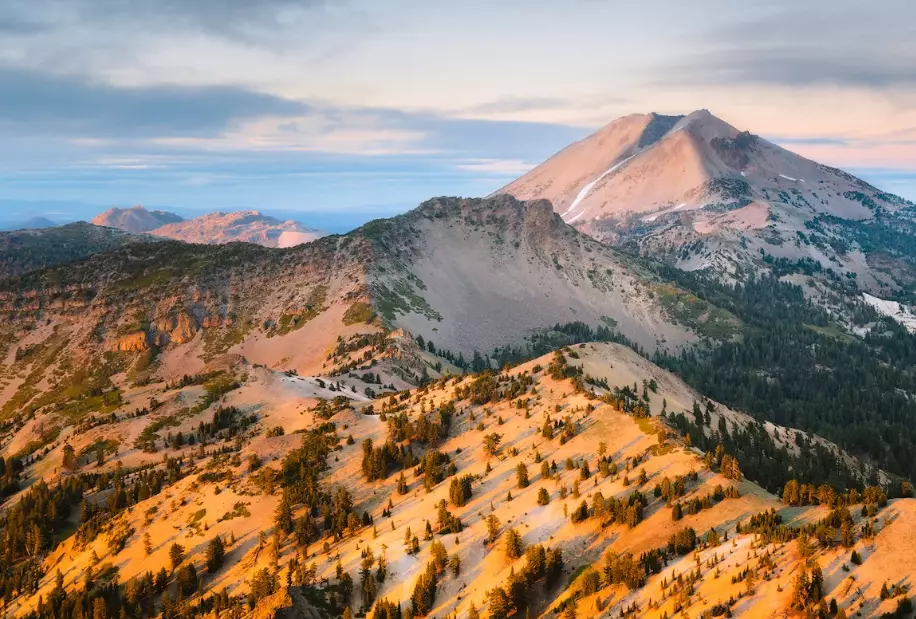
The Can't-Miss: The guided tour of Lehman Caves is mandatory. It's not the biggest cave system, but the formations are exquisite. Book this in advance on Recreation.gov—it's the only thing that really needs a reservation. Then, drive the Wheeler Peak Scenic Drive (if it's open) and hike the Bristlecone Pine Trail. Standing next to a tree that was 3,000 years old when Caesar ruled Rome is humbling.
The campgrounds here rarely fill up, even on summer weekends. The night sky is insane—it's an International Dark Sky Park. I spent one evening at the astronomy amphitheater, and seeing the Milky Way so clearly it looked like a painted cloud was worth the entire trip.
The downside? Services in the nearby town of Baker are, let's say, minimal. Fill your gas tank and buy groceries before you arrive. The park itself has no food or gas.
Isle Royale: The Wild Island
This is the ultimate backpacker's park and arguably the most serene of all the least crowded national parks. Getting there is a commitment—a 3-6 hour ferry ride from Michigan or Minnesota across the sometimes choppy waters of Lake Superior. That journey alone sets the tone.
Once you're there, it's a world of green and blue. Moose outnumber people. Wolves howl at night (if you're lucky). The trails are rugged and interconnected, leading to isolated campsites on rocky shorelines or deep in the forest. You have to carry all your gear, filter your water from lakes, and hang your food properly.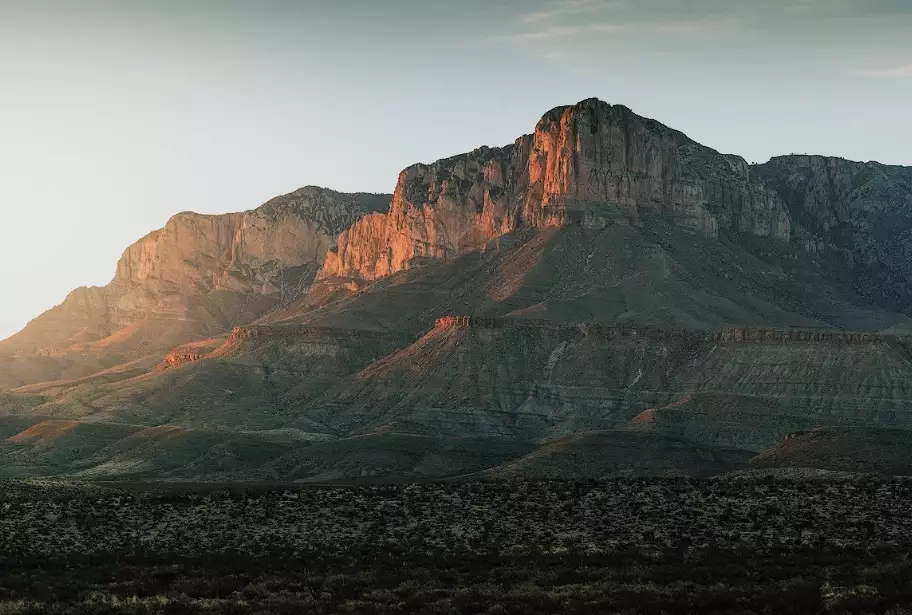
Pro Tip from a Ranger (paraphrased from NPS site advice): "Your biggest challenge won't be crowds, it will be weather and logistics. The ferries run on limited schedules and can be canceled due to waves. Give yourself buffer days. And pack for cold, wet conditions even in August. Lake Superior decides the weather." You can find detailed ferry and trip planning info on the official Isle Royale National Park website.
I did a four-day trip from Rock Harbor to Daisy Farm and back. I saw maybe ten other people on the trail each day. At my campsite by the lake, the only sounds were loons calling and waves lapping. It was isolating in the best possible way.
North Cascades: The Close-Yet-Far Wilderness
This one frustrates me a little, but in a good way. It's only a few hours from Seattle, yet it feels a world apart. It doesn't have the name recognition of Rainier or Olympic, and there's no iconic, easy-to-photograph peak from a parking lot (though the views of jagged peaks are everywhere).
This is a park for hiking. The trailheads along the North Cascades Highway lead into some of the most breathtaking alpine country in the U.S. The color of Diablo Lake is unreal—a milky, opaque turquoise from glacial flour.
But here's the catch, and why it stays uncrowded: the weather is fickle. The hiking season is short. The best high-country trails are often under snow until late July. And many of the most epic areas, like the Pasayten Wilderness or the backcountry around Mount Shuksan, require serious multi-day backpacking commitment.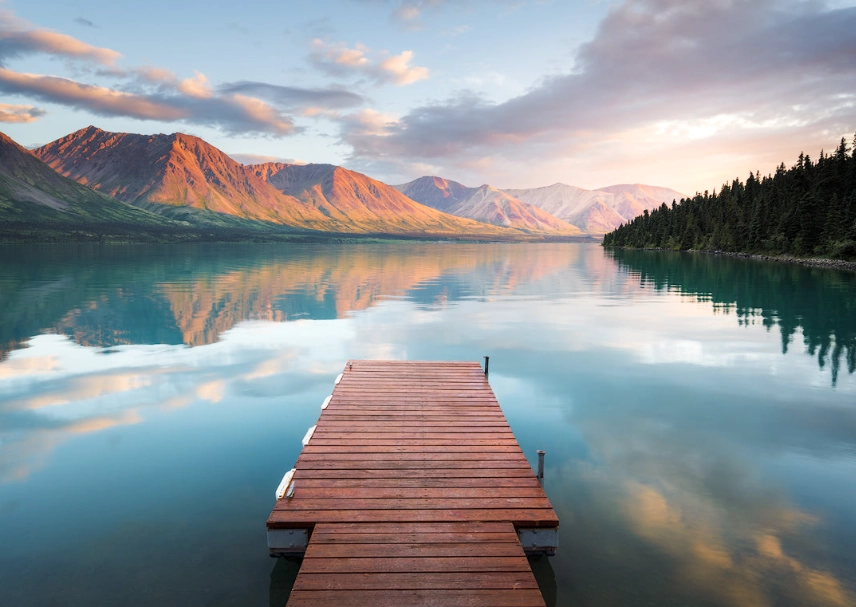
He was right. If you just drive through, you'll wonder what the fuss is about. If you strap on a pack and hike even five miles in, you'll understand why this is a crown jewel of the least visited national parks.
Planning Your Trip to an Uncrowded Park
Okay, so you're sold on the idea. How do you actually make it happen? Visiting these places requires a different mindset than a trip to Zion or Yellowstone.
Logistics Are Everything
- Transportation: Research access thoroughly. Do you need a ferry reservation (Isle Royale, Channel Islands)? A backcountry permit that's awarded by lottery (some areas of Gates of the Arctic)? A high-clearance vehicle for rough roads (roads near many parks)?
- Supplies: Assume you are completely on your own. There is no corner store. Pack all food, fuel, first-aid supplies, and spare parts (tire repair kit, extra fuel filter). A satellite communicator (like a Garmin inReach) is a wise safety investment.
- Skills: Basic wilderness first aid, navigation with map and compass (not just GPS), and Leave No Trace principles are non-negotiable. Help is far away.
Embrace the Season (or the Shoulder Season)
These parks often have a very narrow sweet spot. For Great Basin, it's late spring to early fall before the high elevations get snow. For Isle Royale, it's basically July to mid-September. Trying to go outside these windows is either impossible or a serious mountaineering endeavor.
That said, shoulder seasons—like late September in North Cascades—can be magical. Fewer people, dramatic weather, and fall colors. But be prepared for sudden storms and colder temps.
Frequently Asked Questions About Less Crowded Parks
I get a lot of the same questions whenever I recommend these spots. Let's tackle a few.
Are least crowded national parks "worse" than popular ones?
Not worse, just different. They lack the infrastructure and curated experiences of a Yosemite Valley. You trade convenience for authenticity. The landscapes are every bit as stunning, often more so because they feel untouched. But the onus is on you to experience them safely.
Is it safe to visit such remote places?
Safety is your responsibility. Rangers are few and far between. You must be competent in the backcountry. That means understanding wildlife safety (especially bears in Alaska and parts of the Rockies), weather patterns, and your own limits. Tell someone your detailed itinerary and check in. The safety comes from your preparation, not from the presence of ranger stations every few miles.
Can families visit these parks?
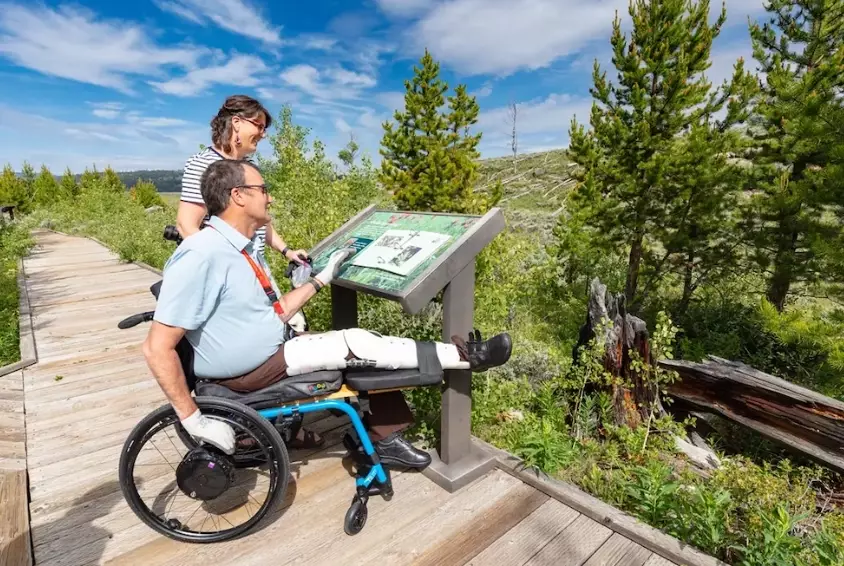
Some, yes, with careful planning. Great Basin and Congaree have fantastic, accessible boardwalk trails and short hikes perfect for kids. Isle Royale or Gates of the Arctic? Only for very experienced, outdoorsy families with older children. It's not a casual family vacation spot.
Where can I find reliable, up-to-date information?
Always, always start with the official National Park Service website for the specific park (e.g., nps.gov/grba for Great Basin). They have the only guaranteed accurate info on road closures, permit requirements, fire restrictions, and alerts. Don't rely solely on blog posts (not even this one!) from years past—conditions change.
The Reward of the Road Less Traveled
Visiting one of America's least crowded national parks isn't a passive vacation. It's an active adventure. It requires more work, more planning, and a higher tolerance for uncertainty.
But the payoff is immense.
You get to witness natural processes unfolding without a soundtrack of chatter and car engines. You might see a wolf track on a trail that hasn't seen another human in days. You'll sleep under a blanket of stars so thick it feels tangible. You'll solve problems, rely on your own skills, and come home with stories that aren't about the crowd you battled, but about the moments of pure, unadulterated wonder you found in the quiet places.
That feeling of having a piece of the American wilderness all to yourself, even for just an afternoon, is getting rarer. These parks protect that possibility. So if you're yearning for that kind of experience, pick one from the list, do your homework, pack your bags—and prepare to be happily, peacefully, alone.