Quick Guide
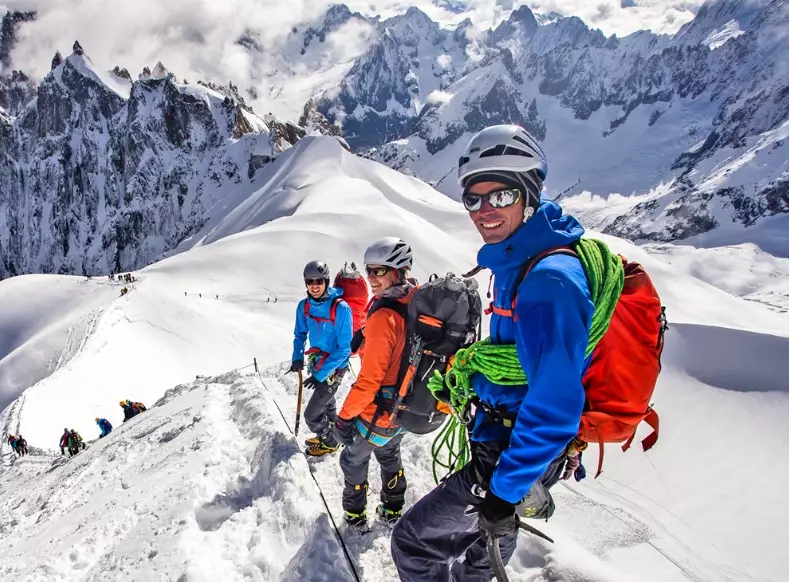
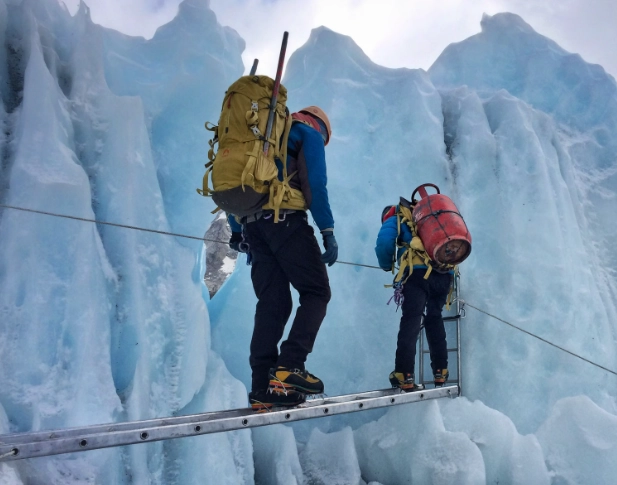
Let's talk about winter climbing. You see those pictures of people clinging to ice-covered rock or snow-plastered ridges, and part of you thinks "that's insane," while another part wonders, "what does that feel like?" I get it. I was there once, staring at a glossy magazine spread, completely mystified. It looked equal parts terrifying and breathtakingly beautiful. The truth about winter climbing is that it's not just summer climbing with a coat on. It's a different beast entirely—a slower, more methodical, and profoundly rewarding pursuit that transforms familiar landscapes into alien, pristine worlds.
The air is sharper, the silence is deeper, and every move requires a bit more thought. But if you're curious about stepping into this world, where do you even begin? The information out there can feel either overly technical or dangerously vague. My aim here isn't to sell you a dream, but to give you the real, practical roadmap I wish I'd had. We'll strip away the mystique and talk about the actual stuff: the gear that won't let you down, the safety rules you can't afford to ignore, and the mindset shift that's more important than any piece of equipment.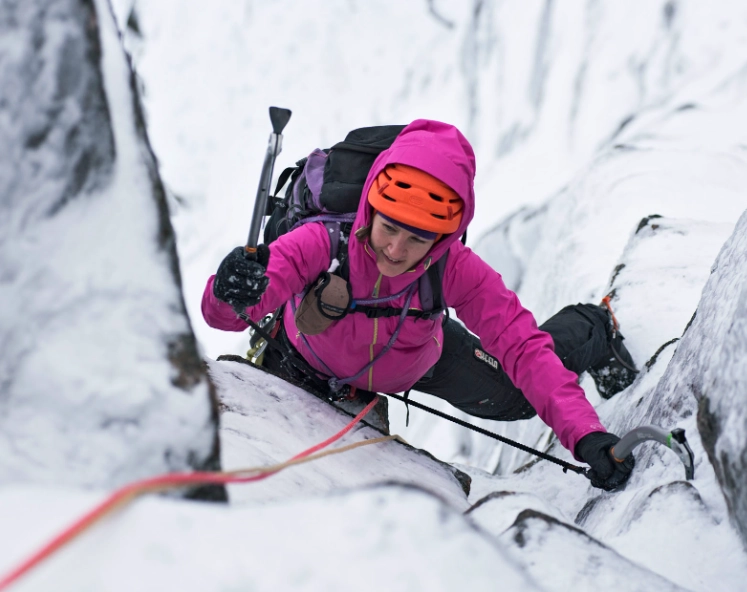
Why Winter Climbing is a Different Game Altogether
You can't just translate your summer skills directly to the winter environment. Everything changes, and understanding this is your first critical step. The rock you knew like the back of your hand in July is now disguised under verglas (that's a thin, slippery coat of ice, for the uninitiated). Handholds are frozen. Footwear is clunkier. Your dexterity plummets the second your fingers start to get cold. A simple route can become a serious undertaking.
The weather isn't just an inconvenience; it's the main antagonist. It dictates everything. A bright, calm start can morph into a whiteout with biting winds in a shockingly short time. This means your decision-making needs a huge safety buffer. Turning back has to be a comfortable, standard option, not a mark of failure. The margin for error is simply thinner. A slip in summer might mean a scrape. A slip in winter, especially on exposed ground, can have far more severe consequences due to the cold and complex terrain.
Then there's the light—or lack thereof. Days are short. You need to be efficient with time, which often means starting in the dark and finishing in the dark. Navigating in winter, especially in poor visibility, is a core skill in itself. What looks obvious on a map in summer can be completely featureless under snow.
So, is it worth it? Absolutely. The solitude, the crisp air, the incredible beauty of rime ice coating everything, and the immense satisfaction are unparalleled. But you have to respect the game.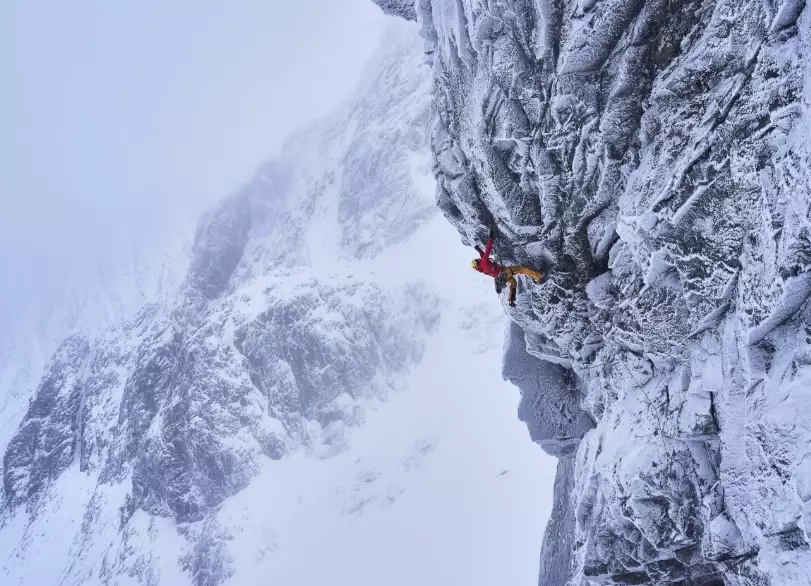
The Non-Negotiable Gear List for Winter Climbing
Forget about making do. In winter climbing, your gear is your lifeline. Compromising here is the fastest way to a miserable or dangerous day. This isn't about having the most expensive brand; it's about having the right tool for the job. Let's break it down into a system, from the skin out.
The Layering System: Your Personal Climate Control
Cotton is rotten. You'll hear that a lot, and it's gospel for winter climbing. Cotton holds moisture (sweat, melted snow) against your skin, sucking heat away from your body. You need synthetic or wool layers that move moisture out.
- Base Layer: Think merino wool or synthetic fabrics like polyester. This layer manages moisture. It should fit snugly.
- Mid Layer(s): This is your insulation. A fleece or lightweight synthetic puffy is perfect. The key is versatility—being able to add or remove layers as your exertion level and the weather change.
- Outer Layer (Shell): This is your shield. A waterproof and highly breathable hard-shell jacket and pants are essential. They keep wind, snow, and rain out while letting sweat vapor escape. Look for robust fabrics; brambles and rock are less forgiving in winter.
- Belay Jacket: This is a game-changer. A big, warm, insulated jacket (usually down or synthetic) that you throw on the second you stop moving. When you're belaying or taking a break, your body heat plummets. This puffy is your best friend.
Protecting the Extremities
Your body will sacrifice blood flow to your hands and feet to keep your core warm. Your job is to prevent that.
Footwear: This is arguably the most important piece. Sturdy, insulated, stiff-soled winter mountaineering boots are the standard. They need to be compatible with crampons. My old three-season boots were a disaster; my feet were blocks of ice. Modern insulated boots are miracles of engineering. Try them on with the socks you intend to wear.
Handwear: A system works best here too. Thin liner gloves (for dexterity during tricky sections), a pair of warm insulated gloves for most climbing and belaying, and heavy-duty mittens for the coldest moments or belays. Always carry a spare pair; wet gloves are useless.
Headwear: A lot of heat is lost through your head. A warm beanie that fits under your helmet is mandatory. A neck gaiter or balaclava is also incredibly versatile for protecting your face from wind.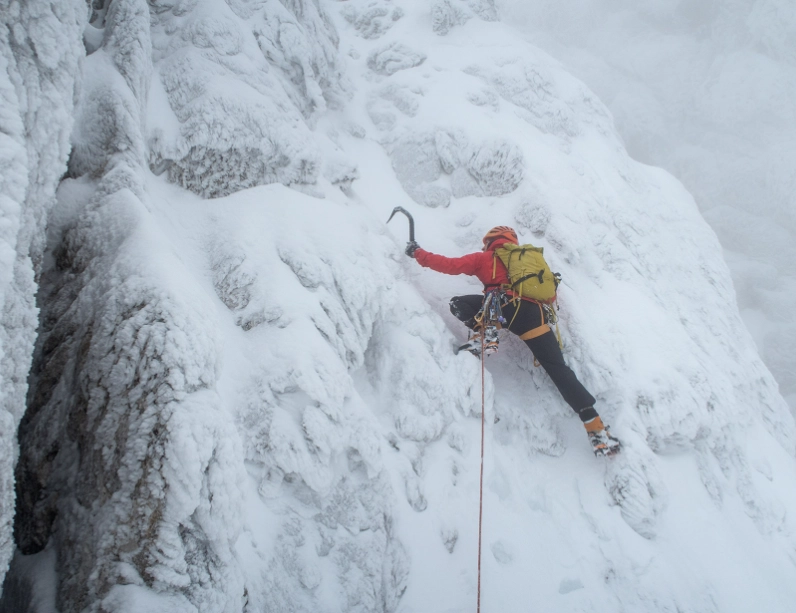
Technical Hardware
This is where your summer rack gets a winter upgrade.
| Item | Summer Use | Winter Specifics / Upgrade | Why It Matters |
|---|---|---|---|
| Boots | Flexible climbing shoes or approach shoes | Insulated, stiff mountaineering boots (B2/B3 rating) | Provides warmth, support for crampons, and edging on snow/ice. |
| Crampons | Not used | Steel crampons (usually step-in/hybrid for boot compatibility) | Essential for traction on ice and hard snow. Must be properly fitted to your boots. |
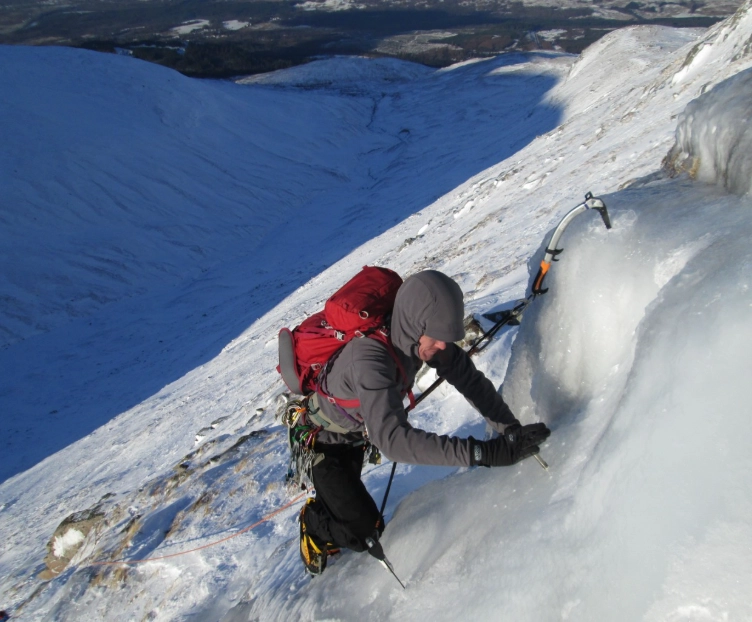
| Ice Axe(s) | Not used (trekking poles maybe) | One or two technical ice tools. Shaft angle, weight, and grip are key. | Your primary means of ascent and security on steep ice and snow. |
| Helmet | Standard climbing helmet | Winter-specific helmet or one with fewer vents. Consider compatibility with headlamps & goggles. | Protects from falling ice and rock, which is more common in winter. Also retains heat. |
| Gloves | Basic belay gloves | System: liners, insulated climbing gloves, belay mittens. | Maintaining dexterity while preventing frostnip is a constant battle. |
| Protection | Nuts, cams | Ice screws, snow pickets, longer slings. Nuts and cams still used on mixed ground. | Rock gear can freeze in place. Ice screws are the primary pro for frozen waterfalls. |
The Safety Protocol: Your Brain is Your Best Tool
All the gear in the world is pointless without the knowledge and judgment to use it. Winter climbing safety is a holistic practice.
Avalanche Awareness: It's Not Just for Skiers
If your winter climbing route involves any snow slopes at an angle, you need to think about avalanches. This is a massive topic, but here's the absolute baseline:
- Get Educated: Take an avalanche safety course (AIARE or equivalent in your country). Reading an article is not enough.
- Check Forecasts: Always consult the local avalanche forecast before you go. In the US, sites like the American Avalanche Association provide links to regional forecast centers. This is non-negotiable.
- Carry the Gear & Know How to Use It: Every member of the party needs a transceiver, shovel, and probe, and must be proficient in their use. Practice, practice, practice.
I once turned around on a much-anticipated ridge because the avalanche forecast was "Considerable" and the slope aspect was all wrong. Was I disappointed? Sure. But the alternative doesn't bear thinking about. That decision is one I'm most proud of.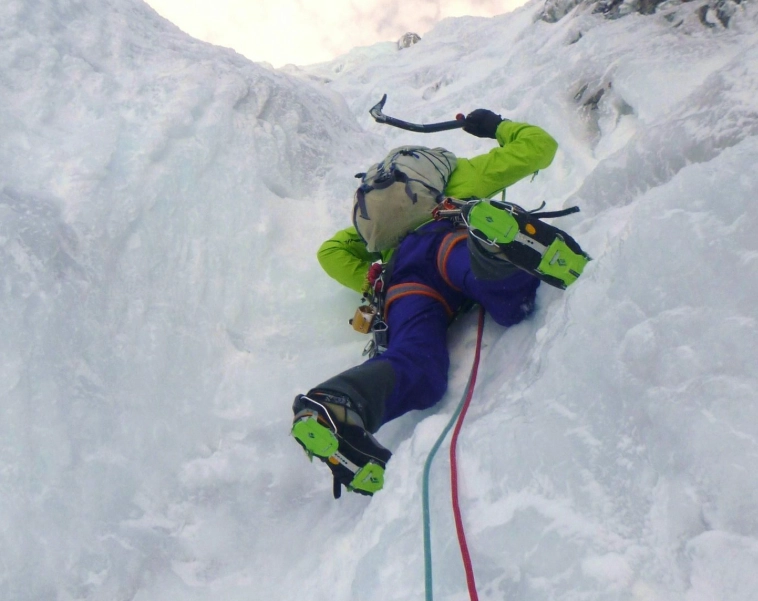
Weather and Navigation
Always check a detailed mountain weather forecast from a reliable source like the National Weather Service (in the US). Look at temperature, wind speed and direction, precipitation, and cloud cover. Wind chill is a real factor that can drastically change the feel of the day.
Your navigation skills need to be rock solid. A GPS device or phone with a good app (like Gaia GPS) is great, but it can fail in the cold. Always carry a detailed map and compass and know how to use them in a whiteout. I've been in situations where the world shrunk to the few feet in front of me; the map and compass were the only things that confirmed which way was up.
Hypothermia and Frostbite: Prevention is Everything
These are the silent enemies. Stay ahead of them.
- Stay Dry: From sweat or snow. Adjust layers before you sweat through them.
- Stay Fueled: Eat and drink constantly. Your body burns calories like crazy to stay warm. Use an insulated bottle or hydration bladder hose cover to prevent freezing.
- Monitor Your Partners: Look for signs of slurred speech, clumsiness, or apathy (signs of hypothermia), or white, waxy skin on fingers, toes, nose, or cheeks (frostnip/frostbite).
How to Build Skills and Fitness for Winter Climbing
You don't just wake up and go climb a frozen waterfall. The progression is key.
Start in the Gym & on the Trail: Build a strong cardio base. Hill hiking with a weighted pack is excellent training. Indoor climbing gyms maintain finger strength. But remember, winter climbing is often more about endurance and technique than pure strength.
Take a Course: This is the single best investment you can make. A certified guide or a course from an organization like the American Mountain Guides Association (AMGA) will teach you crampon and ice axe technique, avalanche basics, and winter safety systems in a controlled environment. It accelerates your learning curve safely.
Go with Experienced People: Find mentors. Join a local mountaineering club. Having someone experienced show you the ropes (literally and figuratively) is invaluable.
Start Easy: Your first winter objective should be a non-technical snow climb or a low-grade winter ridge you know well in summer. The goal is to practice moving in the gear, managing layers, and understanding the pace, not to push your technical limit.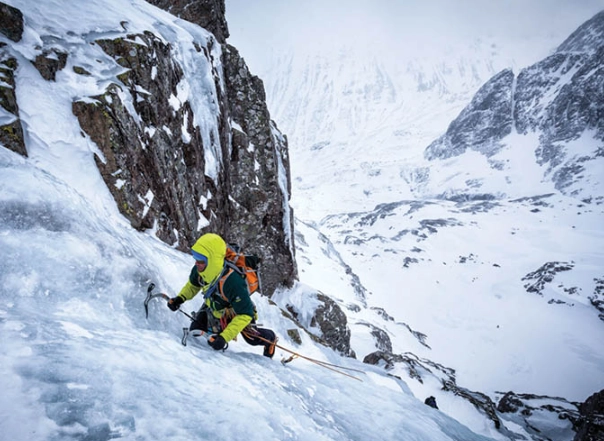
Common Mistakes Beginners Make (I Made Most of These)
Let's be honest, we all screw up. Here's a list of classic errors so you can hopefully avoid them.
- Underestimating Time: Everything takes longer in winter—gearing up, moving, navigating, eating. A summer 4-hour hike can easily become a 7-hour winter epic. Start early.
- Packing Fear: Bringing too much "just in case" gear leads to a monstrously heavy pack that slows you down and wears you out. Conversely, packing too light is worse. It's a balance learned through experience.
- Ignoring the Forecast: Just because it's sunny in the valley doesn't mean it's pleasant on the ridge. Mountain weather is its own entity.
- Not Breaking Trail: In a group, the person at the front works the hardest. Rotate this duty frequently to share the load and keep everyone fresh.
- Letting Gear Freeze: Buckles, zippers, and hydration tubes can freeze shut. Keep them clear of snow and give them a quick wipe. A small tube of lip balm can help lubricate a stubborn zipper.
Your Pathway to a First Real Winter Climb
So, you're geared up, you've practiced, you're thinking about safety. What's next? Here's a potential progression pathway.
Phase 1: Foundation (Months before)
Get fit. Go hiking. Go indoor climbing. Read. Watch reputable technique videos. Save for proper boots.
Phase 2: Introduction (Take a weekend course)
Learn the basics of ice axe arrest, crampon technique, and winter camping/hygiene from a professional.
Phase 3: Application (Easy objectives with a mentor)
Join a more experienced friend on a Grade I/II winter climb or a snowy mountain ascent. Focus on movement, not leading.
Phase 4: Consolidation (Building experience)
Repeat similar or slightly harder objectives, taking on more responsibility. Practice building snow anchors. Lead easy pitches under supervision.
Phase 5: Independence (Planning and leading your own days)
Now you can start planning simple days out with a peer of similar experience. The learning never stops, but you've built a solid platform.
Your Winter Climbing Questions, Answered
Winter climbing has given me some of my most vivid memories in the mountains. The crunch of crampons on neve, the sparkle of sun on ice, the intense focus required for each placement, and the deep camaraderie that comes from sharing a challenging day in a beautiful, harsh environment. It's not for everyone, and that's okay. But if you're drawn to it, approach it with humility, prepare thoroughly, and seek good mentorship. The frozen vertical world is waiting, and it's more incredible than any picture can convey.
Stay safe, climb smart, and enjoy the extraordinary silence of the mountains in winter.