Quick Guide
- What the Heck is Bouldering, Anyway?
- Why Bother? The Real Benefits of Bouldering
- Gearing Up: What You Actually Need to Start
- Your First Day at the Bouldering Gym: A Step-by-Step Walkthrough
- Climbing Isn't About Your Arms: Fundamental Techniques
- Indoor vs. Outdoor Bouldering: Two Different Worlds
- Common Questions (The Stuff You're Actually Searching For)
- Staying Safe and Avoiding the Classic Blunders
- Alright, I'm Convinced. What's the Next Step?
Let's be real. The first time I walked into a bouldering gym, I felt completely out of place. Everyone seemed to know each other, moving up the wall with this weird, graceful strength I didn't have. The mats were squishy. The holds were colorful. And the sound of chalk bags being slapped was everywhere. I had no idea what a "V-grade" was, my shoes hurt like hell, and I fell off a climb that a kid solved in about ten seconds.
But you know what? I was hooked instantly.
That was years ago. Since then, bouldering has become more than a workout; it's my main way to unwind, think, and connect with people. I've spent countless hours in gyms and have made the pilgrimage to outdoor meccas like Hueco Tanks. I've also made every beginner mistake in the book, so you don't have to. This guide is the conversation I wish I'd had with someone on that first day.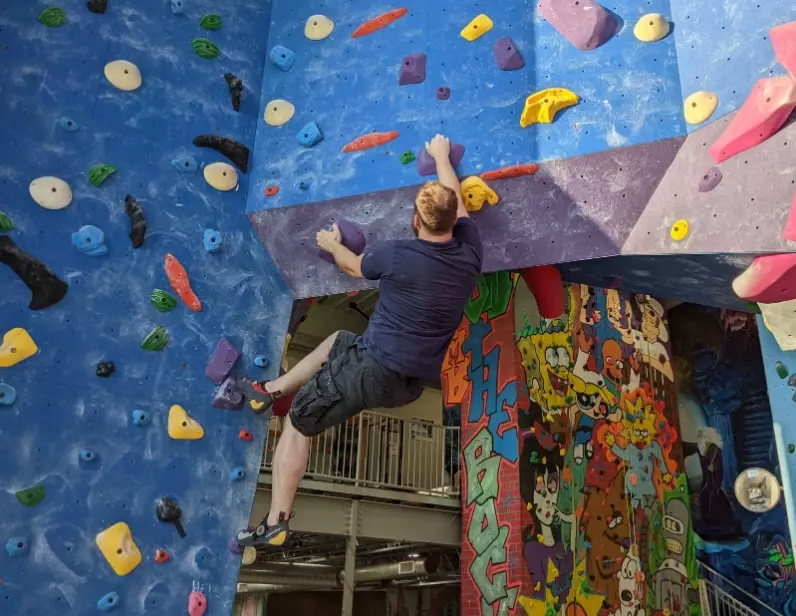
We're going to strip away the jargon and intimidation. Whether you're looking for a new way to get fit, love solving puzzles, or just want to try something that gets you off the couch, bouldering might be your thing. Let's break it down.
What the Heck is Bouldering, Anyway?
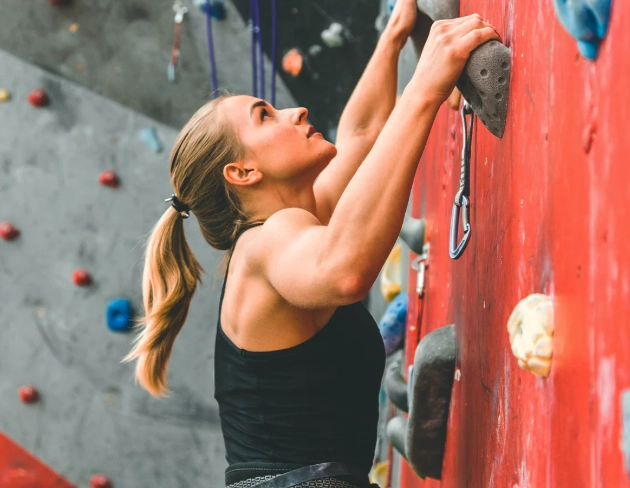
At its core, bouldering is rock climbing stripped down to its purest form. No ropes. No harnesses. Just you, special shoes, a chalk bag, and a crash pad (that thick mat) below you. You climb on boulders—obviously—or on artificial walls in a gym that are usually no higher than 15-20 feet.
The goal isn't just to get to the top. It's to solve a specific sequence of moves, called a "problem." Each problem is a short, intense puzzle for your body and brain.
How is it different from other climbing? Good question. People get confused.
| Aspect | Bouldering | Sport/Top-Rope Climbing |
|---|---|---|
| Height | Short (10-20 ft) | Tall (30 ft and way up) |
| Gear | Shoes, chalk, crash pad | Shoes, chalk, harness, rope, belay device, quickdraws |
| Focus | Power, technique, solving short sequences | Endurance, pacing, managing fear of height |
| Social Style | Very social, group problem-solving on the ground | More paired/partner-focused while climbing |
| Gym Vibe | Loud, collaborative, lots of trying and falling | Quieter, more sequential with people on walls |
I personally love bouldering because it's so social. You're not tied to a partner belaying you. You try a move, fall, chat with the people around you about beta (the sequence of moves), then try again. It's like a group workout where the puzzle is the main event.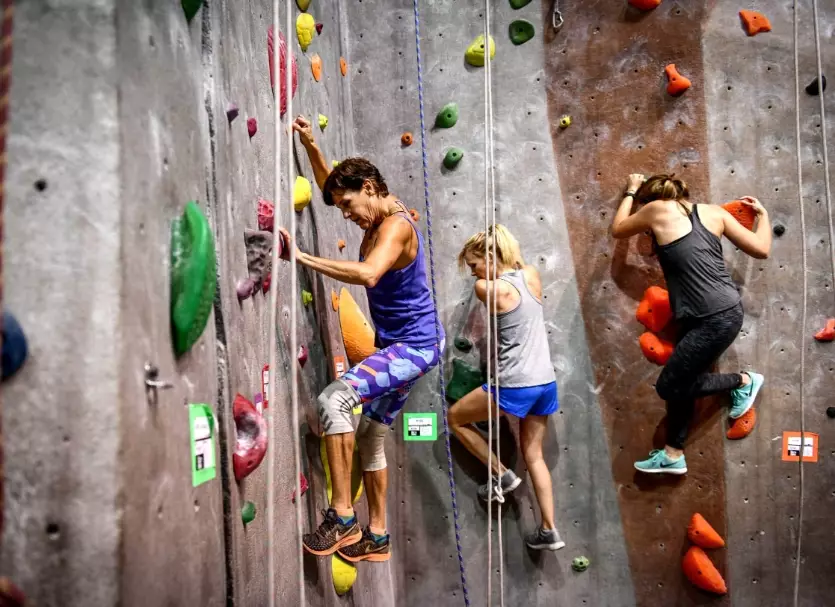
The first time I sent (climbing lingo for 'completed') a problem I'd been working on for weeks, the strangers around me actually cheered. You don't get that on a treadmill.
Why Bother? The Real Benefits of Bouldering
Sure, you'll get stronger. But the benefits of a consistent bouldering habit go way beyond just looking good.
Your Body Will Change (Without You Noticing)
This isn't mindless lifting. Every move in bouldering engages your entire body in a functional way.
- Grip Strength to the Max: Your forearms will scream at first. Then they'll become steel cables. Opening jars becomes a trivial party trick.
- Full-Body Engagement: Forget "leg day" or "back day." A hard bouldering problem uses your legs to push, your core to stabilize, your back and arms to pull, and your fingers to… well, hold on for dear life sometimes.
- Improved Flexibility and Balance: You'll find yourself in positions you never thought possible. High steps, hip twists, controlled reaches. It's like yoga, but you're defying gravity.
I never set out to "get ripped." But after a year of bouldering twice a week, my posture was better, my shoulders looked defined, and I had this functional strength that helped in every other sport I tried.
It's a Brain Game on a Wall
This is the part that surprised me most. Walking up to a new bouldering problem is like staring at a chessboard. You have to read the route. Which hold is for the left hand? Is that tiny chip for my toe or just decoration? Should I go dynamically or stay controlled?
You plan, you attempt, you fail, you rethink. The mental focus is so complete that you forget about your work emails, your to-do list, everything. It's a forced mindfulness that's incredibly therapeutic.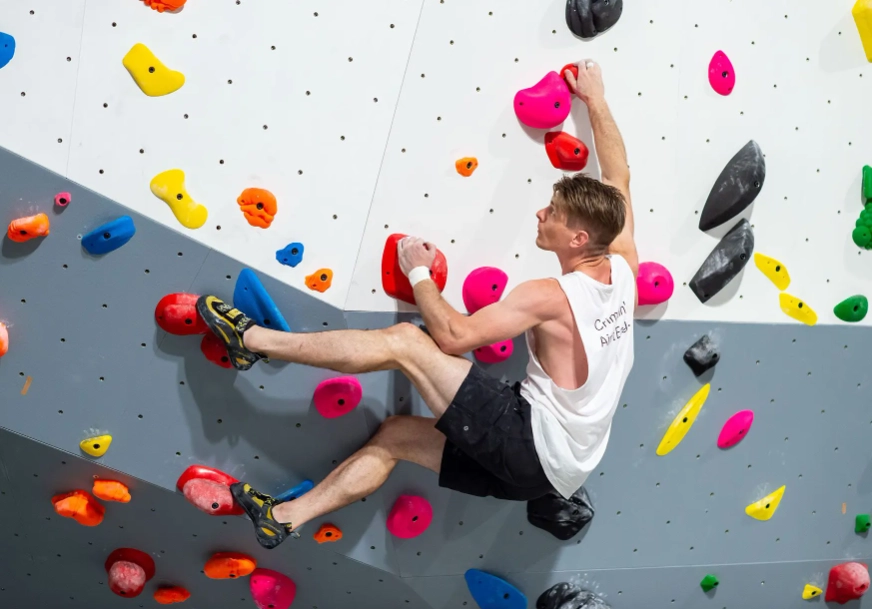
The Community is Unbeatable
Climbers, and boulderers especially, are some of the most supportive people you'll meet. There's no judgment about your level. Everyone remembers being a beginner. You'll constantly hear "Nice try!" or "Try flagging your right foot out to the left." It's collaborative, not competitive.
I've made genuine friends at the gym. We spot each other, share beta, and then go for pizza after. It's a built-in social circle centered around a positive activity.
Let's address the fear. Yes, you will fall. It's part of bouldering. But learning to fall correctly—relaxed, onto your back, arms in—is your first and most important skill. The mats are designed for it. Trust the process.
Gearing Up: What You Actually Need to Start
One of the best things about bouldering is the low barrier to entry. You don't need to drop $500 on gear. Here's the honest breakdown.
The Non-Negotiables (For Your First Visit)
For your first few times, you literally only need comfortable, flexible clothing (think gym clothes) and a willingness to learn. Every gym rents shoes and chalk bags. Use them! Don't buy anything yet.
Seriously, rent first.
Gym rental shoes are notoriously uncomfortable. They're worn out, stretched, and often smell funky. But this is a good thing. It will help you appreciate a good pair later, and it prevents you from wasting money if you decide climbing isn't for you.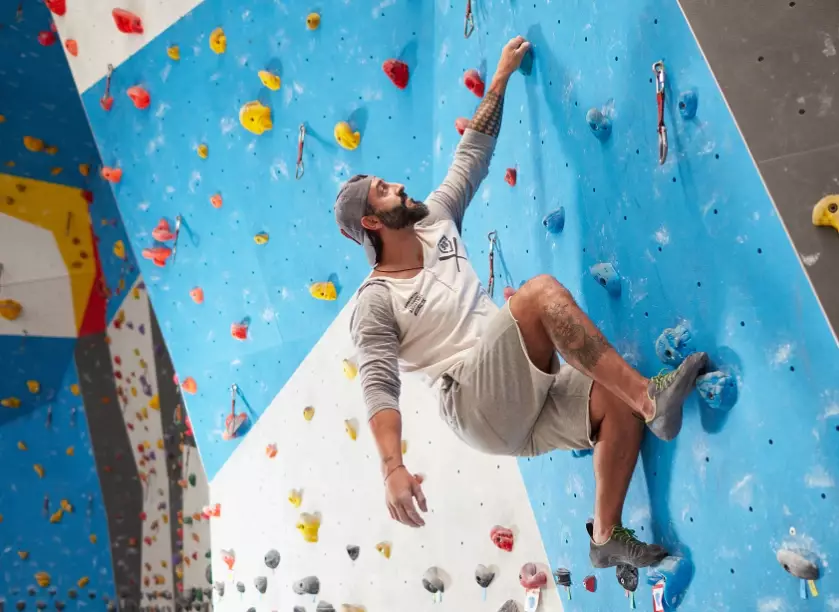
Your First Purchase: Climbing Shoes
Once you've gone 3-5 times and are sure you're sticking with it, it's shoe time. This is the most personal and important piece of gear.
The biggest myth? That they need to be excruciatingly tight. Wrong. Aggressively downsized shoes are for advanced climbers working on tiny holds. For beginners, you want a snug, but not painful, fit.
- Fit Test: Your toes should be at the end, maybe slightly curled, but not crammed. There should be no air pockets. Your heel should feel snug and not slip when you stand on a small edge.
- Style: Start with a flat or slightly downturned profile. They're more comfortable and versatile. Brands like La Sportiva (Tarantula), Scarpa (Origin/Force), and Black Diamond (Momentum) make great beginner shoes.
- My Mistake: I bought an aggressive, highly downturned shoe as my first pair because a well-meaning but strong climber said "you'll grow into them." I didn't. They sat in the back of my closet, a $150 monument to bad advice. Start comfortable.
The Rest of the Kit
- Chalk & Chalk Bag: Chalk (usually magnesium carbonate) keeps your hands dry. A chalk bag with a belt holds it. Get a simple one. Fancy chalk doesn't make a difference for beginners.
- Crash Pad: Only for outdoor bouldering. Gyms have permanent floors. If you're venturing outside, you'll need one or, better yet, go with experienced friends who have them. They're expensive and bulky.
- Clothing: Avoid baggy pants or shirts that will get caught under your feet. Flexible, breathable materials are key.
Your First Day at the Bouldering Gym: A Step-by-Step Walkthrough
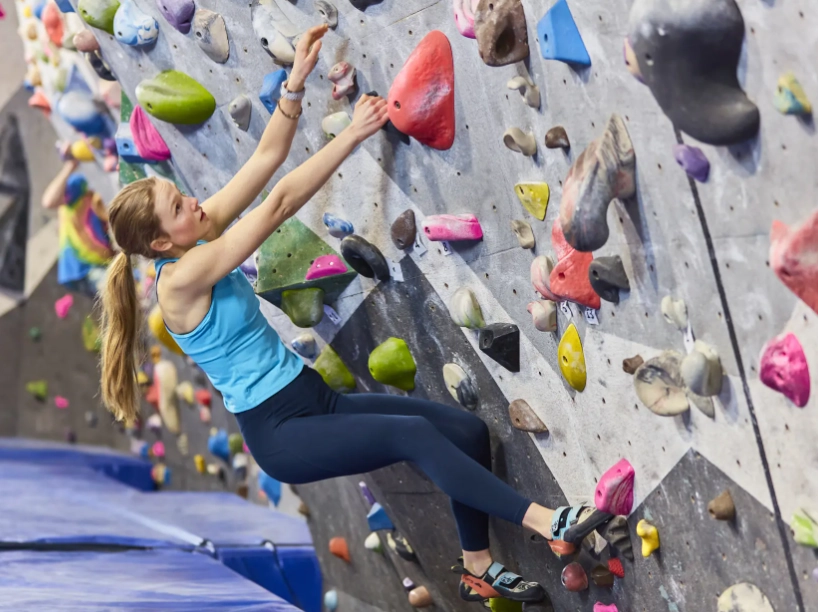
Walking in can be the hardest part. Here's exactly what will happen.
1. Check-in & Waiver: You'll sign a digital waiver. They'll ask if you need rentals.
2. Rental Gear: You'll get shoes (they run small, so go up if unsure) and maybe a chalk bag.
3. The Orientation (PLEASE DO THIS): Most gyms require a short safety briefing. They'll show you how to fall, how to navigate the gym, and explain the grading system. This is 10 minutes that will save you from injury and embarrassment.
Listen to the falling part. Twice.
4. Understanding the Grading & Color System: Gyms mark problems by hold color. All holds of the same color belong to one problem. They also have a grade, like V0, V1, V2, etc. (The "V" stands for Vermin, named after a famous climber, John "Vermin" Sherman). Start on the easiest grade, usually V0 or VB (for beginner).
5. Warm Up! Don't just jump on the hardest-looking wall. Do some light cardio (jumping jacks), stretch your wrists, shoulders, and hips. Climb a few super easy problems to get blood flowing.
Pro tip from a guy who pulled a shoulder muscle: Your first 15 minutes should be so easy it feels boring. Warm up your tendons. They take longer to strengthen than muscles.
Climbing Isn't About Your Arms: Fundamental Techniques
This is where most beginners (including me) waste energy. We try to haul ourselves up with our arms until we're exhausted in 10 minutes.
Good climbing is about using your legs and keeping your center of gravity close to the wall.
The Holy Trinity of Beginner Technique
- Silent Feet: Place your feet deliberately and quietly. Look at the foothold until your toe is precisely on it. This builds accuracy and control. No stomping!
- Straight Arms: When possible, keep your arms straight. Bent arms fatigue your biceps quickly. Straight arms let your skeleton hold your weight, saving your muscles.
- Hips to the Wall: Turn your hips so they are parallel to the wall. This brings your center of mass closer and allows your legs to do the pushing. Think of it like a cat ready to pounce.
Moves You'll Learn Fast
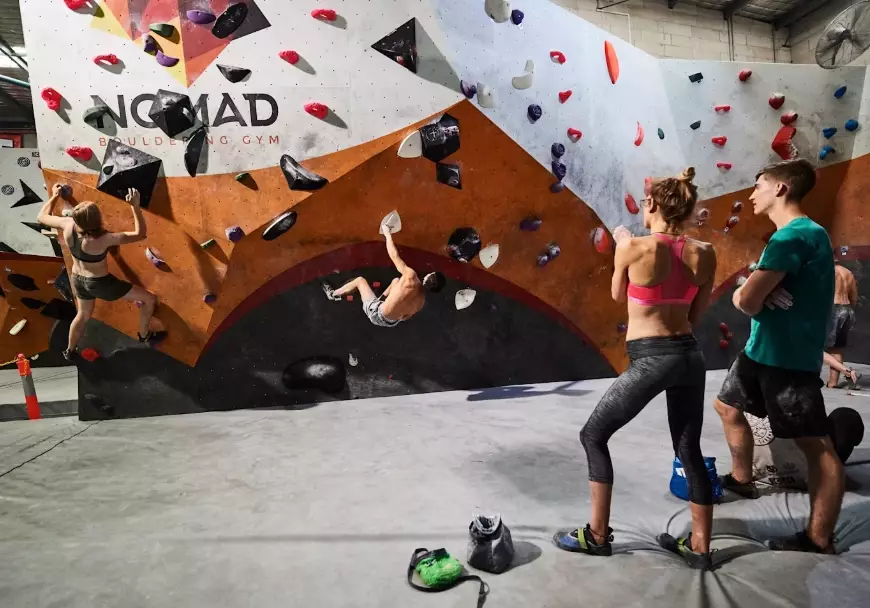
- Flagging: Dangling a leg out to the side to counterbalance your weight and prevent you from barn-dooring (swinging off).
- Smearing: Using the friction of your shoe rubber on the wall itself when there's no real foothold.
- Matching: Putting both hands (or both feet) on the same hold.
- Dyno: A dynamic jump to a hold. Looks cool, wastes energy if used unnecessarily. Master static moves first.
I spent my first month just practicing "silent feet" on the easiest climbs. It felt silly, but it built a foundation that let me progress faster later.
Indoor vs. Outdoor Bouldering: Two Different Worlds
Gym bouldering is clean, controlled, and convenient. The problems are set by humans, with specific moves in mind. The holds are plastic, textured, and color-coded. It's the perfect training ground and social hub.
Outdoor bouldering is a different beast. It's raw. You're on real rock—granite, sandstone, limestone. The texture, the feel, the weather, it all matters. The problems are natural features, "cleaned" of dirt and moss, and have history. That boulder might have a classic problem first climbed decades ago.
Key Differences:
- Grading: Outdoor grades are often stiffer. A V4 outdoors usually feels harder than a V4 in the gym.
- Risk: Higher. You need to carefully position multiple crash pads, have spotters, and assess the landing zone for rocks or roots.
- Ethics: Leave No Trace is paramount. No chipping holds, no leaving chalk tick marks (use a brush!), and respect access issues. Organizations like the Access Fund work tirelessly to keep climbing areas open and protected.
My first outdoor trip was humbling. The rock was sharp, the grades felt impossible, and I was terrified of falling. But watching the sunset after a day of trying, surrounded by nature… there's nothing like it. Start in the gym, but make outdoor bouldering a goal.
Common Questions (The Stuff You're Actually Searching For)
Google "bouldering gym [your city]." Sites like Mountain Project are the bible for outdoor climbing areas, including boulders. Filter by "Boulder" and check the comments for recent conditions.
It's the most normal thing in the world. The fear never completely goes away; you just manage it better. Start by climbing just one move off the ground and stepping down. Then two moves. Practice falling on purpose from a low height onto your back. Your brain needs to learn that the mats work. This is a huge mental hurdle, and everyone goes through it.
Twice a week is the sweet spot for beginners. Your tendons and skin need time to recover. More than three times a week, and you risk overuse injuries like pulley strains (in your fingers). Consistency beats marathon sessions.
Skin pain (raw tips) is normal. Joint pain in your fingers is a warning sign. If a specific finger joint aches, stop climbing immediately and rest for several days. Finger tendons are slow to adapt. Taping can help support a tweaky joint, but it's not a cure. Listen to your body.
Ah, the famous plateau. This is where raw strength isn't enough. You need to start training instead of just climbing. Focus on:
- Projecting: Spend multiple sessions working on a single problem just above your limit.
- Hangboarding: BUT WITH CAUTION. Only start this after 6+ months of consistent climbing to strengthen tendons. Use a large edge and do dead hangs (feet on the ground) for 7-10 seconds.
- Antagonistic Training: Push-ups, shoulder presses. This balances all the pulling muscles and prevents shoulder injuries.
I plateaued at V3 for what felt like forever. What broke it wasn't more climbing, but taking a week off completely. I came back rested, and my brain had subconsciously worked out the beta for my project. Sometimes rest is training.
Staying Safe and Avoiding the Classic Blunders
Bouldering is safe if you're smart. Here are the pitfalls I see every week.
- Downclimb Whenever Possible: Don't just jump off from the top. Look for the downclimb holds (often marked) or easier holds to come down partway. It saves your joints.
- Be Aware of Your Surroundings: Look before you fall or jump. Is someone walking below? Is another climber starting a problem next to you? Gym awareness is key.
- Don't Climb Under Someone: This is gym etiquette 101. Wait until they've finished their attempt and moved off the mat.
- Skin Care is Real: Wash chalk off your hands after a session. Use a moisturizer like Climb On or Joshua Tree salve. Sand down calluses with a pumice stone so they don't rip off.
The governing body for competitive climbing, the International Federation of Sport Climbing (IFSC), has extensive safety protocols, which trickle down to how modern gyms are set up and operated. They're a great resource for understanding the sport's global standards.
Alright, I'm Convinced. What's the Next Step?
Just go. Seriously.
Find a gym with good reviews, check their website for an intro deal (many have $20 first-visit packages with rentals included), and pick a time that's not the Saturday afternoon rush. Go with a friend if it makes you more comfortable, or go alone—you'll meet people there.
Remember, everyone in that gym was a beginner once. They were confused by the colors, their shoes hurt, and they fell off easy climbs. The community remembers that. No one is judging you; they're probably just thinking about their own project.
Bouldering gave me a hobby that challenges my body and mind, introduced me to amazing people, and got me outdoors more than ever before. It's frustrating, exhilarating, and deeply satisfying.
Your first session might feel awkward.
Your forearms will burn. You might leave with a few scrapes. But if you're like me and millions of others, you'll also leave with a huge grin, already planning your next visit. See you on the mats.