In This Guide
- Why Bother? The Real Benefits of National Parks for Kids (Beyond the Photos)
- Top National Parks for Kids: It's Not One-Size-Fits-All
- How to Pick the Perfect National Park for YOUR Kids
- The Magic of the Junior Ranger Program: Your Secret Weapon
- The Pre-Trip Playbook: Planning Your National Park Adventure with Kids
- Making Memories (Not Mayhem): Activities & Mindset in the Park
- Budgeting, Seasons, and Final Tips
- Your National Parks for Kids Questions, Answered
Let's be honest. The idea of taking kids to a national park can feel equal parts thrilling and terrifying. You picture majestic vistas and quality family time, but your brain also flashes to potential meltdowns on a hiking trail, complaints of boredom, and the sheer logistics of it all. I've been there. I remember the first time I took my then-five-year-old to a major park, armed with little more than enthusiasm and a questionable trail mix. It was... a learning experience.
But here's the truth I discovered: national parks are absolute magic for kids when you approach them the right way. They're not just scaled-down versions of adult trips. They're a whole different beast—a chance for curiosity to run wild, for imaginations to ignite, and for a genuine connection to nature to take root. This guide isn't about forcing a rugged backpacking experience on a preschooler. It's about unlocking the joy, wonder, and sheer fun that national parks for kids are uniquely positioned to deliver. We're going to move beyond the generic lists and dive into the real nitty-gritty: how to choose, how to plan, and how to actually enjoy it.
Why Bother? The Real Benefits of National Parks for Kids (Beyond the Photos)
Sure, the Instagram photos are great. But the real value of taking your kids to national parks goes much deeper than a social media post. In a world of screens and structured activities, parks offer something increasingly rare: unstructured exploration.
Kids learn by doing, by touching, by asking "why does that rock look like that?" or "what animal made this track?" It's active learning that sticks. The Junior Ranger programs (more on those later) are genius because they turn kids into participants, not just passengers. They're earning badges by learning about geology, history, and wildlife. That beats a worksheet any day.
There's also the resilience factor. A hike that feels long teaches perseverance. Weather that changes teaches adaptability. It builds a kind of gritty confidence that's hard to get elsewhere. And maybe most importantly, it fosters a sense of stewardship. When a kid learns why we protect these places, they're more likely to want to protect them. That's a legacy worth building.
Top National Parks for Kids: It's Not One-Size-Fits-All
Ask ten people for the best national park for kids, and you'll get ten different answers. That's because the "best" park depends entirely on your family's interests, your kids' ages, and your comfort level. A park that's perfect for a family with adventurous teens might be a nightmare with toddlers.
So instead of just giving you a list, let's break it down by what makes each park special for young explorers. I've also thrown in a couple of less-hyped parks that are absolute gems for families, often with smaller crowds.
| Park Name | Kid-Friendly Superpower | Best For Ages | Can't-Miss Activity for Kids | Real Talk / Consideration |
|---|---|---|---|---|
| Great Smoky Mountains | Ease of access, diversity of short hikes, and tons of wildlife (salamanders, deer, elk). It's free to enter, which is a huge bonus for families. | Toddlers+ School Age Teens | The Junior Ranger book here is excellent. Also, searching for salamanders along any creek. | Can get extremely crowded in summer. Focus on early mornings or the quieter Cades Cove area. |
| Yellowstone | The "wow" factor. Geysers, bubbling mud pots, and bison jams are like nature's greatest hits album. It's visually stunning and constantly entertaining. | School Age Teens | Watching Old Faithful erupt, of course. But also the Fountain Paint Pot trail for shorter legs. | Vast distances between sights. You will live in your car. Plan for short, frequent stops, not epic hikes. |
| Zion | Adventure for older kids. The Narrows hike (walking in a river) and the paved Riverside Walk are unforgettable, water-based experiences. | School Age Teens | The Riverside Walk. It's flat, paved, follows the river, and ends at the entrance to The Narrows. | Extreme summer heat and dangerous flash floods. Requires careful planning and checking conditions with the National Park Service. |
| Acadia | Manageable size and variety. Ocean, mountains, and carriage roads for biking all in one place. The park loop road makes sightseeing easy. | Toddlers+ School Age Teens | Walking across the sand bar to Bar Island at low tide. It feels like a magical secret. | Weather is unpredictable. Pack layers, rain gear, and have indoor backup plans. |
| Carlsbad Caverns | Pure, unadulterated novelty. Walking down into a massive, otherworldly cave? That's a core memory in the making. | School Age Teens | The Natural Entrance hike down into the cavern. Take the elevator back up! | Can be cool and damp inside. A light jacket is a must. Not ideal for kids who are afraid of the dark or tight spaces. |
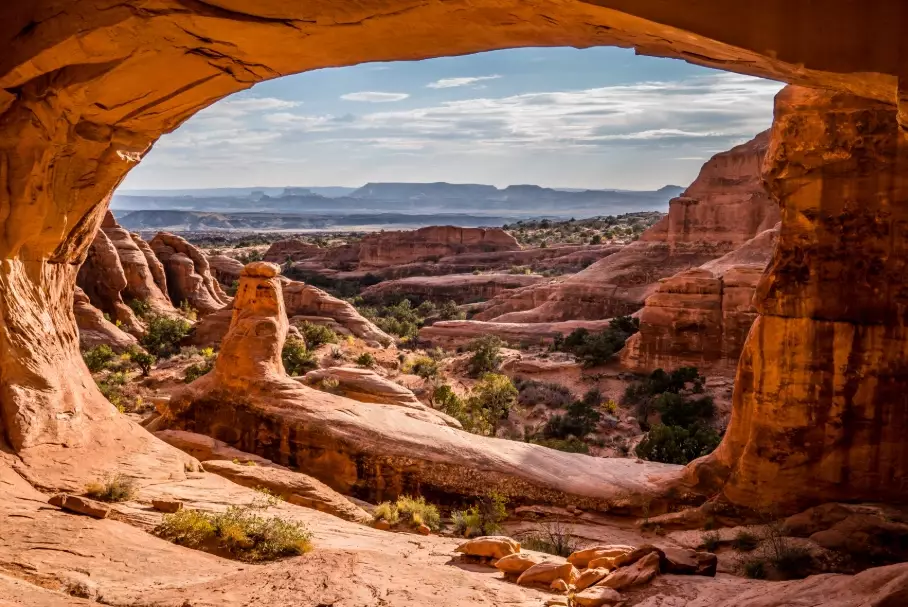
See what I mean? Choosing a park isn't about picking the "number one." It's about matching the park's personality to your family's. A toddler will be infinitely happier splashing in a stream in the Smokies than being carried on a long, hot trail in Arches.
How to Pick the Perfect National Park for YOUR Kids
So how do you actually decide? Let's move beyond the brochures and think like a parent.
First, be brutally honest about your kids' ages and temperaments.
- Toddlers & Preschoolers (2-5): You need parks with short, flat, stroller-friendly loops, readily accessible bathrooms, and immediate payoff. Think waterfalls you can see from a parking lot, big animal sightings from the car, or sandy areas to play in. Distance is your enemy. Parks with a good scenic drive are your friend.
- School-Age Kids (6-12): This is the golden age for national parks for kids. They have the stamina for 1-3 mile hikes, the curiosity for Junior Ranger programs, and the excitement for earning badges. They can handle more variety and are often fascinated by geology and wildlife.
- Teens (13+): The challenge is engagement. They might roll their eyes at the cheesy park film. Look for parks that offer active adventure: biking, kayaking, snorkeling, or more strenuous hikes with a big reward. Give them some ownership—let them help plan a hike or be in charge of the map.
Second, consider the logistics you can handle.
- Crowd Tolerance: Do your kids get overwhelmed in huge crowds? If so, maybe skip Yellowstone in July. Look at shoulder seasons (late spring/early fall) or lesser-known "national parks for kids" like Congaree or Black Canyon of the Gunnison.
- Travel Distance: A 10-hour drive with young kids is a trip in itself. Sometimes the park closest to you, even if it's not the most famous, is the best choice for a first try.
- Cost: Factor in more than just the entrance fee. Lodging inside parks books up a year in advance and is pricey. Nearby towns offer more options. Consider camping if your family is up for it—it's a budget-friendly and immersive experience.
The Magic of the Junior Ranger Program: Your Secret Weapon
If you take away only one thing from this guide, let it be this: sign your kids up for the Junior Ranger program the moment you enter any national park. Go to the visitor center, ask for the activity booklet (usually a small fee or free), and get to work.
This program is the single best tool for engaging kids. The booklets are age-appropriate and guide them to interact with the park. They might have to attend a ranger talk, identify three animals, draw a picture of a landmark, or pick up litter. Upon completion, they take an oath with a park ranger and get a cool badge or patch.
It transforms the experience from passive sightseeing into an active mission. My kid was suddenly motivated to read signs, ask rangers questions, and pay attention on hikes—all to complete his tasks. The official NPS Junior Ranger page has more info and even some online activities.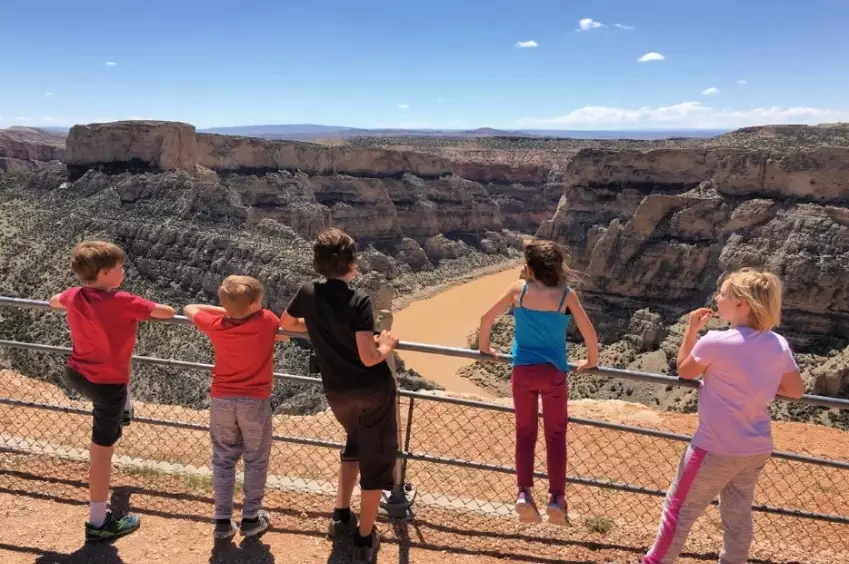
The Pre-Trip Playbook: Planning Your National Park Adventure with Kids
Failing to plan is planning for a meltdown. But over-planning sucks the fun out of it. The goal is a flexible framework.
1. Involve the Kids in Planning: Show them pictures and videos of the park. Let them help choose one or two activities. Get them a kid-friendly map to look at. This builds anticipation and buy-in.
2. Master the Art of Packing: This is critical. Beyond the usual clothes and toiletries, your daypack should be a survival kit for fun.
- Hydration & Snacks: More water than you think you need. High-energy snacks like nuts, granola bars, fruit leathers. Avoid anything that will melt into a gooey mess.
- Layers: A lightweight rain jacket and a fleece. Mountain weather changes in minutes.
- Sun & Bug Protection: Hat, sunscreen, sunglasses, insect repellent.
- The Fun Kit: A small magnifying glass, a pocket-sized guide to local wildlife/rocks, a notebook and pencil for sketching or Junior Ranger work, a small pair of binoculars.
- The Emergency Kit: Band-aids, moleskin for blisters, antiseptic wipes, a whistle (teach them the universal distress signal: three blows).
3. Book Everything Early: I can't stress this enough. Lodging inside popular national parks for kids like Yellowstone, Yosemite, or Zion sells out a year in advance for summer dates. If you miss out, look at gateway towns. They often have more amenities (like pools!) anyway.
4. Set Realistic Expectations: You will not see everything. You will not hike every trail. Pick one or two key activities per day, max. Build in ample downtime for throwing rocks in a river, exploring the visitor center, or just hanging at the campground. A slow pace is a happy pace.
Making Memories (Not Mayhem): Activities & Mindset in the Park
You've arrived. Now what? Ditch the checklist mentality.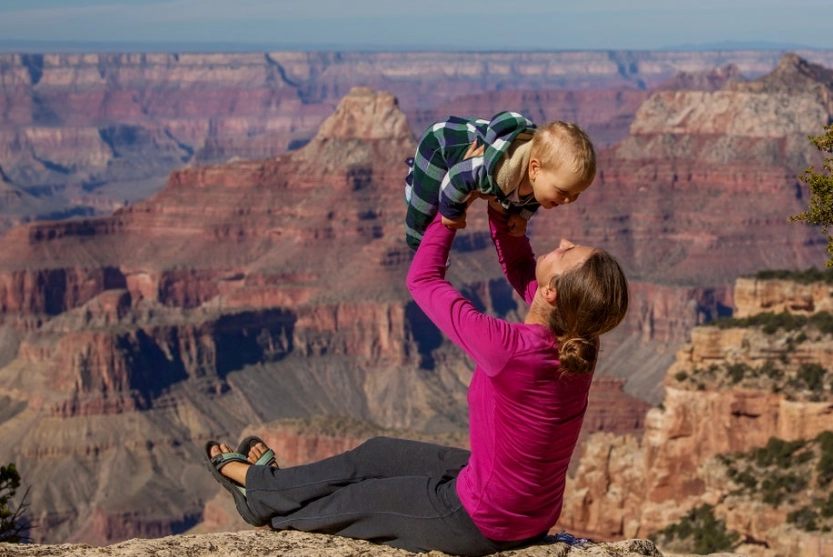
Embrace the Scenic Drive: For families with little ones, this is your best friend. Parks like Rocky Mountain, Acadia, and Great Smoky Mountains have incredible drives with frequent pull-offs. You can see stunning views with minimal effort. Play "I spy" or count different colored cars.
Hike Smart:
- Rule of Thumb: A child can hike about 1 mile per year of age (so a 5-year-old can handle a 5-mile round trip in theory). Start with half that to be safe.
- Turn Hikes into Games: "Let's find 10 different colored rocks." "Who can spot the next trail marker?" "Let's listen for five different sounds."
- Destination Hikes: Choose hikes that end at something exciting: a waterfall, a lake for skipping stones, a big viewpoint for a snack.
Attend a Ranger Program: These are free, often short (30-45 mins), and designed to be engaging. A ranger telling stories about bears or pointing out constellations is far more compelling than you reading a sign. Check the park newspaper for times.
- Wildlife: Teach kids the 100-yard rule for bears and wolves, and the 25-yard rule for all other animals like bison, elk, and deer. These are not zoo animals. They are wild, unpredictable, and dangerous. Use binoculars for close-up views.
- Geothermal Areas: In parks like Yellowstone, stay on boardwalks. The ground can be thin and scalding hot underneath.
- Water Safety: Rivers and streams can be deceptively fast and cold. Never turn your back on the ocean. Check tide charts.
Budgeting, Seasons, and Final Tips
A trip to national parks for kids doesn't have to break the bank. If you're visiting multiple parks in a year, the America the Beautiful Annual Pass ($80) is a steal—it covers entrance fees for your whole car at all federal recreation sites. If you have a 4th grader, check out the Every Kid Outdoors pass—it gets your family in free for a whole year.
When to Go: Summer is crowded and hot at many parks. Seriously consider shoulder seasons. Late May/early June or September often have beautiful weather, fewer people, and more wildlife activity. Spring brings wildflowers; fall brings stunning colors. Winter visits to some parks (like Yellowstone for snowcoach tours) can be magical and crowd-free, but require serious cold-weather prep.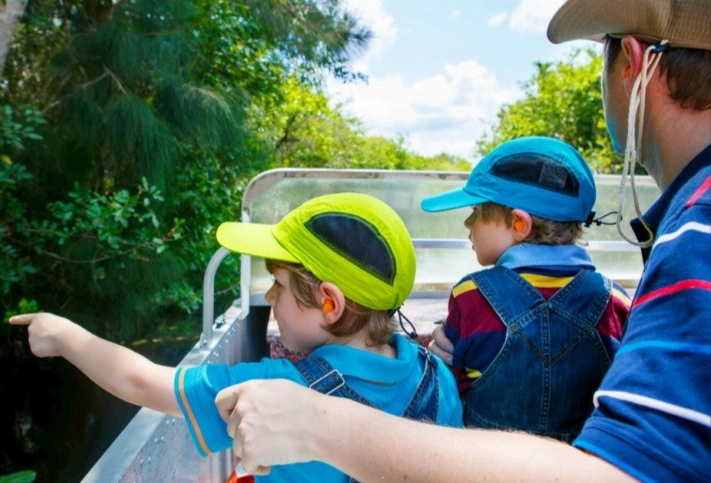
Be prepared to pivot. If everyone is tired, have a movie afternoon in the hotel. If it's pouring rain, visit the local town's museum or find a cozy diner. The park isn't going anywhere. The point is to enjoy being together in an amazing place.
Your National Parks for Kids Questions, Answered
So there you have it. Not just a list of parks, but a philosophy for exploring them with your crew. It's about trading pressure for presence, and checklist tourism for curious exploration. Pick a park that speaks to you, do a bit of planning, pack your sense of humor, and go make some noise in the quiet places. Your kids might not remember every geologic detail, but they'll remember the feeling of wonder. And that's the whole point.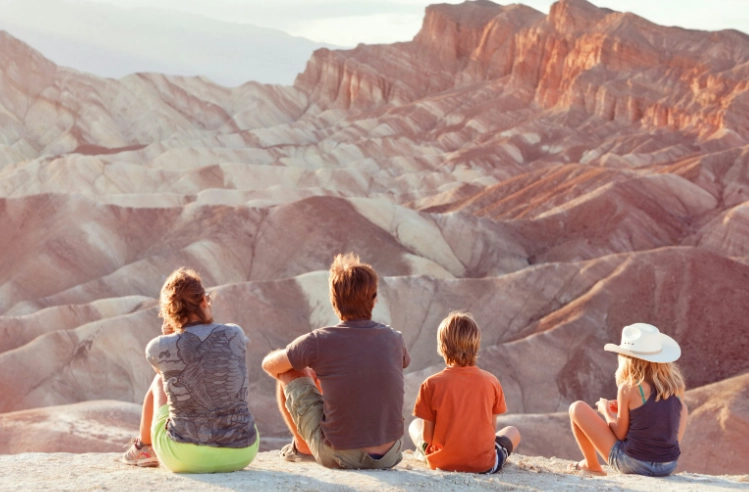
Now, go get those Junior Ranger badges.